
What Is the Order of People in a Wedding? A Simple Guide to the Ceremony Lineup
When planning a wedding, you need to know the order of people in the ceremony. The typical procession begins with the officiant and proceeds with the groom, followed by family members and the wedding party. This order may vary based on the type of wedding, whether it’s traditional, religious, civil, or an LGBTQ+ ceremony.
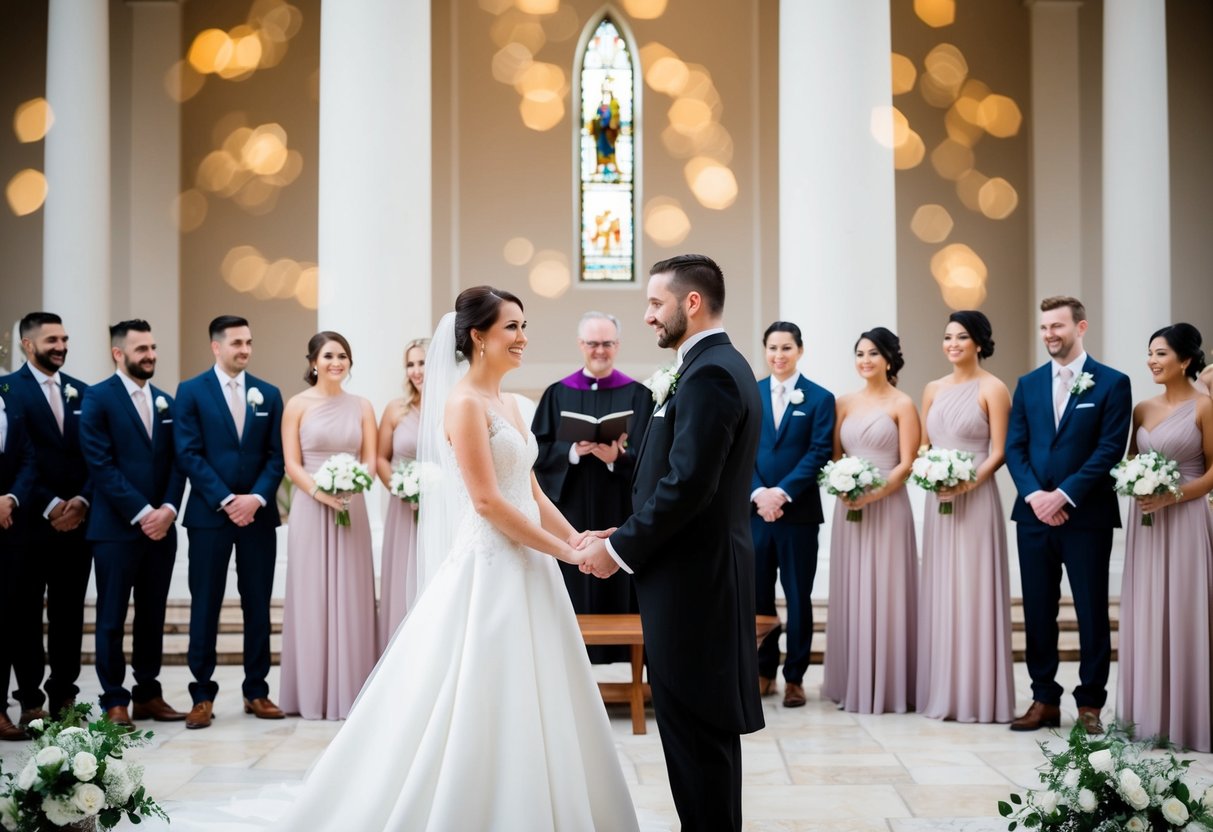
In a traditional wedding, the order is designed to highlight important relationships and make the day feel special for everyone involved. If you’re planning a same-sex ceremony or LGBTQ+ wedding, you have the flexibility to adjust the procession to reflect your unique story and preferences.
Understanding the details of the wedding processional ensures that you honor all participants while creating a beautiful moment as you walk down the aisle. You’ll have the opportunity to celebrate love in its many forms, making the occasion memorable for you and your loved ones.
The Wedding Party Roles
The wedding party is made up of important people who support the bride and groom. Each role has its own responsibilities, making the day more meaningful and organized for everyone involved.
Bridal Party Dynamics
In a wedding, the bridal party usually includes the bride, her bridesmaids, the maid of honor, and the matron of honor. Each person has a unique role. The bride is the central figure, guiding the day’s events. Meanwhile, the maid of honor assists the bride, helping with tasks like dress selection and planning pre-wedding events.
Bridesmaids support the bride emotionally and practically. They can help with wedding planning, attend fittings, and assist during the ceremony. The dynamic between these members can set a joyful tone. Friendships can deepen as you share this special experience.
Groomsmen and the Best Man
The groom’s side is equally important. The best man usually takes charge of the groomsmen, ensuring they’re ready for the big day. This includes organizing tuxedo fittings and planning events like the bachelor party.
Groomsmen stand by the groom during the ceremony, offering support and friendship. They often help with tasks leading up to the wedding. Together, they add a fun and supportive element to the day, creating a memorable backdrop for the ceremony.
Significance of the Flower Girls and Ring Bearers
Flower girls and ring bearers play charming roles in the ceremony. Typically, a flower girl scatters petals down the aisle. This adds beauty and a playful touch. Meanwhile, the ring bearer is responsible for carrying the wedding rings, often in a small pillow.
These roles, while small, are significant. They symbolize innocence and love. Including young family members or close friends can create warm moments. These duties are often cherished by family, leaving lasting memories.
The Role of the Parents and Grandparents
Parents and grandparents hold special places in the wedding. The mother of the bride often plays a key role in planning, offering support throughout the process. She may also help choose the wedding dress and coordinate logistics.
The father of the bride traditionally walks her down the aisle, a moment filled with emotion. On the groom’s side, parents may help with planning and support in various ways. Meanwhile, grandparents often share wisdom and love, adding to the ceremony’s heartfelt moments. Their presence is a reminder of family connections that matter on such a special day.
Wedding Processional Order
The wedding processional is an essential part of the ceremony, marking the moment when key participants walk down the aisle. The order can vary based on cultural traditions, religious beliefs, and personal choices. Understanding different customs helps you decide how to plan your own unique ceremony.
Cultural Variations in Processionals
Cultural variations often influence the wedding processional order. Different communities may have their own specific traditions. For instance, in a traditional Hindu wedding, the groom arrives in a festive procession called the baraat.
In contrast, Jewish ceremonies often feature the groom waiting under the chuppah, where the bride is escorted by her parents.
You can mix elements from different traditions, especially if you’re having a non-denominational wedding. Personalizing the processional reflects your unique story and honors your heritage.
Traditional Christian Processional
In a traditional Christian wedding, the processional typically follows a set order. It often begins with the groom’s parents and the rest of the family walking down the aisle. The mother of the bride usually enters next, followed by the bridesmaids and groomsmen.
Finally, the bride, often accompanied by her father or a significant figure, is the last to walk down the aisle. This order adds a sense of formality and highlights the importance of the couple’s moment.
If you’re planning a Catholic ceremony, the traditional processional order is quite similar, with slight variations based on specific rites.
Jewish Wedding Processional Customs
Jewish wedding customs include a meaningful processional tailored to highlight key family roles. The groom typically waits at the chuppah while the bride is escorted down the aisle.
Her parents walk her to the chuppah, signifying their support. Meanwhile, the couple walks together under the chuppah, showing unity.
This process emphasizes family involvement and the significance of the covenant being established. In contrast, the guest seating usually reflects honor for both sides of the family.
Hindu Wedding Processional Traditions
Hindu wedding processions are vibrant and filled with cultural significance. The ceremony often starts with the groom’s arrival during the baraat, where family and friends joyously escort him to the venue.
Upon arrival, he may be greeted with rituals that symbolize the couple’s union.
The bride and groom then participate in a sacred ritual under the mandap, which serves as a focal point.
Each step in the procession symbolizes faith, community, and the weaving of their lives together in celebration. Engaging your family in this procession can deepen its meaning for everyone involved.
Key Wedding Ceremony Elements
In a wedding ceremony, certain key elements stand out. These crucial moments often define the day and are deeply meaningful for you and your partner.
Vows and Ring Exchange Rituals
During the ceremony, the vow exchange is a significant part. It often starts with the officiant asking for your declaration of intent. This moment involves you expressing your commitment to one another.
Next comes the exchange of rings, symbolizing your love and fidelity. As you place the rings on each other’s fingers, it’s a powerful reminder of your vows.
You might also consider including a unity ceremony, like a sand ceremony or handfasting, where you bring together elements to symbolize your union.
This part of the ceremony is deeply personal and often allows for readings or prayers. You can choose meaningful texts, such as the Lord’s Prayer, or heartfelt words that resonate with you both.
Cultural and Religious Ceremonial Practices
Your ceremony might include specific cultural or religious practices. For instance, in a Jewish ceremony, traditions such as the breaking of the glass and the Sheva Brachot are often observed. These elements reflect deep cultural significance and celebrate your new life together.
If you’re looking for a nondenominational ceremony, you may choose various customs that suit your beliefs. Each culture has unique rituals that enrich the wedding experience. For example, a Catholic ceremony often includes a rite of marriage and can incorporate a communion service.
These elements add richness to your ceremony, making it both unique and memorable.
Recessional and Post-Ceremony Traditions
After the ceremony, the recessional marks a joyful exit for you and your guests. This part of the wedding is rich with traditions and personal touches that make it memorable. You can choose how you want to celebrate your new marriage, both in order and acts that follow.
Order of the Recessional
The order in which everyone exits can set the tone for the celebration. Typically, the newlyweds leave first. Here’s a common order:
- The Newlyweds: You and your partner lead the way.
- Wedding Party: Bridesmaids and groomsmen follow.
- Flower Girl(s) and Ring Bearer(s): These little ones often bring up the end.
- Parents: The mothers and fathers of the couple exit next.
Your wedding planner can help ensure this flows smoothly. Customization is encouraged, so feel free to add personal touches like special music or a unique sending-off, like a petal toss.
Cultural Post-Ceremony Practices
Different cultures have unique post-ceremony traditions that can be meaningful. Here are a few examples:
- Throwing Rice or Confetti: This is a fun way to celebrate and symbolizes fertility and prosperity.
- Reception Line: Greeting guests right after the ceremony allows you to thank them personally.
- Photo Opportunities: Capture the moment with your family and friends.
Consider including rituals that reflect your culture or beliefs. These traditions not only enhance the day but also create lasting memories for everyone involved. Incorporating these elements can add depth to your celebration and honor your backgrounds.