
What is the Outlook for a Wedding Planner? Trends and Opportunities Ahead
If you’re considering a career as a wedding planner, you might be wondering what the future holds for this profession. The job outlook for wedding planners is positive. The industry needs 16,200 new planners in the next ten years. This growth is driven by the increasing number of couples wanting to make their special day memorable, creating opportunities in event planning.
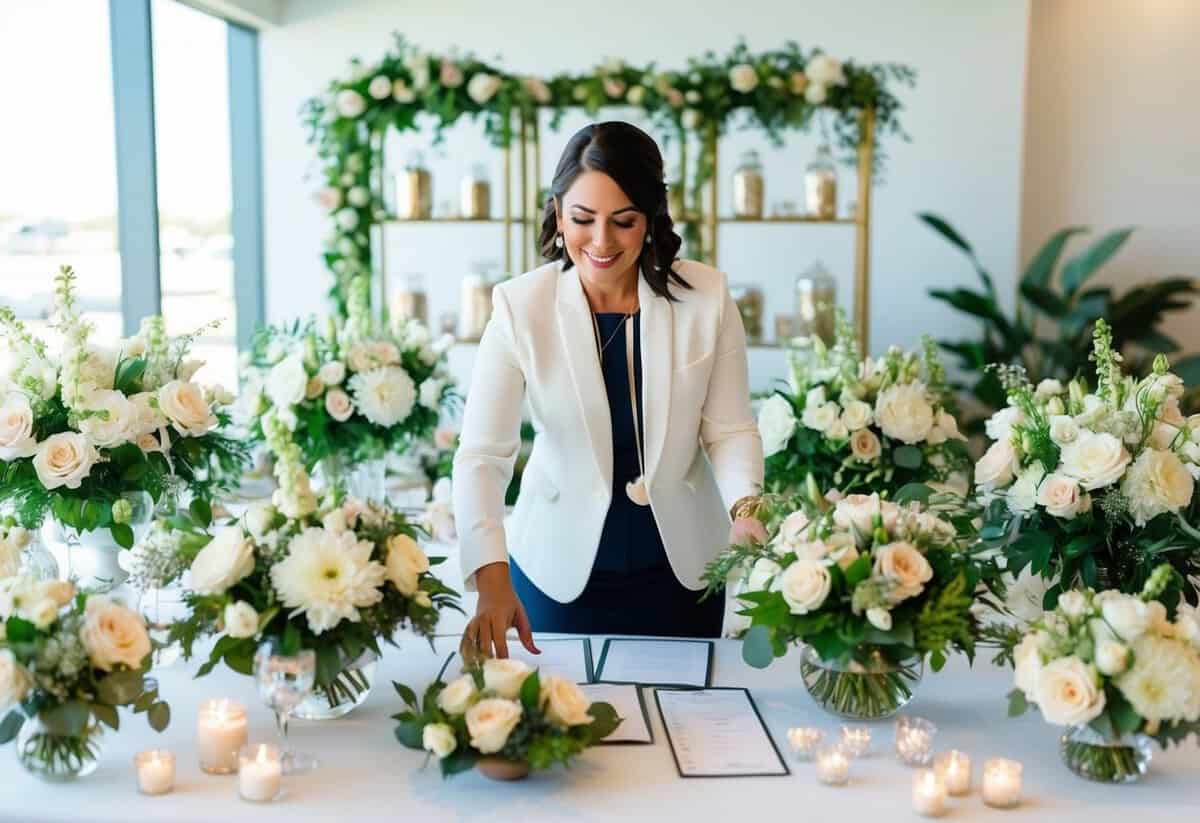
As a wedding planner, you’ll play a vital role in organizing and designing ceremonies and receptions, helping couples navigate their ideas and dreams. The demand for skilled planners remains strong, especially as many people now seek professional help to manage their events.
Staying updated on industry trends and understanding what clients want is crucial for success. With the rise of DIY weddings, adapting your services to meet changing preferences can set you apart. Embracing these changes will not only enhance your skills but also ensure that you remain a sought-after professional in the wedding planning world.
The Role of a Wedding Planner
A wedding planner plays a key role in making your special day smooth and enjoyable. They handle important details and work closely with various vendors, allowing you to focus on celebrating. Here are some of the essential duties and skills that define this exciting profession.
Essential Job Duties
Your wedding planner manages many tasks to help bring your vision to life. One crucial duty is conducting initial consultations. During these meetings, the planner learns about your preferences and expectations.
They assist in creating a detailed budget to ensure you stay on track. This includes recommending vendors and services that fit within your financial plan.
Coordinating timelines and schedules is also essential. Your planner organizes all the details, from vendor bookings to the ceremony and reception flows.
On the big day, they ensure everything runs smoothly. This means addressing any issues that may arise, so you can enjoy your celebration without worry.
Skills and Qualifications
To be a successful wedding planner, strong communication skills are vital. You want someone who can clearly convey your ideas to vendors and keep everyone informed.
Organizational skills are also critical. A planner needs to juggle multiple tasks and deadlines effectively. Their ability to keep track of details will prevent any last-minute surprises.
Creativity is another important trait. Wedding planners often come up with unique ideas to make your event special. They understand current trends and can adapt them to fit your style.
Experience in event planning can bolster their qualifications. Many planners have backgrounds in hospitality or customer service, enhancing their ability to meet client needs.
Working with Wedding Vendors
Collaboration with various wedding vendors is a huge part of a planner’s job. Your wedding planner establishes relationships with florists, caterers, photographers, and more.
They recommend trusted vendors based on your preferences and budget. This can save you time and ensure you work with reliable professionals.
Your planner negotiates contracts and manages payments. They ensure that all vendors understand their roles on your wedding day, which helps prevent confusion.
Having a planner who knows the vendor landscape can enhance your experience. They know who to call on for any last-minute needs, allowing for quick resolutions and peace of mind.
The Thrill of Destination Weddings
Destination weddings bring their own unique excitement and challenges. If you’re considering one, a wedding planner can be a vital asset.
They typically have experience in planning events at various locations. This knowledge helps in navigating local laws and customs that may affect your wedding.
Your planner can recommend beautiful venues and local vendors who have proven track records. They often have contacts in other regions, making it easier to find the perfect setting.
With their help, you can focus on the joy and adventure of having a wedding in a dream destination without the stress of planning it alone.
Employment Prospects in Wedding Planning

The wedding planning industry offers exciting opportunities with a positive job outlook and various factors driving demand. Understanding these aspects can help you navigate your career choices in this vibrant field.
Current Job Outlook
The job outlook for wedding planners is quite promising. It is expected to grow by 7.5% from 2022 to 2032. This growth means there will be around 16,200 new positions created in the U.S. alone.
Many couples now prefer hiring professionals to handle the details, allowing them to enjoy their special day. This rising trend boosts the demand for skilled wedding planners.
Additionally, wedding planners can earn a decent salary. The compensation may vary based on experience and location, but many planners find job satisfaction in helping couples create unforgettable experiences.
Factors Influencing Job Growth
Several factors contribute to the optimistic job growth in wedding planning. First, an increase in the number of weddings means more demand for planners. As cultures shift, unique wedding styles and preferences arise.
Second, younger couples tend to be busier than ever, leading them to seek professional help. This makes your role as a planner even more valuable.
Technology also plays a role. Online platforms, like wedding planning apps, make it easier for planners to connect with clients and manage events efficiently.
Lastly, the growing trend of destination weddings opens more opportunities for planners who can specialize in this area.
Financial Considerations for Aspiring Planners

When considering a career as a wedding planner, it’s important to understand potential earnings and the costs of starting your own business. Knowledge of salaries and the investment required will help you make informed decisions.
Understanding Wedding Planner Salary
As a wedding planner, your salary can vary widely based on experience and location. On average, wedding planners earn between $40,000 and $75,000 annually. High-end planners in affluent areas can make significantly more, sometimes exceeding $100,000.
Your income may also include bonuses and commissions from vendors. Wedding planners often charge clients a flat fee or a percentage of the total wedding budget. You can increase your earnings by building a strong reputation and networking within the industry.
Starting a Wedding Planning Business
Starting your own wedding planning business requires careful financial planning. First, estimate initial costs. These can include marketing, insurance, and office supplies. A basic website and social media presence are crucial for attracting clients.
Consider taking a course in hospitality management to boost your knowledge. This background can improve your understanding of vendor relationships and event logistics.
Don’t forget to set aside funds for ongoing expenses like advertising and professional memberships. A well-thought-out budget is essential for long-term success in your wedding planning journey.