
What is the Perfect Day for a Wedding? Factors to Consider for Your Dream Celebration
Choosing the perfect day for your wedding can feel overwhelming, but it doesn’t have to be. Many couples consider factors like the weather, venue availability, and special dates when making this important decision.
The best time to get married is during the spring or fall. These seasons often provide ideal weather and beautiful backdrops for photos.

When thinking about your wedding date, think about what is meaningful to you. It could be a significant anniversary or the birthday of a loved one. Selecting a date that holds personal value can make your special day even more memorable.
Also, consider the practical side. June and September are popular months for weddings due to their pleasant climates. How you feel about crowds and costs can also influence your choice—selecting a date during the off-peak wedding season can save you money and offer you more venue options. Your wedding day should reflect both your style and story, making it a day to remember.
Choosing Your Ideal Wedding Date
Selecting your wedding date is an important step in the planning process. It sets the tone for your celebration and affects many other details, like venue availability and guest attendance. You should consider both the significance of the date and the seasonal weather to find the perfect day.
Significance of Date Selection
The date you choose can carry personal meaning. Many couples select dates based on anniversaries, like when they first met or got engaged. This adds a sentimental touch to your celebration.
You might also want to consider dates that align with family traditions. For example, a wedding on your parents’ anniversary can create a special bond.
Milestone dates are popular too. Consider celebrating a significant anniversary, such as your fifth or tenth year together. This way, you’ll remember your wedding day as a key moment in your relationship.
Considering Seasonal Weather
Seasonal weather plays a big role in your wedding day experience. Some prefer a vibrant spring wedding full of blooming flowers. Others love the warm, cozy feel of a fall day with colorful leaves.
Think about your ideal weather conditions when picking a wedding date. If you want an outdoor venue, make sure to check the climate in your chosen season.
Destination weddings might mean different weather patterns. Research weather trends for your location, especially if you’re planning a beach ceremony.
Don’t forget about weekday weddings. They can offer more flexible booking options and might be less expensive. It’s worth exploring all your options!
Planning the Wedding Day Schedule
A well-planned wedding day schedule is key to a smooth and enjoyable celebration. By organizing important events and allowing extra time, you can reduce stress and enhance the experience for you and your guests.
Creating a Timeline
Start by establishing your ceremony start time. This will anchor your timeline and help you plan everything else. A sample timeline might look like this:
- 9:00 AM – Bridesmaids and bride start getting ready.
- 11:00 AM – Hair and makeup completed.
- 12:00 PM – First look and couple’s portraits.
- 1:00 PM – Guests start arriving at the venue.
- 2:00 PM – Wedding ceremony begins.
Once you have your ceremony and reception events planned, work backward to allocate time for getting ready and traveling between locations.
Break the day into manageable segments to avoid feeling rushed. Use a checklist to ensure all tasks are accounted for and stay focused on your timeline.
Allocating Buffer Time
Buffer time is essential for a relaxed wedding day. Things do not always go as planned, so add extra time to key segments.
For instance, allow for an extra 30 minutes for hair and makeup, just in case things take longer than expected.
During the transition between events, such as after the ceremony or before the reception, include additional time for travel or unexpected delays. This way, you can enjoy moments like your grand exit without feeling rushed.
Selecting the Perfect Venue and Vendors
Choosing the right venue and partnering with trusted vendors can make your wedding day unique and memorable. These decisions will shape the atmosphere and flow of your special day.
Finding the Right Venue
When searching for a wedding venue, consider your vision and style. Start by listing what’s important to you, like capacity, location, and ambiance. Will it be an elegant ballroom, a rustic barn, or a beachside setting?
Visit multiple venues to get a feel for each space. Take notes and photos during your visits. This will help you compare and remember which places stood out. Make sure to check for amenities too, like bathrooms, parking, and accessibility.
Ask about the venue’s policies, such as catering options and setup times. If you’re planning a wedding reception, ensure the venue can accommodate your plans.
Remember to book your venue at least nine to twelve months in advance to secure your desired date.
Partnering with Trusted Vendors
Your vendors will play a crucial role in bringing your wedding to life. Start with a wedding planner who can guide you through the process and help coordinate all the details.
Look for reputable photographers and videographers. Their work will capture the memories you’ll cherish for a lifetime. Don’t forget to review their portfolios to find a style that fits your vision.
For beauty services, hire skilled hair and makeup artists. Schedule trials ahead of time to ensure you’re happy with your look.
Finally, read reviews and ask for recommendations. Partner with vendors who communicate well and share your excitement for your big day. This teamwork will help everything go smoothly and create an unforgettable experience for you and your guests.
Capturing the Day in Detail
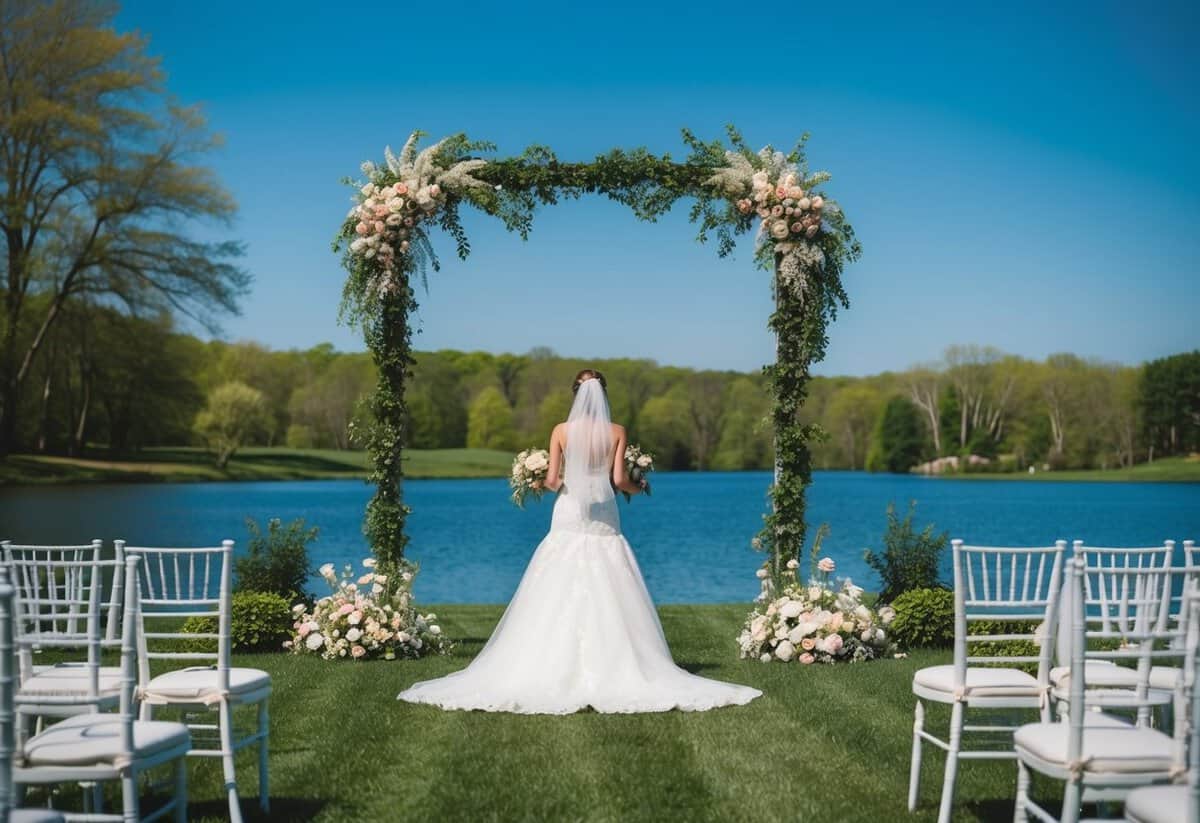
To truly remember your wedding day, capturing every special moment is crucial. Photography will help you relive your favorite memories long after the celebration ends. Key moments and details deserve attention to create a complete story of your day.
Photography Sessions
Start your day with a well-planned photography session to capture essential moments. Pre-wedding photos can set the tone. Consider a fun photo shoot with your bridal party in the bridal suite.
For the “first look,” capture the emotions as you and your partner see each other for the first time. This special moment is often filled with joy and excitement.
Don’t forget to document the wedding party photos and family portraits. Gather your loved ones for posed shots. These images will become treasured keepsakes.
As the sun sets, take the chance for stunning sunset photos. The beautiful lighting can create magical images of you and your partner.
Emphasizing Key Events
During the ceremony, focus on capturing key moments. These moments include the grand entrance and the exchange of vows. Every detail matters.
After the ceremony, the first dance sets a romantic tone. Be sure to have photos of this intimate event. Parent dances add special meaning, so get shots of these heartfelt moments as well.
Don’t miss capturing the toasts, cake cutting, and garter toss. Each event contributes to your wedding narrative.
Finally, remember to include some couple portraits throughout the day. Capture candid and posed moments, especially during reception details. These images keep the spirit of your celebration alive for years to come.