
What is the Perfect Day for a Wedding? Tips for Choosing Your Ideal Date
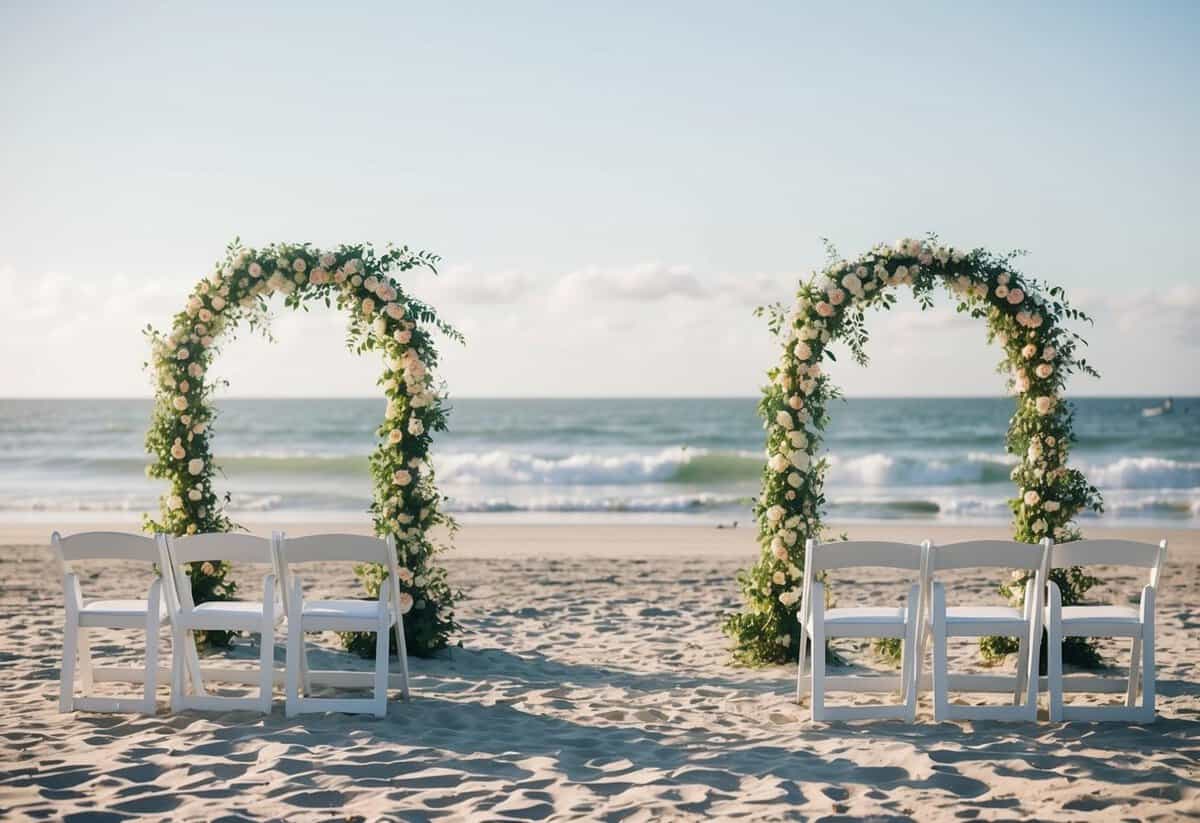
Choosing the perfect day for your wedding can feel overwhelming, but it doesn’t have to be. The perfect day for a wedding often falls in late spring or early fall, when the weather is likely to be comfortable and beautiful. These seasons offer a balance of mild temperatures and stunning natural backdrops, ideal for both outdoor and indoor ceremonies.
Consider significant dates that are meaningful to you and your partner. Incorporating anniversaries, family birthdays, or even your first date can add a personal touch to your special day.
You’ll want to think about the type of atmosphere you desire, whether it’s a sunny garden or a cozy indoor space during the chilly months.
The right date can also influence your venue choices and guest availability. Research potential wedding dates that work well for your schedule and the people you want to celebrate with. By blending the best time of year with personal significance, you can create a magical day that reflects your love story beautifully.
Choosing Your Wedding Date
Finding the right date for your wedding is crucial. It affects everything from your venue availability to your guests’ ability to attend.
Consideration of the season and whether you want a weekday wedding can make a big difference in your planning.
Considering the Season
The season you choose for your wedding can set the tone for the entire day. Different seasons bring unique vibes and weather conditions.
- Spring: Fresh blooms and mild weather create a romantic atmosphere.
- Summer: Ideal for outdoor ceremonies, but be mindful of heat.
- Fall: Rich colors and crisp air make it the most popular time for weddings.
- Winter: Perfect for a cozy feel, but snowy conditions might affect travel.
Consider any local events that could coincide with your date. A beautiful spring day might become crowded with graduations or festivals. Popular seasons may also result in higher venue costs. Carefully evaluate your preferences and budget before making a decision.
Weighing the Pros and Cons of Weekday Weddings
Weekday weddings can offer unique advantages, but also some challenges. Here’s what you might consider:
Pros:
- Cost-Efficiency: Many venues and vendors offer lower rates for weekdays.
- Availability: You might snag a popular location that’s fully booked on weekends.
Cons:
- Guest Attendance: Many guests may have work commitments, potentially affecting your attendance numbers.
- Travel Issues: If you have friends or family traveling, weekday events can complicate travel plans.
When planning your wedding timeline, think about how a weekday wedding fits into your vision. It could work well for a destination wedding where guests expect a longer stay. Balancing these factors will help you make a thoughtful choice.
Planning Your Wedding Day Schedule
Creating a schedule for your wedding day is crucial for a smooth experience. Your timeline should carefully account for each event, from getting ready to the reception. This ensures everything flows nicely and allows time for unexpected delays.
Creating a Detailed Timeline
Start with a simple sample timeline to map out your day. Break it down into key segments: getting ready, the ceremony, cocktail hour, and reception.
For example, if your ceremony starts at 3 p.m., plan your first look session earlier, ensuring enough time for hair, makeup, and photos.
Consider including specific time slots for each activity. You might allocate 30 minutes for the first look, followed by one hour for family photos.
After the ceremony, leave at least 30 minutes for cocktails. This creates a buffer for potential delays, while your guests mingle and enjoy drinks.
Incorporating Buffer Time for Unforeseen Delays
Buffer time is essential. Life can be unpredictable, especially on your wedding day.
Aim to schedule at least 15 to 30 minutes of extra time between activities.
For instance, if you expect your ceremony to take one hour, plan for 1 hour and 15 minutes instead. This keeps stress levels low, allowing you to relax and enjoy your big day.
Be sure to share your timeline with your wedding planner and vendors. They can help keep everything on track, ensuring your ceremony time, cocktail hour, and reception stay on schedule. This way, you can focus on celebrating your love without worrying about the clock.
Capturing the Day: Photography and Videography
Making sure your wedding day is captured perfectly is essential. This involves organizing family and wedding party photos and selecting key moments for the videographer to focus on. Each element plays a significant role in preserving your memories.
Organizing Family and Wedding Party Photos
Start by creating a list of family members and friends you want in the photos. This helps ensure no one gets left out.
You can group them into categories like immediate family, extended family, and wedding party.
Communicate with your photographer about this list ahead of time. They can advise on the best locations and times for these shots.
Include some fun or candid moments, such as silly poses or heartfelt laughter.
Consider doing a few pre-wedding photos with loved ones during the cocktail hour. These intimate moments add variety and joy to your collection.
Selecting Key Moments for the Videographer
Talk to your videographer about important moments you want captured.
The first dance is a must-have, as it’s a significant highlight of the day.
Detail shots also matter. These include close-ups of rings, flowers, and decorations. They tell the story of your day through visuals.
Don’t forget about the ceremony’s emotions. Capture the vows, the reactions of family and friends, and any intimate moments during the event.
Providing a list of must-have shots helps your videographer focus on what matters most to you.
By planning these details, you ensure that the essence of your wedding is beautifully preserved.
Designing Your Reception Experience
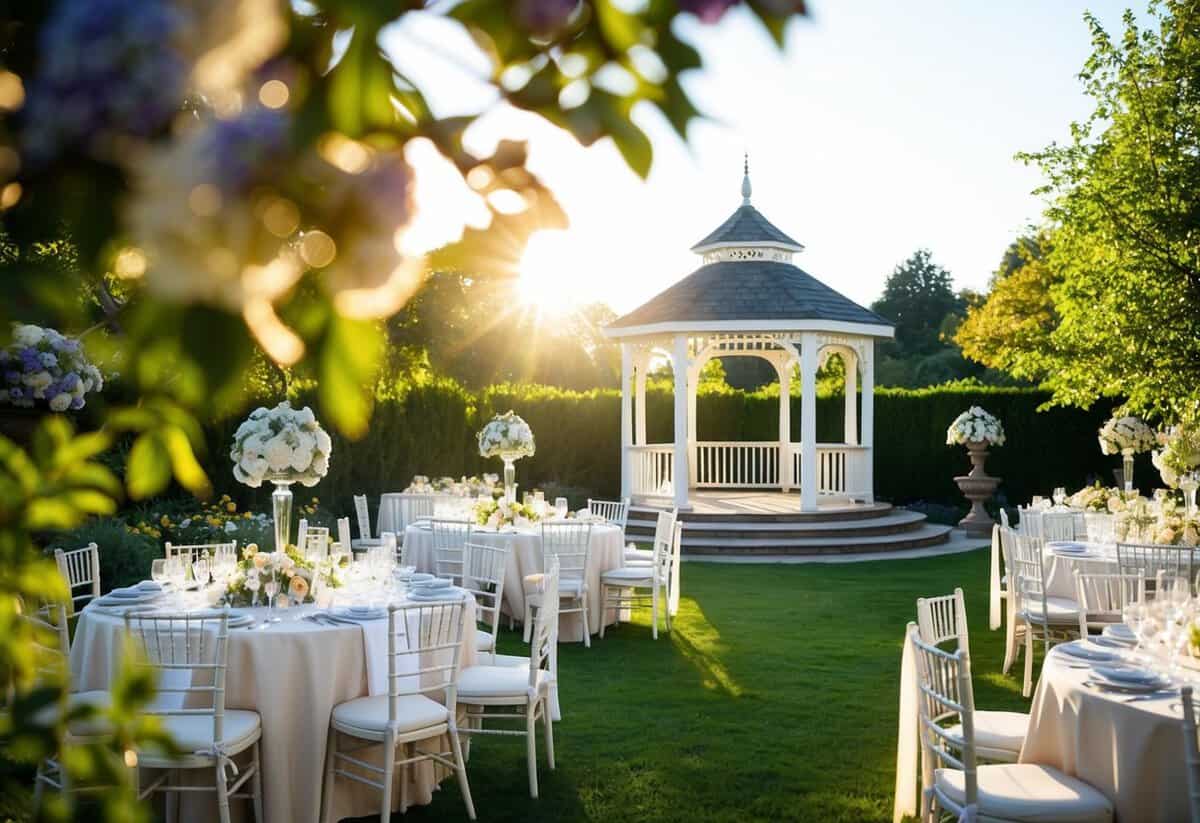
Creating a memorable reception experience is key to celebrating your big day. It involves careful planning of events and personal touches that reflect your style. By focusing on these details, you can ensure your celebration is engaging and enjoyable for everyone.
Scheduling Key Events
To keep your reception flowing smoothly, scheduling key events is essential.
Begin with a grand entrance where you and your bridal party can make a memorable first impression.
Following that, consider the timing of the first dance, which is a special moment that sets the mood.
Next comes the parent dances. The mother-son dance and father-daughter dance provide emotional highlights, so plan these early in the evening.
After that, incorporate fun elements like toasts and the cake cutting.
This can be followed by lively moments like the garter toss and dancing, which keeps the energy up throughout the night.
Creating a detailed wedding reception timeline helps everyone know what to expect. Make sure to communicate this with your bridal party and vendors to ensure a seamless experience.
Personalizing Reception Decor and Details
Your reception decor speaks volumes about your personality and style. Focus on a cohesive theme by choosing a color scheme that resonates with you.
Floral arrangements, table settings, and lighting contribute to the atmosphere. Consider incorporating your bridal bouquet as a centerpiece.
Adding personal touches, like custom signage or photo displays, can make your event feel unique. You might include elements that highlight your journey together, such as photos or quotes.
Don’t forget the small details that enhance the guest experience. Well-placed seating cards help guests find their spots, while favors add a memorable touch.
Enrich the ambiance with thoughtful choices, like fun music and inviting dance floors. Making these choices helps your wedding reception reflect your personal style and creates a warm, enjoyable setting for all.