
What is the Perfect Day for a Wedding? Tips for Choosing Your Ideal Date
Choosing the perfect day for your wedding can feel overwhelming, but it doesn’t have to be. The best wedding days are often those that align with personal significance, such as anniversaries or family birthdays. You should also consider seasonal weather and venue availability. It’s not just about the date; it’s about what the day represents for you and your partner.
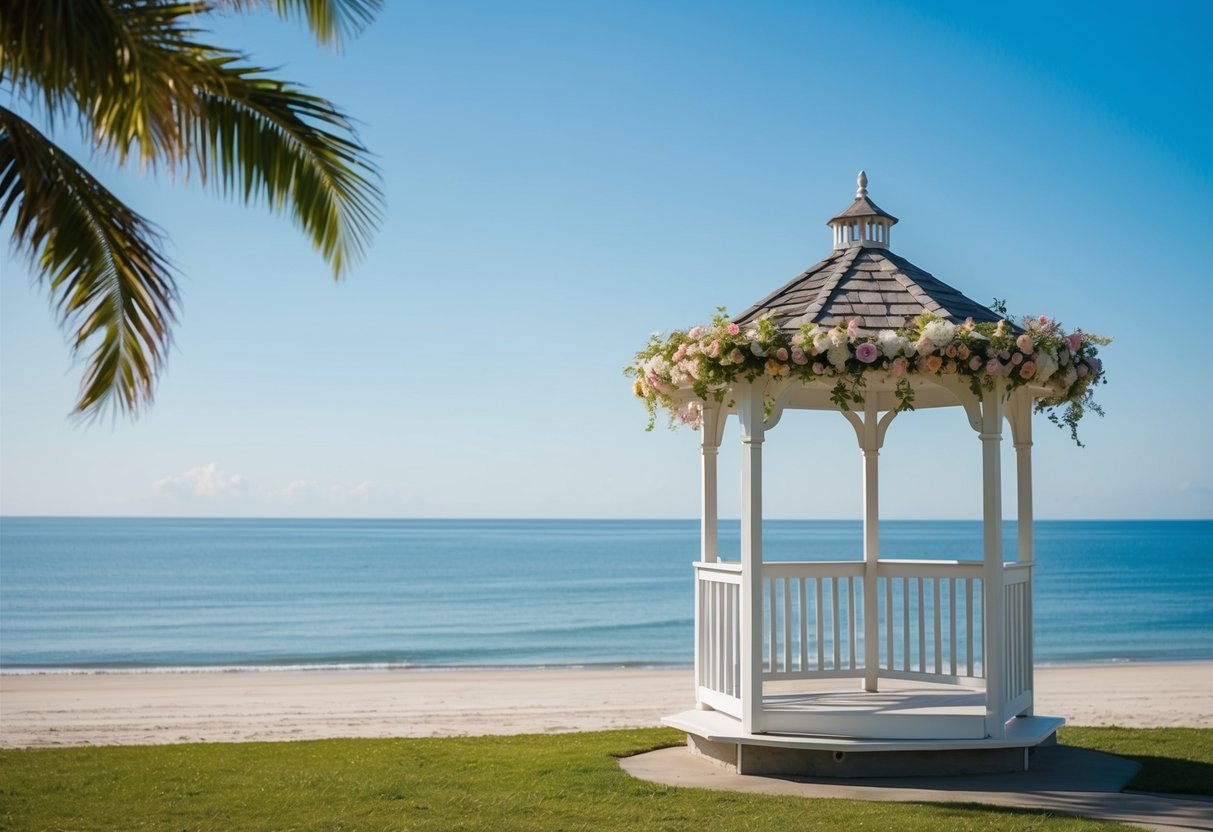
Consider the type of atmosphere you want for your celebration. For example, if you dream of a bright outdoor wedding, summer might be ideal, while a cozy indoor ceremony may fit better in the fall or winter. Looking into local events or holidays can also ensure your special day doesn’t clash with other commitments.
By keeping your priorities straight, you can find a date that feels right for you both. Whether it’s a sunny Saturday in June or a snowy evening in December, what’s most important is that the day feels personal and memorable.
Selecting Your Wedding Date
Choosing the right wedding date involves careful thought about the season, weather, and your personal preferences. You’ll want a date that suits your style and allows for comfortable planning.
Considering Season and Weather
The season can greatly impact your wedding experience. If you love the warmth, a summer wedding might be perfect, but do consider the heat and humidity. You could also choose a spring wedding with blooming flowers or a cozy fall wedding featuring rich colors and moderate temperatures.
Rainy seasons may affect your outdoor plans, so check local climate trends before deciding. For example, October is popular for weddings because of its pleasant weather in many areas. Think about what kind of atmosphere you want, and choose a season that enhances that!
Importance of Picking a Wedding Date
Your wedding date holds significance for both of you. It could mark an anniversary, a special moment, or simply be a date that feels right. Weighing these meaningful aspects helps create lasting memories.
Consider the availability of important guests, such as close family and friends. You want them there to celebrate with you.
Additionally, think about how holidays might intersect with your wedding date. You may want a date far from busy holiday seasons to avoid conflicts and make travel easier for your guests.
Weekday Versus Weekend Weddings
Choosing between a weekday or weekend wedding can affect both cost and guest attendance. Weekend weddings are traditional and often more convenient for guests.
However, weekday weddings can offer significant savings on venue and vendor costs since they are less popular.
If you pick a weekday, provide ample notice to guests. Consider offering incentives like brunch the next morning or travel accommodations. Make it an enjoyable experience for everyone involved, so they feel appreciated for attending!
Destination Wedding Considerations
A destination wedding can add adventure and excitement to your special day. This option may come with its own set of challenges. Guests will need to travel and possibly take time off work.
When picking a wedding date for a destination wedding, think about peak tourist seasons. Off-peak times can mean lower prices and fewer crowds.
Also, consider local weather patterns. Ensure your chosen date aligns with the climate you desire. Most importantly, communicate your plans clearly with guests so they can adjust their schedules to join you in your chosen location.
Planning Your Wedding Day Schedule
Creating a structured wedding day schedule is vital for a smooth and enjoyable celebration. Your timeline will help everyone stay on track and ensure you don’t miss any important moments. Here’s how to design an effective schedule for your big day.
Crafting Your Wedding Day Timeline
Start with a detailed wedding day timeline that maps out each part of your day. Begin with your getting ready time. This is when hair and makeup take place. Include the ceremony start time, reception details, and key moments like the first look.
A typical wedding day schedule might look like this:
- 8:00 AM: Bride and bridesmaids start hair and makeup
- 10:30 AM: Groom and groomsmen begin getting ready
- 1:00 PM: Pre-wedding photos
- 2:30 PM: First look photos
- 3:30 PM: Travel to ceremony venue
- 4:00 PM: Ceremony starts
- 5:00 PM: Cocktail hour
Each part of your timeline should include specific times and be well communicated with your wedding party and vendors.
Allocating Time for Wedding Party Photos
When you plan your wedding day, don’t forget to allocate time for wedding party photos. It’s important to keep this part of the day seamless and enjoyable.
Set aside about 30 to 60 minutes for group photos after the ceremony.
Consider coordinating with your photographer in advance. Share a list of must-have group shots. This helps ensure no one gets missed, and it keeps the process quick. You can also plan for some fun, candid moments that reflect your personalities.
If you have a large wedding party, factor in a little extra time. This will prevent the photo session from feeling rushed.
Incorporating Buffer Time
Buffer time is a key element in any successful wedding day schedule. Things don’t always go as planned. Maybe your hair appointment runs late, or traffic delays your arrival. Adding buffer time makes your day less stressful.
For instance, if your ceremony starts at 4:00 PM, aim to arrive by 3:30 PM. This gives you 30 minutes to handle any unexpected delays. Plan for buffer time between major events. It’s better to have extra minutes rather than feel rushed.
Think of buffer time as your safety net. It helps ensure that you can relax and enjoy each moment without a clock hanging over your head.
Sunset Photos and Intimate Moments
Don’t forget to plan for sunset photos and intimate moments with your partner. These photos can be some of the most beautiful of your day.
Check the sunset time for your wedding date in advance. Schedule this part of your timeline about 30 to 45 minutes before sunset.
This time can be intimate as you share quiet moments together, away from the festivities. It allows for genuine emotions to shine in your photos.
Make sure to communicate this plan with your photographer. Having this time dedicated will help ensure that you capture those breathtaking sunset shots. Plus, this will give you a moment to soak in the significance of your day before heading back to the celebration.
Key Wedding Events and Traditions
Weddings are filled with special moments and traditions that create lasting memories. Each event plays an important role in the celebration, from the intimate first look to the lively reception activities. Here’s a look at some key wedding events you might consider for your perfect day.
The Significance of the First Look
The first look is a modern twist on tradition. This moment occurs when you and your partner see each other before the ceremony. It allows for a private exchange of emotions away from guests.
This intimate moment creates time to connect and calm any nerves. Many couples find this enhances their experience. You can capture the moment with beautiful photos, making it a cherished memory for years to come.
Exchanging Vows and Ceremony Details
Your wedding ceremony is the heart of the day. This is when you exchange vows, promising to support and love each other. You can personalize your vows to reflect your unique relationship.
Choosing the right venue adds to the magic. Whether indoors or outdoors, the setting should match your style. Include details like unity rituals, readings, or musical elements to make the ceremony special.
Cocktail Hour and Reception Activities
After the ceremony, guests look forward to the cocktail hour. This is a time for mingling and enjoying drinks and appetizers. You can set up games or seating areas to encourage interaction.
Once the reception begins, the grand entrance sets the tone. Guests cheer as you and your partner make your arrival.
Typical reception activities include the first dance, toasts, and cake cutting. Each event adds a layer of joy to your celebration.
Incorporating Family Traditions in Your Reception
Family traditions can add deeper meaning to your wedding. Many couples include special dances, like the mother-son and father-daughter dances. These moments showcase the love and support from your family.
You might also consider a garter toss, which can be a fun way to engage your guests. Incorporating a bridal bouquet toss is another way to involve friends. Prioritizing these meaningful customs helps you celebrate your heritage while making new memories together.
Working With Wedding Vendors
Working with the right wedding vendors is crucial for making your special day run smoothly. From photographers to makeup artists, each choice can affect how your day unfolds and is remembered.
Choosing The Right Photographers and Videographers
Selecting the right photographers and videographers is essential for capturing every moment.
Look for professionals who share your vision and style. Research their portfolios to see if they focus on the detail shots you love, such as family portraits and couple portraits.
Schedule meetings to discuss your wedding day timeline and any specific moments you want to capture, including your grand exit.
Make sure to ask about their experience with wedding receptions to ensure they know how to handle the flow of the event.
Don’t forget to discuss packages, as many vendors offer various options that include everything from pre-wedding shoots to post-production services. Building a good rapport with them will make you feel more at ease on your big day.
Hair and Makeup for the Bridal Party
Choosing the right hair and makeup artist is important for enhancing the beauty of you and your bridal party.
Schedule trials well in advance so you can decide what looks best. This will save you stress on the wedding day.
Communicate your preferred styles and colors to the makeup artist. Consider the bridal suite layout when planning the schedule. Having enough space and good lighting will help everyone feel relaxed.
It’s a good idea to involve your bridal party in these choices. Get their input on what styles they prefer. This way, everyone will feel confident and beautiful while celebrating with you.
Collaborating with a Wedding Planner
A wedding planner can be a game-changer for your big day. They help coordinate between various vendors, ensuring everyone is on the same page. This is especially helpful when creating a detailed wedding reception timeline.
Make sure to share your vision with your planner. This includes your color schemes, themes, and specific traditions you want to include.
They have relationships with reliable vendors, making it easier for you to find the best fit for your needs.
Regular check-ins are vital to keep everything on track. Discuss any changes to your plans as they arise, so your planner can adjust schedules and commitments accordingly.
Creating a Memorable Reception with the Right Vendors
Your wedding reception is where you’ll celebrate with family and friends. Choosing the right vendors is key to making it unforgettable.
Start with a caterer who understands your tastes and dietary needs.
Consider entertainment options too. A good DJ or live band can set the mood.
Don’t forget to ask for recommendations from your planner. They can connect you with trusted vendors who have worked at similar events.
Make sure your vendors know the order of events for the night. This includes speeches, dances, and the cake cutting.
Clear communication leads to a seamless experience for you and your guests.