
What is the Process of Event Planning? A Simple Guide to Getting Started
Event planning is an exciting journey that transforms your ideas into a successful event. The process involves several key steps. These steps include setting clear event goals, organizing your team, and managing details to ensure everything runs smoothly. Whether you are planning a small gathering or a large conference, each step is important in bringing your vision to life.
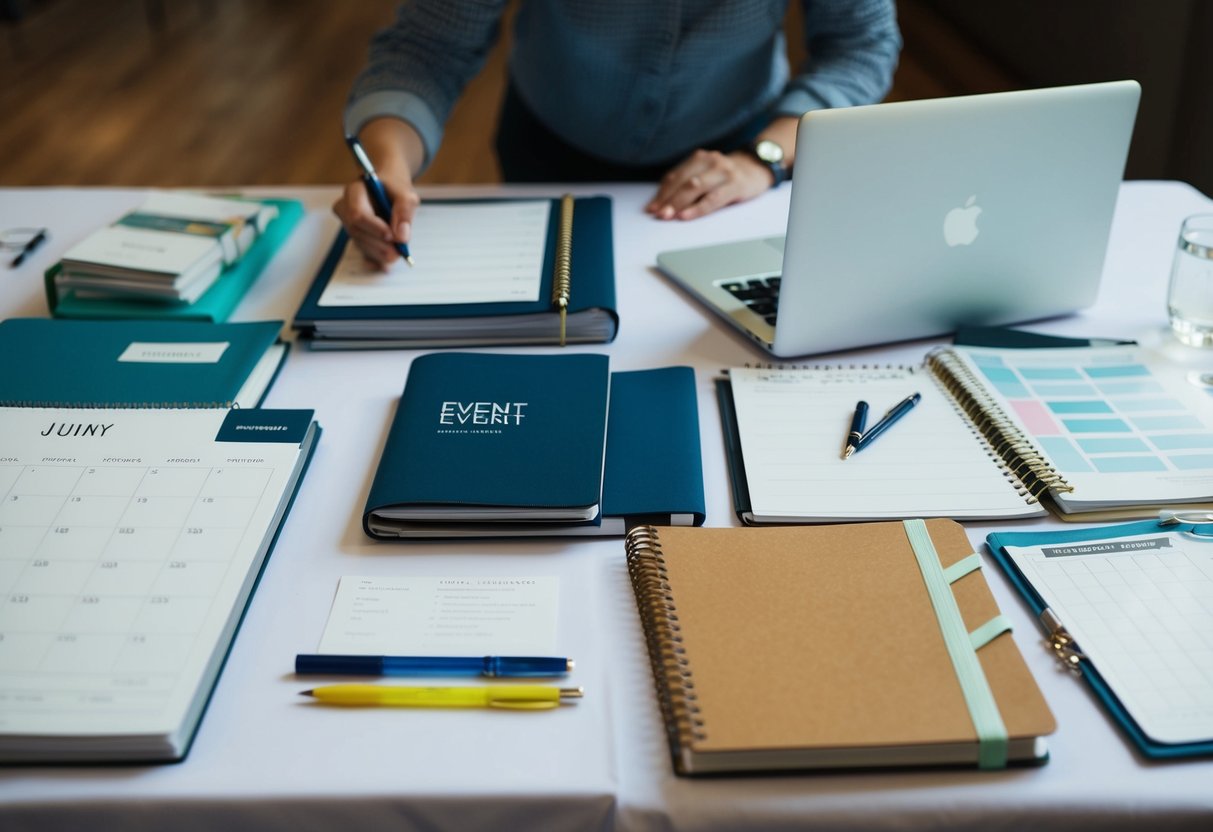
As you start planning your event, think about what you hope to achieve. Defining your event goals will guide your decisions and help you stay focused. From budgeting to logistics, every part of the process works together to create an experience that your attendees will remember.
With the right approach, you can turn your event into a memorable celebration. Taking the time to understand the planning process will pave the way for success and make your event truly special.
Setting Goals and Objectives

When planning an event, having clear goals and objectives is essential. These serve as your roadmap, guiding decisions and actions throughout the planning process. By establishing specific targets, you can measure success and keep your team aligned.
Identifying Event Purpose
Start by defining the main purpose of your event. Ask yourself: What do you want to achieve? Common purposes include raising awareness, educating participants, or networking. Write down your primary goal so you can refer to it during planning.
Consider the audience. Tailor your goals to what they would find valuable. For example, if you’re hosting a workshop, your goal might be to enhance attendees’ skills. This clarity helps keep your planning focused and relevant.
Defining Success Metrics
Once you’ve identified your goals, it’s time to set clear success metrics. These are specific and measurable standards to gauge whether you’ve met your objectives. Think about key performance indicators (KPIs), like attendance numbers and participant engagement levels.
For instance, if your goal is to increase attendance, a KPI could be having 200 participants. Alternatively, if you aim to foster networking, measure the number of connections made during the event. By tracking these metrics, you can evaluate the event’s success and gather insights for future events.
Developing the Event Plan
Creating a detailed event plan is essential for a successful event. It involves setting a timeline, managing the budget, and selecting the right venue and vendors. Each step plays a critical role in ensuring everything runs smoothly.
Creating a Project Timeline
A project timeline helps you organize tasks and keep everything on track. Start by listing all key activities, such as booking the venue and confirming vendors. Use a simple event planning template to visualize your steps.
Break down tasks into smaller actions and assign deadlines. This makes it easier for you to manage your time effectively. Consider using tools like calendars or project management software to help you stay organized.
Regularly review your timeline and adjust as needed. Keeping flexibility in your schedule can help you handle any unexpected changes.
Budget Management
Budgeting is crucial for controlling potential expenses. Start by listing all expected costs, such as venue fees, catering, and equipment rentals. Be realistic about what you can spend and create an event budget that includes a buffer for surprises.
Make sure to categorize your expenses into fixed and variable costs. Fixed costs remain the same, while variable costs can change depending on choices you make. Track your spending closely to avoid going over budget.
Using a spreadsheet can help you easily manage and visualize your financial planning. Regularly update it to reflect any changes or new expenses.
Venue and Vendor Selection
Choosing the right venue and vendors is vital for achieving your event goals. Start by determining your venue requirements, like capacity and location. Look for a venue that aligns with your event’s theme and is accessible for guests.
Next, consider potential vendors and suppliers for catering, decoration, and technology. Research their reputation and read reviews. Don’t hesitate to ask for references.
Once you have a list, compare quotes and services. This can help ensure you get the best value without sacrificing quality. Schedule meetings or tastings with selected vendors to see who aligns best with your vision.
Promotion and Engagement

Successful promotion and engagement are key for attracting attendees to your event. This involves strategic marketing, forming partnerships, and creating a smooth registration process. Each component plays a vital role in ensuring your event reaches its audience effectively.
Marketing Strategy and Materials
A strong marketing strategy sets the foundation for your event’s success. Begin by identifying your target audience and crafting tailored messages that resonate with them.
Materials such as flyers, social media posts, and email campaigns are essential. Use eye-catching graphics and clear calls to action. Consider digital marketing tools for broader reach and engagement.
Leverage social media platforms to create buzz. Regular updates and interactive content can help maintain interest. Incorporate marketing software to track effectiveness and adjust strategies as needed.
Sponsorship and Partnerships
Forming sponsorships can enhance your event’s visibility and credibility. Seek out businesses that align with your event’s goals. A good fit can mean financial support and added exposure.
Partnerships can also provide mutual benefits. Collaborate with local organizations and influencers to extend your reach. Joint promotions can lead to more ticket sales and better overall engagement.
Ensure sponsors are recognized throughout your marketing materials. Highlight their contributions in your promotions and during the event. This builds goodwill and may encourage future collaborations.
Attendee Registration and Engagement
The registration process should be straightforward. Use event management software to streamline ticket sales and track attendee data. This helps you focus on engagement strategies.
Offer incentives such as early bird pricing or group discounts to encourage sign-ups. Use email reminders to keep attendees informed and excited.
Once registered, engage attendees before the event. Share updates, sneak peeks of speakers, and interactive content on social media. Encouraging dialogue can increase interest and anticipation.
During the event, use polls or Q&A sessions to maintain engagement. Provide opportunities for networking, which can enhance the attendee experience.
Execution and Follow-Up

As you move into the execution phase, it’s crucial to ensure everything runs smoothly and attendees have a memorable experience. Following the event, gathering feedback is essential for future improvements.
On-Site Logistics and Management
Your success on the event day heavily depends on effective on-site logistics. As an event manager, you need to coordinate staff, equipment, and schedules.
Key logistics to manage:
- Setup: Ensure everything is set up well before attendees arrive.
- Staff Briefing: Hold a quick meeting with your event staff to clarify their roles.
- Communication Tools: Use walkie-talkies or apps to facilitate communication during the event.
Maintaining adaptability is also important. If unexpected challenges arise, remain calm and address them swiftly. Your ability to manage these logistics will significantly impact the attendee experience.
Providing a Memorable Attendee Experience
Creating a memorable experience goes beyond just logistics; it’s about engagement. Focus on customer service throughout the event.
Here are a few ways to enhance the attendee experience:
- Welcome Team: Have a friendly team to greet attendees at the entrance.
- Interactive Elements: Include activities or photo booths that encourage participation.
- Feedback Stations: Set up a place where attendees can share their thoughts during the event.
Conducting Post-Event Analysis
After the event, you need to conduct a post-event review to understand its success. This evaluation helps you gather actionable insights for future events.
Consider these steps:
-
Surveys: Send out a survey to attendees asking for their feedback.
-
Team Debrief: Meet with your event staff to discuss what worked and what didn’t.
-
Analysis of Data: Look at attendance numbers and budget outcomes.
Document these insights for reference in future planning. This will help refine your processes and ensure each event is better than the last.