
What is the Proper Etiquette for Table Seating? A Quick Guide to Dining Harmony
Knowing how to navigate table seating can make a big difference during a meal. Proper etiquette helps create a delightful atmosphere and ensures that everyone feels comfortable. The host usually determines the arrangements, guiding guests to their designated spots to promote conversation and enjoyment.
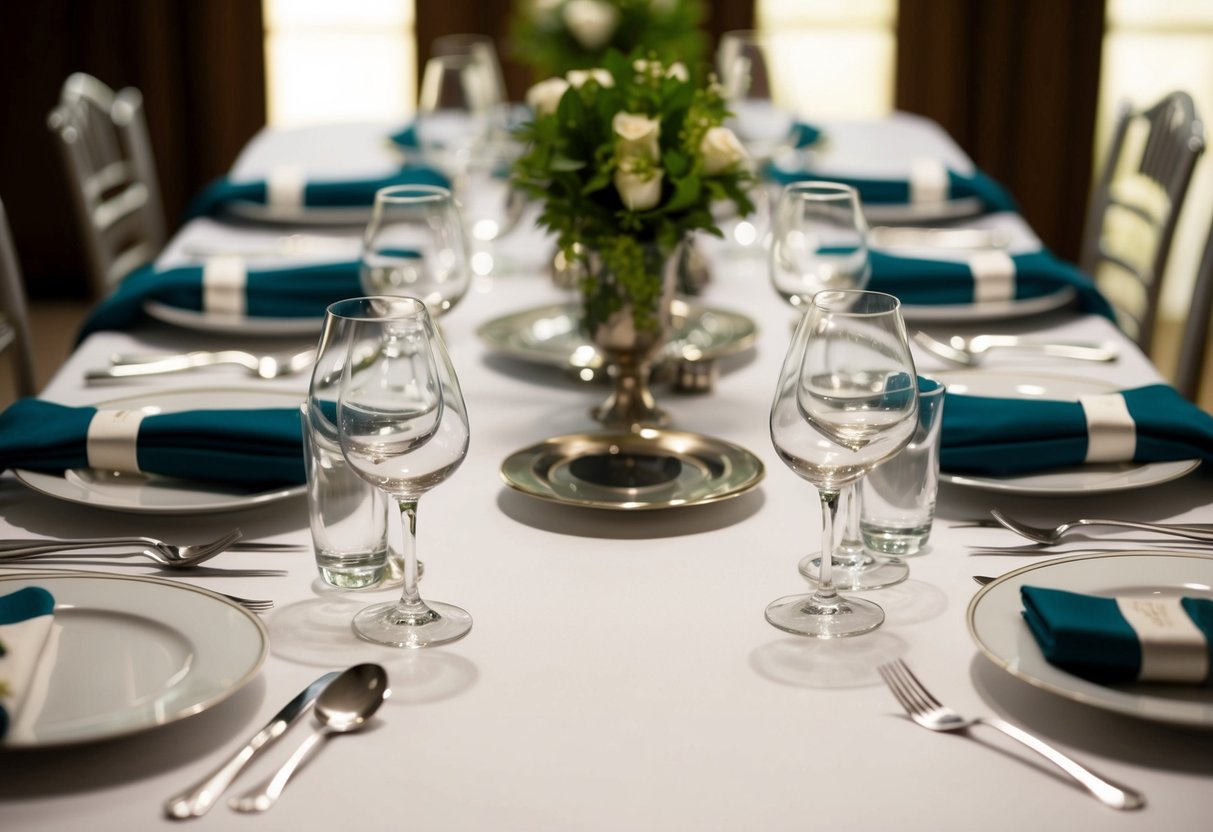
Understanding where and how to sit is important, whether you are dining at home or in a restaurant. You should pay attention to place cards and the placement of the guest of honor, as these details reflect thoughtfulness and respect for your fellow diners. Following these simple rules can enhance your dining experience and leave a positive impression on those around you.
Being aware of seating etiquette also helps you handle situations like late arrivals or needing to excuse yourself from the table. These small gestures contribute to a more enjoyable meal for everyone, allowing you to focus on the company and conversation.
Understanding Seating Etiquette
Seating etiquette is important for creating a welcoming atmosphere at events. Knowing how to arrange seating based on the occasion and guests enhances your dining experience. Let’s explore key aspects of seating etiquette.
Determining the Occasion
The first step in seating etiquette is to recognize the type of event you are hosting. A formal dinner has different rules than a casual dinner. For a formal meal, you should ensure guests are seated in a way that reflects their status, like placing the guest of honor at the most prominent seat.
In more relaxed settings, such as a casual meal, you can opt for free seating. This encourages conversations and a friendly vibe. Be aware of cultural differences as well; some cultures may have specific traditions regarding seating arrangements that you should respect.
Seating Arrangements
Seating arrangements can vary widely depending on the type of event. For formal dinners, the typical arrangement is to have the host seated opposite the guest of honor. The seating can alternate between genders if appropriate.
In business dining, it’s often best to seat higher-ranking guests closer to you while allowing junior employees some distance. For informal meals, think about comfort and connection. A relaxed arrangement, like a round table, promotes a friendly atmosphere by allowing everyone to engage easily.
Place Cards: A Guide
Using place cards can help guide guests to their assigned seats. This adds structure to formal meals and reflects thoughtfulness. Place cards should be clear and easy to read.
For casual gatherings, you may opt not to use them. However, using cards can still help if you have many guests or if you want to facilitate introductions. Ensure they include the guest’s name and perhaps their title if it’s a business event, helping everyone feel included and valued.
Mastering Table Settings
When you’re setting the table, it’s important to consider the layout, glassware, and utensils. Each part plays a crucial role in creating a welcoming dining experience. Here are the key components to help you master table settings.
Table Setting Layout
To start, a proper table setting includes the basics like a tablecloth, plates, and silverware. You typically want to place the dinner plate in the center of each setting. Then, position the salad fork to the left of the plate and the dinner fork next to it. On the right side, place the knife and the soup spoon.
If you’re hosting a formal dinner, consider using a charger plate underneath the dinner plate for a classy touch. For beverages, a water glass should be above the knife, with the wine glass slightly to its right. This layout is both functional and aesthetically pleasing.
Glassware Essentials
Glassware is another important part of your table setting. For most meals, you’ll want at least a water glass and a wine glass. The water glass is your go-to for hydration. It should always be filled to about three-quarters full.
The wine glass, positioned slightly to the right of the water glass, differs depending on the type of wine served. A red wine glass is typically larger to enhance flavors, while a white wine glass is more tapered. If you are serving cocktails, include a cocktail glass on the table as well.
Understanding Utensils
Knowing how to set and use utensils can elevate your dining experience. In general, you should start from the outside and work your way inward with each course. For example, you would typically use the salad fork first, followed by the dinner fork.
In American style dining, you’ll switch hands with your knife and fork, while in Continental style, you’ll keep the fork in your left hand and knife in your right. Don’t forget the dessert fork, which can rest above the dinner plate or be brought out when dessert is served.
Keeping these details in mind ensures a polished and enjoyable atmosphere for your guests.
Etiquette During the Meal
Table etiquette during the meal involves using your utensils correctly, engaging in polite conversation, and understanding the flow of the meal. Each of these aspects helps create a pleasant dining experience for you and your guests.
Proper Use of Utensils
Using utensils correctly is key to good dining etiquette. Start with the outermost utensils and work inwards with each course. For instance, use the soup spoon on the right for soup.
When lifting food, do it gently and without making noise. Avoid pointing or gesturing with your utensils, as this can seem rude. After finishing a course, place your utensils on your plate to signal you are done.
Never use your fingers for food that requires utensils, unless it is specifically meant to be eaten that way. This shows good table manners and respect for your dining companions.
Engaging in Polite Conversation
Polite conversation is essential during a meal. It creates a friendly atmosphere and helps everyone feel comfortable. Start with light topics, like recent movies or hobbies. Avoid controversial subjects, as these can lead to discomfort.
Listen actively to others and respond thoughtfully. This shows you value their opinions and fosters a positive impression. Avoid interrupting when someone else is speaking, as it demonstrates respect.
Remember to balance speaking and listening. This creates a back-and-forth dynamic that keeps the conversation flowing. Good manners during conversation can enhance the enjoyment of the meal.
The Art of the Meal’s Progression
Understanding the meal’s progression is important for good manners at the table. Pay attention to the timing of each course. Wait for everyone to be served before starting to eat. This shows consideration for others.
As the meal progresses, follow the cues of your host. If they are finished, it may be time for dessert. If you’re at a formal meal, be aware that the host may signal when it’s time to move on to the next course.
Additionally, don’t rush through your meal. Eat at a relaxed pace to enjoy the food and conversation. This approach not only enhances your dining experience but also reflects proper table manners and dining etiquette.
Post-Dining Etiquette
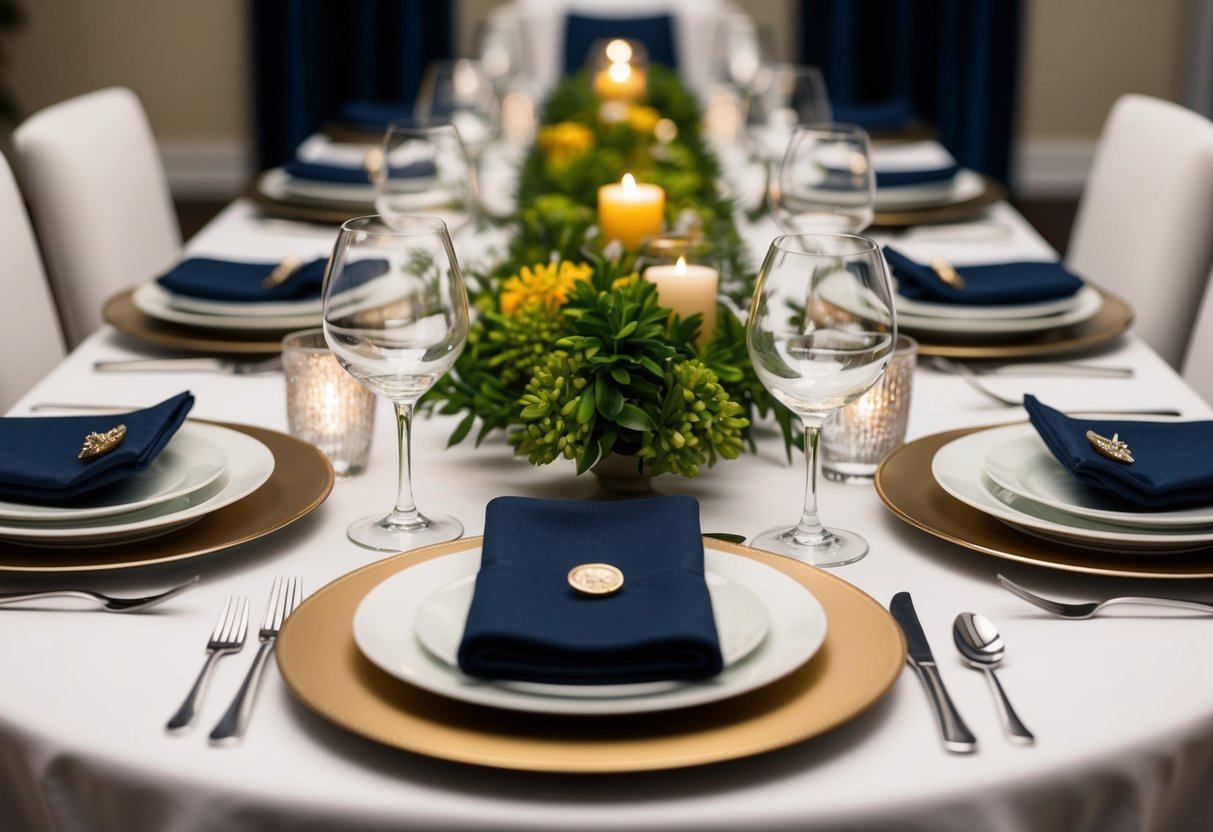
After enjoying a meal, it’s important to follow certain etiquette practices that show appreciation and maintain the pleasant atmosphere created during dining. This includes expressing gratitude to your host and managing conversations that may arise once the meal concludes.
Gratitude and Hostess Gifts
A simple “thank you” can go a long way. Show your appreciation to your host for their time and effort in preparing the meal. You might also consider bringing a hostess gift. This could be flowers, a nice bottle of wine, or a homemade treat.
When choosing a gift, keep in mind your host’s preferences. A thoughtful gift reflects your manners and can enhance your dining experience. If you received a special meal or enjoyed a great time, mention specific details to your host. This personal touch shows genuine gratitude.
Handling Post-Meal Conversations
Engaging in conversation after a meal is common and can be enjoyable.
Focus on light, friendly topics that keep the atmosphere positive. Ask your host about their thoughts on the meal or any interesting events.
If you’re dining in a restaurant, remember to respect those around you. Avoid loud discussions and keep your tone friendly but calm.
If the meal included various courses, sharing your favorites can also spark good conversation.
Being polite and attentive will leave a lasting impression.
Good dining manners extend beyond the table, contributing to a warm and friendly ambiance.