
What is the Proper Seating Arrangement? Tips for Comfortable and Effective Gatherings
Choosing the right seating arrangement can greatly influence the success of your event. A proper seating arrangement promotes interaction and comfort, ensuring that attendees have a positive experience.
Whether you are organizing a meeting, a wedding, or a conference, understanding the different types of seating arrangements will help you make the best choice for your guests.
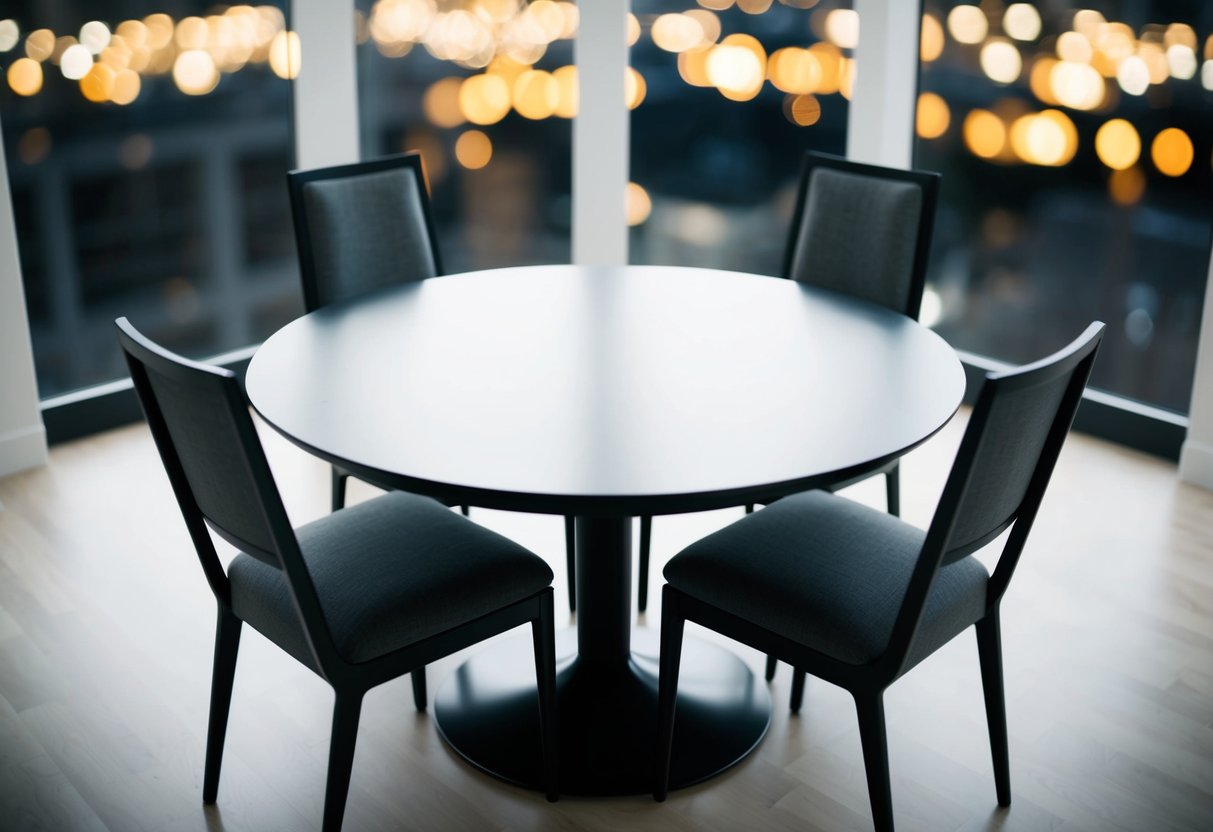
Effective event seating not only affects how people interact with each other but also sets the overall tone of the gathering. From theater-style seating for large audiences to small round tables for intimate discussions, each arrangement caters to different objectives and attendee needs.
By being mindful of your seating choices, you can create a more engaging environment that enhances participation and connection among your guests.
The right seating arrangement can transform an ordinary event into a memorable experience. By considering the flow and dynamics you want to achieve, you pave the way for discussions and networking, making your event a success.
Understanding Different Types of Seating Arrangements
Choosing the right seating arrangement can make a big difference in how your event unfolds. Each type serves a unique purpose and can enhance communication, engagement, and comfort.
Banquet Seating
Banquet seating is designed for social gatherings like dinners and celebrations. Tables are usually round and encourage conversation among guests.
You’ll typically see these setups in restaurants or event halls. This arrangement promotes a friendly atmosphere, allowing everyone to interact easily.
When planning, consider the size of your tables and the number of guests. A common setup is to have tables that seat eight to ten people. This encourages mixed interactions and creates a lively vibe, making your event more enjoyable.
Classroom Style Seating
Classroom style seating is great for educational settings or training sessions. In this arrangement, rows of tables face the front, where a speaker or instructor might be.
This setup allows you to maximize space and provides each participant with a workspace. It’s ideal for note-taking and engaging with the presenter.
When setting this up, make sure there’s enough room between rows for easy movement. Typically, this style works best with small to medium-sized groups.
Theater Style Seating
Theater style seating is often used for larger events where the focus is on presentations or performances. Chairs are arranged in rows facing the front of the room, creating a clear line of sight to the stage or screen.
This arrangement is excellent for maximizing the number of attendees in a limited space. It works well in auditoriums, conference centers, or theaters.
To enhance comfort, consider the size of the room and plan for adequate space between rows. This way, your guests can move around easily without causing distractions.
Hollow Square and U-Shape Seating
Hollow square and U-shape seating arrangements foster interaction and discussion.
In the hollow square arrangement, tables are set up in a square shape with an open center. This setup encourages collaboration and allows everyone to see each other. It’s great for brainstorming sessions or meetings.
The U-shape seating is similar but leaves one side open, making it more approachable for presentations.
Make sure to adjust the number of tables based on your group size. The open layout can facilitate better eye contact and communication among participants.
Boardroom Seating
Boardroom seating is ideal for formal meetings or discussions. This arrangement typically features a large rectangular table with chairs around it.
It offers a professional atmosphere where participants can engage closely. The setup allows everyone to see and hear one another clearly, promoting effective communication.
When planning for this arrangement, consider the table size and the number of attendees. You want to ensure that everyone has enough space to participate comfortably.
Optimizing Seating for Different Events
Choosing the right seating arrangement can greatly enhance the experience at various events. Each type of gathering has its own needs and goals, impacting how you should arrange seating to foster engagement and comfort.
Seminars and Lectures
For seminars and lectures, theater-style seating is a popular choice. This layout features rows of chairs facing the speaker or presentation area. It maximizes the number of participants while ensuring everyone has a clear view.
Consider leaving aisles for easy movement. With this setup, you encourage focus and limit distractions. Ensure the space is well-lit and that speakers can be clearly heard. Adding a Q&A session at the end can also enhance interaction, so plan for that in your layout.
Networking and Socializing
Networking events thrive on interaction. Consider using round tables or lounge seating to promote conversation.
Round tables allow small groups to talk easily, fostering connections.
Create open spaces to encourage movement and engagement. You might set up a mix of high-top tables for quick chats and soft seating areas for more in-depth discussions.
Provide drinks and snacks to create a relaxed atmosphere where attendees feel comfortable mingling.
Collaborative Meetings and Workshops
For collaborative meetings and workshops, a U-shaped or classroom-style seating arrangement is effective. This design allows for direct interaction between participants and the facilitator, promoting discussion and teamwork.
Make sure everyone can see each other. Use whiteboards or flip charts at the front for brainstorming sessions.
Keep the layout flexible, allowing adjustments as the session progresses. This encourages creativity and adaptability, key elements for productive workshops.
Formal Dinners and Award Ceremonies
In formal dinners and award ceremonies, banquet-style seating works best. Round or rectangular tables create an intimate setting where guests can easily converse.
This arrangement enhances the dining experience and fosters connection.
Consider seating arrangements based on relationships or networking goals. Placing speakers or honorees at central tables can highlight their importance.
Ensure guests have enough room to move, especially during presentations or speeches. Good lighting and table decor also elevate the ambiance, making the event memorable.
Ensuring Comfort and Visibility
Creating a seating arrangement that enhances comfort and visibility is key to any successful event. You want your audience to feel engaged and have an unobstructed view of the performance or presentation. The following factors will help you achieve this balance.
Maximizing Sightlines and Accessibility
To ensure everyone has a clear view, consider the layout of your seating.
Straight rows are common, but staggered seating can greatly enhance visibility. This method offsets alternate rows slightly, allowing unobstructed lines of sight.
A slight incline can also help, as it raises the seats behind, making it easier for everyone to see.
Accessibility is vital too. Ensure that pathways are clear and wide enough for all guests to move easily.
Consider wheelchair accessibility by providing spaces for wheelchairs and companions. Meeting these needs supports comfort for all attendees.
Considering Audience Participation
Audience participation can add energy to an event, but you’ll want to plan for it in your seating layout.
If your event encourages interaction, consider flexible seating options such as movable chairs or smaller groups.
Arranging seats in a circular or U-shape can foster engagement while maintaining sightlines.
You also want to ensure that everyone feels included and comfortable participating.
Ask for feedback in advance about any comfort needs or preferences.
By keeping these factors in mind, you create an inviting atmosphere that encourages everyone to engage and enjoy the experience.