
What is the Proper Way to Address an Invitation to a Married Couple? A Friendly Guide
Addressing wedding invitations can feel tricky, especially when it comes to married couples. The proper way to address an invitation to a married couple is to use “Mr. and Mrs.” followed by the husband’s full name. This approach is traditional and well-accepted in formal wedding invitation etiquette.
If the couple prefers a more modern touch, you can also use both spouses’ names. For example, you might address the invitation as “Mr. John Smith and Mrs. Jane Smith.” This variation respects each partner equally while maintaining a formal tone.
Understanding these details helps you set the right tone for your wedding invitations. It ensures your invitation conveys the respect and joy you feel about their marriage. Get ready to make your invitations shine with respect for wedding invitation etiquette!
Understanding Wedding Invitation Etiquette

When addressing a wedding invitation to a married couple, knowing the right etiquette is essential. This includes using proper titles and understanding the differences between traditional and modern approaches.
Titles and Formal Titles
When addressing a wedding invitation, the titles you choose matter. A classic way is using “Mr. and Mrs.” followed by the husband’s full name, like “Mr. John Smith and Mrs. Jane Smith.” This is the traditional format.
If the wife prefers a more modern title, you might use “Mr. and Mrs.” or both names on separate lines, like this:
Mr. John Smith
Mrs. Jane Smith
For couples with distinguished titles, like doctors or military officers, include their titles. For example, “Dr. John Smith and Mrs. Jane Smith.” This shows respect for their achievements and follows proper etiquette.
Traditional Vs. Modern Approach
The traditional approach generally favors the husband’s name first, reflecting past customs in wedding invitations. This can seem outdated to many people today.
The modern approach reflects equality, listing both names side by side. You can write:
John Smith and Jane Doe
This makes it clear that both individuals are equally acknowledged. Additionally, some couples prefer using a specific title like “Ms.” or “Mx.” to align with their identity. Remember that wedding invitation etiquette is flexible; your goal is to make both people feel included and valued.
Specific Cases in Invitation Addressing
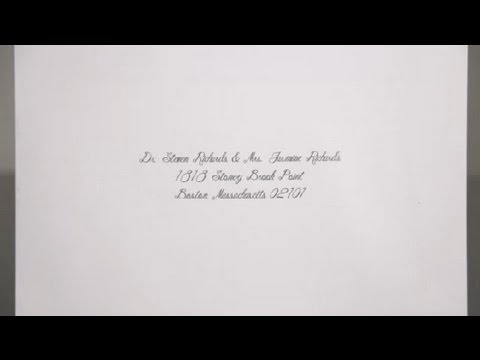
Addressing wedding invitations correctly can vary based on different relationship situations. You might find yourself needing to address unmarried couples, same-sex couples, or guests bringing plus-ones. Each scenario has its unique etiquette.
Addressing Married Couples with Different Last Names
When addressing married couples who have different last names, it’s important to list both names. Start with the name of the person who is closest to you or the host of the event. Use this format:
- Mr. John Smith and Mrs. Jane Doe
If the couple prefers a more modern or inclusive approach, you can also write:
- John Smith and Jane Doe
In cases with hyphenated last names, list each name properly. For example:
- Mr. John Smith-Doe and Mrs. Sarah Johnson-Smith
This shows respect for both identities and keeps the invitation personalized.
Same-Sex Couples and Unmarried Partners
Addressing invitations to same-sex couples should follow similar rules as any married couple. You have two main options:
-
Alphabetical Order: This is a neutral way to address both members.
- Example: Ms. Ashley Brown and Ms. Jenna Miller
-
Full Names with Titles: If you prefer a formal style, you might use:
- Example: Ms. Ashley Brown and Ms. Jenna Miller
For unmarried partners living together, both names should also be included on one line:
- Ms. Nancy Fellows and Mr. Scott Dunn
This format honors their relationship status and ensures your invitation etiquette is correct.
Invitations for Individuals and Plus-Ones
When inviting single guests, always ask if they will bring a plus-one. If they confirm, you can include “and guest” or write the plus-one’s name. For instance:
- Mr. John Smith and Guest
If you know the name of the plus-one, use it directly:
- Mr. John Smith and Ms. Emily Rogers
If you are addressing a single female, just use her name:
- Ms. Sarah Brown
This helps clarify the guest list and ensures everyone feels included in the celebration, enhancing your personal touch on the invitation.
The Components of an Invitation
Creating a wedding invitation involves several key elements. Each component plays a role in conveying essential information while adhering to traditional etiquette. Pay close attention to details for a polished and elegant result.
Outer and Inner Envelope Details
Your invitation typically consists of an outer envelope and an inner envelope. The outer envelope should include the full names and addresses of the guests. For married couples, you can address it as “Mr. and Mrs. John Smith.” If you invite children or additional guests, list them on the inner envelope.
The inner envelope, which goes inside the outer one, is more casual. This is where you use first names or specific titles, such as “Emma and Oliver” or “Dr. and Mrs. Smith.” Make sure to include any specific instructions like “RSVP by May 1” or details on the dress code for a smooth connection.
The Wedding Invitation Suite
The wedding invitation suite includes several key pieces: the main invitation, RSVP card, and sometimes additional cards for details. Your wedding invitation wording should clearly state the event’s date, time, and location. For example, “We request the honor of your presence at the marriage of…” conveys formality.
The RSVP card is extremely important. It helps you manage your guest list efficiently. You can also include a self-addressed return envelope, making it easy for guests to respond. If you have specific instructions, like meal choices or dietary restrictions, include those on the RSVP card as well.
Other Considerations
When addressing envelopes, consider the etiquette for special circumstances. For example, if you invite a divorced couple, you may want to address each individually.
Add titles as necessary for medical doctors, academic doctors, or clergy. Use proper titles such as “Dr. John Smith” and “Ms. Jane Doe” to ensure respect.
For families with children, use an appropriate format like “The Smith Family” on the outer envelope. If you’re using a guest addressing service, ensure they follow traditional etiquette for accuracy.
Pay attention to details like address labels to keep everything cohesive and professional.