
What Is the Protocol for Divorced Parents at a Wedding? Guidelines for a Harmonious Celebration
Planning a wedding can be exciting, but it also brings challenges, especially when it comes to managing divorced parents. As you prepare for your big day, you might wonder how to handle your parents’ presence and interactions. The key is to establish clear communication and set expectations early on to ensure everyone feels respected and included.
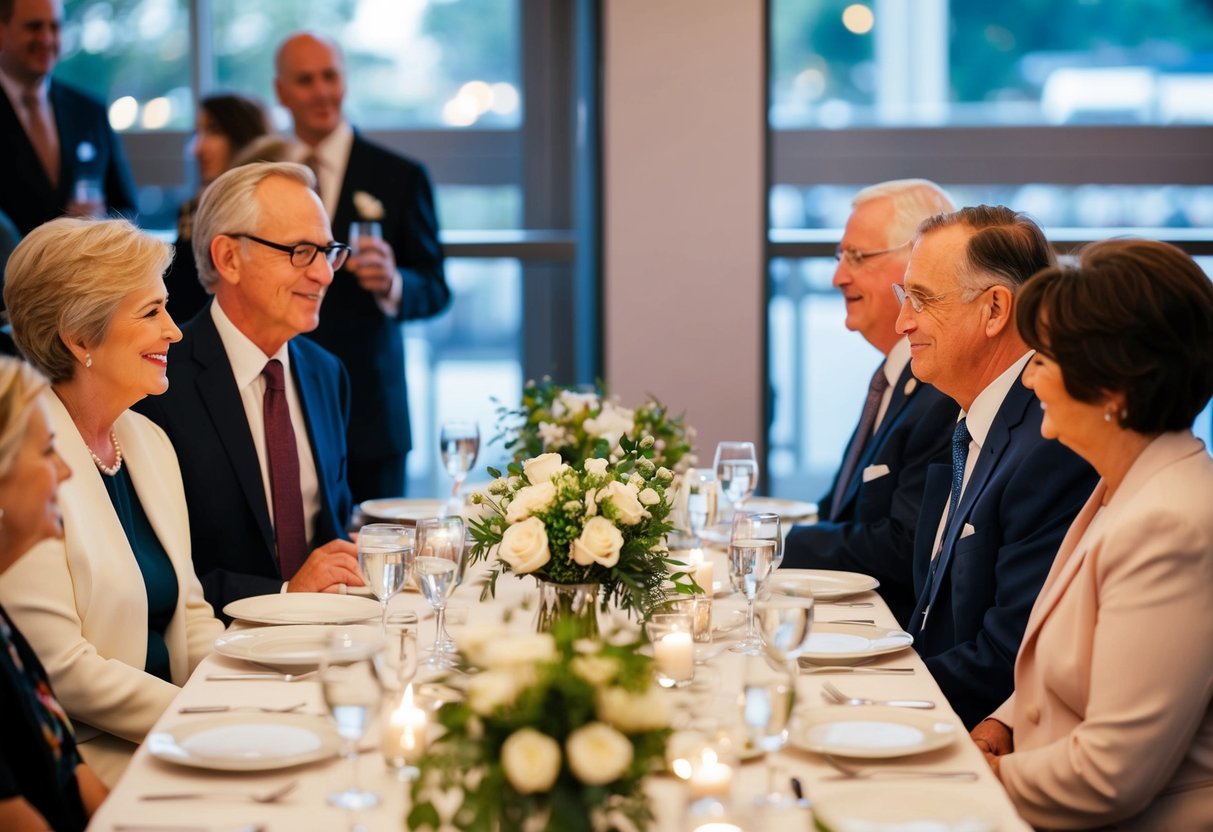
Navigating the complexities of family dynamics can be tricky, but with some thoughtful planning, you can create a warm atmosphere for your celebration. Many couples find it helpful to have conversations with their parents about their roles in the wedding and address any concerns that may arise. This can help prevent misunderstandings and allow you to enjoy your special day without added stress.
Whether it’s how to word invitations or deciding seating arrangements, understanding the protocol can make all the difference. With the right approach, you can honor your relationships while focusing on the joy of your wedding.
Setting the Tone for a Respectful Wedding Day
Creating a respectful wedding day involves clear communication and a supportive atmosphere for everyone involved. By managing expectations from both sides and fostering a positive environment, you can make your special day more enjoyable for your family and friends.
Managing Expectations and Communications
Start by having open conversations with your parents about the day. Discuss how you envision the wedding and what roles you want them to have. This helps set clear expectations for everyone.
Make sure each parent knows the wedding schedule and seating arrangements. You can create a list of key points to share, ensuring everyone is on the same page.
Encourage your parents to express any concerns they may have. Addressing issues ahead of time can help reduce tensions. Keep communication lines open and check in with them regularly during the planning process.
Creating a Supportive Atmosphere
Your wedding day should celebrate love and unity, especially for you and your partner. To create a supportive atmosphere, remind your parents to be respectful toward one another. You might suggest they keep their interactions positive throughout the festivities.
Consider involving a trusted family member or friend who can help manage any potential conflicts. This person can step in if things get tense, ensuring that your day remains joyful.
Set up designated areas for family members that may need some distance. This can help reduce stress during the big event. By focusing on love and happiness, you can help minimize the impact of family dynamics on your special day.
Planning and Etiquette Considerations
When planning a wedding with divorced parents, careful attention to seating arrangements and etiquette is vital. This helps ensure everyone feels comfortable and respected throughout the ceremony and reception.
Seating Arrangements for Ceremony and Reception
Creating a thoughtful seating plan is crucial. Traditionally, each parent sits on opposite sides. Make sure to discuss with both parents their preferences early on.
You can choose to seat them in the front row, separated by a space or even alternate guests to ease tension. Consider assigning a trusted friend or family member to help manage any potential issues during the wedding.
At the reception, use place cards to guide guests to their tables, avoiding any surprises. Clarify where each parent will be seated, keeping comfort in mind.
Involvement of Stepparents in the Ceremony
Integrating stepparents into your wedding can show inclusiveness. Discuss with your family how they would like to be involved.
Make plans for them to have their own special moments, such as a dance with you or a reading during the ceremony. Proper etiquette suggests acknowledging stepparents in the program by naming them alongside the biological parents.
You can express heartfelt gratitude during speeches to recognize their support and presence in your life. This creates a sense of unity among families.
Etiquette for Rehearsal and Dinner Events
During the rehearsal and dinner events, open communication is key. Start by discussing the guest list, ensuring all parents are informed about who will attend.
At the rehearsal dinner, consider including both sets of parents in tastings and decision-making. This allows everyone to feel involved in the planning process.
When it comes to toasts, it’s polite for both parents to speak if they wish. This gives them a chance to share their sentiments. Keep the tone light and positive, setting a welcoming atmosphere for your big day.
Following etiquette can help ease potential tensions and keep a joyful spirit as you celebrate your wedding.
Special Moments and Traditions
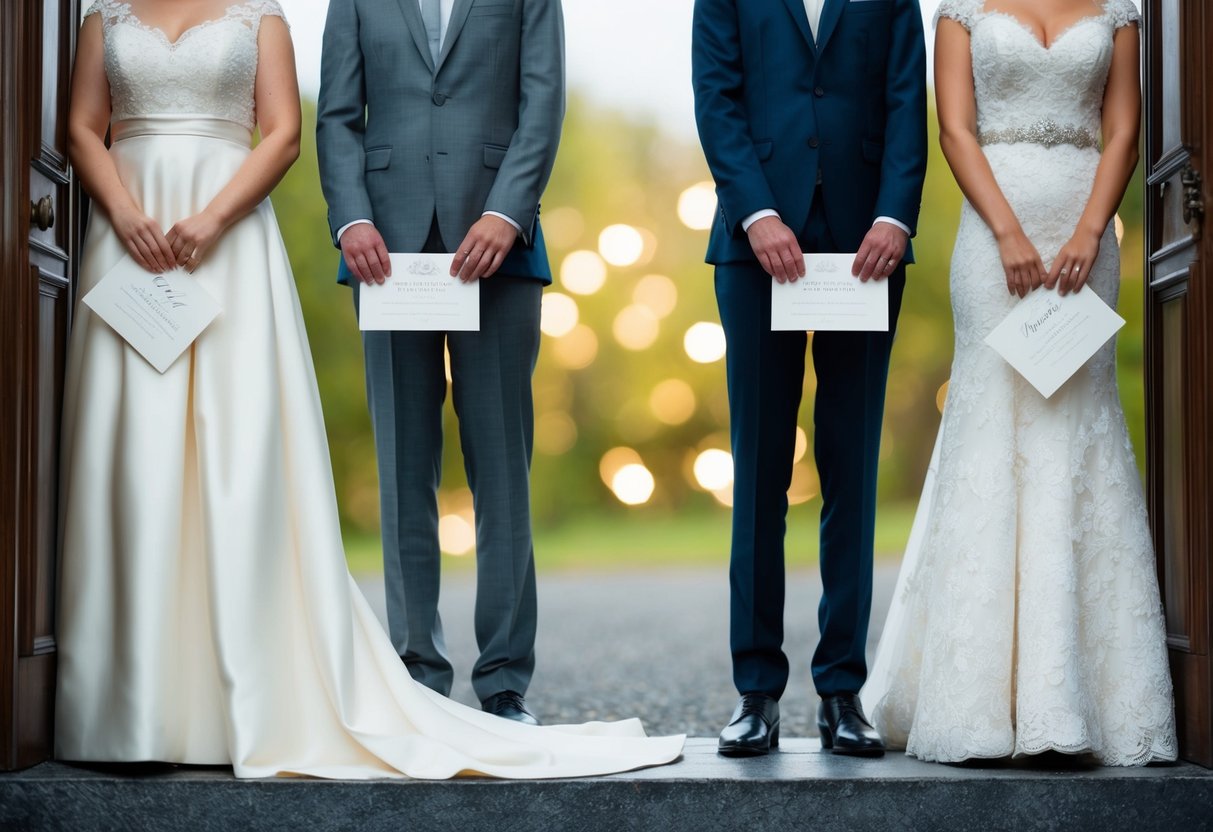
Weddings are filled with special moments, especially when it comes to including divorced parents. It’s essential to think about how to navigate dances, toasts, and other traditions to keep everyone comfortable and happy.
Navigating the Parents’ Dance and Toasts
When planning dances, consider the dynamics between your parents. If your parents are on good terms, you might invite them to dance together. This can create a beautiful moment shared by everyone.
If your parents are less comfortable together, you could have separate dances. For instance, dance with your father and then follow that with your mother or step-parents.
Toasts are an important part of the celebration. You can schedule time for both parents to give their own toasts. This allows each parent to express their love and support without pressure to share the spotlight.
Corsages, Boutonnieres, and Processional Order
Including divorced parents in your wedding party traditions also matters. Consider giving both your mother and stepmother corsages. A simple flower can signify their roles and honor their presence.
When it comes to the processional, think carefully about the order your parents will walk down the aisle. You can have each walk separately or create a more inclusive moment by walking together if they are comfortable.
Your wedding program should clearly outline these important roles. This way, guests will better understand who is involved in these special moments. Planning with care can help you create a memorable day for everyone.
Photography and Memorabilia
When planning your wedding, photography can be tricky, especially with divorced parents involved. You want to capture special moments while keeping everyone comfortable. Here are key points to consider.
Wedding Photos with Divorced Parents
Discuss your photography plans with both parents ahead of time. This gives everyone a chance to express their feelings and preferences.
Consider taking individual photos with each parent to avoid awkwardness. You might also want to schedule group shots with both parents separately, allowing for a smooth flow.
Inform your photographer about the family dynamics so they can manage the photo sessions effectively. Clear communication helps everyone feel included while minimizing tension.
It’s smart to consider splitting family portraits based on comfort levels. Make sure explanations are provided if a parent prefers to stand out of some shots. This keeps the mood light while respecting each parent’s feelings.
Organizing the Receiving Line and First Look
Plan your receiving line to keep things organized. Position parents who are divorced so they are comfortable yet still part of the special moments. A typical arrangement is to have the mother in the front row and the father a little back, ensuring no one feels sidelined.
For the first look, consider scheduling it privately. This allows just you and your partner to enjoy the moment without added stress from family dynamics. Later, you can introduce parents after this special moment, making them feel part of your celebration in a thoughtful manner.
By managing these aspects wisely, you create a joyful atmosphere while capturing beautiful memories.