
What is the Protocol for Seating at a Wedding? A Guide to Guest Arrangement and Etiquette
When planning a wedding, one important detail to consider is the seating arrangement for your guests. Proper seating protocol helps ensure that your friends and family feel comfortable and included during the ceremony and reception. It’s vital to create a thoughtful seating plan that reflects your relationships and respects family dynamics.
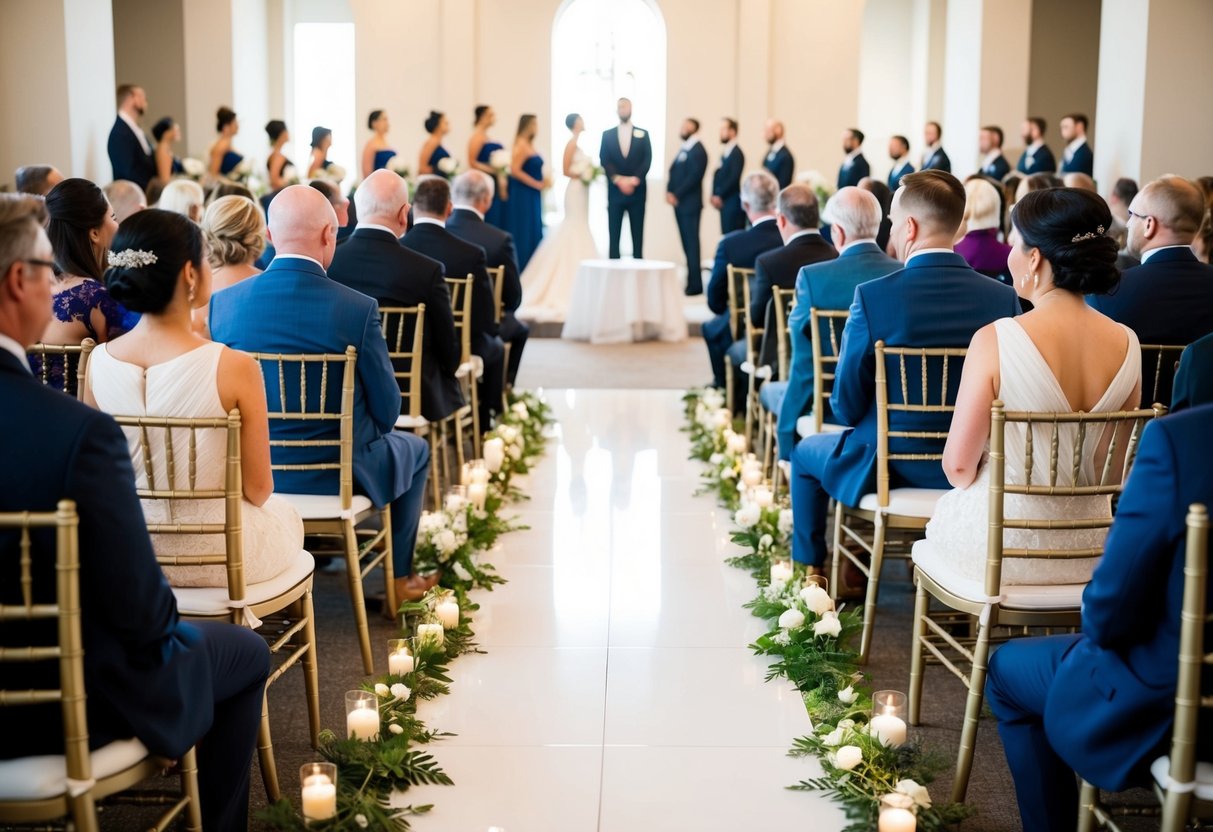
You’ll want to think about who should sit where, especially for the ceremony. Traditionally, family members like parents and grandparents have reserved seats at the front.
At the reception, a seating chart can guide guests to their assigned tables, making the experience smoother and more enjoyable for everyone.
In this article, you’ll learn the essentials of wedding seating protocol, including tips on how to create a seating chart and navigate any tricky family situations. Armed with this knowledge, you can help set the stage for a joyful celebration.
Understanding Wedding Seating Essentials
Seating is a crucial part of wedding planning. It ensures that your guests feel comfortable and are seated with the people they enjoy. Let’s explore how to create an effective seating chart and plan.
Deciphering the Seating Chart
Creating a seating chart involves listing guests and organizing them by tables. Start with your guest list. Identify who should sit together based on relationships and dynamics.
Next, decide on key tables, like the head table and sweetheart table. The head table usually seats the bridal party, while the sweetheart table is just for you and your partner.
Make sure to keep the wedding seating chart clear so guests can find their places with ease.
The Role of a Seating Plan in Wedding Planning
A seating plan is more than just a list; it sets the tone for your reception. It helps avoid awkward situations by placing people together who get along.
Consider using a template or app to visually arrange your seating arrangements.
You might want to label tables with names or themes related to your relationship. If you have a larger wedding, assign table numbers to help guests navigate. This thoughtful planning makes a big difference in guest satisfaction.
Different Table Shapes and Seating Arrangements
Table shapes can influence your seating arrangement. Popular options include round, rectangular, and square tables.
Round tables encourage conversation, while rectangular tables can suit larger groups, allowing for more intimate discussions.
It’s essential to think about flow and accessibility when placing tables. Make sure there is enough space between tables for guests to move around comfortably.
Deciding on the right table shapes and arrangements can enhance the guest experience at your celebration.
Designing Your Ceremony Seating
When planning ceremony seating, consider the arrangement for your wedding party and guests. It’s essential to think about etiquette and any special circumstances involved to ensure a smooth experience for everyone.
Placement of the Wedding Party
Start by placing your wedding party near the front. This includes your bridesmaids, groomsmen, maid of honor, and best man. They should be close enough to witness the ceremony without crowding the altar.
For larger weddings, consider having ushers guide guests to their seats. This can create a welcoming atmosphere and help everyone find their place.
Positioning the flower girl and ring bearer in front of your wedding party can add a charming touch.
Seating Etiquette for Family and Guests
Follow traditional seating etiquette for family and guests. The first rows are usually reserved for immediate family—parents, siblings, and grandparents. If you have divorced parents, communicate with them beforehand about seating to avoid any awkwardness.
Friends and other guests typically sit behind family. Be mindful of larger families; they might need more space.
By clearly marking seating, you help ensure everyone feels included and respected during your wedding ceremony.
Special Considerations for Ceremony Seating
Some weddings may have special circumstances that affect seating arrangements. For instance, if you have elderly or disabled guests, consider providing seating that accommodates their needs.
Also, think about how the layout of your venue affects visibility. Arranging seats in a semi-circle or full circle can help everyone see and feel more connected to the moment.
Personalizing seating based on your unique relationships with guests also adds a special touch. Aim to create a warm and inviting environment that reflects your love story.
Organizing Reception Seating
When planning reception seating, it’s important to create a smooth experience for your guests. By focusing on table assignments, using escort and place cards, and accommodating everyone during key moments like cocktail hour, you can enhance the enjoyment of your wedding.
Table Assignments and Reception Flow
Start by determining your guest count. This helps in creating an effective wedding reception seating chart. Consider different table sizes, including a kids’ table if needed.
Once you have your table layouts, assign guests based on relationships. Place family members together and consider friends’ dynamics. This thoughtfulness promotes a friendly atmosphere.
Always include a table number for each group so guests can easily find their seats.
Make sure to think about the flow of the reception. You want to ensure that guests can move comfortably without feeling cramped.
Utilizing Escort Cards and Place Cards
Escort cards are a helpful tool for guiding guests to their tables. These cards typically list the guest’s name along with their assigned table number. Arrange them by alphabetical order for easy access.
Place cards add an extra touch by specifying individual seats. This ensures that guests know exactly where to sit, which can reduce confusion.
Using these cards also helps show your attention to detail. You can personalize the cards to match your wedding theme. Consider adding small decorative elements like flowers or ribbons to make them special.
Accommodating Guests During Cocktail Hour and Reception
During the cocktail hour, it’s important to think about seating options. You might not want to assign specific seats right away. Instead, provide a few small tables and encourage mingling.
This way, guests can enjoy a relaxed atmosphere as they wait for the reception to start.
For the reception, ensure that everyone knows where they should be seated. A clear seating chart placed near the entrance can minimize confusion.
If possible, have a designated point person available to help direct any guests who may need assistance finding their seats. This extra step ensures that everyone feels welcomed and cared for throughout the event.
Finalizing the Seating Arrangement
Getting your seating chart just right involves a few important steps. You will handle RSVPs and any adjustments to your guest count, along with addressing any special seating circumstances.
Handling RSVPs and Guest Count Adjustments
Start by collecting RSVPs promptly. This helps you understand how many guests will attend.
Keep in mind that some people may change their plans, so be prepared for adjustments.
Once you have your final guest count, you can create an effective seating arrangement.
Creating a layout helps you visualize where everyone will sit, making it easier to group guests together based on relationships or interests.
Using a spreadsheet or seating chart tool can simplify this process. Include names and meal choices to stay organized.
Remember, keeping track of dietary preferences or allergies is crucial to ensure a pleasant experience for your guests.
Addressing Special Seating Circumstances
When planning your seating arrangement, consider any special circumstances that might affect your guests. Think about who should sit together. This could include close family members or friends who enjoy each other’s company.
Be mindful of any dietary restrictions. If certain guests have allergies, arrange their seating away from potentially harmful food items.
Also, think about guests with mobility challenges. If some guests need a little extra room, ensure they have easy access to the venue and seating.