
What is the Protocol for the Mother of the Groom? A Guide to Her Special Role
As the mother of the groom, you play an important role in wedding planning. Understanding your responsibilities can help you navigate this special time with ease and joy. Traditional etiquette suggests that you connect with the bride’s family, help select the guest list, and provide support along the way.
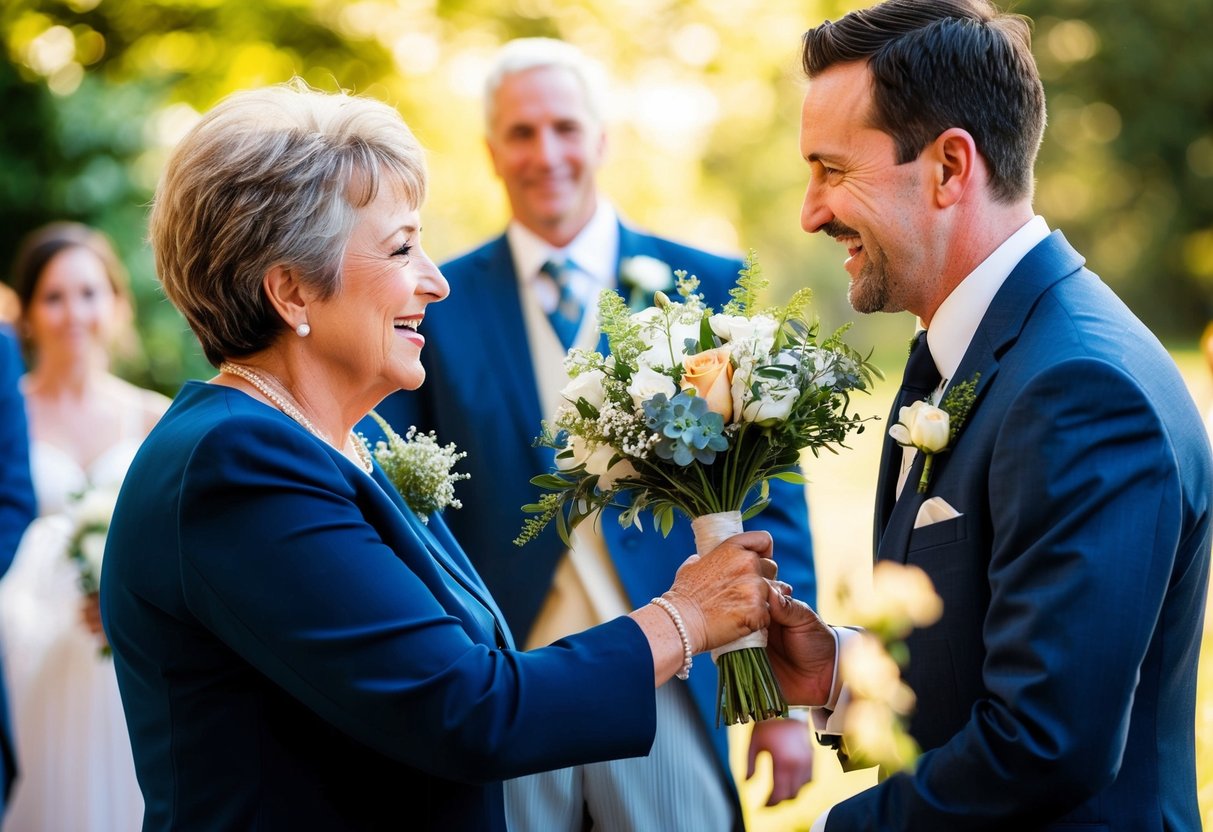
In modern weddings, your involvement has grown, and you’re encouraged to share your ideas and contribute to the planning process. You might assist with tasks like choosing music for the mother-son dance or coordinating with your partner to ensure the special details are just right.
Embracing this role allows you to bond with your son and welcome a new family member. Let’s explore what the protocol is for the mother of the groom and how you can make the most of this meaningful experience.
Pre-Wedding Duties
As the mother of the groom, you have several important pre-wedding responsibilities that set the tone for a positive celebration. You’ll be involved in various events and planning stages that help make the family’s support clear to the couple.
Engagement Party Involvement
Your role in the engagement party is significant. This event is often the first time both families gather to celebrate the couple’s engagement. It’s a great opportunity to welcome the future in-laws and establish a good relationship.
You can help plan the engagement party or simply assist the couple. Gather ideas for locations, themes, and guest lists. Offer to contribute food, decorations, or even activities that blend family traditions and any cultural customs.
Don’t forget to help create a warm atmosphere. Your encouragement and support will mean a lot as they begin this exciting journey together.
Supporting the Wedding Planning
You play an essential role in supporting the couple during the wedding planning process. Ask how you can contribute to their vision and offer to help with specific tasks.
Consider arranging family meetings to align everyone on expectations. This could involve discussing budget options, inviting key guests, and incorporating family or cultural traditions into the ceremony.
Your insights can help the couple navigate challenges, such as balancing ideas from both families. Your experience can guide them in making decisions that reflect not just their desires but also family values.
Bridal Shower Participation
When it comes to the bridal shower, your involvement is crucial. This event is typically hosted by the bride’s friends, but you can play an active role in supporting it. Offer ideas for themes, games, or menu options.
You can also help with guest lists. It’s a thoughtful gesture to ensure close family and friends are included. Encourage the bride and her friends to consider any traditional customs from both families, adding a special touch to the celebration.
Being involved shows your support for the bride and strengthens family ties. Your positive attitude will create a welcoming atmosphere that everyone will appreciate.
Managing the Family Guest List
Managing the guest list is an important responsibility for you as the mother of the groom. Collaborate with the couple to compile a list of family and friends who should be invited.
Make sure to consider both sides of the family. Talk with your future in-laws to get their input and ensure that no one is overlooked. This can help avoid potential conflicts later.
Organizing the guest list also requires attention to etiquette. Help the couple decide who sits where based on family dynamics and relationships. Your guidance here will help create a smooth flow during the wedding events and ensure everyone feels included.
Wedding Day Contributions
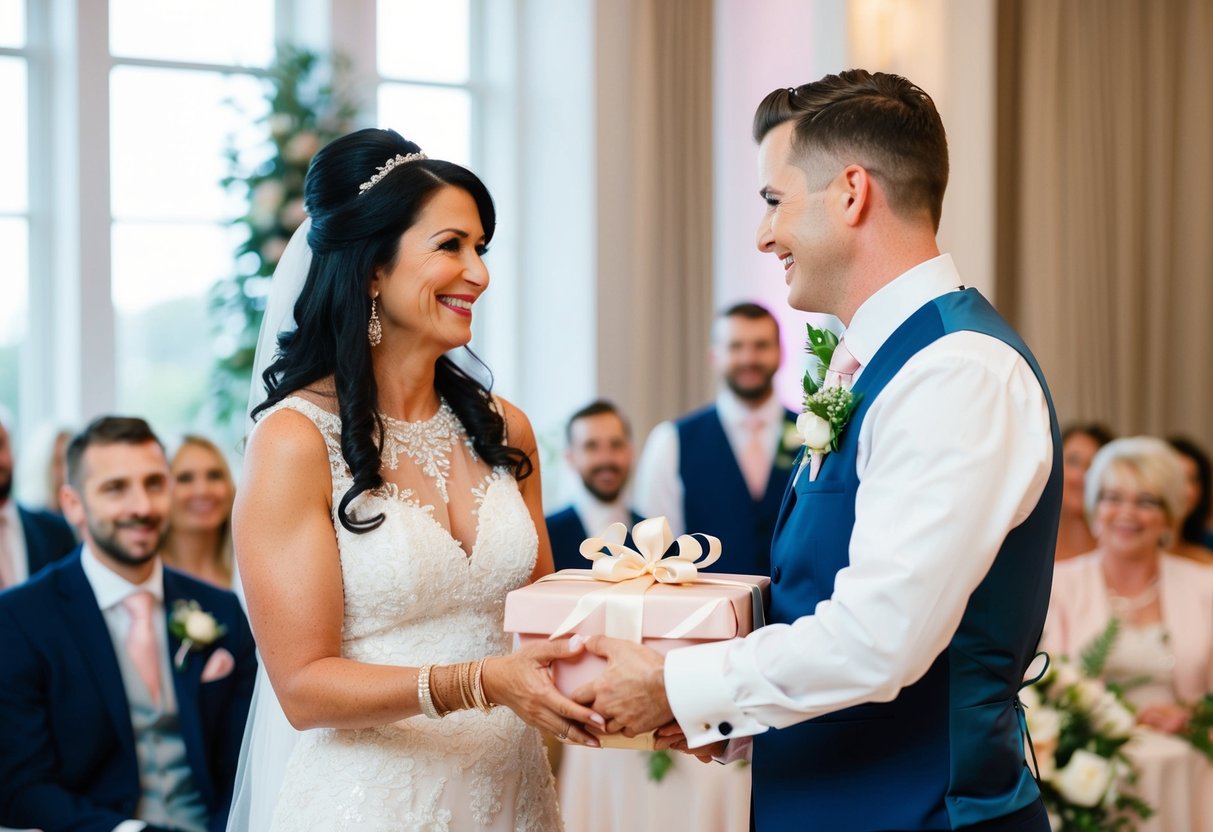
As the mother of the groom, your role on the wedding day is important. You will support your son and help manage the event, ensuring everything goes smoothly. Here are some key ways you can contribute.
Assistance with Dress and Preparation
On the wedding day, you can help your son get ready by ensuring he has everything he needs. This may involve making sure his suit or tuxedo is clean and pressed.
You could also remind him to wear the right accessories like a tie or cufflinks. It’s nice to help with any last-minute touches.
If there are special family heirlooms or items he might want to include, you can assist him in deciding how to incorporate those.
Additionally, be available to offer emotional support as he prepares for the big day.
Engagement in the Ceremony
During the wedding ceremony, there are specific roles you may play. For example, you might help with the seating arrangements for guests. Ensuring family members are seated correctly can set a welcoming tone.
You can also be part of the receiving line to greet guests as they arrive. This is a great opportunity to show your appreciation for their presence.
If there is a specific moment for the mother-son dance, leading up to it, encourage your son to relax and enjoy the experience. It’s a special moment for both of you.
Role in the Reception
At the wedding reception, your presence is vital. After the ceremony, you can help ensure guests know where to sit by directing them to their tables alongside the wedding programs.
You can also welcome guests and help them feel comfortable. If your son has a specific role for you, like giving a toast, be sure to prepare in advance.
During the reception, enjoy the celebrations with family and friends. Your role as the mother of the groom enhances the day’s joy. Engaging with guests, dancing, and sharing in the fun are all ways you can contribute.
Financial and Etiquette Considerations
When planning for the wedding, the mother of the groom should be aware of both financial duties and etiquette. Understanding costs can help everyone feel more comfortable and organized during this exciting time.
Understanding Who Pays for What
Traditionally, the bride’s family covers most of the wedding expenses. This means you may need to discuss financial roles with the father of the groom and the bride’s family. You can offer financial assistance for specific events like the rehearsal dinner or the couple’s wedding registry.
Here’s a quick look at common wedding expenses:
- Bride’s Family: Venue, decorations, catering.
- Groom’s Family: Rehearsal dinner, transportation, and sometimes the honeymoon.
Clear communication about who pays for what will prevent any misunderstandings later.
Navigating Rehearsal Dinner Plans
Planning the rehearsal dinner can be one of your main responsibilities. The groom’s parents typically host this event. It’s a great opportunity for both families to mingle before the big day.
When planning, consider these key points:
- Budget: Determine how much you can spend.
- Guest List: Work with the couple to finalize invites. This can include close family and friends.
- Location and Theme: Keep it simple but meaningful.
Your aim is to create a welcoming evening that sets a joyful tone for the wedding.
Addressing Late RSVPs and Guest Concerns
Sometimes, guests may not respond promptly to invitations. Addressing late RSVPs ensures there’s proper seating and enough food for everyone.
Here are a few tips:
- Follow Up Early: A gentle reminder can help. Reach out to those who haven’t responded.
- Be Flexible: Understand that some guests may be unable to attend last minute.
- Family Dynamics: Keep in mind the relationships between families. This can guide how you communicate.
By handling these situations calmly, you’ll help ensure everything goes smoothly.