
What is the Quickest Way to Get Married in the UK? Your Simple Guide to Fast-Tracking Your Big Day
Getting married in the UK can be a joyful experience, but if you’re looking to tie the knot quickly, you probably have some questions. The quickest way to get married in the UK is to give at least 28 days’ notice at your local register office, although there are options for a special license that may allow for a faster process. This means that you need to plan ahead slightly, as the notice period is a legal requirement.
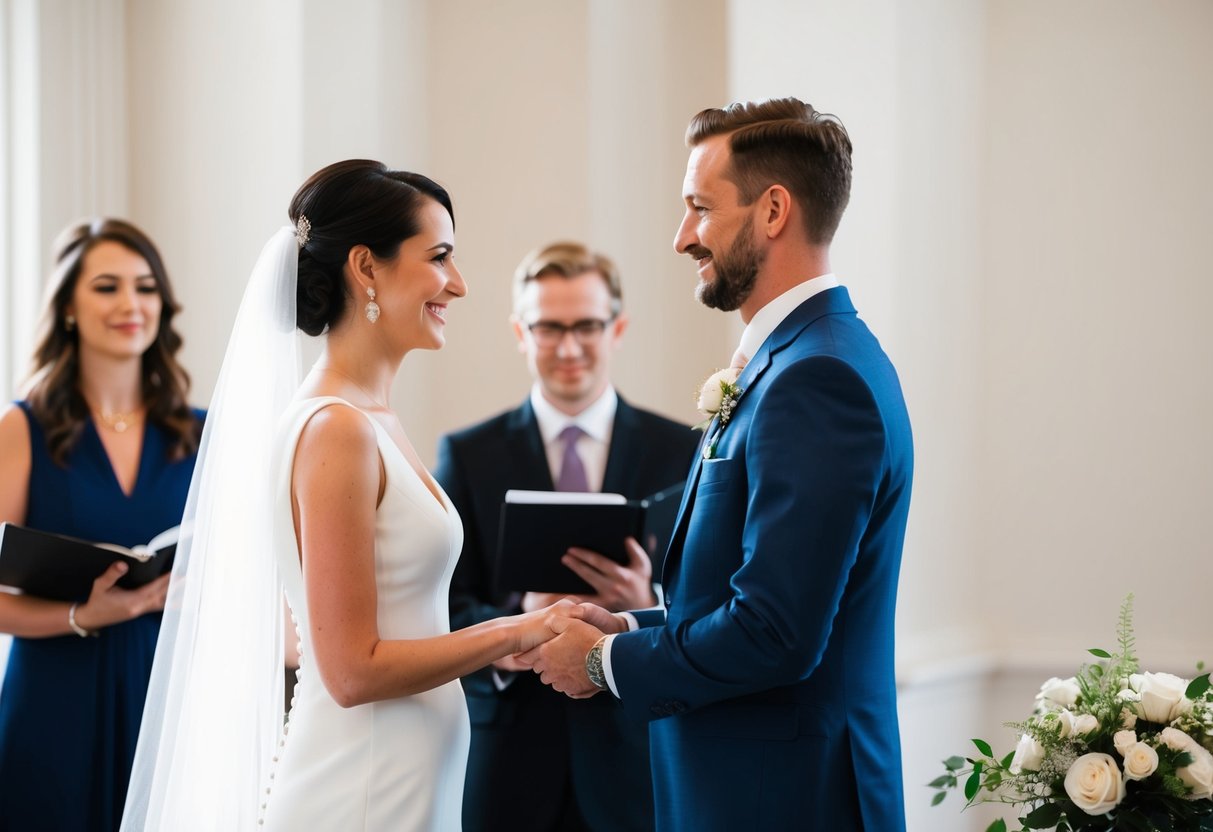
If you find yourself in a hurry, special licenses are available in certain situations, allowing you to marry even sooner. In some cases, military personnel and those facing urgent circumstances can have their marriage plans expedited. You’ll still need to confirm the details with your local register office to ensure you have everything you need.
Planning a wedding doesn’t have to be complicated, even if you want to get married quickly. With a little preparation and understanding of the legal requirements, you can move forward with your plans and look forward to your big day.
Legal Requirements for Marriage in the UK
When planning to marry in the UK, you must meet certain legal requirements. These include your eligibility, providing notice of your intention to marry, and having proper identification documents. Here’s what you need to know.
Eligibility Criteria
To get married in the UK, you must meet specific eligibility criteria. Firstly, you need to be at least 16 years old. If you’re under 18 in England, Wales, or Northern Ireland, you’ll need parental consent.
You also need to be free to marry, meaning you cannot already be married or in a civil partnership. If you are from outside the UK, you’ll need to meet the immigration rules that apply to your situation.
Additionally, it’s important to declare your intention to marry, which means making sure there are no legal obstacles before you proceed with your plans.
Notice of Intended Marriage
Before you can get married, you must give a legal notice of your intention at your local register office. This notice informs your local authority of your plans to marry.
You have to give this notice at least 28 days before the wedding. The notice also stays valid for 12 months.
During this time, the registrar will check that you meet all legal requirements. If you are not a British citizen or are subject to immigration control, there may be additional checks and a 28-day waiting period.
Identification Documents
You must provide several identification documents when giving notice of your marriage. Key documents include:
- Proof of age: A birth certificate or valid passport often suffices.
- Proof of identity: This may include a passport or driver’s license.
- Proof of nationality: A passport or national identity card can serve this purpose.
- Proof of name: If your name has changed, provide documents like a marriage certificate or a deed poll.
These documents ensure you meet the legal requirements to marry. Missing or incorrect documents can delay your wedding plans, so it’s vital to prepare in advance.
Types of Marriage Ceremonies
When it comes to getting married in the UK, there are several types of ceremonies to consider. Each type has its unique features and legal requirements. Here’s a brief look at the main options you can choose from.
Civil Ceremonies
A civil ceremony is a non-religious option that takes place in a registry office or an approved venue. It typically involves a simple exchange of vows and can be personalized to reflect your preferences.
To book a civil ceremony, you must give at least 28 days’ notice. You and your partner must be legally eligible to marry and have the required documentation, such as identification.
Civil ceremonies are suitable for all couples, including same-sex couples, and they often focus on the commitment and love between partners without religious context.
Religious Ceremonies
Religious ceremonies are held in places of worship, like churches, temples, or mosques. The specific requirements can vary based on your faith. It’s essential to check with your chosen religious institution about procedures.
In most cases, you’ll need to give notice at the registry office before booking the ceremony. Each religion may have its customs and rituals that you can incorporate into your wedding.
Religious ceremonies can provide a meaningful experience that resonates with your beliefs, making it a popular choice for many couples.
Humanist Ceremonies
Humanist ceremonies are non-religious but often focus on personal beliefs and values. They can be highly customizable, allowing you to create a ceremony that feels unique to you and your partner.
These ceremonies typically take place in a location of your choice, and you can include readings, music, and other elements that resonate with both of you. Unlike other ceremonies, humanist ceremonies are not legally binding, so you’ll need to complete the legal formalities separately.
This option appeals to many because of its flexibility and personal touch, making it a wonderful way to celebrate your love.
Civil Partnerships
Civil partnerships provide a legal recognition of your relationship between same-sex couples. Introduced to allow same-sex couples similar rights to marriage, they include legal responsibilities.
The process is similar to marriage, requiring notice and registration. You can have a ceremony to celebrate your partnership, which can be civil or religious.
Though civil partnerships differ from marriage, they offer a valid and respected way for same-sex couples to declare their commitment to one another. This option remains popular among many couples today.
Planning for a Quick Wedding
Planning a wedding in a short time frame can feel overwhelming. However, focusing on a few key areas will help you marry quickly while still having a lovely day. Here’s what you need to consider.
Choosing a Venue
Selecting the right wedding venue is crucial for a quick wedding. Look for locations that can accommodate short notice bookings. Many venues are open to last-minute weddings, especially during weekdays or off-peak seasons.
Consider venues like:
- Local parks: They often have minimal fees.
- Public buildings: Some may allow quick ceremonies.
- Hotels: They might offer wedding packages that include everything.
Make sure the venue has the necessary licensing for marriages. Confirm availability before rushing to any plans.
Setting a Date
Setting a date involves a few important steps. You must give a notice of intent at least 28 days before your wedding. This notice is required across the UK, no matter where you are.
If you want to marry sooner, you can request a special license. This license allows you to skip the usual notice period in certain cases, letting you get married in as little as 24 hours.
Think about the timing of your wedding, too. Choosing a weekday or early morning could help you secure a venue and other services more easily.
Elopement Options
Elopements are a popular choice if you want to marry quickly and simply. You can focus on just the two of you without the pressure of a big event.
Consider these options for a romantic elopement:
- Intimate ceremonies: Just you and a couple of witnesses can keep it simple.
- Destination elopements: Choose a beautiful location away from home for a quick escape.
- Adventure elopements: Combine your wedding with a unique experience, like hiking or beach weddings.
With an elopement, you still need legal paperwork. Make sure to handle all requirements to ensure your marriage is recognized.
Final Steps and Marriage Registration
Once you have made the decision to get married, there are important steps to complete before the big day. Registration is a key part of this process, and understanding what is needed will help you prepare easily. You’ll need to secure a marriage license, have legal witnesses present, and sign the marriage register to make everything official.
Obtaining a Marriage License
Before you can tie the knot, you must obtain a marriage license. In the UK, this involves giving notice at your local registry office. You will typically need to provide identification, proof of residence, and possibly birth certificates.
For those in Scotland, the process is slightly different. You’ll need to submit a Marriage Notice Form to your local registrar. This must be done at least 29 days before your wedding. It’s important to keep track of these timelines to avoid any delays.
Legal Witnesses
Having legal witnesses is a requirement for your marriage to be valid. You need at least two witnesses present during the ceremony. These witnesses must be over 16 years old and be able to understand the proceedings.
It’s often best to choose friends or family members for this role. Just make sure they are available on your wedding day. They will need to sign the marriage register after the ceremony, confirming that they witnessed your vows.
Signing the Marriage Register
The marriage register is the official document where your marriage is recorded. After your ceremony, you and your witnesses will sign this document. This step is crucial, as it legally binds your union.
Once you sign the marriage register, you can apply for a marriage certificate. This certificate serves as formal proof of your marriage. You can request it from the registry office where you registered, usually for a small fee. Having this in hand is important for future legal and administrative purposes.