
What is the Quickest You Can Get Married in the UK? A Guide to Fast-Tracking Your Wedding
If you’re eager to tie the knot in the UK, you’re probably wondering about the fastest way to make it happen. In most cases, you can get married as soon as 28 days after giving notice at your local register office. This notice period is a legal requirement across England, Wales, Scotland, and Northern Ireland, so it’s important to plan ahead.
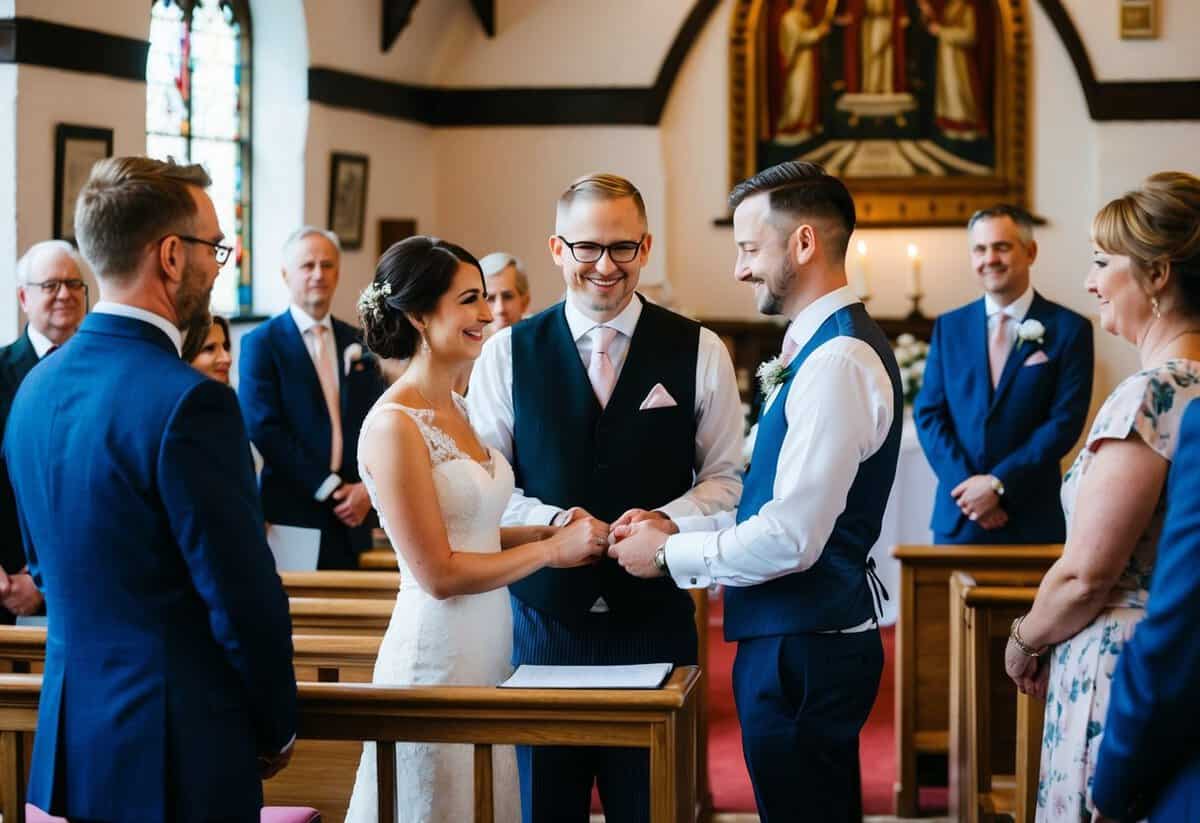
In urgent situations, there might be special licenses available that could allow for an even quicker wedding. Understanding the steps involved can help you navigate the process smoothly. If you’re in a hurry to say “I do,” knowing what to expect can make all the difference.
Getting married is an exciting journey, and knowing the quickest route can help set your plans in motion. Let’s explore the details to help you get everything ready for your special day!
Getting Started with Your UK Wedding
Planning a wedding in the UK involves understanding some key legal requirements and choosing the right type of ceremony for you. Here’s what you need to know to kickstart your journey.
Understanding the Legal Requirements
To get married in the UK, you must first meet certain legal requirements. You need to give a notice of marriage at least 28 days before your big day. In this time, you must not be already married or closely related to your partner.
Make sure you are:
- Single
- Widowed
- Divorced
Both you and your partner will also need to provide proof of identity and residency. Remember, same-sex couples have the same legal rights as heterosexual couples. If you plan to enter into a civil partnership, similar rules apply. The important thing is to check any unique local requirements that may exist in your area.
Choosing the Right Type of Ceremony
When deciding how to tie the knot, you have several options. The two main types are civil ceremonies and religious ceremonies.
A civil ceremony is held at a council office or other approved venue. This option is straightforward and usually quicker. If you prefer a more spiritual setting, a religious ceremony may suit you better.
Consider what feels right for you and your partner. You may also want to look into locations that cater specifically to couples wanting simple, quick weddings. Each choice comes with its own set of requirements, so be sure to check what is needed for the type of ceremony you select.
The Administrative Process
Getting married in the UK involves several important steps. You need to give notice, gather essential documents, and be aware of any special circumstances that may apply to you. Here’s a closer look at these steps to help you through the process.
Giving Notice of Marriage
The first step in getting married is to give notice of marriage at your local register office. You must do this at least 28 days before your wedding. During this time, the office will display your notice for a month. This allows anyone to raise an objection, if necessary.
You can give notice together or separately. Both of you need to be present, and it’s advisable to book an appointment in advance. When you go, bring proof of name, age, and nationality. This can include a valid passport or your birth certificate. Additionally, you should provide proof of address, like a utility bill.
Gathering Essential Documents
Preparation is key to a smooth wedding process. You’ll need to collect various documents to meet the requirements. Essential documents include:
- Proof of Name: A valid passport or birth certificate.
- Proof of Age: Your birth certificate or a passport.
- Proof of Address: Recent utility bills or bank statements.
- Proof of Nationality: A passport or national identity card.
If you are a foreign national, make sure to check your visa and immigration status. You may need extra documents, such as proof of your ability to marry in the UK. Sometimes, this could involve getting a certificate of no impediment from your home country.
Dealing with Special Circumstances
Sometimes, special circumstances arise that affect the marriage process. If you or your partner are in the Armed Forces, you can apply for a special license. This can reduce the notice period in very urgent situations.
If you are a foreign national, your situation may require more clarification. You might need to show additional proof of your immigration status. In some cases, if you’re unable to provide certain documents, the register office may give you a way to proceed.
Always communicate with your local register office about your specific needs. They can guide you through the process based on your unique situation.
Planning Your Wedding Day
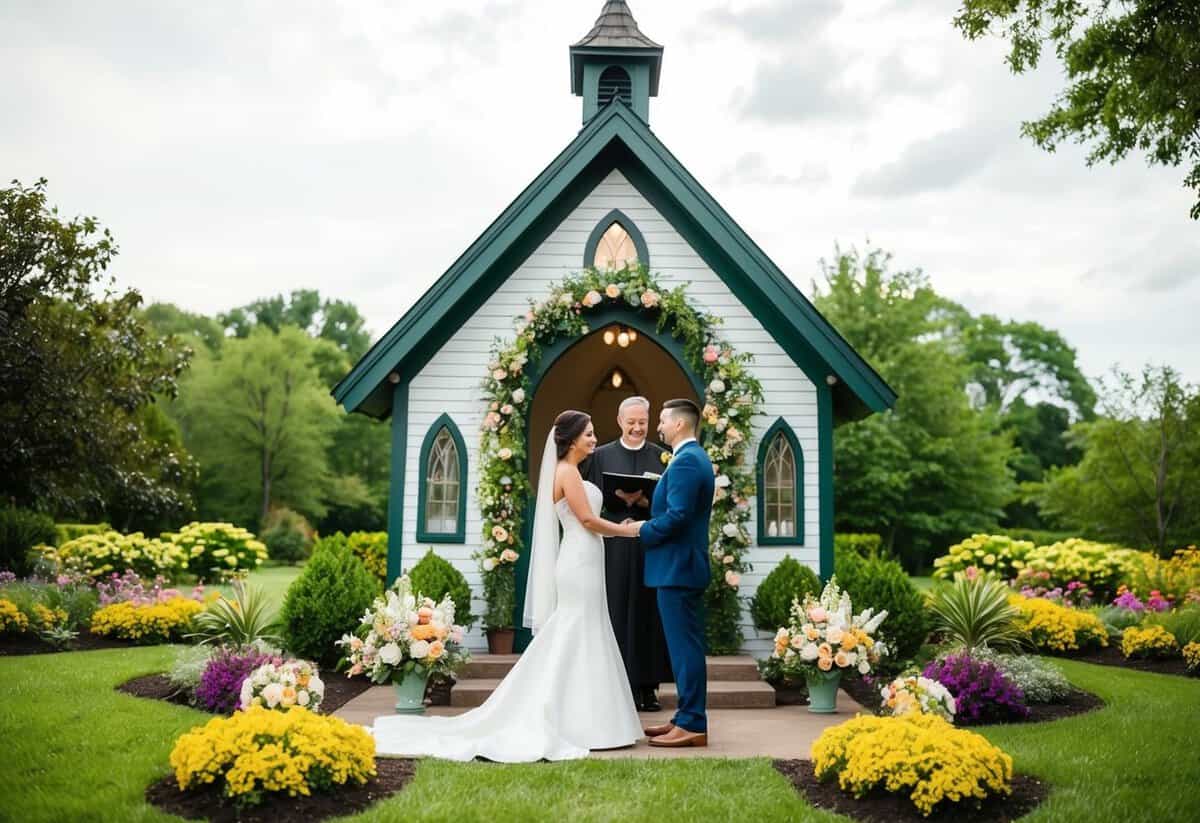
Planning your wedding day involves making important decisions about your venue, budget, and details of the ceremony. Each step is vital to ensure a smooth and joyful experience.
Selecting a Venue and Setting a Date
Choosing a venue is a crucial step in your wedding planning. You can select a traditional place like a church or an Anglican venue. If you prefer something simpler, look for civil wedding locations.
Consider factors like capacity, accessibility, and ambiance. Popular options include the Church of England, the Church of Wales, or beautiful outdoor settings.
Once you narrow down your venue choices, pick a wedding date. Remember to give notice to a registry office at least 29 days before your wedding. This allows you to secure your date while ensuring all legal requirements are met.
Organizing the Big Details
Next, focus on organizing essential details for your wedding. Start by deciding on the type of ceremony you want. Will it be religious or civil? Each option has different requirements and vibes.
Afterward, think about the wedding dress, rings, and other significant items. Make a checklist to track everything needed for the ceremony. Don’t forget to include vendors for catering, flowers, and photography.
If you’re feeling overwhelmed, hiring a wedding planner can relieve some stress. They can help coordinate the various elements to keep everything on track.
Finalizing the Budget and Payment
Setting a clear budget is key to a successful wedding. Start by estimating costs for the venue, catering, and attire. This will help you understand how much you need to save.
When you have a budget, ask about fees and payment schedules for your chosen vendors. Some may require deposits upfront.
Keep a close eye on your spending to avoid surprises. Create a simple spreadsheet to track expenses related to your wedding checklist, ensuring you stay within budget while planning the day of your dreams.
Cultural Considerations and Traditions
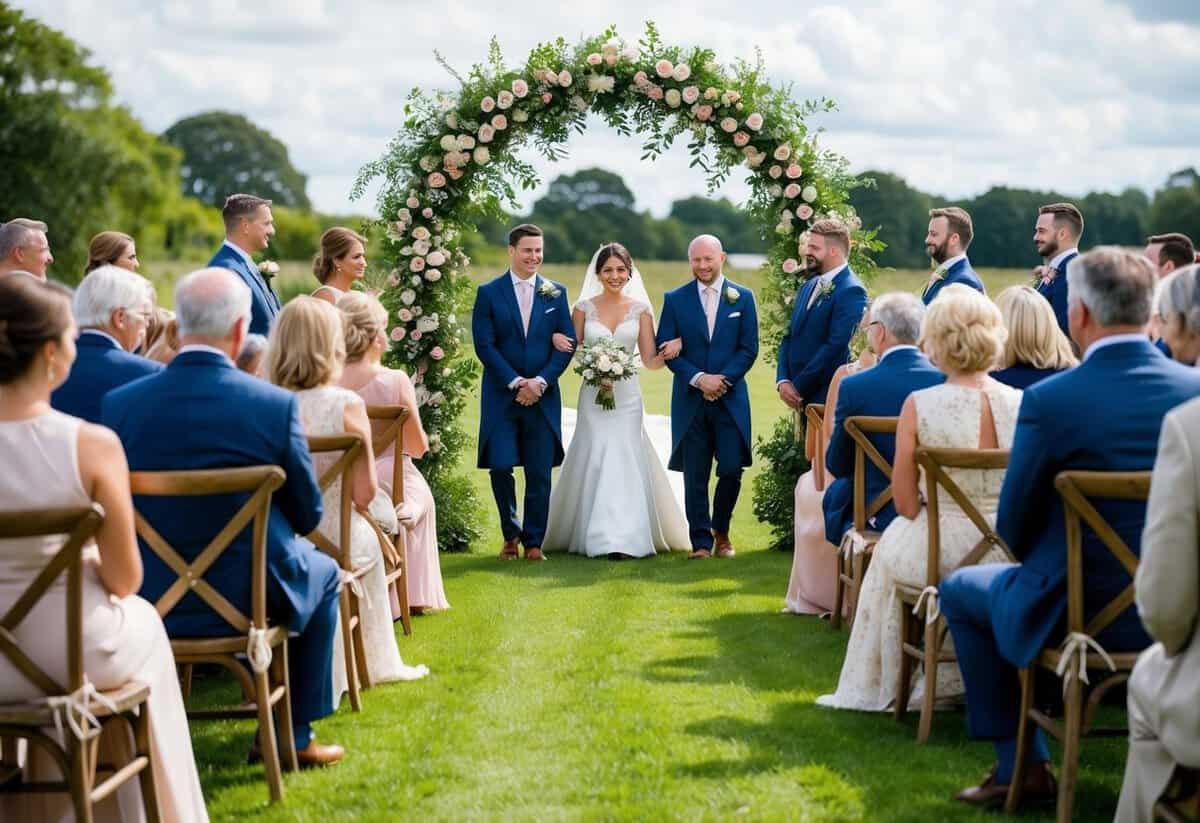
In the UK, wedding traditions can vary widely based on culture and personal beliefs. You might encounter both civil ceremonies and religious weddings.
Civil Ceremonies: Couples who prefer a simple, legal way to get married often choose these. They take place at a registry office or other approved venues.
Religious Weddings: If you’re part of a faith community, you might choose a religious ceremony, like those offered by the Church of England. These ceremonies often include rich traditions and rituals.
Civil Partnerships: Introduced for same-sex couples, these offer similar legal recognition to marriage. This option is a great choice if you want the benefits of marriage without the traditional label.
Many couples blend both civil and religious elements in their wedding. This can create a unique ceremony that reflects your beliefs and values.
It’s important to consider the traditions that best resonate with you.
In the UK, there’s also a growing acceptance of same-sex couples who wish to marry or enter partnerships. Cultural changes ensure that your relationship is recognized and celebrated.
Feel free to explore various customs, as UK weddings can include personal touches, such as specific readings, songs, or family traditions, making your day special and meaningful.