
What is the Rarest Month to Get Married? Discover the Surprising Data!
Choosing a wedding date can be both exciting and overwhelming. If you’re looking for a unique time to tie the knot, you might be curious about the rarest month to get married. January and February are often considered the rarest months for weddings, with just a small percentage of couples choosing these winter months for their big day.

Winter weddings can be cozy and enchanting, making them special in their own right.
Most people typically plan their weddings during the warmer months of spring or summer. However, saying “I do” in the colder season can offer you different options and a chance for stunning winter-themed decor.
By exploring the benefits of a January or February wedding, you may discover the perfect date that stands out from the crowd. Whether it’s to save money or to have a more intimate celebration, your choice of a rare wedding month can create a memorable experience.
Understanding Wedding Seasons

Wedding seasons greatly affect your planning and choices. Knowing the trends, costs, and conditions of each month can help you decide when to tie the knot for the best experience.
Popularity and Trends
Certain months see more weddings than others. June, September, and October are known as popular wedding months.
Here’s a quick look at the key trends:
- June: Ideal for summer weddings.
- September: Offers beautiful fall colors.
- October: Known for its mild weather and stunning foliage.
The rarest months to get married are often January and February. Many couples overlook these months due to colder weather, making them the least popular choices. While popularity can help you choose a venue, consider how trends can also affect pricing and availability.
Cost Considerations
The month you choose to get married will impact your budget. Popular months generally come with higher costs. Venues may charge more during peak wedding season, which makes finding discounts more difficult.
Look at the cheaper months:
- January and February: You’ll find reduced rates as these are off-peak.
- March and November: These months also see fewer weddings, potentially lowering costs.
Opting for these months could allow you to free up funds for other aspects of the wedding. Think about how aligning your wedding budget and month can help you maximize your resources.
Weather and Venue Availability
Weather plays a significant role in your wedding planning. Summer weddings often mean outdoor venues, which can be at a premium during peak months.
Consider these factors:
- Winter weddings can provide a magical atmosphere but require indoor venues.
- Fall weddings offer beautiful scenery but may bring rain or unpredictable weather.
Booking a venue early is important for any season. Popular months can fill up quickly. Keep in mind that less popular months might provide you with more options and flexibility. This can make your planning process smoother and more enjoyable.
Factors Influencing Wedding Month Choice
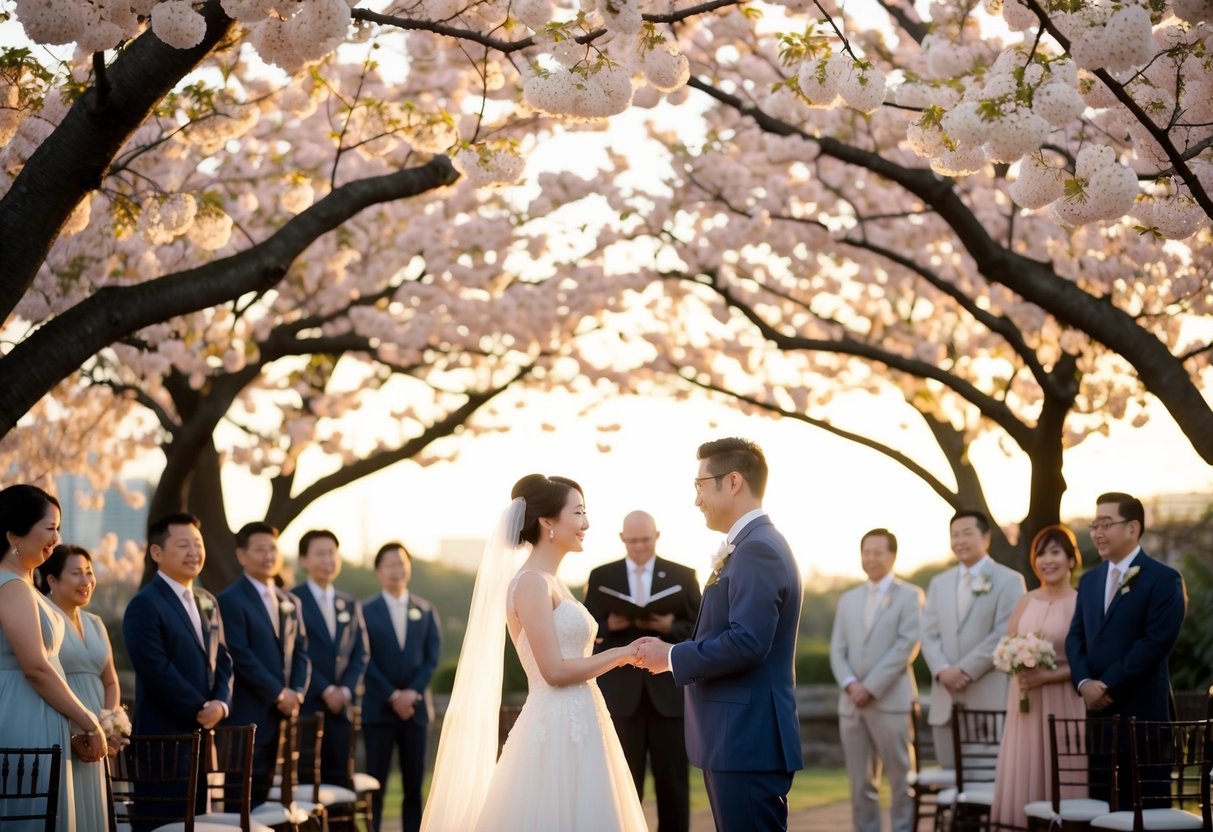
Choosing the right month for your wedding can be a fun yet challenging decision. Your personal tastes, cultural beliefs, and even the desire to stand out can all impact this choice. Here are some factors to consider when deciding when to tie the knot.
Personal Preferences
Your personal style plays a big role in selecting the perfect wedding month. Some couples love the idea of a summer wedding, thriving in the warmth of July and August.
Others might prefer a cooler setting like September or December, which can provide a cozy atmosphere.
Consider the vibes you want for your wedding theme. Do you envision outdoor venues filled with floral arrangements or a winter wonderland? Knowing your preferences will help guide your choice. Be sure to discuss your ideas with wedding vendors, as they can offer valuable insights based on popular trends during specific months.
Cultural and Superstitious Beliefs
Cultural backgrounds can strongly influence your wedding date. Many cultures have specific months that are considered lucky or auspicious.
For example, June is often chosen by couples due to its historical association with Juno, the Roman goddess of marriage.
Superstitions may also guide your decision. Some couples avoid planning weddings on certain days, like Friday the 13th, believing it brings bad luck.
Research these beliefs to find a date that resonates with you and your families. Incorporating these traditions can make your wedding feel even more special.
Non-Traditional Choices
If you want to break from tradition, consider non-traditional wedding dates.
Weekday weddings are becoming increasingly popular due to lower costs and greater availability of venues and vendors. Many couples choose to marry in less popular months like January or February when demand is lower.
Destination weddings also provide opportunities to choose unique months and settings. Whether it’s a beach in December or a spring garden in March, non-traditional choices can make your celebration unforgettable. Embrace your individuality and select a date that truly reflects you as a couple.
Planning Your Unique Wedding
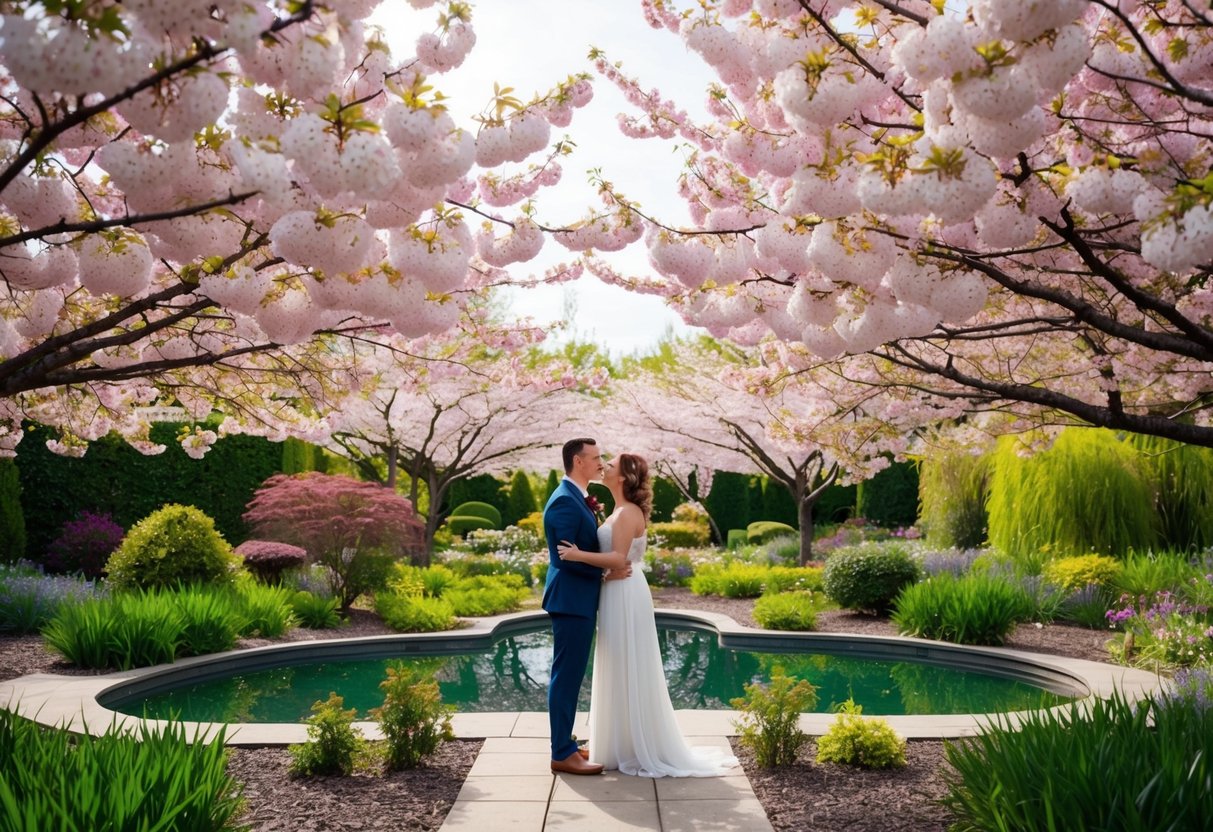
Choosing a rare month for your wedding can create a truly special experience. Planning around this unique date can also help you make the most of your budget and your preferred location.
Selecting Your Special Date
Choosing a unique wedding date can set the tone for your entire event. If you’re considering the rarest months—like January or February—keep in mind that these times often offer more availability at venues and vendors.
Look for a date that holds personal significance to you. Maybe it’s the anniversary of your first date or a winter wedding for a cozy feel. Choosing a meaningful date can make your celebration even more memorable.
Also, think about seasonal elements. A dusty rose color palette will pair beautifully with the soft tones of winter. You could even opt for a summer celebration in July, which is popular but might provide a different vibe than a quieter month.
Making the Most of Off-Peak Months
Planning your wedding in an off-peak month can be both budget-friendly and stress-free. Venues often offer lower prices during these times, which can help you stretch your wedding budget further.
Consider outdoor weddings in fall or spring. These can enhance your wedding photos with stunning natural backdrops. Additionally, having your celebration in a less busy month means more personal attention from vendors.
When scheduling your wedding date, think about potential holidays. Being mindful of holidays can help you choose a date that fits your guest list’s availability. This can result in a more intimate and enjoyable experience for you and your loved ones.