
What is the Rarest Month to Get Married? Discover Unique Wedding Trends!
If you’re planning your wedding and want to stand out, knowing the rarest month to get married can help. January is the least popular month for weddings, making it a unique choice if you’re looking for something different.
Many couples flock to warmer months during the wedding season, opting for January can mean less competition for venues and vendors.
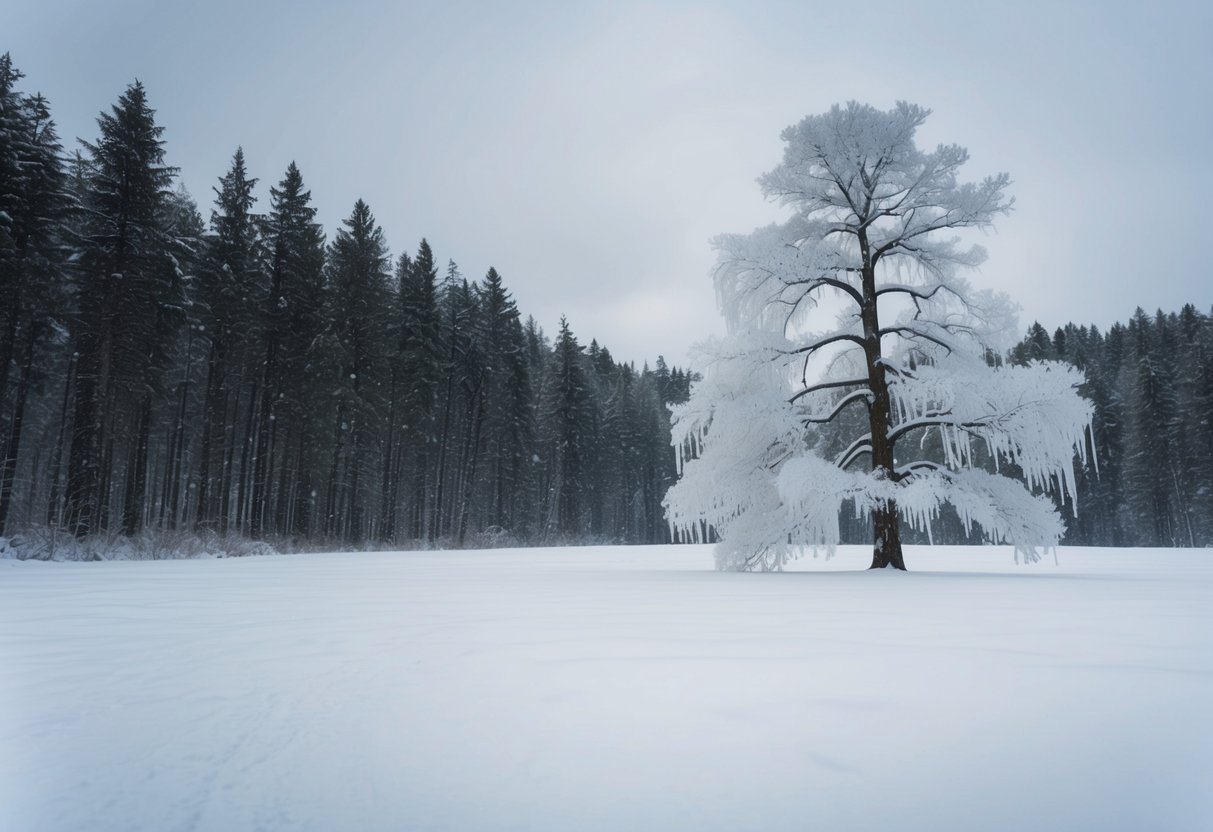
Choosing a winter wedding can create a cozy, romantic atmosphere. With fewer weddings taking place, you might find better deals and more availability for your preferred locations and services.
Plus, a January wedding could allow you to kick off the new year with a fresh start alongside your partner.
Understanding wedding trends can help you plan effectively. If you want an intimate celebration without the hustle of peak wedding times, consider the charm of a January wedding. You might just discover that this rare month is perfect for your special day.
Deciding on the Perfect Wedding Month
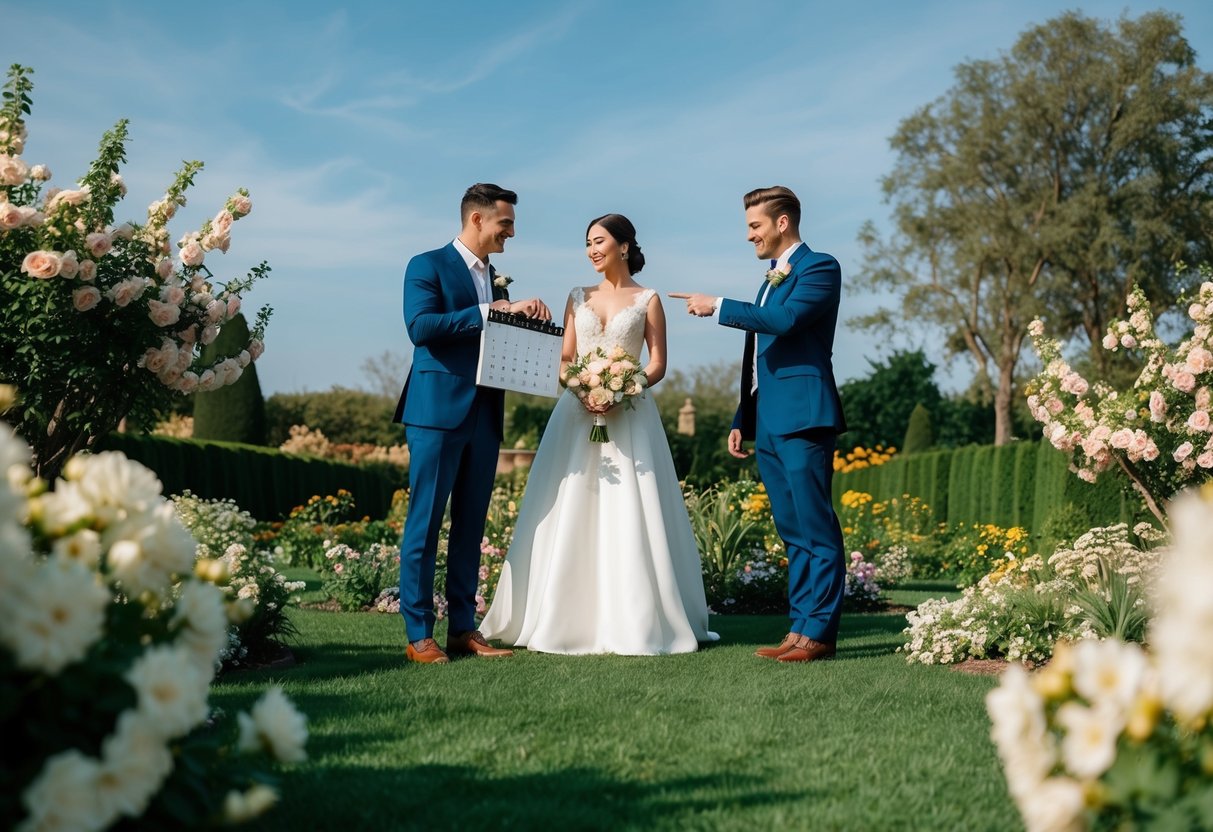
Choosing the right month for your wedding is exciting but can be challenging. Several factors influence your choice, including the season, your budget, and your dream setting.
Factors Influencing Wedding Month Choice
When deciding on your wedding month, consider the season that matches your vision. Think about whether you envision a cozy winter wedding or a vibrant summer celebration.
Each season has its unique charm and can create a memorable backdrop for your big day.
Also, think about your budget. Some months, like January and February, might offer cost savings due to being less popular.
Venues and vendors often provide discounts during these off-peak times, helping you save money while still creating your dream wedding.
Finally, consider any personal factors. If you have a meaningful date, like an anniversary, that could influence your wedding date.
Pros and Cons of Different Seasons
Each season has distinct pros and cons that can affect your wedding plans.
Spring Weddings:
- Pros: Beautiful blossoms and mild weather. Perfect for outdoor weddings.
- Cons: Rain can be unpredictable, so have a backup plan.
Summer Weddings:
- Pros: Longer days and brighter skies mean great photography.
- Cons: Heat can be a factor, especially for outdoor venues. Consider comfort for your guests.
Fall Weddings:
- Pros: Stunning fall colors create a romantic backdrop. Cooler temperatures are more comfortable.
- Cons: This is often a peak wedding season, which means higher costs.
Winter Weddings:
- Pros: Unique themes like snowy wonderlands can be magical. Often lower venue costs.
- Cons: Travel for guests can be challenging. Weather can limit venue options.
By considering these points, you can find the best month for your wedding that aligns with your vision and budget.
Wedding Costs and Budgeting

Planning a wedding involves balancing the costs while ensuring you have the day you envision. Understanding when to get married and how to budget can make a significant difference in your expenses.
Cheapest Months to Tie the Knot
Choosing the right month can greatly affect your wedding costs. January, February, and March are typically among the cheapest months to get married. These off-peak months often see lower venue prices since demand is less.
Additionally, you can take advantage of vendors looking to fill their calendars during these slower times.
You might save on everything from flowers to photography. If you prefer a summer wedding, consider late fall or early winter, when prices generally drop.
Planning during these periods can help stretch your budget further, allowing for extra fun in other areas of your celebration.
Balancing Budget and Venue Options
Finding the right venue is crucial, and your budget should guide this choice.
Popular wedding months like June and September often come with higher price tags. If these times are a must, look for venues that offer packages or off-day discounts.
Don’t forget about non-traditional venues. Parks, community centers, and even backyards can be beautiful alternatives that fit your budget better.
Creating a budget breakdown can help visualize how much of your total you can allocate to each part of the wedding.
List essential items and prioritize them based on importance to you and your partner.
Maximizing Discounts and Deals
There are plenty of ways to maximize your savings when wedding planning.
Signing up for vendor newsletters often provides you with exclusive discounts. You can also ask venues about off-season rates.
Consider negotiating prices, especially if you plan to book multiple services with the same vendor. Many offer package pricing that can save you money.
Use cash-back apps or local promotions to fill in other gaps in your wedding budget. These small savings can quickly add up, allowing you to indulge in additional features you may desire for your special day.
Creative Themes and Flourishing Details
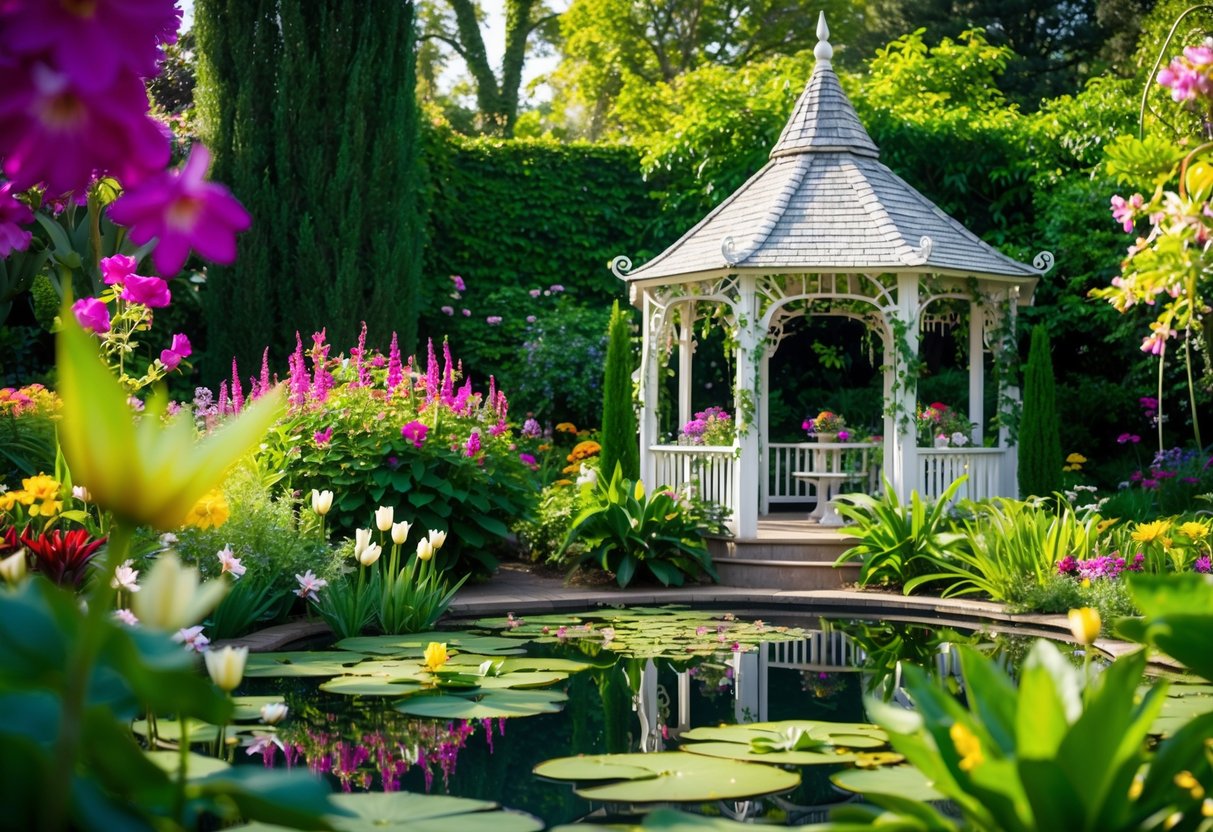
When planning a wedding, choosing a theme and floral arrangements can add a personal touch. Different seasons offer unique opportunities to create memorable visuals and experiences that reflect your style.
Thematic Choices for Each Season
For spring weddings, consider themes like “Garden Party” or “Rustic Charm.” You can bring in elements like pastel colors and natural textures. Incorporate flowers like peonies and tulips for vibrancy.
In summer, a beach or tropical theme shines. Think bright colors and fun decorations. Floral arrangements with sunflowers and daisies can enhance the bright atmosphere.
Autumn weddings can embrace “Harvest” or “Bohemian” themes. Deep colors like burgundy and burnt orange create a cozy feel. Use seasonal blooms like chrysanthemums and dahlias for stunning arrangements.
For winter marriages, consider a “Winter Wonderland” theme. Use silvers and whites to mimic the snowy landscape. Evergreens and roses in dusty rose tones make elegant centerpieces that capture the season’s magic.
Floral Arrangements Across the Year
When selecting flowers, think about what’s in season.
In spring, go for tulips, daisies, and cherry blossoms. These flowers symbolize new beginnings and freshness.
Summer allows for colorful options. Sunflowers and roses in vibrant hues create a cheerful atmosphere. You can also consider outdoor arrangements with wildflowers for a more casual vibe.
As autumn approaches, fill your arrangements with chrysanthemums, roses, and leaves in rich, warm colors. These not only enhance your theme but also bring the beauty of the season indoors.
For winter, opt for evergreens, amaryllis, and white roses. These create a classic look that pairs well with a cozy indoor setting, especially during formal celebrations.
Unconventional Wedding Ideas
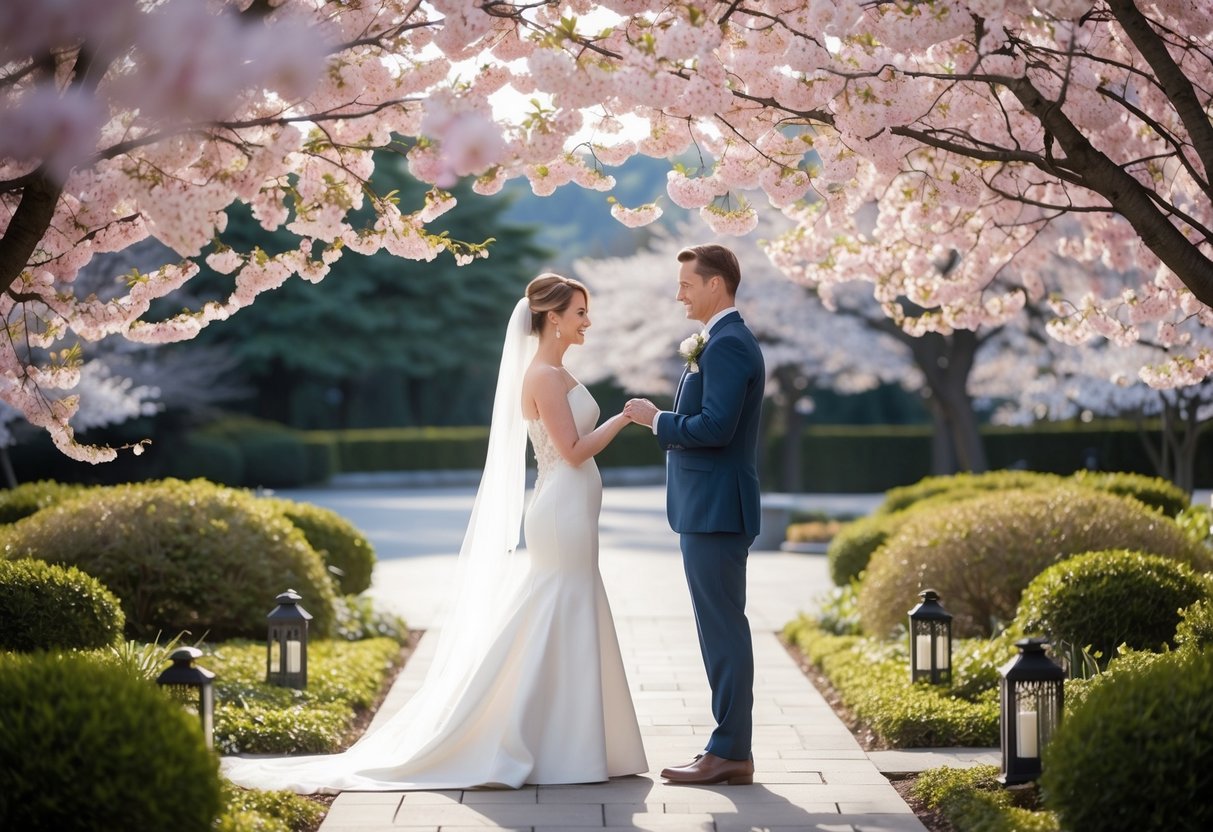
Considering something different for your big day can make it truly memorable. You might want to explore weekdays for your celebration or consider unique superstitions that shape your wedding plans.
Weekday Weddings – Breaking Norms
Many couples choose traditional Saturdays for their weddings, but weekday weddings offer a fresh alternative.
You can save money on venue rentals and often get better rates with vendors since they’re not as busy during the week.
Additionally, your guests may appreciate the chance to celebrate on less conventional days.
Imagine a romantic Tuesday evening ceremony when everyone is relaxed. You can host a beautiful intimate gathering with friends and family.
Popular destinations for weekday weddings include cozy locations like beach resorts or vineyards. You can enjoy a stunning setting without the hustle of weekend crowds.
Plus, many locations offer special packages for weekday events.
Unique Wedding Superstitions
Wedding superstitions are a fun and quirky part of traditions. Many cultures believe that specific rituals can bring good luck or ward off bad vibes for your marriage.
For example, people consider it lucky to see the bride in her wedding gown before the ceremony. This can help ease nerves for both partners. Some couples choose to incorporate these fun beliefs into their wedding themes.
Another interesting superstition involves the wedding location. Many people believe that outdoors is often seen as a good omen. Destination weddings can also play into this. Locations with significant meaning to you might bring extra blessings to your special day.
Don’t forget to connect with your wedding vendors about these traditions. They might have creative ideas to include them in your celebration!