
What is the RSVP Rate for Weddings? Understanding Guest Responses and Expectations
When planning your wedding, understanding the RSVP rate is key to ensuring everything goes smoothly. On average, you can expect about 75-85% of your invited guests to attend your special day. This number can vary based on factors like the location of your wedding, the time of year, and whether it’s a destination event.

Knowing the typical RSVP rates helps you make better decisions about your guest list and seating arrangements. You’ll want to consider the dynamics of your guest list—family, friends, and colleagues all play different roles that can affect attendance.
As you dive deeper into this topic, you’ll discover tips for managing RSVPs and strategies to maximize your attendance. Understanding RSVP rates can also help you plan a celebration that feels just right for you and your loved ones.
Understanding RSVP

RSVPs are crucial for organizing a successful wedding. They directly affect your guest list management and help determine the guest count, which is essential for planning everything from seating to catering.
The Importance of RSVP in Wedding Planning
When you send out invitations, you’re asking guests to let you know if they can attend. Their responses help you manage the guest list effectively. Knowing how many are able to join ensures you have enough seats, food, and favors.
An average RSVP rate for weddings is around 83%, meaning most guests are likely to say yes. However, it’s wise to prepare for some declines. Keep in mind that factors like location, timing, and personal relationships can impact how many positive RSVPs you receive.
Interpreting the RSVP Rate
Interpreting your RSVP rate is key to understanding your wedding’s dynamics. A high rate means more guests celebrating with you, which can create a lively atmosphere. Conversely, a lower rate may mean you can enjoy a more intimate gathering.
Be prepared for around 17% of guests to decline the invitation. Using this data, you can adjust your plans accordingly. For example, if you invite 100 guests, around 83 may RSVP yes. Adjusting your budget and seating arrangements based on these estimates will lead to a smoother event and a stress-free day.
Factors Influencing RSVP Rates
Several key factors can affect how many guests say yes to your wedding invitation. Understanding these elements can help you plan better and manage expectations.
Impact of Wedding Location
The location of your wedding plays a significant role in the RSVP rate. If your celebration is in a popular or accessible area, local guests are more likely to attend. A wedding held in a city or near friends and family generally receives a higher RSVP rate.
On the other hand, if the venue is remote or hard to reach, out-of-town guests may decline. They may find travel costs and logistics challenging. Therefore, choosing a convenient location can simplify things for your guests and boost attendance.
The Effect of Destination Weddings
Destination weddings can be exciting, but they often lead to lower RSVP rates. While some guests may love the idea of a vacation, others might hesitate due to travel expenses and time commitments.
For instance, if your wedding is in a beautiful beach location, couples should consider how many guests can realistically attend. You might want to think about sending save-the-dates early. This gives guests more time to plan and make arrangements, which can enhance your response rate.
Weekday vs. Weekend Celebrations
The timing of your wedding also influences RSVPs. Weekend weddings typically attract more guests. Saturday is often the most popular day, as it allows for travel and late-night celebrations without work interruptions.
Weekday weddings usually see lower RSVP rates. Many guests have work commitments that can make attending difficult. If you choose a weekday, consider hosting a smaller wedding. This choice can create a more intimate atmosphere, but you should be prepared for less attendance overall.
Optimizing Your Guest List
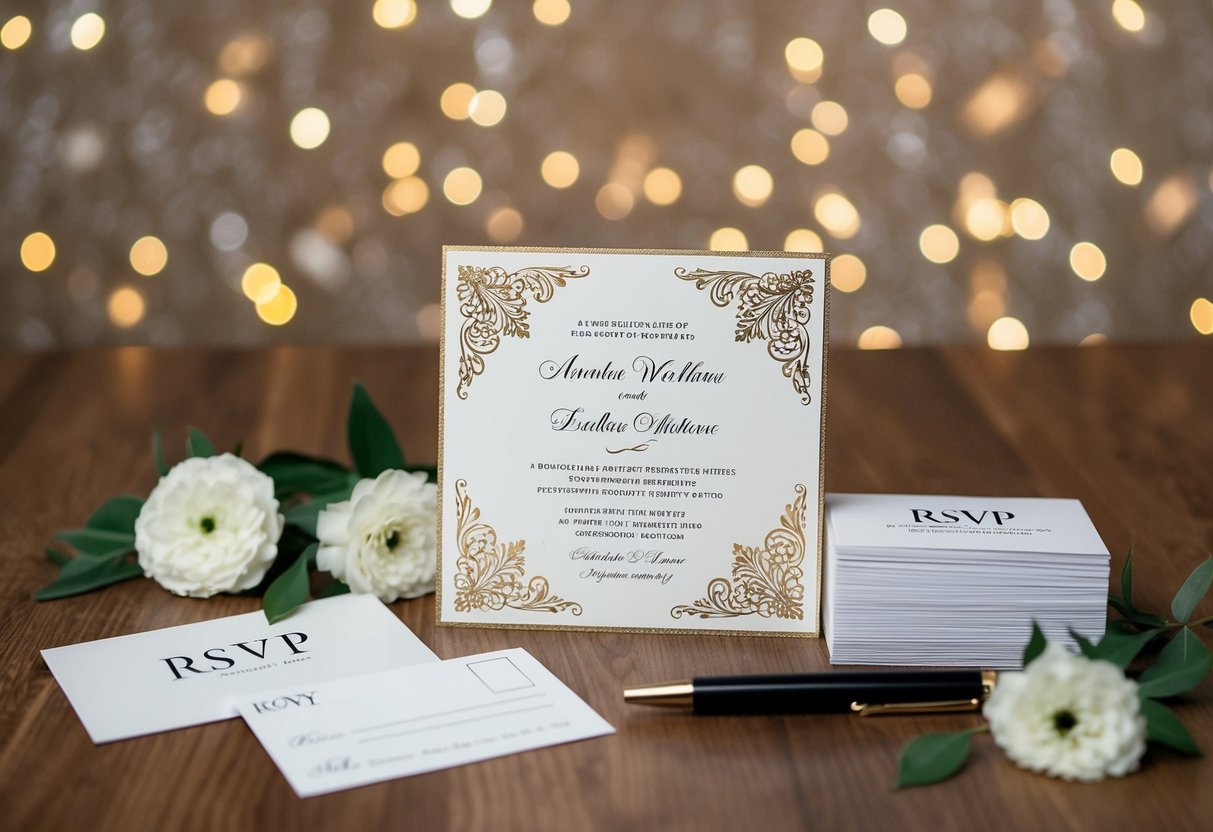
Crafting your wedding guest list can be both exciting and challenging. By focusing on your priorities and using the right tools, you can make this process smoother and more enjoyable.
Creating a Manageable Wedding Guest List
Start by defining your must-have guests. These are usually close family and friends. You should aim for a balance between your personal preferences and your family’s wishes.
Consider breaking your guest list into categories, such as “Must-Have,” “Nice-to-Have,” and “Optional.” This way, you can keep track of who matters most.
The average number of wedding guests varies, but many couples invite around 150 people. If you want a smaller wedding, aim for 50–70 guests.
Stay organized with a digital wedding guest list. This helps you track RSVPs efficiently and can simplify the planning process.
Leveraging Save-the-Dates and Invitations
Using save-the-dates can set the tone for your wedding. They inform your guests about the date and location early on, so they can plan accordingly.
Make your save-the-dates memorable but simple. Include only essential information, like the date and venue. This way, your guests will be excited and informed.
When sending out invitations, pay attention to timings. Sending them out 6–8 weeks before the big day allows guests ample time to respond.
You want to increase your RSVP return rates. When designing your wedding invitations, include clear RSVP instructions that make it easy for guests to respond.
Using Online Tools for Guest Management
Online wedding RSVPs can simplify your planning. Many websites offer tools to manage your guest list efficiently.
Look for features that allow you to track who has responded, dietary restrictions, and contact information. This helps streamline your communication with guests and caterers.
A wedding guest calculator can also be beneficial. Enter your total number of invitees to estimate your expected attendance based on average RSVP rates. For example, if you invite 100 guests, expect around 83 to accept your invitation.
Utilizing these online tools not only saves time but also reduces stress during your planning process.
Nurturing Personal Relationships to Boost Attendance
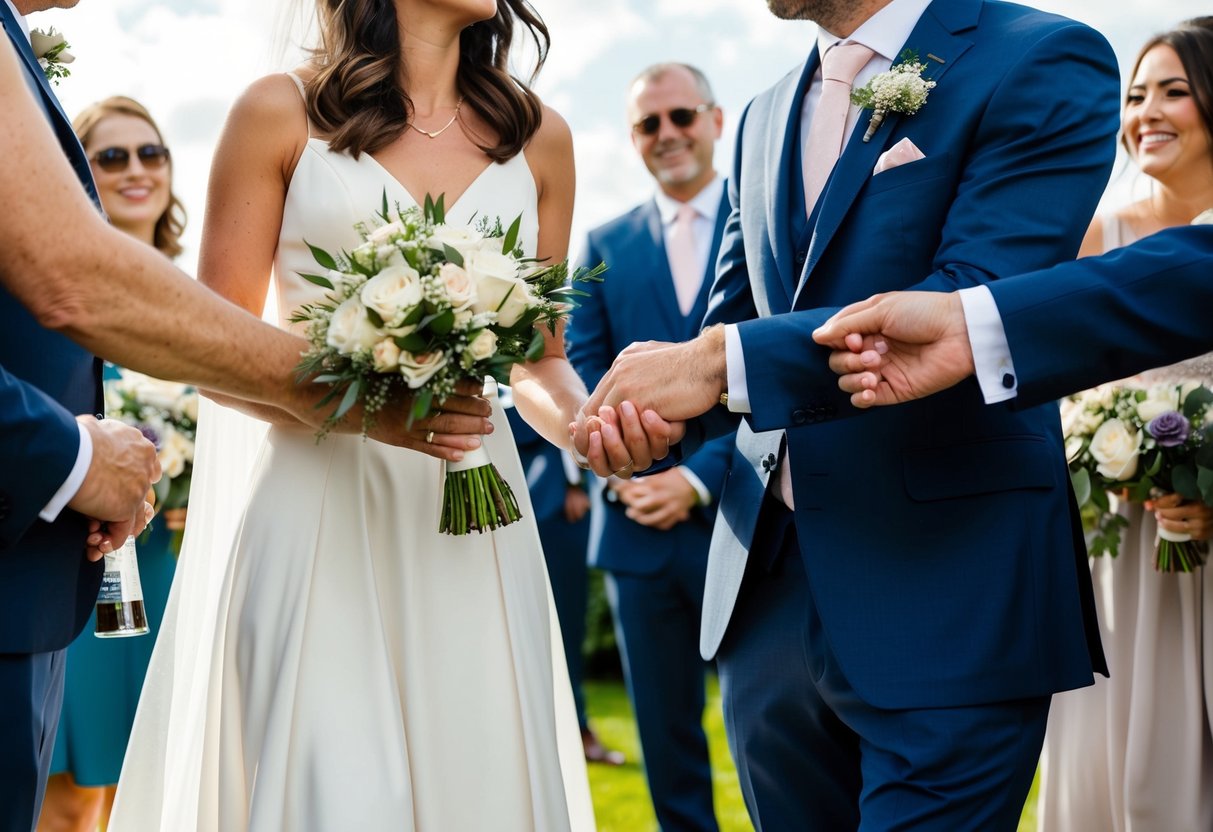
Building strong personal connections can influence your wedding guests’ decisions to attend. When people feel valued and connected, they are more likely to respond positively to your invitation. Here are some important aspects to consider.
The Role of Personal Connections in RSVPs
Personal relationships play a big part in how guests weigh their attendance. When you invite close friends and family, they often feel more inclined to RSVP yes. The strength of your bond can directly impact the overall RSVP rate.
For example, close friends are generally more supportive and invested in your big day. They want to celebrate with you and are likely to prioritize your wedding over other obligations.
In contrast, acquaintances or distant relatives might hesitate, reducing their chances of confirming attendance. The percentage of wedding guests who say yes is often higher among those you share special connections with.
Strategies for Increasing Acceptance Rates
To boost acceptance rates, focus on nurturing your personal relationships. Start by making personal outreach a priority. A phone call or a heartfelt message can make a significant difference compared to a standard invitation.
Consider addressing your invitations personally. Use your guests’ names and mention shared experiences. This shows that you value your relationship, making them more likely to accept.
Use reminders as an opportunity to reconnect. A simple text or call before the RSVP deadline can encourage guests to confirm their attendance. This can help increase the likelihood that they’ll make travel arrangements.
Remember, the more your guests feel connected to you, the higher the chance of a positive RSVP.