
What is the Rule for Brown Shoes? A Guide to Perfect Pairing
The rules around wearing brown shoes in men’s fashion can feel a bit confusing. Brown shoes are typically less formal than black shoes, making them a great choice for business casual outfits or relaxed events. While you might be tempted to wear them to formal occasions, like black tie events, it’s best to stick with black shoes for those situations.
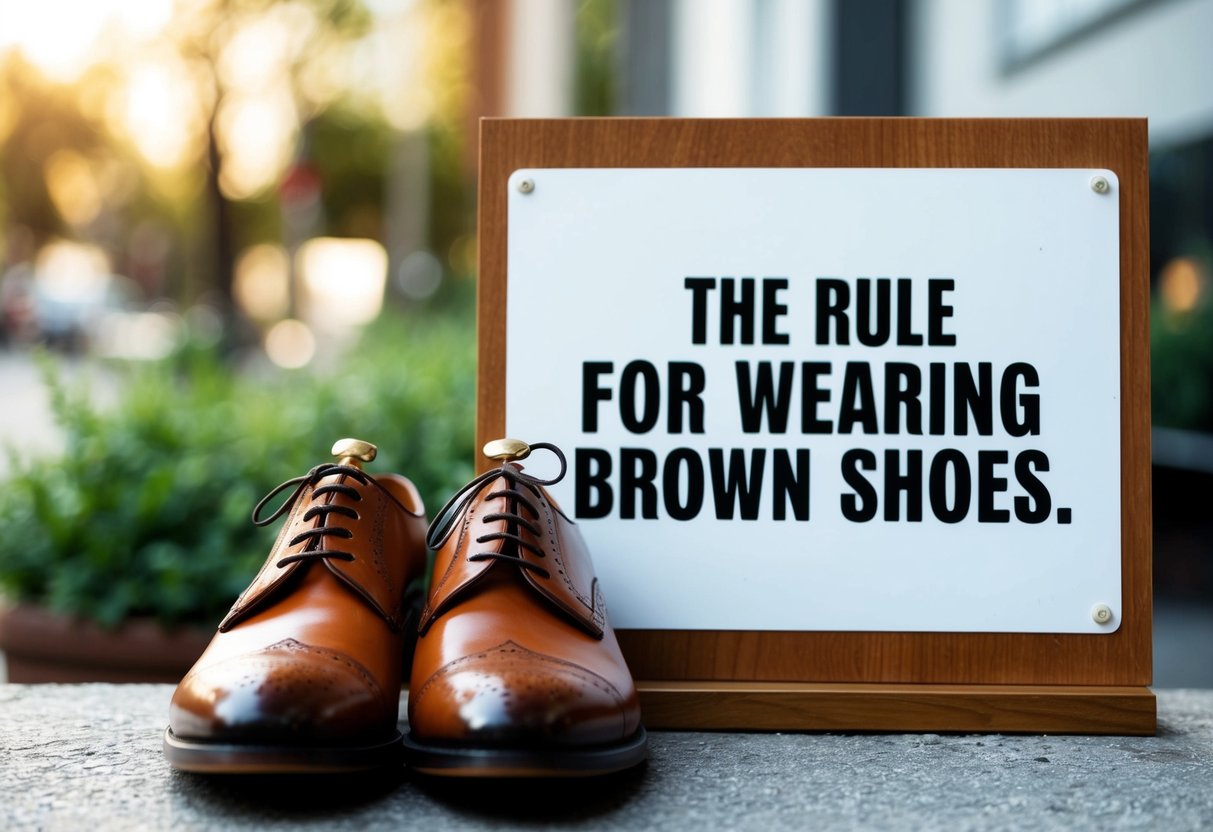
The saying “no brown in town” highlights the traditional view that brown shoes are not appropriate for more conservative settings. However, brown shoes can showcase your personal style in creative fields and other relaxed environments. Knowing when and where to wear them can elevate your look while keeping you within the style rules.
Understanding these guidelines will help you navigate your wardrobe with confidence. Whether you’re dressing for a casual day out or a formal event, knowing the right times to wear brown shoes will keep your style sharp.
The Basics of Brown Shoe Versatility
Brown shoes are a great addition to your wardrobe because they can be both stylish and functional. They can work with various outfits, making them a versatile choice. Knowing some key rules will help you wear them with confidence.
Understanding the ‘No Brown in Town’ Rule
The ‘No Brown in Town’ rule often comes from traditional dress codes. It suggests that brown shoes are not suitable for highly formal settings, like business meetings or city events.
In these cases, you might want to choose black shoes, especially for formal attire like a black suit. However, this rule is evolving. Many creative fields allow brown shoes to bring personality to your outfits.
You can wear your brown shoes in less formal settings, like at the office, or during social events like brunch. Just be mindful of the outfit and setting you choose.
Contrast and Coordination with Clothing
Pairing brown shoes with your outfits can be simple. They work well with many colors and styles, but some combinations are better than others.
For example, brown shoes look great with navy suits. The contrast between the dark blue and warm brown creates an appealing visual.
Similarly, brown shoes can match nicely with khakis or denim. This combination gives a relaxed yet polished look.
When choosing your outfit, consider the shade of your brown shoes. Darker brown shades tend to look better with darker clothing, while lighter brown can complement lighter colors.
Always think about the overall color scheme to ensure you create a balanced look.
Matching Brown Shoes with Different Outfits
Pairing your brown shoes with the right outfits can enhance your style significantly. Whether you’re dressing up for a formal event or going casual, knowing how to match brown shoes effectively is key. Let’s explore how to do this for various occasions.
Formal Attire and Dress Codes
When it comes to formal attire, brown dress shoes can be a stylish choice, especially with a charcoal grey suit. The warm tones of brown create a pleasing contrast.
For dress codes that lean towards traditional, such as business meetings, ensure your shoes are well-polished and choose a classic style like oxfords.
Avoid pairing brown shoes with black dress shoes in the same outfit; this creates a confusing look. Stick with solid colors like white or pastel dress shirts for a clean appearance.
Casual Looks and Everyday Wear
Brown shoes work beautifully with casual outfits. For example, you can wear brown shoes with blue jeans for a relaxed yet put-together vibe. The combination looks great for outings or casual Fridays at work.
If you prefer a more textured look, try pairing your brown shoes with flannel or corduroy pants; these fabrics add visual interest.
For black jeans, brown shoes can lighten the outfit. A simple t-shirt or a casual button-up complements this look well.
Selecting the Right Shade for the Occasion
Choosing the right shade of brown is important. Lighter shades work well with spring and summer outfits, while darker brown shades suit fall and winter looks.
Always consider the color palette of your outfit. For example, if you wear a tweed jacket, darker brown shoes match perfectly with the earthy tones.
You don’t need your belt to exactly match your shoes, but coordinating shades can enhance your appearance. Opt for a belt that is slightly darker than your shoes for a cohesive look.
Specific Footwear Types and Their Rules
When it comes to footwear, each type has its own set of rules. Understanding these can help you make better choices in different settings.
Oxford Shoes and Formal Settings
Oxford shoes are a classic choice for formal events. These shoes are usually made of leather, adding a touch of elegance to your outfit. Brown leather Oxfords can work in more relaxed settings, but remember, they are generally less formal than black Oxfords.
For a polished look, pair your brown Oxfords with navy or charcoal suits. You can also wear them with dress pants and a crisp white shirt.
Avoid pairing them with overly casual attire. Remember, it’s all about matching the shoe’s formality to your outfit.
Boots, Loafers, and Casual Settings
Boots can vary widely in style and formality. Brown leather boots offer versatility, making them suitable for casual outings. Styles like Chelsea boots or desert boots pair well with jeans or chinos.
Loafers, on the other hand, bring a relaxed vibe. Brown loafers can be worn without socks for a laid-back look during warmer months. Pair them with tailored shorts or light chinos for a stylish touch.
Go for a simple, casual shirt for a balanced appearance. Both boots and loafers give you freedom to express your style while keeping comfort in mind.
Sneakers and Ultra-Casual Occasions
Sneakers are the ultimate choice for ultra-casual occasions. They come in many styles, colors, and materials, including brown leather. This makes them easy to match with a variety of outfits.
For a relaxed weekend look, you can wear brown sneakers with jeans and a t-shirt. This combination is perfect for running errands or meeting friends.
If you choose to wear sneakers with cotton shorts, go for a clean design to keep it stylish. Remember, the key to sneakers is comfort without sacrificing aesthetics.
Understanding Leather and Shoe Care
Taking care of your leather shoes is essential for ensuring their longevity and maintaining their appearance. Knowing how to properly maintain both brown and black shoes will keep them looking their best and help you make wise choices about colors and care products.
Maintaining Leather Shoes for Longevity
To keep your brown and black leather shoes looking new, it’s important to clean and condition them regularly.
Start by removing any dust or dirt with a soft brush or damp cloth. This will prevent scratches and damage to the leather surface.
Next, apply a suitable leather cleaner to remove stains. For brown leather, choose products that match the leather’s shade.
Once clean, use a leather conditioner to keep the material supple and prevent drying or cracking. Conditioning helps maintain the natural oils in leather, especially for dark brown shoes, which can fade without proper care.
Don’t forget to shine your shoes occasionally with a quality wax or cream for an extra polish.
The Importance of Shoe Color in Maintenance
The color of your shoes, especially brown shoes, can impact how you care for them. Different shades of brown may require different cleaning products or dyes.
Always check the product label to make sure it’s appropriate for your shoe’s specific dye. For example, dark brown leather might show scuffs more than lighter shades. You can use a color-matching polish for touch-ups on small scratches.
Additionally, consider the occasion and environment. Brown shoes can show dirt more clearly than black shoes, so you might need to clean them more frequently if worn in muddy or dusty places. Understanding these nuances will help you keep your footwear looking sharp and stylish.