
What is the Rule for Wedding Invitations? A Simple Guide to Getting It Right
When you plan a wedding, the details matter. This includes your wedding invitations.
The invitations are your guests’ first impression of the big day. They set the tone for how they perceive the event. A key rule to remember is to include all essential information, like the date, time, and location, to avoid any confusion.
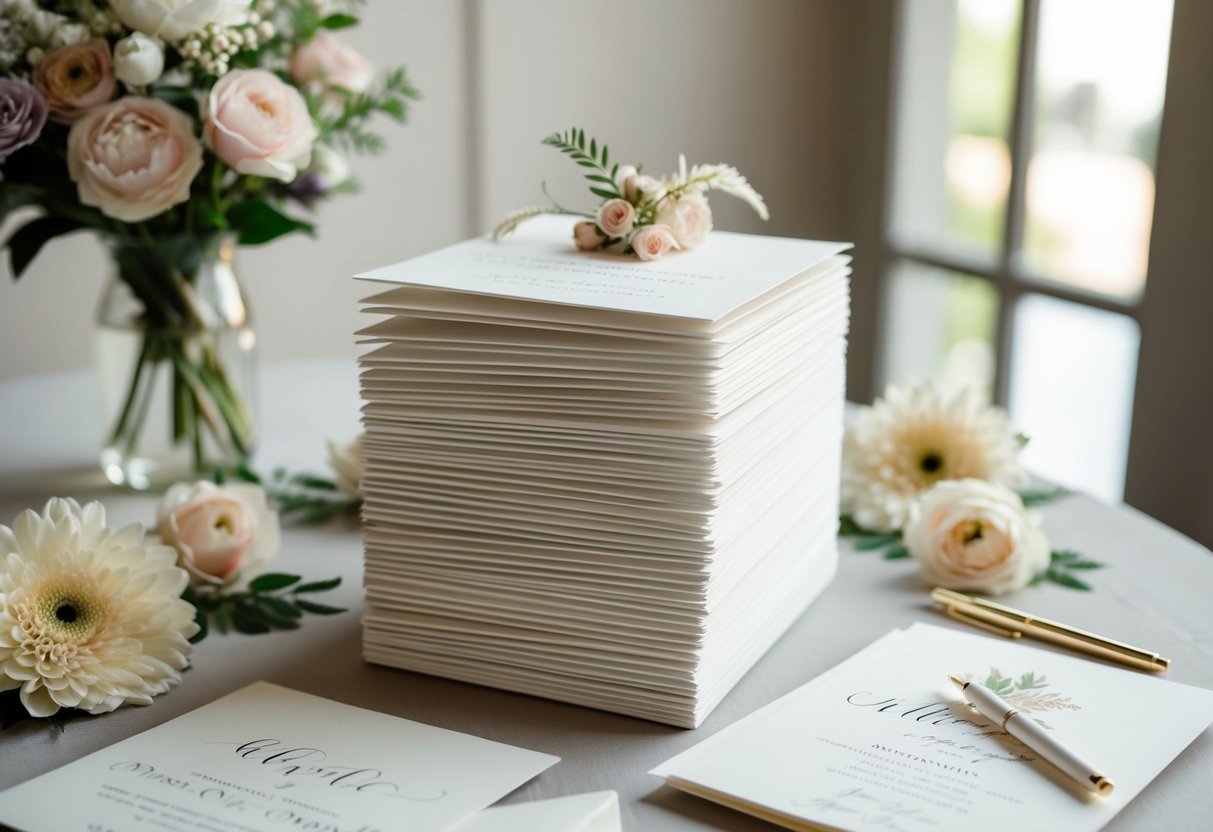
Proper etiquette ensures that guests know what to expect and can plan accordingly. The more advanced notice you give, the better, allowing everyone to adjust their schedules to celebrate this important occasion with you. By following these simple guidelines, you can help create excitement and keep your guests informed.
Engaging and clear invitations not only reflect your style but also show your guests how much you care about their presence. Understanding the rules for wedding invitations can shape a smooth and enjoyable experience for everyone involved.
Designing Your Wedding Invitations
When planning your wedding invitations, two key aspects are essential: the design and the wording. Each of these elements plays a crucial role in setting the tone for your big day.
Choosing the Right Invitation Design
Selecting the right design is all about reflecting your style as a couple. Think about your wedding theme and colors. This will guide you in choosing an appropriate design.
Consider these tips:
- Match the Theme: Use elements like floral patterns or geometric shapes to echo your wedding decor.
- Personalization: Add a monogram or a special quote that represents your relationship.
- Material Matters: From classic paper to modern digital formats, choose what feels best for you.
Invitations should be aesthetically pleasing but also functional. Remember to ensure clarity with key details like date, time, and venue in a readable font.
Determining the Invitation Wording
Wording your invitations correctly is vital for conveying the right message. Follow the traditional guidelines laid out by experts like Emily Post, or personalize it based on your style.
Here are some examples:
- Formal Invitation: Use a formal tone. For example, “Mr. and Mrs. Smith request the honor of your presence at the marriage of their daughter…”
- Casual Invitation: Keep it light. Something like, “Join us for a fun celebration as we tie the knot!”
Make sure to include RSVP details so your guests can easily respond. This is an important detail that ensures you can plan accordingly.
The Essentials of Invitation Information
When planning your wedding invitations, it’s crucial to include key information. This ensures that your guests know the details they need to participate in your big day.
Specifying Ceremony and Reception Details
Make sure to clearly state when and where your ceremony takes place. Include the date, time, and venue for both the ceremony and reception.
Use bold text for important details, like the venue name and address. For example:
Ceremony Location: St. Andrew’s Church
Time: 3:00 PM
After the ceremony, let guests know where the reception will be held. You can list this on the invitation or include a separate details card. This way, guests can easily find all necessary information.
Providing Registry and RSVP Information
Your wedding invitation should also guide guests on how to RSVP. Include an RSVP card that clearly states the date by which they should reply. A common RSVP date is about three to four weeks before the wedding.
Don’t forget to mention your wedding registry information. You can include a brief note that directs guests to your wedding website for gift preferences.
For example:
Please RSVP by: April 15
Registry information: Visit our wedding website for details.
This approach keeps everything friendly and organized, ensuring your guests have all the information they need to celebrate with you.
Etiquette and Addressing Invitations
When planning your wedding invitations, it’s important to follow specific etiquette rules to ensure your guests feel welcomed. Proper addressing and adhering to accepted guidelines can set the tone for your big day.
The Dos and Don’ts of Wedding Etiquette
Do’s:
- Use full names and titles on the outer envelope. For example, Mr. and Mrs. John Smith.
- Include a return address on the back of the envelope. This helps guests return their RSVPs easily.
- Send invitations at least six to eight weeks in advance for local guests.
Don’ts:
- Avoid using nicknames or initials on the envelopes.
- Don’t include extra information like registry details in the invitation; instead, use a wedding website.
- Refrain from hand-delivering invitations to avoid hurt feelings among guests who didn’t receive one personally.
Following these simple do’s and don’ts helps keep everything organized and polite.
How to Address Invitations Properly
Addressing invitations correctly is key for wedding etiquette. Start with the outer envelope, where formality counts. Use titles along with first and last names. For example, for a couple living together, write “Mr. John Smith and Ms. Jane Doe.”
If the couple has distinguished titles, such as military or judicial, you should include them appropriately. Make sure to check resources like Emily Post for guidance on such titles.
Inside the invitation, you can include a less formal greeting if you prefer. Keep in mind, clarity is essential so guests know they are invited. Properly addressing your invitations can help avoid confusion and enhance your wedding experience.
Managing Your Guest List
Creating your guest list can feel overwhelming. You’ll need to balance who you want to invite with your venue size and budget. By deciding about plus-ones and family invites clearly, you can simplify the process and ensure your day is filled with your closest loved ones.
Deciding on Plus-Ones and Family Invites
When planning your guest list, think carefully about plus-ones. This means deciding if your friends or guests can bring someone along.
A common rule is to allow plus-ones for those in serious relationships. For single guests, you might choose to only offer them a plus-one if your budget allows.
Family invites also require thought. Generally, invite immediate family members like parents and siblings first. If your budget permits, consider including extended family too. Make a list, then prioritize those you are closest to. This helps you create a balance that feels right while maintaining control over your numbers.
Organizing Guests for Destination Weddings
Destination weddings add another layer to guest list management.
Start by informing guests early about the location. This gives them time to budget and plan. You might want to set a deadline for RSVPs since travel arrangements need coordination.
When creating your list, focus on those who can realistically attend.
Think about how travel will impact your numbers.
For destination weddings, consider hosting events that help guests mingle. This will make the trip special for everyone involved, ensuring a memorable celebration.