
What is the Rule of Thumb for the Wedding Ring Cost? Essential Tips for Budgeting
When buying a wedding ring, you might feel overwhelmed by figuring out how much to spend. A common rule of thumb is to spend about two months of your income on the engagement ring. Meanwhile, the wedding ring can range from $150 to $4,000 or more. This guideline helps many couples set a budget that feels comfortable without going into debt.
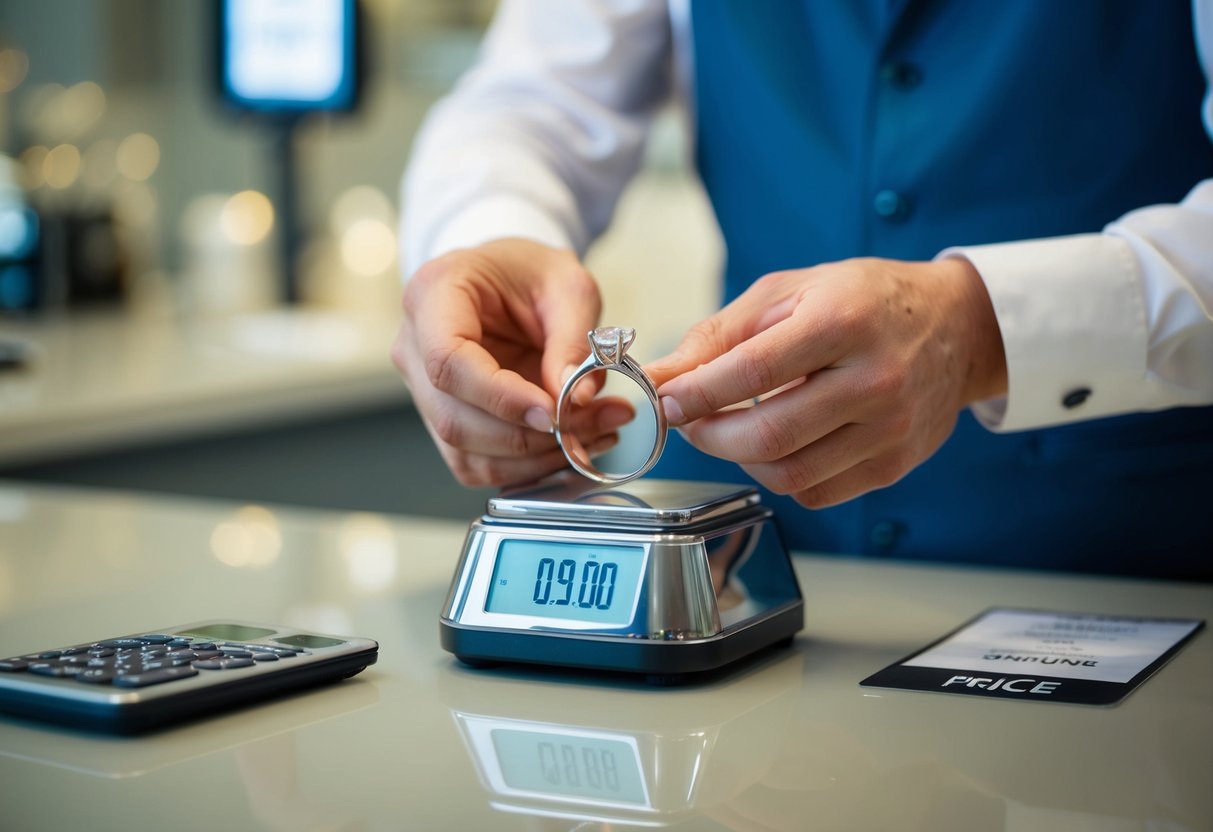
The average cost of an engagement ring has been reported around $6,000, but prices can vary greatly based on factors like the quality of the diamond and the brand. Knowing these numbers can help you make informed choices as you shop for both rings.
By discussing budgets and preferences with your partner, you can find a wedding ring that not only fits your financial plan but also symbolizes your love. The right choice makes the moment even more special.
Understanding Wedding Ring Costs
When planning for wedding rings, it’s essential to know the historical guidelines and the various factors that influence their prices. Understanding these can help you set a realistic budget while ensuring you choose a ring that feels right for you.
Historical Context and the ‘Two Month’s Salary’ Guideline
The idea of spending two months’ salary on a wedding ring came from marketing efforts by companies like De Beers in the early 20th century. They aimed to make diamond rings a symbol of love and commitment. This guideline suggested that a more substantial investment shows the importance of the relationship.
While this rule was popular, it’s not a strict requirement. Your engagement ring budget should reflect your own financial situation. Many couples now choose to spend anywhere from $150 to $4,000 or more based on personal circumstances. It’s essential to focus on what you can afford and what feels meaningful to you.
Factors Affecting Engagement Ring and Wedding Band Prices
Several factors can affect how much you spend on engagement rings and wedding bands. These include the type of metal, style, and size of gemstones. For example, rings made from platinum often cost more than those made from gold or silver. Additionally, the design’s complexity can impact the price. Custom designs typically require more work, leading to higher costs.
Your wedding budget also plays a big role. Some suggest that you spend around 3% of your total wedding budget on rings. For example, if your wedding budget is $20,000, plan to spend about $600 on your wedding bands. Prioritize what is most important for your special day while remaining mindful of your financial situation.
Evaluating the Four Cs of Diamonds
When selecting a diamond for your engagement ring, it’s essential to understand the Four Cs: Carat, Color, Clarity, and Cut. Each of these factors plays a significant role in determining the diamond’s appearance and value.
Carat Weight and Size Considerations
Carat weight refers to the size of the diamond. One carat is equivalent to 200 milligrams. Larger diamonds are often more sought after and can be significantly more expensive, so knowing how much you want to spend on a diamond is crucial.
You can also consider how diamond size is perceived in relation to its carat weight. For example, a well-cut diamond may appear larger than a poorly cut diamond of the same carat weight. This can influence your choice based on visual impact, not just the numerical weight.
Many people find that a diamond in the range of 1 to 2 carats provides a beautiful appearance without being overly pricey. Think about your personal style and preferences when determining the right size for you.
Color, Clarity, and Cut
Color measures the absence of color in a diamond. Most diamonds are graded on a scale from D (colorless) to Z (light yellow or brown). A colorless diamond often is more desirable and will generally cost more.
Clarity assesses the presence of internal or external flaws, known as inclusions and blemishes. Diamonds are graded on a scale from Flawless (no inclusions visible under 10x magnification) to Included (inclusions visible to the naked eye). Higher clarity grades usually lead to higher prices.
Cut refers to how well the diamond has been shaped and faceted. This affects how well the diamond reflects light. A well-cut diamond can show brilliance and sparkle, making it a key factor in your decision.
Balancing these three aspects can help you choose a diamond that looks stunning and fits your budget. Prioritize the qualities that matter most to you when selecting your perfect engagement ring.
Alternative Ring Options and Shopping Tips
Finding the perfect ring doesn’t have to mean sticking with traditional diamonds. There are many other materials and options available that can meet your personal taste and budget.
Choosing Materials and Non-Diamond Rings
When exploring ring options, consider materials like gold, platinum, or even alternative stones such as sapphires, emeralds, or moissanite. These choices can often be more economical while still offering beauty and uniqueness.
Look for rings made from 14kt gold alloys if you’re on a budget. They can be found for $500 to $1,200. Also, consider vintage or second-hand rings, which can often be more affordable and carry special stories.
Online retailers frequently have sales, so keep an eye out. You can also compare prices across different sites to find the best deals.
Lab-Grown Diamonds and Ethical Choices
Lab-grown diamonds are an excellent choice if you want something that looks like a diamond but at a lower cost. They are real diamonds, created in controlled environments. This means they are conflict-free and often 20-40% cheaper than mined diamonds.
You can select various shapes and sizes, ensuring your choice fits your style. Many online retailers have customizable options, so you can design a ring that suits your partner perfectly. Be sure to compare prices and check customer reviews to find a trustworthy seller. This way, you can feel good about your purchase and its impact on the environment.
Balancing Expectations and Budget
When planning for a wedding ring, you need to find a balance between your budget and your partner’s expectations. Start by having an open conversation about what both of you envision.
Consider discussing the average engagement ring price, which is around $1,100. The wedding ring can add another $510 for the groom’s ring. This gives you a starting point for your budget.
You might want to create a list of your preferences for the ring. This can include style, metal type, and any special details like antique engagement rings. Antique rings can often be unique but may come with varying costs.
If your partner has specific desires, make sure to respect them while suggesting options that fit your budget. For instance, if they dream of something lavish, explore alternatives that maintain the essence but are more affordable.
Tips for balancing expectations and budget:
- Set a clear budget before shopping.
- Discuss styles openly to ensure you both agree.
- Research alternatives, like vintage or alternative gemstones, that may lower the cost.