
What is the Seating Etiquette for Couples? A Guide to Dining Together Gracefully
Seating arrangements at a wedding can be tricky, especially when it comes to how to seat couples. The best practice is to seat couples together unless they request otherwise. This approach not only makes them comfortable but also enhances their experience during the reception.
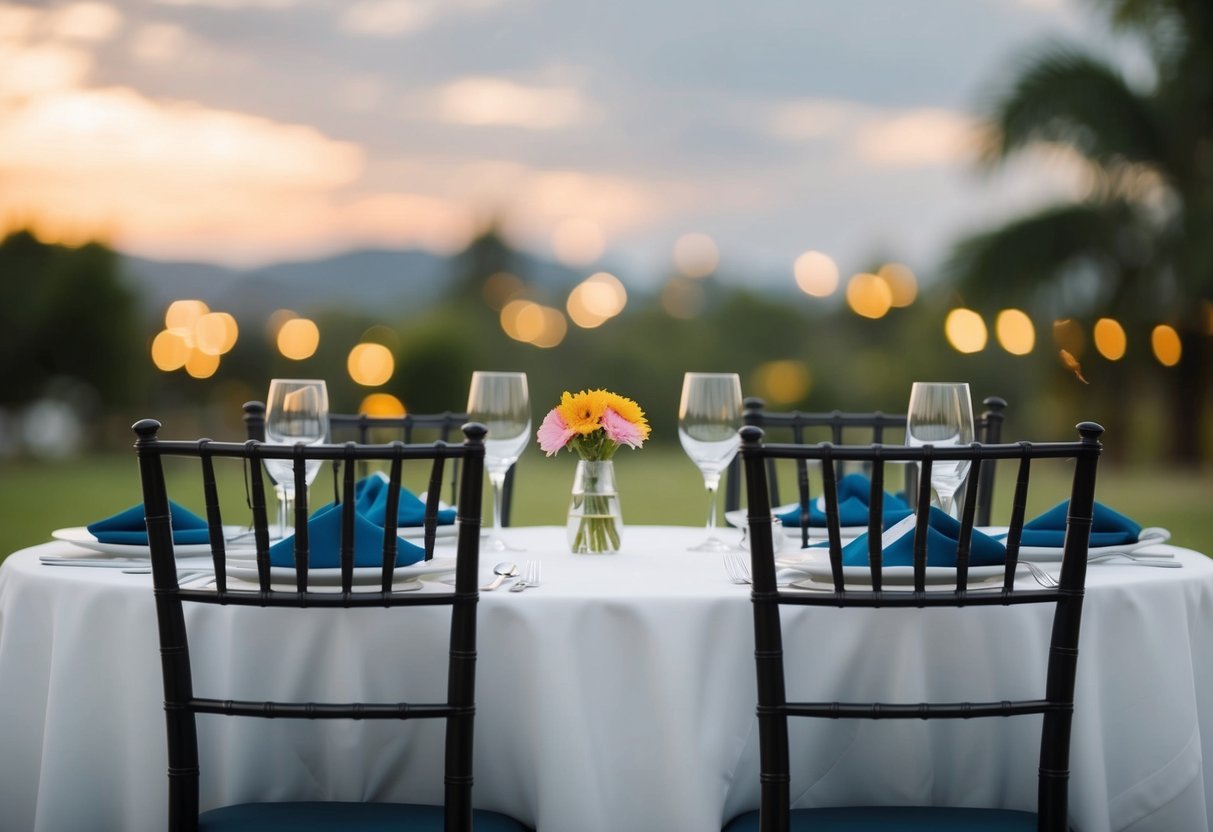
When planning your seating chart, remember that each couple has their own dynamics. Some may prefer to sit side by side, while others might like to face each other.
Keeping communication open with your guests about their seating preferences can help you create a welcoming atmosphere.
Creating a well-thought-out seating arrangement can ease any tension or awkwardness among guests. By considering the relationships and comfort levels of all attendees, you can ensure that everyone enjoys the celebration together.
Understanding Seating Chart Basics

Creating a seating chart is a key part of planning your event. It helps manage your guests’ comfort and ensures everyone has a good time.
You’ll want to consider assigned versus open seating, as well as the types of tables you want to use.
The Importance of a Seating Chart
A seating chart is essential for guiding your guests to their spots. It can prevent confusion and awkwardness, especially in larger gatherings.
By clearly showing where each guest sits, you help them find their place quickly.
You can also use your seating chart to encourage mingling. For example, you might seat friends from different groups together. This can make for fun conversations and a lively atmosphere.
Make sure to display your seating chart prominently at the venue to help everyone easily locate it.
Deciding Between Assigned Seating and Open Seating
When planning your event, think about whether to have assigned seating or open seating.
Assigned seating means each guest has a designated spot. This can work well for formal events, as it helps avoid conflicts and ensures everyone is comfortable.
On the other hand, open seating gives guests the freedom to choose where they want to sit. This can create a relaxed vibe and encourage interaction. However, it may lead to some guests feeling uncertain about where to go.
Weigh the benefits against the type of event you’re hosting when making this decision.
Types of Table Shapes and Layouts
The shapes and layouts of your tables are also important. Common options include round tables and rectangular tables.
Round tables are great for conversation, as everyone can see each other easily. They also allow for more flexible seating arrangements.
Rectangular tables can maximize space and fit into tighter areas of your venue.
Think about your floor plan before choosing table shapes. If you want a more formal feel, consider how different layouts affect the overall look and flow of your event.
Whatever you choose, make sure it suits the atmosphere you want to create.
Navigating Social Dynamics at the Wedding
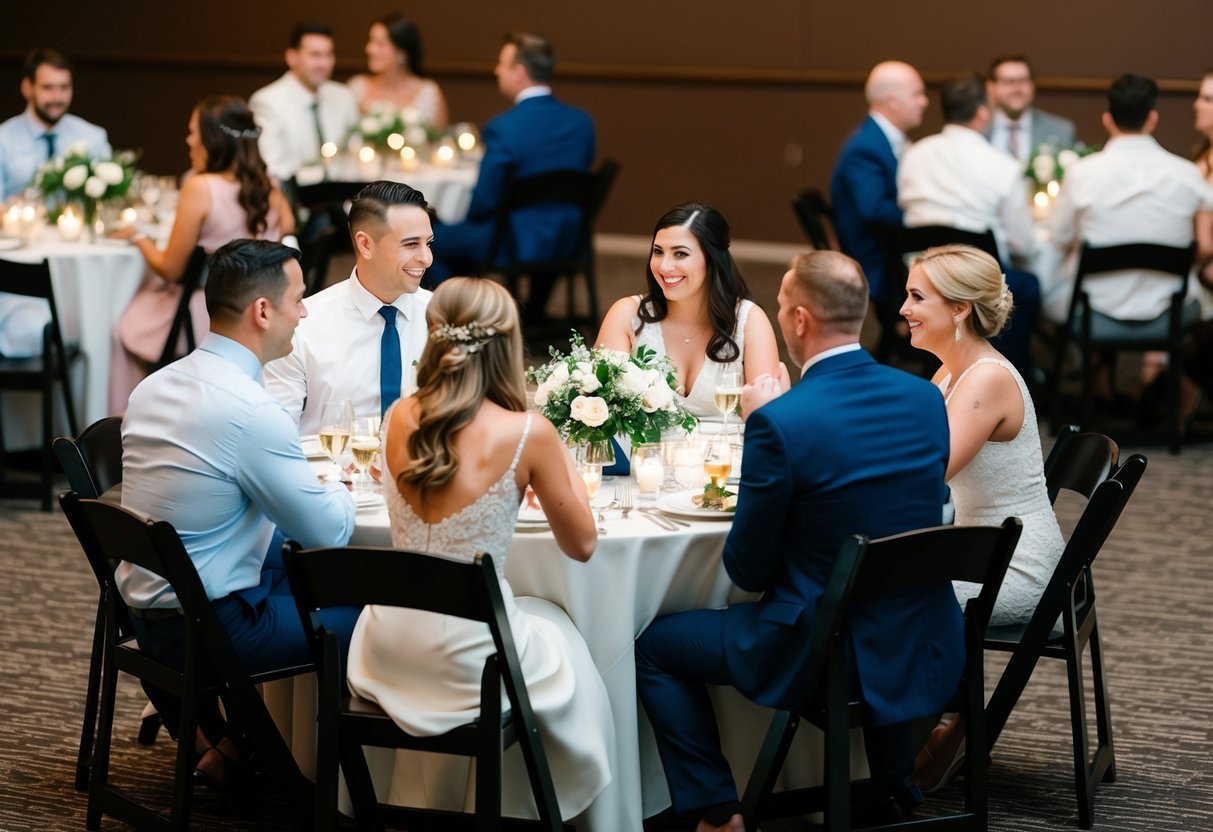
Managing social dynamics at a wedding can be tricky but is essential for a smooth celebration. You want to ensure that every guest feels comfortable and enjoys the day. Here are some key considerations when it comes to seating arrangements.
Handling Divorced Parents and Blended Families
If your parents are divorced, consider how to seat them to avoid tension. Aim to keep a respectful distance between them without making it too obvious. You might place one parent at the family table and the other at a nearby table.
For blended families, try to include all members while being sensitive to existing relationships. A thoughtful approach, perhaps a table for all siblings and their partners, can ease any awkwardness.
Communicate with your parents beforehand to gauge their comfort levels.
Strategically Seating the Singles Table
Creating a singles table can help ensure that guests who don’t come with a partner feel included. Choose a location near the dance floor or bar to encourage mingling.
Consider seating singles together based on shared interests or backgrounds to spark conversations. You could also place some outgoing guests at this table to facilitate engagement.
Make sure the singles table is positioned in a friendly area, not isolated.
Accommodating Kids at the Reception
If kids are attending, think about how to accommodate them during the celebration. A dedicated kids’ table can keep them entertained with activities and age-appropriate seating.
Provide fun options like coloring books or games to engage them.
Ensure that this table is close enough to parents so they can keep an eye on their children without being intrusive. This thoughtful setup allows parents to enjoy the event while kids have their space.
Essentials of Wedding Reception Seating

Getting the seating right at your wedding reception makes a big difference in the comfort and enjoyment of your guests. You’ll want to plan carefully to make everyone feel included and relaxed.
Creating a Wedding Reception Seating Plan
Start by gathering your guest count. Knowing how many people will attend is key to creating an effective seating plan.
Begin drafting your chart by listing the names of your guests. You can organize them by family, friends, or even by how well they know one another. Consider using a digital tool to visualize the layout.
Tip: Keep a few extra seats for last-minute changes or unexpected guests. This flexibility can help you avoid underestimating your space needs and maintains harmony on the big day.
Placing the Head Table and Sweetheart Table
The head table is typically for the wedding party and close family. Position it prominently so guests can easily see the couple and their party.
Alternatively, the sweetheart table is just for you and your partner. This more intimate setup allows for personal moments between just the two of you.
Placement matters: Make sure both tables are close enough to the action while still allowing for comfort and conversation.
This planning helps create an inviting atmosphere, ensuring everyone feels engaged and part of your celebration.
The Role of Place Cards and Escort Cards
Place cards and escort cards are helpful tools for managing guest seating. Place cards show each guest their assigned seat, ensuring they won’t be confused on arrival.
Escort cards list all the guests’ names at a central location. They guide guests to their tables but leave the specific seating to their discretion.
Clearly labeling tables with numbers and ensuring that the seating chart is visible can ease the transition.
Both elements support your wedding reception seating etiquette by making sure everyone knows where to go, enhancing the event’s flow, and creating a stress-free environment for guests.