
What Is the Seating Order for a Wedding Ceremony? A Simple Guide for Your Special Day
Planning a wedding can be exciting but also overwhelming, especially when it comes to details like seating arrangements. The seating order for a wedding ceremony typically places the bride’s family on the left and the groom’s family on the right, creating a beautiful balance as you prepare to say your vows. Understanding where everyone sits is key to keeping the focus on the celebration ahead.
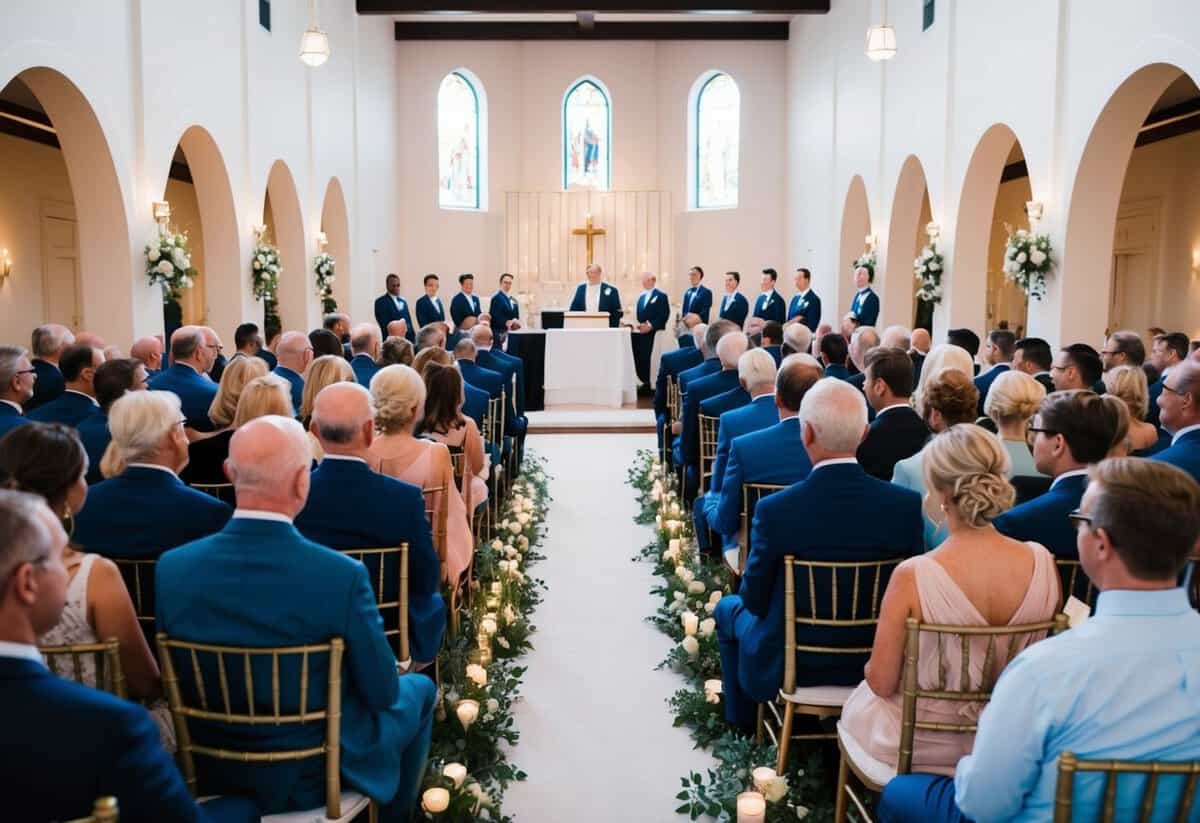
Traditionally, the front rows are reserved for immediate family, with parents seated closest to the altar. This is often followed by grandparents, aunts, uncles, and close friends.
As you arrange the seating, it’s important to consider any special family dynamics or cultural traditions that may influence your choices, ensuring everyone feels included on your big day.
Making decisions about ceremony seating can help set the right tone for your wedding. With some thoughtful planning, you can create a warm and welcoming atmosphere that reflects your style while honoring your loved ones who have come to support you.
Seating Arrangements Explained
Planning your wedding ceremony seating is an important task. Knowing the seating order, the roles of ushers, and how to create a seating chart can make the day run smoothly.
Understanding Ceremony Seating
For a wedding ceremony, seating usually follows a traditional pattern. The parents of the bride typically sit on the left side, while the groom’s parents sit on the right. If you’re having a same-sex marriage, you can assign sides based on family names, like “Bill’s side” and “Kevin’s side.”
Additionally, you might want to set aside reserved seating for close family and special guests. This ensures that those who are most important to you have the best views.
Consider seating preferences for elderly guests or those with mobility issues so they can be comfortable.
Roles of Ushers in Seating
Ushers play a key role in guiding guests to their seats. You’ll need at least one usher per 50 guests. They help prevent bottlenecks, making sure everyone finds their spot without delay.
Before the ceremony starts, ushers escort family members and close friends. It’s helpful for them to know the seating chart well, so they can direct guests accurately.
They should also be friendly and approachable, ready to assist if anyone has questions about where to sit.
Creating Your Seating Chart
When making a seating chart, start by listing everyone you plan to invite. Group family members together and note any special seating requests.
Consider using a simple template that organizes guests into sections. You can divide them by family or relationship to the couple.
If your venue allows, you could use place cards on chairs to indicate where each guest should sit. This adds a personal touch and helps guests feel welcomed. Remember, clear communication about your seating arrangements will keep everyone at ease on your special day.
The Wedding Processional Order
The wedding processional order is an essential part of your ceremony. It sets the stage for the big moment and guides everyone through the key entries. Understanding the typical order can help you plan your processional effectively.
Order of Entrance
In a traditional wedding, the order of entrance typically goes as follows:
- Grandparents: They walk in first and take seats in the front row.
- Parents: The groom’s parents may enter next, often followed by the bride’s mother.
- Wedding Party: The best man and maid of honor usually walk down together, followed by the bridesmaids and groomsmen.
- Flower Girl and Ring Bearer: They often follow next, adding a sweet touch.
- The Bride: She is usually the last to enter, often escorted by a parent or significant person in her life.
This order can vary depending on your preferences or traditions.
Processional Variations
While many weddings follow a traditional processional, you can customize it to fit your style. For example, in a civil ceremony, you might choose a more casual order that reflects your personality.
Some couples enter together to symbolize unity. You can also have a friend escort the bride instead of a family member.
Feel free to mix in special music or a unique theme that reflects your relationship. The key is to create a meaningful experience that feels right for you and your loved ones. You have the flexibility to make this moment truly yours.
Key Ceremony Moments
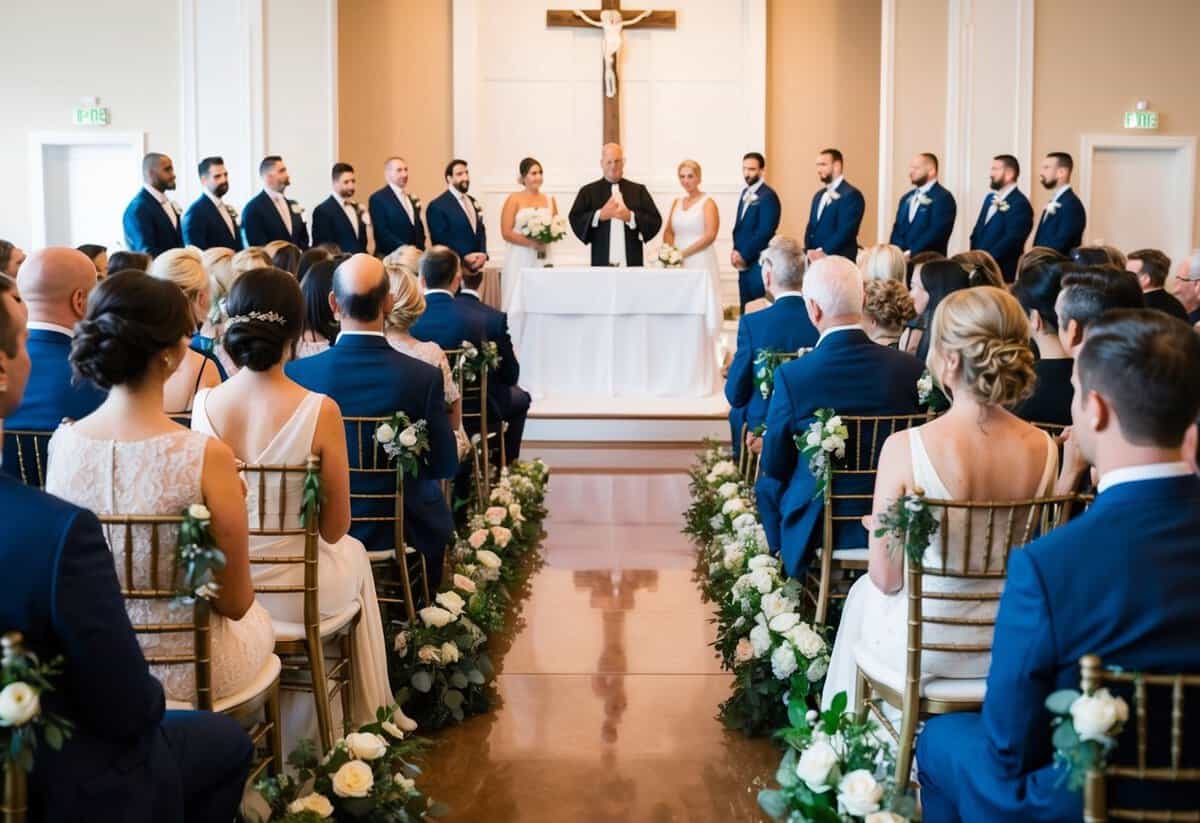
In a wedding ceremony, specific moments stand out. These key highlights include the welcome, the heartfelt vows, the declaration of marriage, and the joyous recessional. Each part carries its own significance and adds to the overall experience of your special day.
Opening Remarks and Welcome
The ceremony begins with the officiant’s opening remarks. This is where you, your partner, and your guests are warmly welcomed.
The officiant may share a brief introduction about the significance of the day and the journey you both have taken to get to this moment. Often, this section includes a few personal anecdotes or quotes that resonate with your relationship. This creates a cozy atmosphere and sets the tone for the ceremony.
Guests may be reminded to silence their phones, allowing everyone to stay present. You want to make sure that everyone feels included as you embark on this beautiful journey together.
Vows and Exchange of Rings
Next is one of the most emotional parts of the ceremony: the vows. You and your partner take turns expressing your love and commitments to each other.
This moment can be personal, with each of you sharing what love means to you.
Following the vows, you will exchange rings. This symbolizes the unbroken bond you are creating. The officiant typically asks for the rings, and then you place them on each other’s fingers, saying a few meaningful words.
The exchange of rings reinforces that your love is a circle, with no beginning and no end. It’s a moment full of love, sincerity, and hope for your future together.
Declaration and Closing Remarks
After the vows and ring exchange, the officiant will declare you married. This declaration is a key legal aspect of the ceremony.
It’s often followed by applause and cheers from your guests, marking a joyous moment.
The officiant then gives closing remarks, thanking the guests for celebrating with you. They may also introduce you as a married couple for the first time.
This creates a perfect opportunity for you to soak in the joy of being newlyweds, surrounded by loved ones. This moment emphasizes your commitment and the beginning of a new chapter in your lives.
The Recessional
The final key moment is the recessional. This is when you and your partner exit the ceremony as a couple.
It’s often a celebratory moment, with joyful music playing in the background.
Typically, you walk back down the aisle together, hand in hand, followed by the wedding party and family members. This symbolizes your new unity and the beginning of your journey as a married couple.
Guests often cheer and throw flower petals or rice, adding to the festive atmosphere. The recessional marks the transition from the ceremony to the celebration that follows, creating a beautiful memory as you start your new life together.
Reception Seating Dynamics
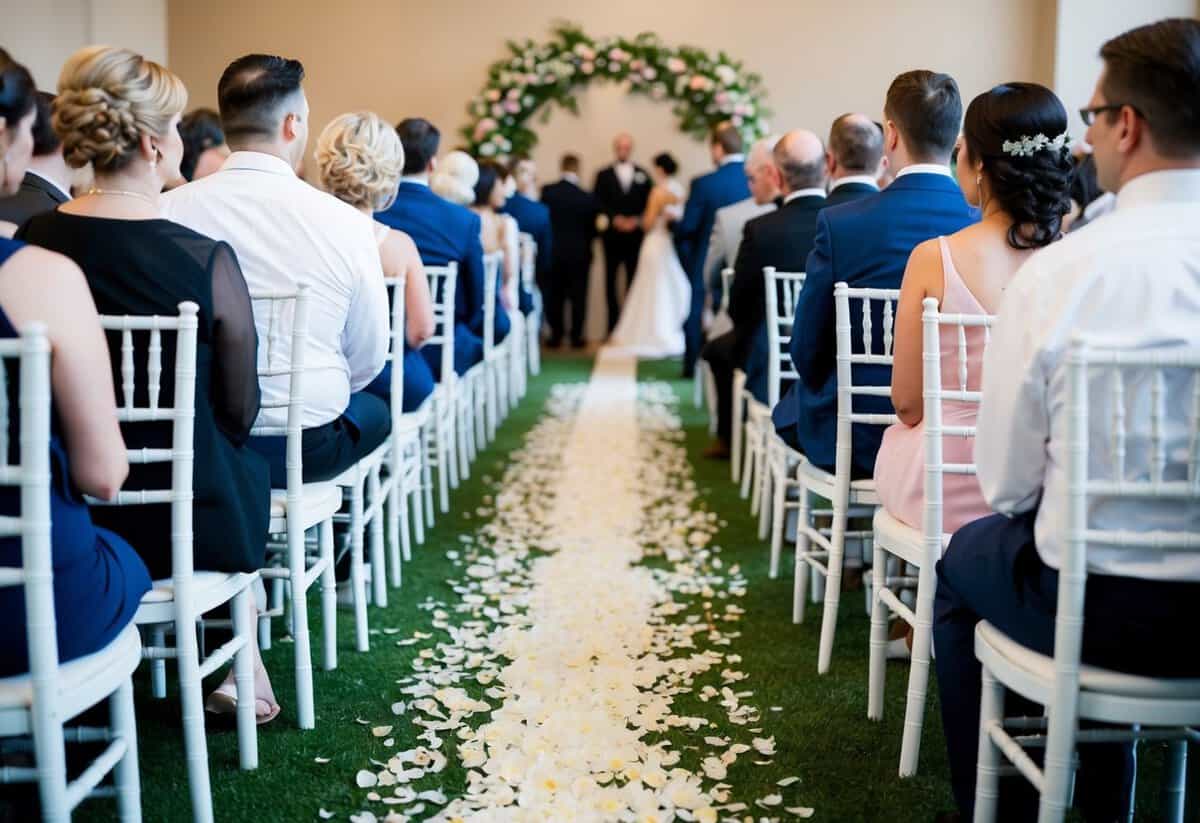
Seating is important at your wedding reception. It affects how guests interact and enjoy the event. Here are some key points to consider.
1. Table Configurations:
You can choose from various table styles, like round, rectangular, or even square. Round tables encourage conversation, while long tables can create a more formal atmosphere.
2. Guest Grouping:
Think about grouping people by their relationships. Place families together and also consider friends or coworkers. This way, everyone feels comfortable.
3. VIP Table:
Your head table is special. This is where you and your partner sit, often with your bridal party. Make it a focal point to highlight the importance of the moment.
4. Guest Preferences:
Consider your guests’ needs. Some may prefer quiet areas, while others love mingling. Keep this in mind when arranging seating.
5. Avoiding Conflict:
If there are potential conflicts, try to seat individuals apart. This helps keep the day joyful for everyone.
6. Accessibility:
Make sure seating is accessible for elderly guests or those with disabilities. A bit of planning can make a significant difference in their comfort.
Create a seating chart to help manage these dynamics. It will save you stress and help ensure your reception flows smoothly!