
What is the Sequence of a Wedding? A Step-by-Step Guide for Your Big Day
Planning a wedding can be both exciting and overwhelming. You might wonder about the sequence of events that will make your day unique and memorable. A traditional wedding ceremony usually begins with the wedding party walking down the aisle, followed by the couple’s vows and the official pronouncement of marriage.
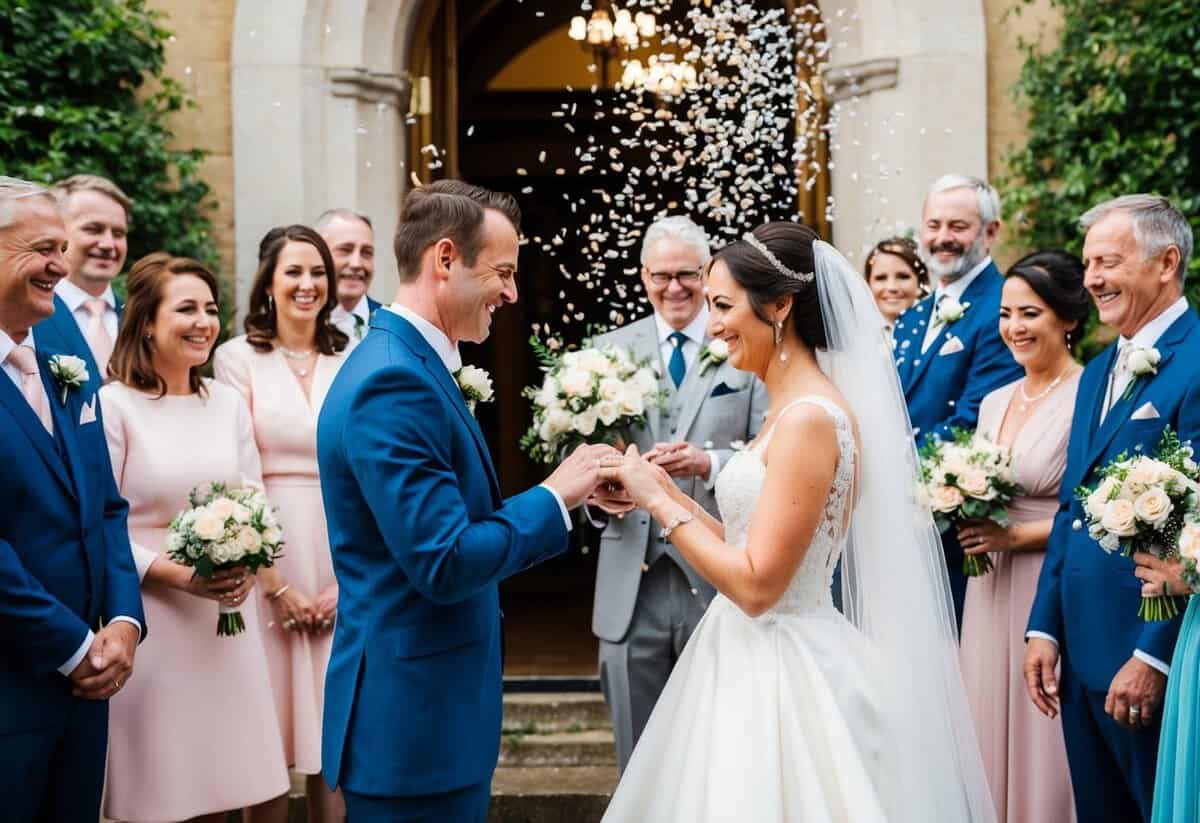
Cultural traditions can greatly influence the ceremony outline. For example, some ceremonies may include specific rituals that hold special meaning for the couple and their families.
Understanding the typical sequences of these events can help you create a personal and meaningful ceremony that reflects your values and traditions.
As you dive into wedding planning, knowing the expected sequence will guide you through each step. From seating guests to exchanging rings, being aware of these elements can make your day flow smoothly and allow you to enjoy every moment.
Pre-Ceremony Arrangements
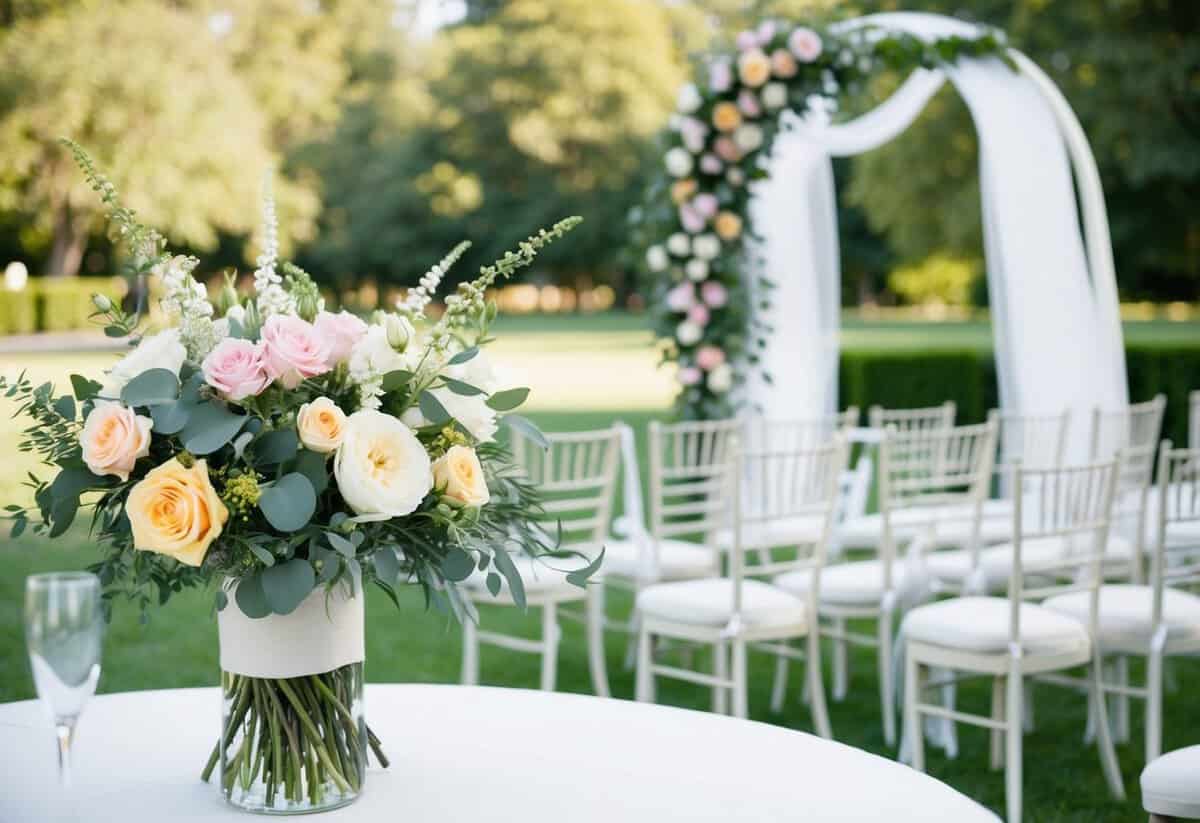
Planning a wedding involves several important pre-ceremony arrangements. This ensures that everything flows smoothly on your big day.
Key areas to focus on include securing the venue, understanding legal requirements, selecting an officiant, planning the processional order, and choosing your wedding party.
Securing the Venue
First, choose a venue that fits your style and budget. Whether it’s a cozy chapel or a scenic outdoor area, book it well in advance. This ensures you get your desired date.
Consider logistics like capacity, parking, and accessibility.
After booking, confirm any rental terms, including what’s included in your package. Some venues offer chairs, tables, and decor. Knowing what you have will help with budgeting and planning.
Understanding Legal Requirements
Next, you’ll need to understand the legal requirements for your marriage. Most places require a marriage license before the ceremony.
Research what documents you need and the waiting period for your state or country.
Make sure to apply for the license together. Check if there are fees and how long it’s valid. Some areas have waiting times, so plan this step early to avoid last-minute issues.
Selecting an Officiant
Choosing the right officiant is key for your ceremony. They should align with your beliefs and the tone of your wedding.
Options include religious figures, judges, or friends who can be ordained.
Schedule a meeting to discuss your vision for the ceremony. This helps customize vows and any specific rituals you’d like included. Ensure they understand the legal aspects as well, so everything runs smoothly.
Planning the Processional Order
The processional order sets the stage for your ceremony. Work on the sequence of who walks down the aisle first.
Typically, this includes family, the wedding party, and finally, you and your partner.
Consider creating a list to keep track of everyone involved. This is essential for ensuring that everything looks organized and runs on time. You may also want to create a wedding program to inform guests about the order of events.
Choosing Your Wedding Party
Lastly, choosing your wedding party is an important step. Pick people who support you and make you feel good.
Typical roles include bridesmaids, groomsmen, flower girls, and ring bearers.
When you ask them to join, consider giving them a small gift or a heartfelt note. This makes the moment special and highlights their role on your day. Clear communication about responsibilities is also essential to ensure everyone knows what to expect.
Ceremony Traditions and Order
In a wedding ceremony, specific traditions help structure the event, making it more meaningful for the couple and their families. Each part flows into the next, creating a special atmosphere as you celebrate love and commitment.
Welcoming Guests and Prelude
The ceremony usually starts with welcoming the guests. This sets the tone for the event.
As guests arrive, music plays softly in the background, often called the prelude.
You might choose songs that are significant to you and your partner. This allows everyone to relax and enjoy the moment before the ceremony begins.
Some couples opt for a designated person, like a friend or family member, to welcome everyone. This personal touch can make guests feel even more appreciated.
The Processional Flow
The processional is one of the most anticipated moments in a wedding. It marks the formal start of the ceremony.
Traditionally, the wedding party walks in a specific order, often beginning with the officiant, followed by the bridesmaids and groomsmen.
As the music plays, the flower girl and ring bearer may follow them. Finally, the bride makes her grand entrance, often escorted by a parent or loved one.
In some cultures, such as a Jewish wedding, the couple might stand under a chuppah, symbolizing their new home together.
Opening Remarks and Readings
Once everyone is in their place, the officiant gives opening remarks. This part welcomes the guests and sets the purpose of the gathering.
The officiant might share a personal story or quote relevant readings that resonate with your relationship.
Including readings can add depth to the ceremony. You might choose passages from literature, poetry, or sacred texts.
Make sure to discuss with your officiant any readings you want to include and select people who can deliver them well.
Performing Cultural or Unity Rituals
Many couples incorporate cultural or unity rituals to celebrate their backgrounds. These rituals can vary widely based on cultural traditions.
For example, in a Hindu wedding, you might see the couple perform a sacred fire ceremony called Saptapadi, where they walk around the fire seven times, making promises to each other.
Another common unity ritual is the sand ceremony, where you blend different colored sands to symbolize your lives coming together.
Consider what rituals are meaningful to you, as they can make your ceremony truly unique.
Vow and Ring Exchange Ceremonies
The vow and ring exchange is a significant moment in the ceremony. This is when you publicly declare your love and commitment.
You can write your own vows or use traditional ones. Sharing personal promises makes it a heartfelt moment.
After the vows, the couple exchanges rings—symbols of never-ending love. This act serves as a reminder of the promises made. Some couples may also include a declaration of intent, confirming their willingness to enter into marriage.
The Recessional Steps
After the vows and ring exchange, the recessional marks the end of the ceremony. This is when you and your partner walk back down the aisle as a married couple.
The wedding party follows, often with upbeat music playing to celebrate the occasion. Traditionally, guests might toss flower petals or rice as you exit, representing fertility and prosperity.
Take a moment to soak in the joy and excitement before heading to the reception. It’s a time to celebrate your new life together surrounded by loved ones.
Personalizing Your Ceremony
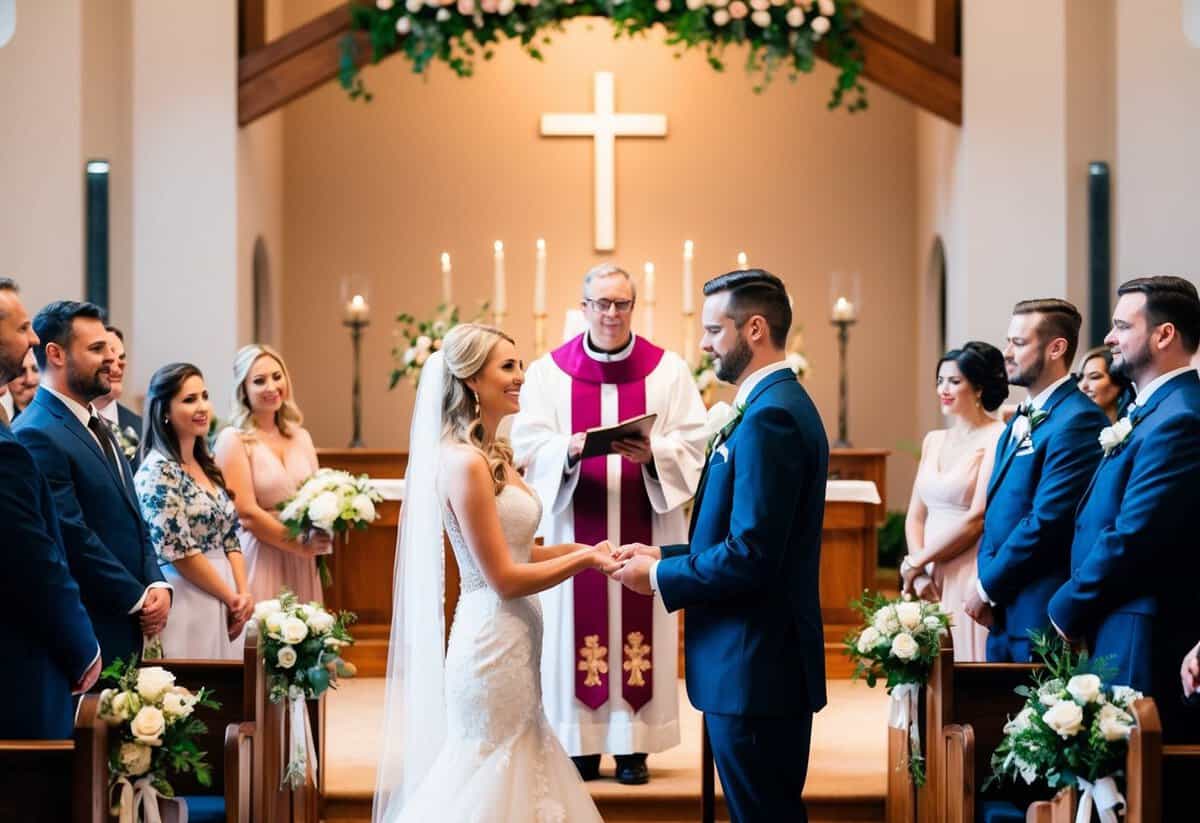
Creating a personalized ceremony can make your wedding even more meaningful. You can tailor your vows, incorporate your beliefs, and give special roles to friends and family to reflect your unique love story.
Customizing Vows and Readings
Your vows are a chance to express your love and commitment. Writing your own promises allows you to share what truly matters to you.
Consider including personal anecdotes that highlight your journey together.
In addition to vows, you might choose readings that resonate with you. These could be excerpts from your favorite books or poems that reflect your relationship.
Involving family members in the readings can also add a lovely touch and further connect everyone present.
Incorporating Personal Beliefs
Bringing your beliefs into the ceremony can make it feel special and authentic. If you follow specific cultural or religious traditions, think about how to weave them into your wedding.
For instance, in a religious ceremony, you might include prayers or blessings that are important to you and your families. This can blend traditions beautifully and honor your roots while celebrating your love.
Special Roles for Friends and Family
Engaging friends and family in your ceremony can enrich the experience.
You can designate cherished loved ones for specific roles like the best man, maid of honor, flower girl, or ring bearer.
Consider including loved ones to perform a reading or a special music piece during the ceremony.
Personal touches like these not only create lasting memories but also strengthen the sense of community surrounding your wedding day.
Post-Ceremony and Reception
After the wedding ceremony, the excitement continues as you transition into the reception. This is when your guests celebrate your union and enjoy a memorable evening filled with love, laughter, and dancing.
Leading the Guest Transition
Once you and your partner share your first kiss and are officially pronounced married, it’s time to guide your guests to the reception venue.
Typically, this involves a brief cocktail hour. During this time, guests can mingle, enjoy drinks, and take photos.
Tips for a smooth transition:
- Assign an MC or coordinator: This person can help direct guests and announce each event.
- Provide clear signage: Make sure guests know where to go.
- Offer refreshments: Light snacks and drinks keep the mood festive while guests wait.
This flow helps keep the energy up and sets the stage for the celebration to come.
Celebration and Wedding Reception Overview
At the reception, lovely touches will kick off the festivities. The evening usually starts with the couple’s first dance, followed by parent dances and toasts.
Typical reception order:
- Cocktail Hour
- Welcome remarks
- Dinner service
- Speeches and toasts
- Dancing begins
As the evening unfolds, you might want to plan special activities, like cake cutting or games. Don’t forget the closing remarks, where you can thank your guests for sharing this special day.
Organizing these moments will help create joyful memories for everyone involved.