
What is the Shoe Colour Trick? Unpacking the Viral Optical Illusion
The shoe color trick is a fascinating optical illusion that has captured the attention of many. It involves a photo of a Vans sneaker that some see as pink and white, while others perceive it as gray and teal. This trick highlights how our perception can differ based on various factors, including lighting and individual eyesight.
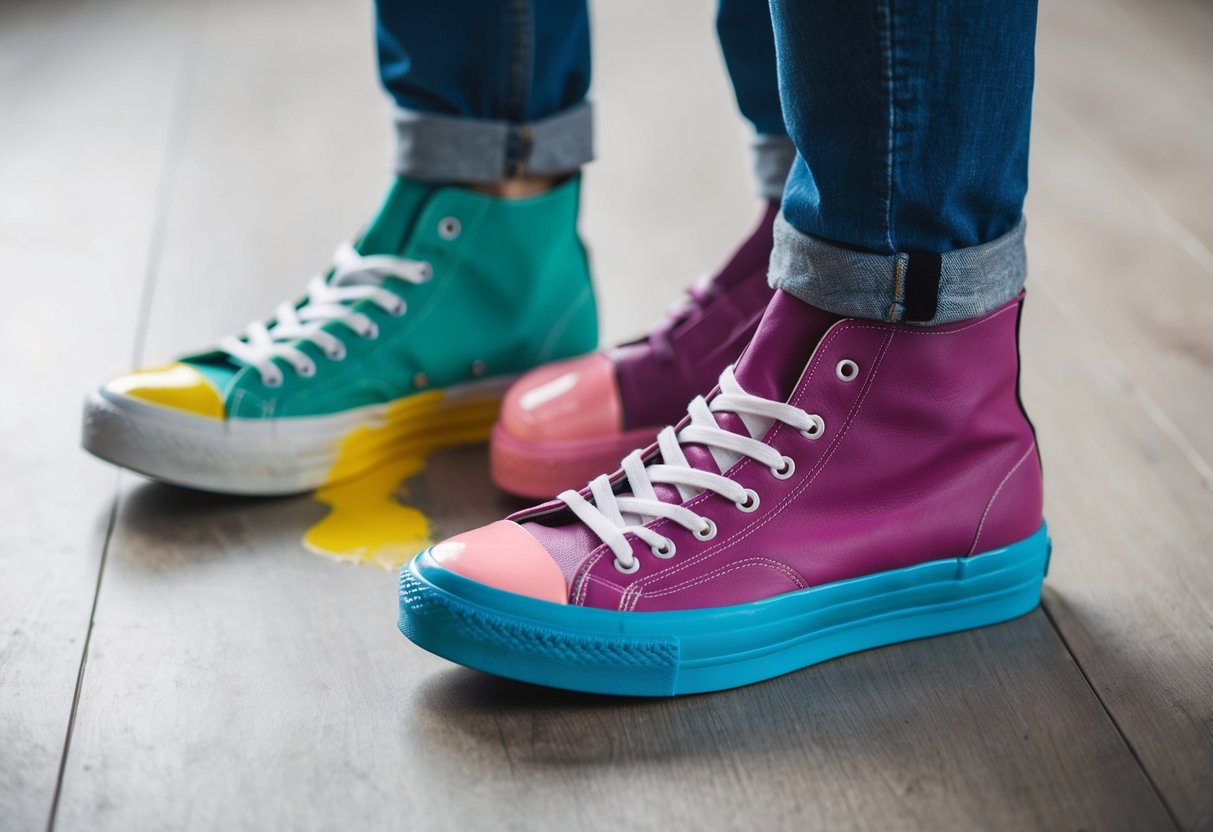
When you look at the sneaker, your brain interprets the colors in a unique way. This optical illusion can reveal details about how you process visual information. It’s intriguing to think that two people can look at the same image and see completely different colors.
Curious about why this happens? You’re not alone! Many people have taken to social media to share their opinions on the shoe color trick, and discussions about it continue to spark interest today. This phenomenon offers a glimpse into the complex workings of the human brain and how we perceive the world around us.
Understanding Optical Illusions
Optical illusions are fascinating because they challenge how you see and interpret the world. These tricks of perception can spark lively debates and even viral trends, especially on social media.
The Science of Perception
Your brain processes visual information using different pathways. This can lead to varying interpretations of what you see.
For example, when looking at the viral shoe image, some people may see grey and turquoise, while others might see pink and white.
This variance occurs because of how your brain uses color cues and lighting. Factors like context, shadows, and surrounding colors also play a significant role in how you perceive an illusion. Like the famous #thedress debate, people were divided over its colors, sparking widespread discussion online.
Famous Optical Illusions in Social Media
Social media has a powerful influence on the popularity of optical illusions. The viral shoe gained massive attention when users shared their color opinions. It ignited discussions similar to those surrounding #thedress.
These illusions can create a sense of community as people share their experiences and perceptions. You may have noticed how a simple image can lead to passionate debates in comments. Engaging with these trends not only entertains you but also explores the complexity of human perception.
The Shoe Colour Debate
The shoe color debate centers around differing perceptions of a viral photo. People famously argue whether the sneaker appears pink and white or grey and teal. This fascinating divide highlights aspects of human color perception and even brain dominance.
Pink and White or Grey and Teal?
The image of the Vans sneaker has sparked wide discussion. Some viewers swear it looks pink and white, while others insist it’s grey and teal. This disagreement isn’t about personal taste; it’s a matter of how our brains interpret colors.
Factors like lighting and background can trick your eyes. Scientific studies have shown that color perception differs from person to person. For example, those seeing pink tend to focus on the shoes’ softer hues, while others recognize more muted tones.
Public Reactions and Contributions
Public feedback on the shoe color debate has been lively. Social media platforms filled with memes, jokes, and serious discussions.
Celebrities like Lizzo have shared their opinions, adding to the frenzy. Many people shared their views in comment sections and forums, sparking even more debate.
These discussions reveal insights into human psychology. The viral nature of the photo helped it reach millions, showing how online trends capture attention quickly. You might even find yourself sparking debates with friends over this quirky phenomenon!
Brain Dominance and Color Perception
Your brain type may influence how you perceive the shoe colors. Those with right-brain dominance often relate to artistic and emotional aspects, which could make them see the pink and white version.
Conversely, left-brained individuals, who tend to be analytical, might notice the grey and teal colors more. The differences in perception point to broader ideas about how people process visual information. It’s intriguing to consider that something as simple as a sneaker photo can reveal so much about cognitive functions!
Impact on Pop Culture and Marketing
The shoe color trick has significantly influenced pop culture and marketing. It connects celebrities, brands, and trends, reshaping how people engage with products. This phenomenon exemplifies how something seemingly simple can create widespread attention.
Celebrity Involvement
Celebrities have played a crucial role in amplifying the shoe color debate. For example, Lori Greiner, an entrepreneur known for her appearances on “Shark Tank,” showcased the sneaker on social media, sparking discussions among fans.
Artists like Lizzo also joined the conversation, sharing their own takes on the sneaker colors. This engagement draws followers and fosters community, making the debate more exciting.
When famous figures weigh in on such topics, it elevates them, influencing how brands are perceived and how they connect with their audience.
Influence on Branding and Sales
The sneakers in question, like the Vans Old Skool, gained popularity due to this color trick. Brands noticed a spike in interest as debates unfolded online.
The colorful discussions inspired creative marketing campaigns. Companies used the illusion to drive traffic and sales.
They utilized social media to engage with potential customers, encouraging them to share their opinions. This strategy led to increased brand awareness and a boost in engagement.
Ultimately, the shoe color trick helped not only in sales but also in solidifying the brand’s presence in the ever-competitive sneaker market.