
What Is the Simplest Way to Get Married? A Quick Guide to Tying the Knot!
Getting married can feel overwhelming, but opting for a quick and easy elopement or an online wedding is the simplest way to tie the knot. Both options allow you to avoid the stress of a large ceremony while still creating a legally binding union. Imagine saying “I do” without the fuss—just you, your partner, and a few witnesses, or even in the comfort of your own home with an online setup.
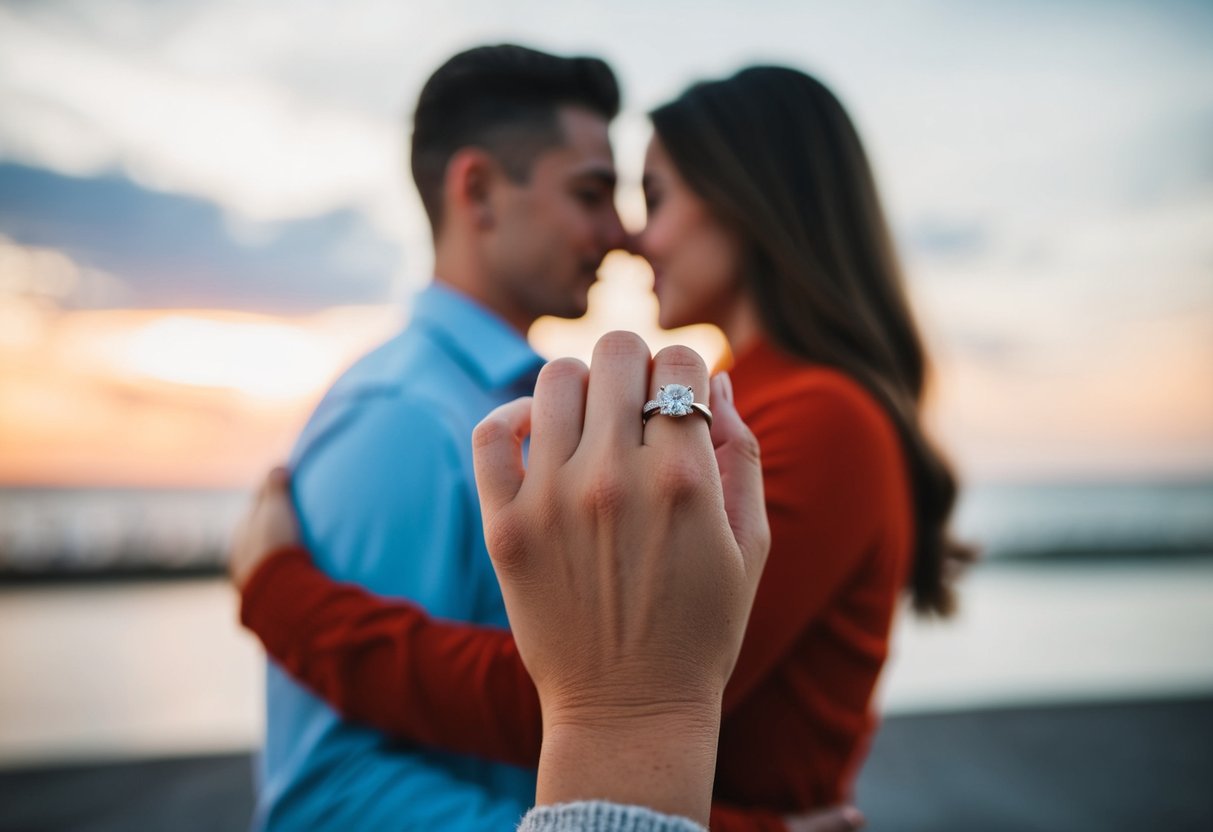
Eloping gives you the freedom to choose a beautiful location without the costs associated with traditional weddings. You can pick a scenic spot or even just a courthouse, making it a truly special moment. On the other hand, online weddings are gaining popularity for their convenience, allowing you to connect with loved ones virtually while still making your commitment.
By choosing either of these methods, you can focus on what truly matters: your love for each other. It’s all about making the experience personal and memorable, without unnecessary pressure.
Understanding Marriage Laws
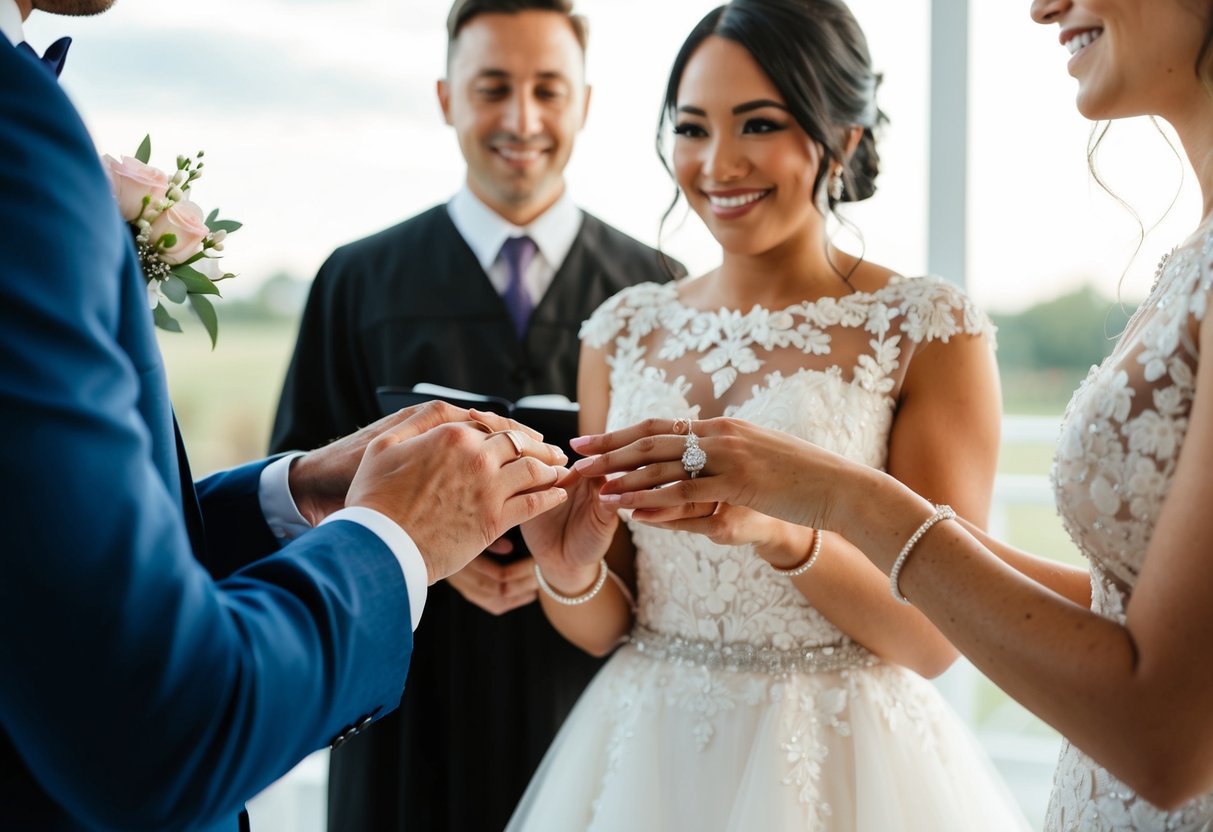
Knowing marriage laws is essential for tying the knot successfully. These laws cover everything from the legal requirements needed for a marriage to the rights you gain after saying “I do.” Understanding how marriage licenses and certificates work, along with protections for same-sex marriage, can make your journey smoother.
Legal Requirements for a Binding Union
To have a legally binding marriage, certain requirements must be met. First, both individuals usually need to be at least 18 years old, although some states permit younger individuals to marry with parental consent or a court order.
You’ll also need to be free to marry, meaning you’re not already married to someone else. Most states require you to provide identification, such as a driver’s license or passport, when applying for a marriage license.
It’s essential to check your state’s specific laws, as the requirements can vary. Some states may have waiting periods, which is the time you must wait after applying for your license before you can marry.
Marriage Licenses and Certificates
A marriage license is a legal document you must obtain before getting married. It grants you permission to marry and is valid for a limited time, usually 30 to 90 days, depending on the state. Be sure to complete the application correctly and pay any required fees.
Once you are married, the officiant and witnesses will sign the marriage certificate. This document acts as proof that your marriage occurred and is typically filed with the local government. You can request a copy for your records later.
Having both forms ensures you have the necessary proof for legal matters, such as taxes, inheritance, and benefits.
Same-Sex Marriage Protections
Same-sex marriage has been legalized across the United States since 2015. This means that same-sex couples have the same legal rights and responsibilities as opposite-sex couples when it comes to marriage.
Your marriage license and certificate will hold the same significance, granting you access to benefits like healthcare, tax breaks, and inheritance rights. Familiarizing yourself with local laws is crucial, as regulations may differ in certain regions.
Being aware of these protections ensures you understand your rights as a couple, helping you navigate life’s journey together more effectively.
Planning Your Wedding
Planning your wedding can feel exciting yet overwhelming. Focusing on these key areas will simplify the process and help you create a memorable day. You will need to choose the right venue, organize a meaningful ceremony, select appropriate attire, and establish a realistic budget.
Choosing the Right Venue
Selecting a venue is one of the first major decisions you’ll make. Consider the style of your wedding, whether it’s formal or casual. You have options like traditional banquet halls, outdoor gardens, or even local city halls.
Make sure to visit potential venues before deciding. Think about guest capacity, accessibility, and available amenities. Check if they offer packages that include catering or decoration. Also, ask about rental fees and deposits to avoid surprises later.
Organizing a Memorable Ceremony
Your wedding ceremony sets the tone for the entire day. Start by deciding where the ceremony will take place. Options include a church, a park, or your home.
Think about the elements you want to include, such as readings or music. Personal touches, like writing your vows, make the ceremony unique and special.
Don’t forget to plan for the officiant. Whether it’s a religious figure or a friend, make sure they capture your love story accurately. This is your opportunity to express your commitment in front of family and friends.
Wedding Attire and Engagement
Choosing your wedding attire is a fun and crucial step. Start with what you feel most comfortable in. Whether it’s a traditional gown or a sleek suit, your outfit should reflect your style.
Consider timing, as it can take several months to find or alter your attire. Shop with your wedding party, as their input can help you feel confident in your choice.
Don’t forget about engagement rings! Decide on a style that suits your taste and budget. There are various options available, from classic solitaires to modern styles. Both you and your partner should love the ring.
Creating a Realistic Wedding Budget
Budgeting is essential when planning your wedding. Start by listing all possible expenses, including the venue, catering, attire, and decorations.
Determine how much you can realistically spend without straining your finances. This might mean making compromises on certain elements.
Use a spreadsheet to track expenses and see where you can save. Consider DIY projects for decorations or asking friends to help with music. Prioritize what matters most to you. This will ensure your big day is both beautiful and affordable.
The Marriage Process
Getting married can be a straightforward journey when you understand the steps involved. Here’s what you need to know about obtaining a marriage license, finding an officiant, and exchanging vows.
Obtaining Your Marriage License
First, you need to get your marriage license, which is essential for any legal marriage. Start by visiting your local county clerk’s office. Make sure to check their specific requirements, as they can vary from place to place.
You might need to bring documents like identification, proof of residency, and any previous divorce decrees if applicable. Some places allow you to fill out applications online, which can save you time. Be aware that there might be a waiting period before you can use your license, so plan ahead to ensure you’re ready for your wedding day.
Finding an Officiant
Next, you’ll want to find a wedding officiant. This person will lead your ceremony and make it official. Many options are available, depending on your preferences. You can choose a religious leader, a judge for a courthouse wedding, or even a friend who is certified to officiate.
If you prefer a simple, civil ceremony, a local officiant can help keep things relaxed and straightforward. Make sure to discuss your vision with them and ask about any specific vows or rituals you want to include. The right officiant can make your experience meaningful.
Exchanging Vows and Official Documentation
On your wedding day, you will exchange vows and complete necessary paperwork. Your officiant will guide you through this. Prepare your vows ahead of time, thinking about what you want to express to your partner.
After exchanging vows, your officiant will fill out official documents. This is crucial, as it legally binds your marriage. Once signed, you may need to return these documents to the county clerk’s office to finalize everything. This process is essential, whether you’re getting married quickly or choosing a more elaborate ceremony. Make sure to stay connected with your officiant to ensure all details are in place.
Unique Wedding Formats
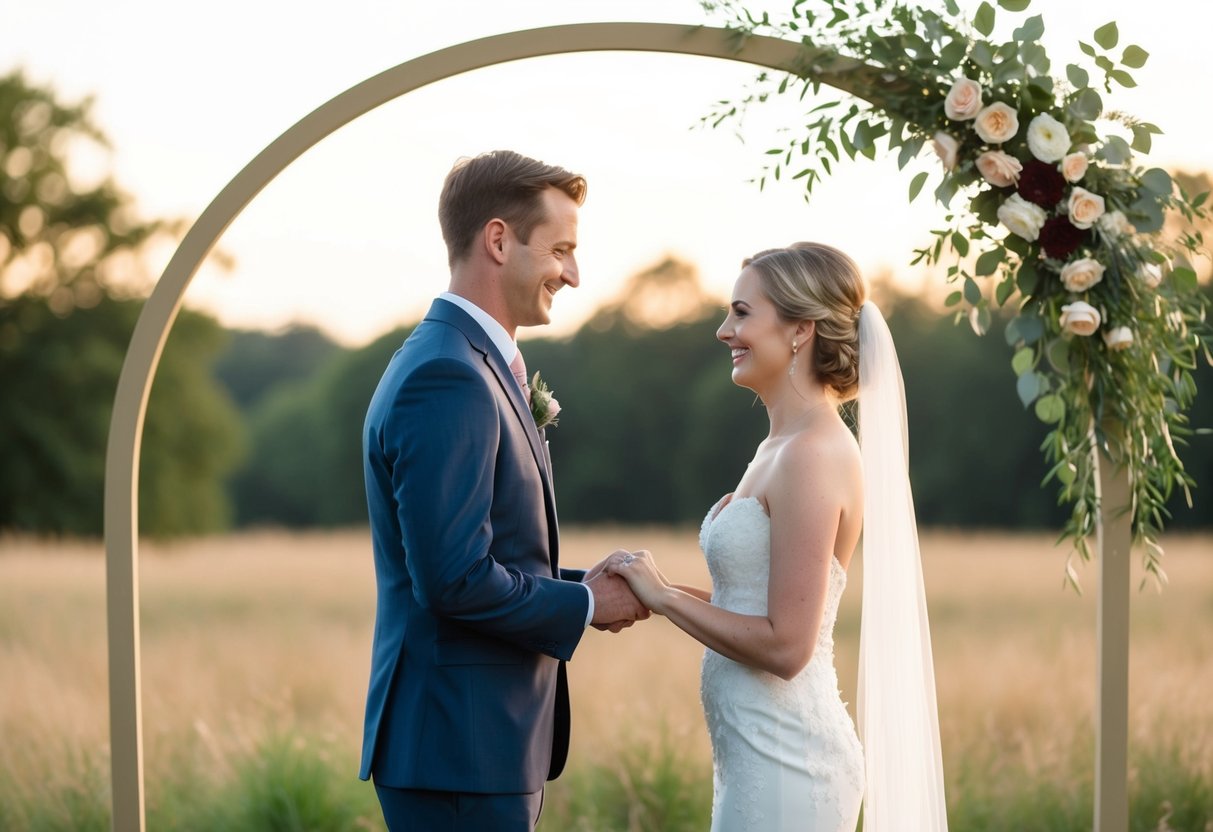
Getting married doesn’t have to follow traditional paths. You have several unique options to consider that can make your special day feel personal and memorable.
Elopement and Intimate Settings
Elopement is a charming and increasingly popular choice for couples. It allows you to bypass big wedding plans and celebrate your love in a way that feels intimate.
You can choose a breathtaking outdoor location like a mountain top or beach, making it all about you. Some couples opt for small ceremonies with only a few close friends or family members.
Benefits of elopement include:
- Cost-effective: You save significantly on venue and catering.
- Personalized experience: You can focus on what truly matters to you both.
- Flexibility: Choose the date and location that fit your vision.
This format brings a unique love story element to your marriage.
Virtual Celebrations
If gathering in person is not possible, getting married online is a wonderful alternative. Virtual weddings allow couples to include family and friends from anywhere in the world.
You can set up a video link to your ceremony and invite those who matter most. With various platforms available, it is easier than ever to share this moment.
Key points to consider:
- Interactive features: Many platforms offer options for guests to send you messages or participate live.
- Lower costs: Save on venue fees and decorations, as you can celebrate at home.
- Creative themes: You can personalize your virtual setting to reflect your style.
This option opens doors for couples looking to celebrate with a wider circle.
City Hall and Courtyard Nuptials
A city hall wedding is another straightforward and legal avenue to tying the knot. It is often less formal and quicker than traditional ceremonies. You can invite a few loved ones or keep it just between you.
Courtyards or small parks nearby can also be perfect spots for an informal outdoor wedding. These environments can provide some beautiful scenery without the need for elaborate decorations.
Advantages include:
- Simplicity: The paperwork is usually easy, and you can get married swiftly.
- Affordability: Costs are much lower compared to traditional weddings.
- Accessibility: City halls are often located downtown, making them easy to find.
Opting for these formats can lead to a truly meaningful occasion that reflects your personality.