
What is the Slowest Month for Weddings? Discover the Off-Season Trends
If you’re planning a wedding, you might wonder when the best time is to tie the knot. Many couples want to understand the trends in wedding dates, especially if they’re hoping to save money or find available venues. The slowest month for weddings is typically January.
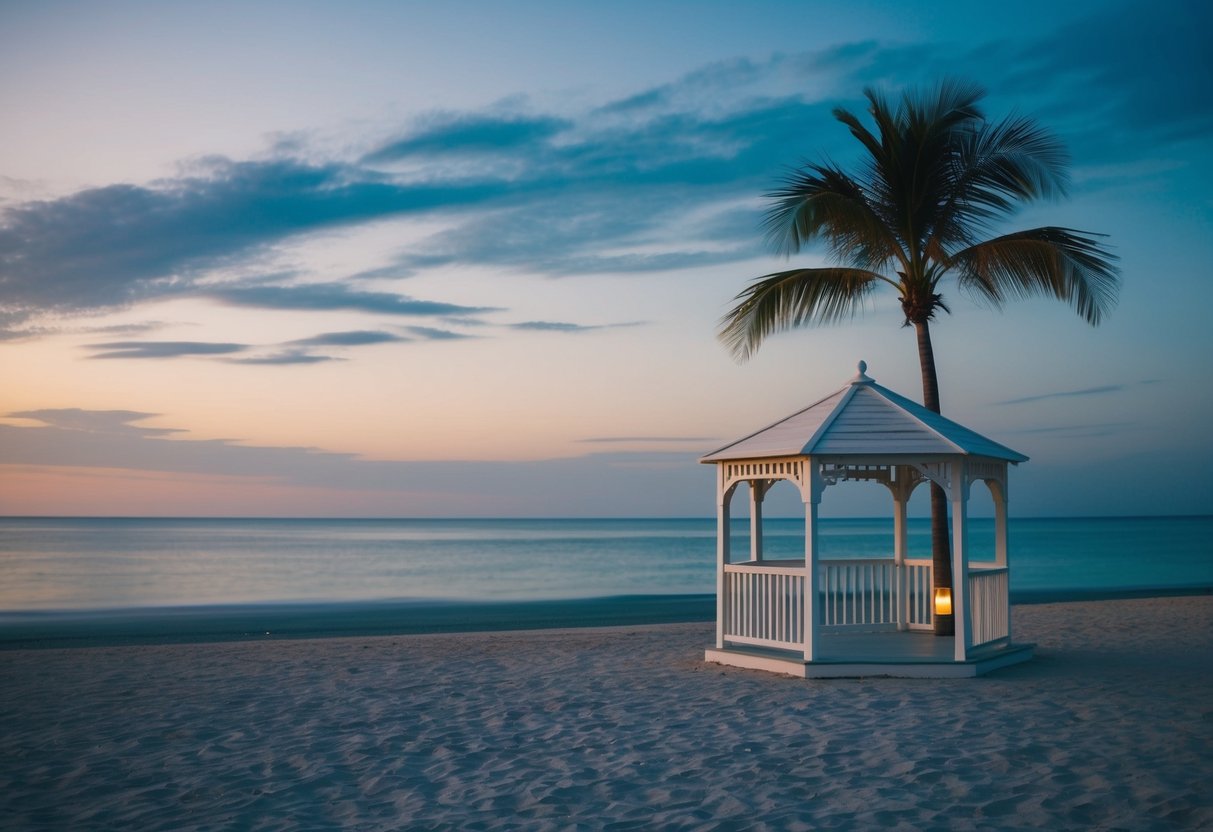
During this time, demand for venues and services decreases, making it easier for you to book your preferred location and vendors without high competition. Plus, many places offer lower rates in the wedding off-season, which can lead to significant savings.
Understanding the wedding season and its peaks can help you make a more informed choice. If you’re willing to embrace a winter wedding, you’ll enjoy advantages like better availability and cost-effective options.
Understanding Wedding Seasons
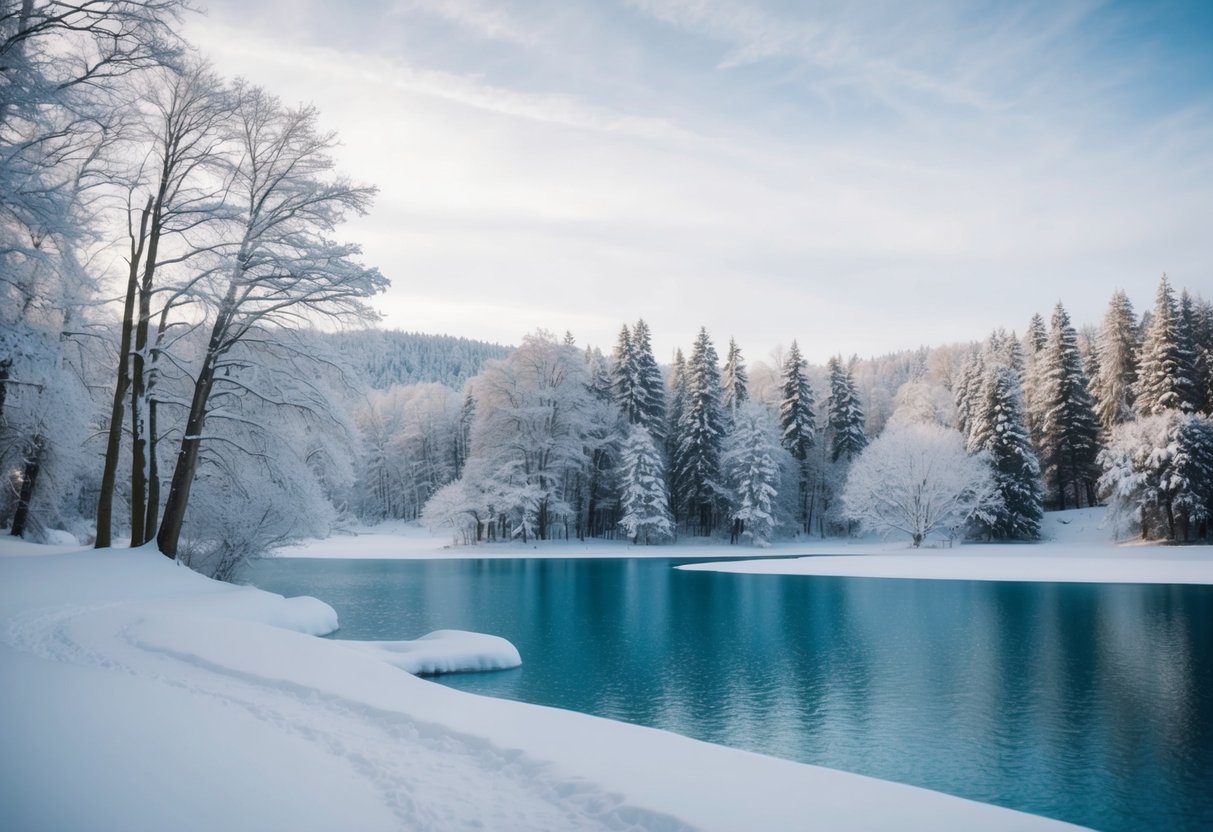
Wedding seasons play a significant role in planning your big day. Knowing the differences between peak and off-season times helps you make informed choices about your wedding date, venue, and budget.
Peak Season vs. Off-Season
Peak wedding season typically occurs in late spring and summer, especially from May to October. Many couples choose these months for their weddings due to beautiful weather and longer days. This popularity can lead to higher costs for venues and services.
Conversely, the off-season generally ranges from late fall to early spring, including December, January, February, and parts of November. During this time, you may find better deals and availability for venues and vendors. Choosing an off-season month can help you save money while still having a fantastic celebration with your friends and family.
Seasonal Preferences for Weddings
Couples often have personal preferences influenced by various factors when selecting their wedding date. Spring is gaining popularity, as the blooming flowers create a romantic backdrop. It accounts for about 17% of weddings.
Fall is also favored for its beautiful foliage and comfortable temperatures. Many couples enjoy the rustic atmosphere that autumn provides.
In winter, couples can experience fewer crowds and special holiday-themed events. Additionally, these months are often quieter for venues, allowing for more personalized attention. Each season offers unique charms, making it important to choose one that aligns with your vision for the day.
Factors Influencing Wedding Date Selection
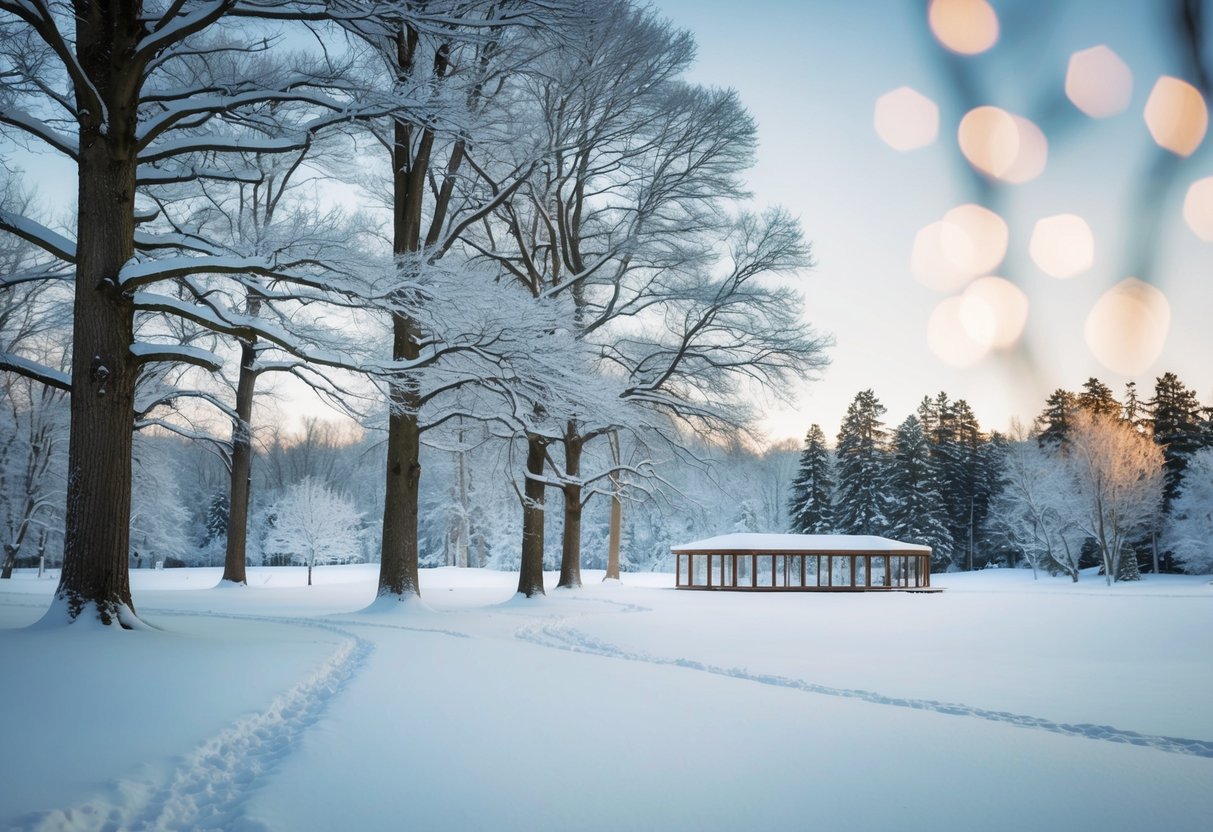
Choosing the right wedding date involves multiple factors that can affect your big day. Understanding these influences can help you make an informed decision that fits your needs and desires.
Venue and Vendor Considerations
Your venue plays a significant role in your wedding date selection. Popular venues often book up quickly, especially during peak wedding season. If you have a specific location in mind, check their availability early.
Consider also the vendors you want to hire. Photographers, caterers, and florists may have busy seasons. Some vendors may offer discounts during off-peak times, so you might save money by picking a less popular month.
By planning ahead, you can secure both your dream venue and top-notch vendors.
Seasonal Weather Patterns
Weather can greatly impact your wedding experience. If you dream of an outdoor ceremony, think about the typical weather in your area for certain months.
Late spring and early fall are often ideal for pleasant temperatures. Winter weddings can be cozy, but be cautious of potential snow or rain. Always check historical weather data for your chosen date to avoid surprises.
Your comfort and your guests’ enjoyment depend on choosing a date with favorable conditions.
Holiday and Calendar Impacts
Holidays and school calendars can also significantly influence your wedding date. Many couples prefer weekends, especially around major holidays. However, this might come with increased costs and larger crowds.
Consider booking your wedding on a less common holiday or during off-peak times to take advantage of lower prices and less traffic. If you have out-of-town guests, aim for dates that avoid busy travel periods. This way, you ensure that your loved ones can attend without stress.
The Slowest Month for Weddings Explained
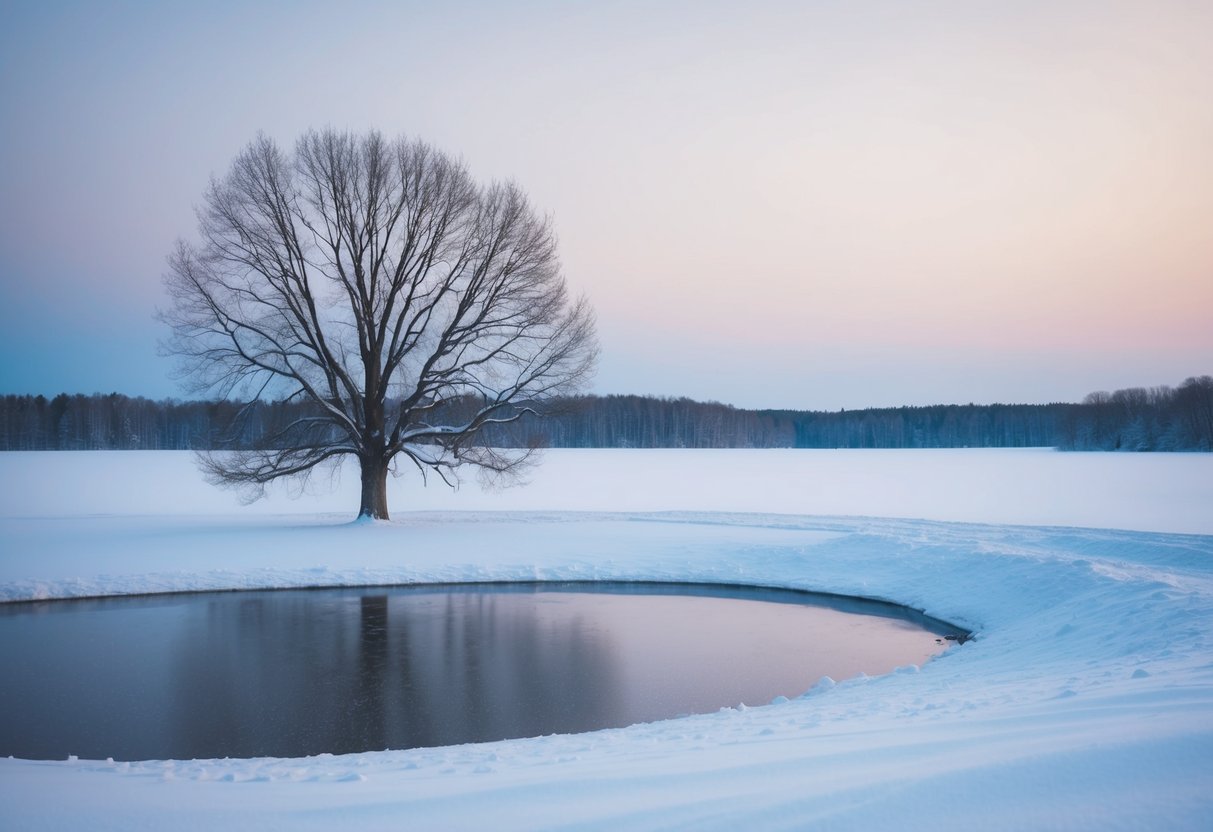
When planning a wedding, knowing about the slowest months can help you make the best choices. January and February are often the quietest times for weddings, mainly due to the cold weather and holiday aftermath. Let’s explore how this affects your options and the benefits of tying the knot during winter.
The Impact of January and February
January and February are typically the slowest months for weddings. Many couples avoid these months because of cold weather and post-holiday budgets.
The impact of these months on your wedding plans can actually work to your advantage.
- Cost: Venues and vendors often lower their prices during this off-peak time. You might save up to 30% compared to busier months.
- Flexibility: With fewer weddings happening, you have greater flexibility in choosing your date and venue.
- Availability: The best venues and catering options are more likely to be available. You can secure the ideal place without long waitlists.
By considering a wedding in January or February, you can take advantage of these benefits.
Benefits of Winter Weddings
Winter weddings can be magical and cozy, offering a unique experience that stands out. Here are some notable benefits:
- Scenic Backdrop: Snow-covered landscapes provide stunning photography opportunities.
- Theme Options: You can embrace warm colors and seasonal decorations. Think of cozy fires and winter-themed motifs.
- Guest Experience: Many attendees appreciate a winter wedding, as it offers a break from the typical summer heat.
Planning during these slow months also means less stress, allowing you to enjoy the process more. A winter wedding can be elegant and memorable with the right planning.
Maximizing the Advantages of an Off-Peak Wedding Month
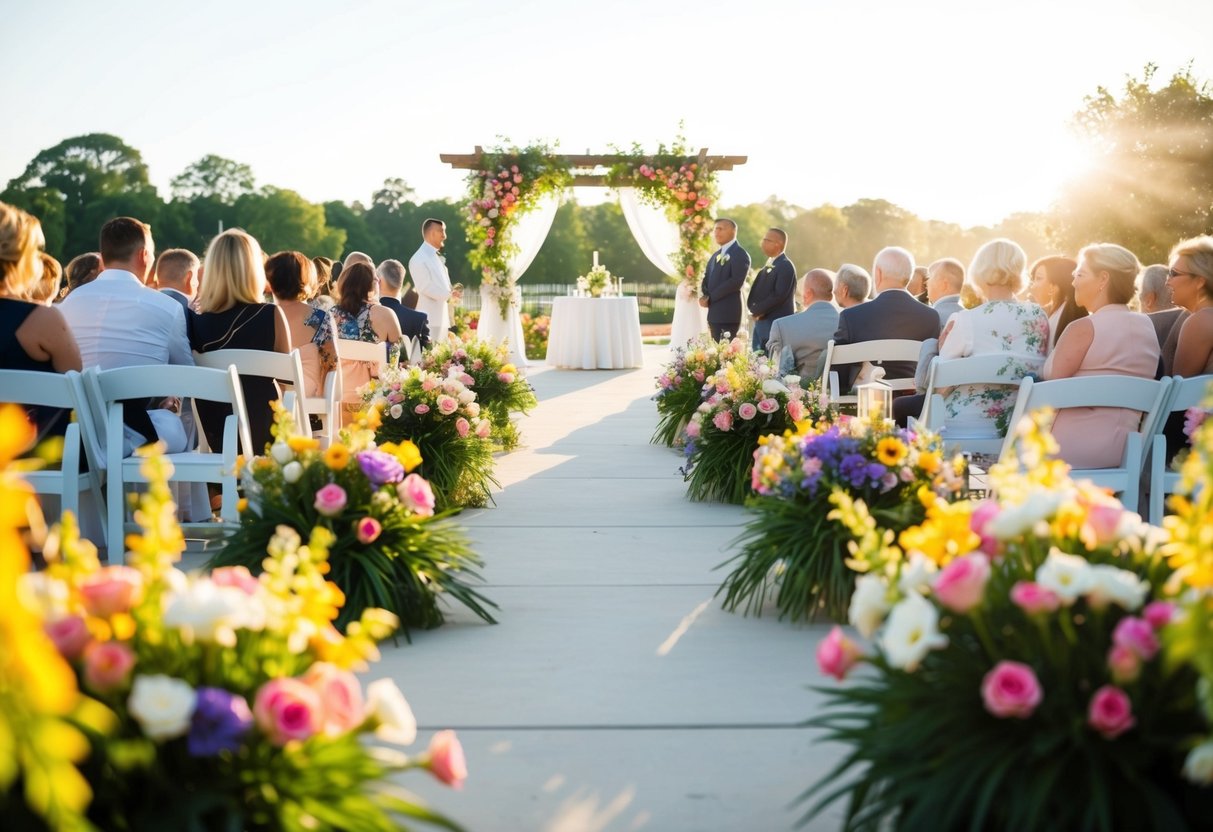
Choosing an off-peak month for your wedding can bring many benefits. You can save money while creating a unique atmosphere celebrating the season. Here are some key ways to make the most of your off-peak wedding.
Financial Incentives and Budget Savings
Planning your wedding during the off-peak months, like January or February, can lead to significant savings. Venues and vendors often offer discounts due to lower demand.
You might find that booking a space during the winter is much more affordable, giving you the opportunity to allocate funds to other areas.
Weekday weddings can also be a great choice for budget-conscious couples. Many venues offer even lower rates for events held on weekdays. With careful planning, you can have that dream wedding while saving money. Be sure to negotiate with vendors for the best deals possible.
Unique Themes and Decoration Opportunities
An off-peak wedding can provide a unique backdrop for your event. In winter, you can embrace a cozy atmosphere with themes like winter wonderland or a warm, inviting celebration.
Decorate with fall foliage if you choose a late fall wedding. Add elements like fireplaces, soft lighting, and comfortable seating to create a perfect ambiance.
Consider including hot cocoa bars or seasonal treats to delight your guests. These little touches can make your wedding stand out.
Utilizing the natural beauty of the season can lead to great photo opportunities as well. Your off-peak wedding can be just as memorable and special as any peak season event.