
What is the Standard Size of a Stage Backdrop? A Quick Guide for Event Planners
When planning an event, the backdrop you choose can greatly affect the overall look and feel of your stage. Typically, a stage backdrop measures around 20 feet high by 40 feet wide. This size provides enough coverage to create a striking visual impression and can be adjusted based on your specific venue and needs.

As you think about your stage design, remember that backdrops come in various sizes to fit different occasions, from weddings to concerts. Understanding the common dimensions can help you select the perfect backdrop that will enhance your theme and engage your audience.
Whether you are looking to make a bold statement or create a subtle background, knowing the standard backdrop size helps you set the stage for success.
Understanding Backdrop Sizes
Choosing the right backdrop size is crucial for setting the stage effectively. Whether for a concert, theater production, or photo booth, having the right dimensions can enhance the overall look of your event. Here are some common sizes and tips to help you make the best choice.
Common Dimensions for Stage Backdrops
Backdrop sizes can vary based on purpose and venue. The most standard size is 8 feet wide by 10 feet tall. This size works well for photographs that include up to four people, providing ample space for background elements.
For smaller venues, 6’x6′ stage scrims are popular. They are ideal for intimate settings while still making an impact. Larger options, like 10’x20′ or custom-sized backdrops, are perfect for wider stages or when you want to create a striking visual.
Also, things like your venue’s size and ceiling height are important. Knowing these can help you avoid any unpleasant surprises during setup.
Determining the Right Size for Your Needs
When selecting a backdrop, consider the number of people you expect in your photos or performances. A large backdrop allows for more flexibility, especially if more individuals will be present.
Also, think about your stage setup. If you have multiple elements or props, a bigger size may be necessary. For example, if you are using a custom-sized backdrop, measure your space before ordering. This ensures a proper fit without crowding the area.
Finally, don’t hesitate to consult with suppliers. They can offer insights on what size will best suit your event’s specific needs. Their experience can save you time and help prevent issues.
The Role of Backdrops in Different Settings
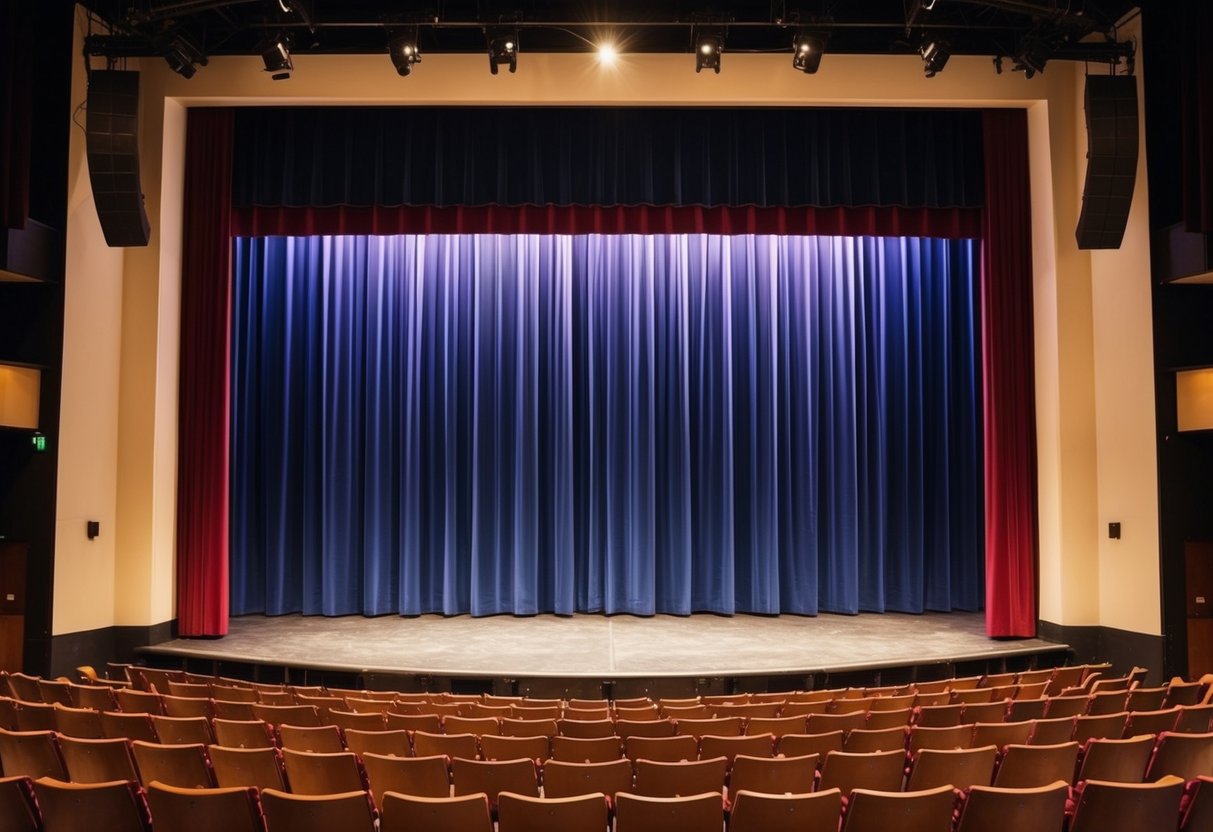
Backdrops play a significant role in various settings, enhancing the appearance and atmosphere of events. They contribute to branding and create memorable experiences for attendees, whether at corporate gatherings or personal celebrations.
Corporate and Outdoor Events
In corporate events, backdrops help set the stage for brand visibility. They often display company logos or key messages, which can reinforce your branding. A well-designed backdrop captures attention and encourages engagement.
For outdoor events, consider materials that withstand weather conditions. Backdrops for outdoor venues often need to be larger to accommodate the setting and ensure visibility. Sizes like 8ft x 10ft or 10ft x 10ft are common. They create a designated photo area where attendees can take pictures, enhancing their experience.
Weddings and Photography Studios
For weddings, backdrops add a personal touch to the ceremony and reception. They can highlight the couple’s theme or color scheme, creating a beautiful backdrop for photos. Large floral arrangements or elegant fabrics can transform a venue into a dreamy space.
In photography studios, the right backdrop is essential for achieving professional-looking headshots. Neutral colors or textures help keep the focus on the subject. Sizes can vary, but common dimensions like 8ft x 8ft work well for a variety of shots. Custom options are also available to fit specific needs, enhancing the overall quality of your visuals.
Design and Material Considerations
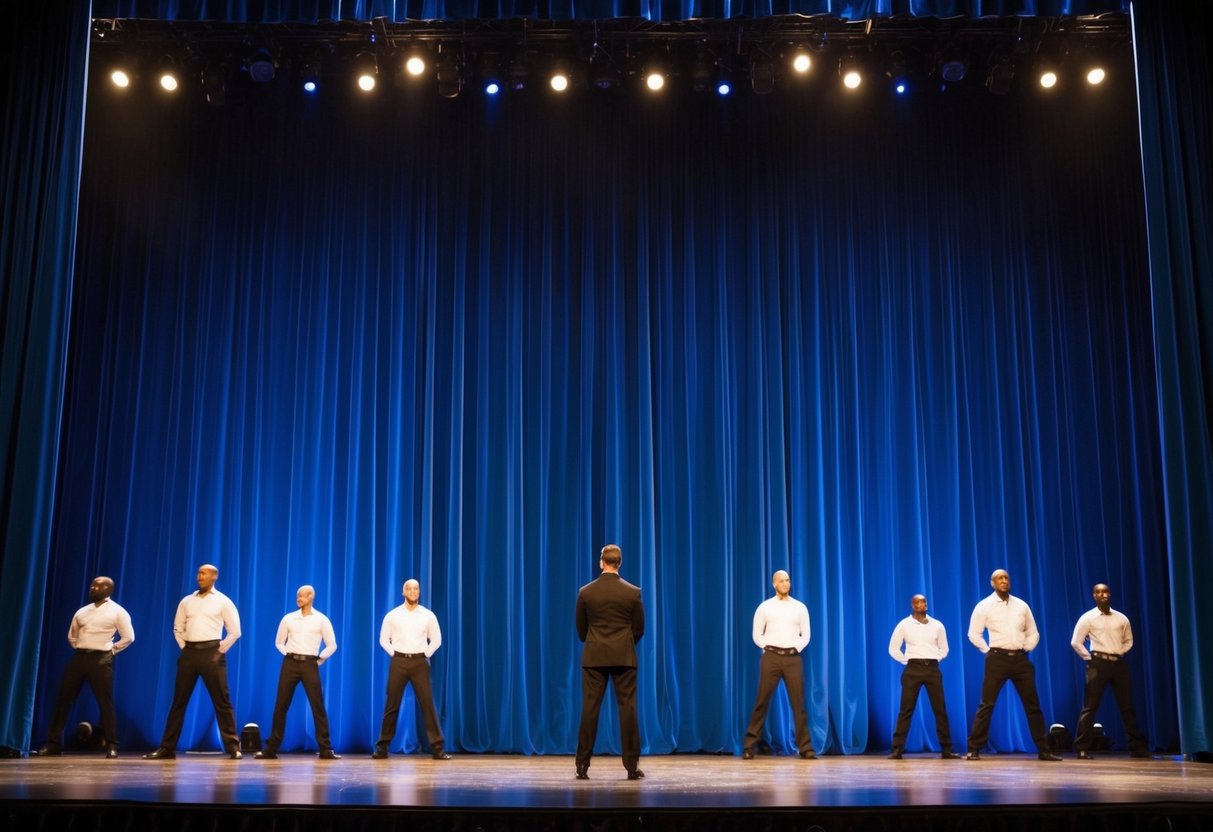
When planning your stage backdrop, the design and materials you choose greatly impact the visual appeal and effectiveness. Understanding the right type of fabric or innovative options helps create the atmosphere you envision.
Choosing the Right Fabric
Selecting the right fabric for your backdrop is key. Common options include muslin, canvas, and cotton. Each material has its benefits. For instance, muslin is lightweight and perfect for soft, flowing designs. Canvas is durable and can support vivid prints, making it ideal for bold presentations.
Consider the light-blocking features of the fabric. If you want to prevent light from shining through, look for blockout options. This is important for performances or events where controlling light is essential. Think about how the material will look with lighting; some fabrics reflect light better, enhancing visual impact.
Innovative Backdrop Solutions: LED and Seamless Options
LED backdrops are a game-changer. They allow you to display dynamic visuals that can change throughout the performance. This creates an engaging experience for your audience. With LED technology, you can also customize colors and patterns, providing endless creative possibilities.
On the other hand, seamless backdrops offer a clean look with no visible joins, enhancing the overall design. They are often made of synthetic materials that can produce crisp images. These options create a modern feel while ensuring your visuals remain the focus. Each choice offers unique benefits depending on the atmosphere you wish to create and the environment of your event.
Practical Tips for Stage Backdrop Setup
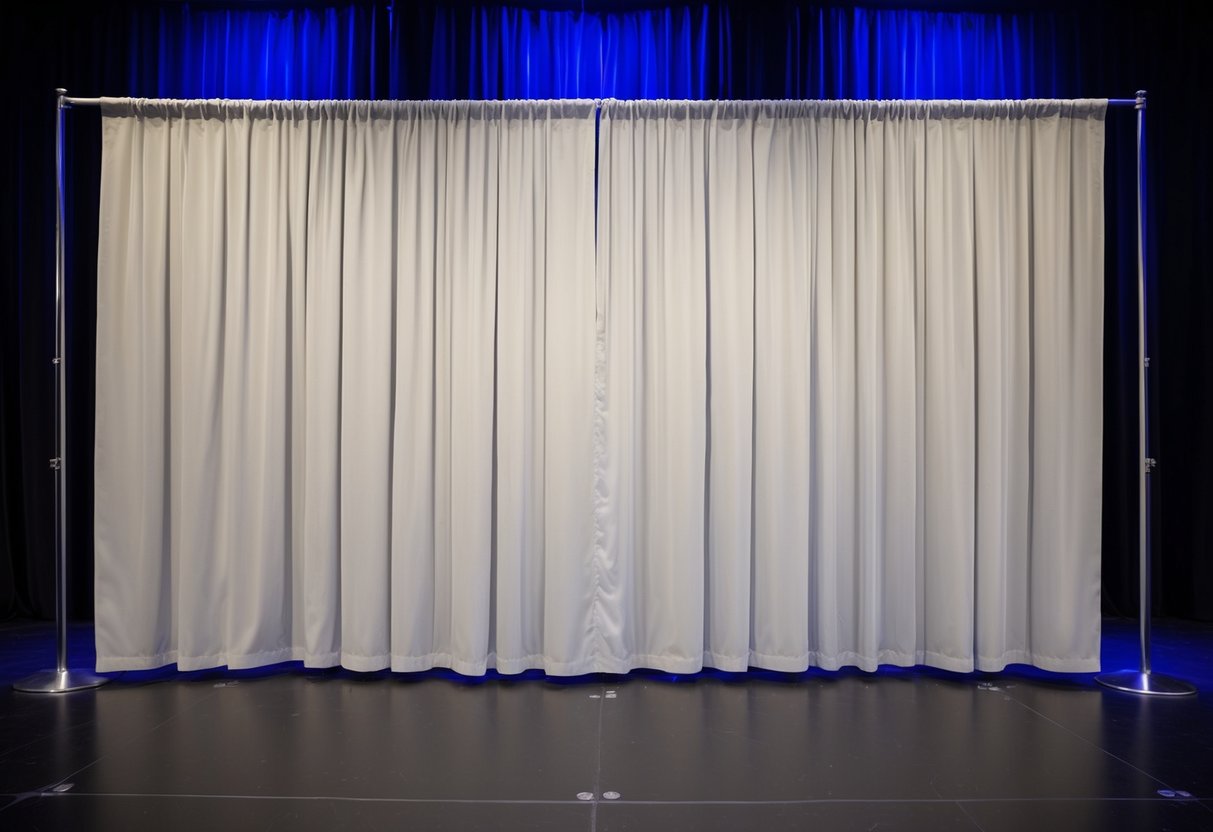
Setting up a stage backdrop involves several important steps. You need to measure carefully, install correctly, and transport efficiently to ensure everything looks great for your performance or event.
Measuring and Installation Guidelines
Start by measuring your stage area with a tape measure. Knowing the width and height of your space is crucial for selecting the right size for your backdrop. For a standard setup, consider backdrops around 20 feet wide by 10 feet tall.
When installing, secure the backdrop firmly. You can use clamps, weighted bases, or sturdy support systems. Make sure it doesn’t sway or block important views. If you’re using band banners or custom backdrops, ensure they fit seamlessly into your stage design.
Finally, take note of the location. Outdoor stages may require additional support due to wind. Plan your installation to allow enough space for performers and equipment.
Maintaining and Transporting Backdrops for Mobile Stages
When transporting backdrops for mobile stages, you need to handle them with care. Use a protective bag or case to prevent damage during transport. Also, avoid folding them to reduce creases, especially on printed designs.
Once you arrive at your location, inspect the backdrop for any wear or dirt. Clean it gently if needed. For temporary setups, use lightweight materials that are easy to handle.
During the show, make sure to always secure your backdrop. Use tie-downs if necessary on mobile stages. Proper maintenance and careful handling can significantly extend the life of your stage banners and custom backdrops.