
What is the Three Month Rule for Engagement Rings? Understanding This Popular Guideline
When buying an engagement ring, the three-month salary rule suggests you should spend an amount equal to three months’ salary on the ring. This idea has become a common guideline, but it can feel overwhelming to many couples. With the average engagement ring cost in the U.S. around $5,500, this rule can push you to think carefully about your budget and what feels right for your relationship.
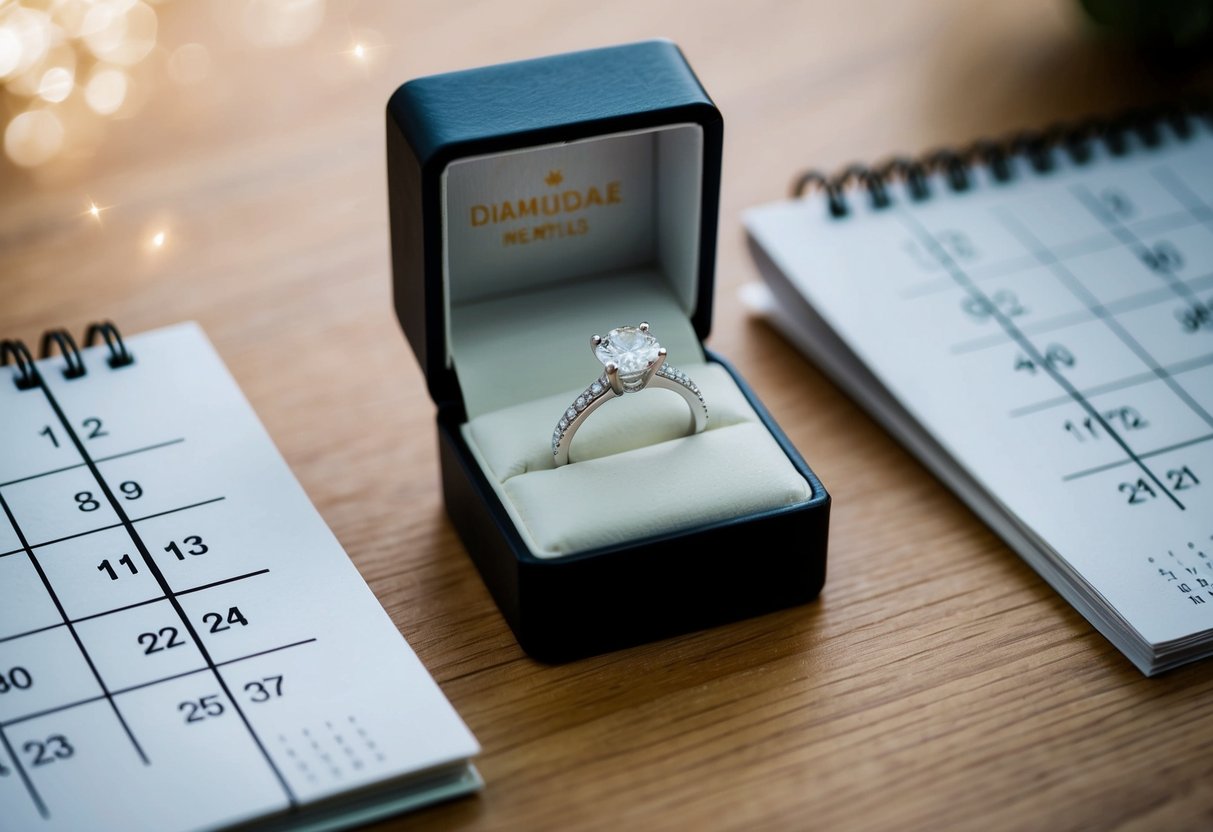
It’s important to remember that this rule is not set in stone. Many couples are re-examining traditional rules about spending on engagement rings. Your financial situation, personal values, and what the ring represents to you can all play a big part in this decision.
Exploring the meaning behind the three-month salary rule can help you find clarity and confidence in your choice. Whether you’re planning to follow the guideline or determine your own budget, understanding its origins will make the process easier and more enjoyable.
Understanding the 3-Month Salary Rule
The 3-month salary rule suggests that you should spend three months’ worth of your salary on an engagement ring. This idea has a rich history and has evolved over time as people consider their financial priorities and the meaning behind their purchase.
History of the Rule
The 3-month salary rule began as a marketing strategy by De Beers in the 1930s. At that time, the diamond industry was looking for ways to boost diamond sales. They promoted the idea that spending a generous amount on an engagement ring represented true love and commitment.
This campaign successfully linked diamonds with engagement, making them a popular choice. This rule has been widely discussed and debated since then, often leading people to feel pressured to spend more than they might be comfortable with.
Modern Perspectives
In today’s world, many couples view the 3-month salary rule differently. You might prioritize your financial health and relationship over following a traditional guideline.
People are increasingly opting for rings that fit their budgets and values. The average cost of an engagement ring in 2023 was around $5,500, yet many choose lower amounts.
Ultimately, what matters most is the meaning behind the ring and the commitment it symbolizes, rather than sticking rigidly to a percentage of your salary.
Factors Influencing Engagement Ring Cost
When choosing an engagement ring, various factors can significantly affect the overall cost. Understanding these elements can help you make a more informed decision and find the perfect ring for your budget.
Diamond Attributes
The most significant factor in an engagement ring’s cost is often the diamond itself. You should consider the Four Cs: carat weight, cut, color, and clarity.
- Carat Weight: This measures the diamond’s size. Larger carat weights usually lead to higher prices.
- Cut: This determines how well the diamond reflects light. A well-cut diamond looks more brilliant and can be more expensive.
- Color and Clarity: Diamonds closer to colorless and with fewer inclusions tend to cost more.
Each of these attributes plays a vital role in determining the diamond’s value and should be balanced against your budget.
Ring Settings and Metals
The ring’s setting and the metal used also impact the overall cost. A more intricate setting can raise the price.
- Settings: Common styles include solitaire, halo, and pave. Halo settings often require more diamonds, increasing costs.
- Metals: Popular choices are platinum, white gold, yellow gold, and rose gold. Platinum is usually the most expensive due to its durability and density.
Choosing a simpler setting or a less expensive metal can help you stay within your budget while still offering a beautiful ring.
Gemstone Varieties
While diamonds are traditional, considering other gemstones can also affect the cost.
- Semi-Precious Stones: Stones like sapphires, emeralds, or pink tourmalines can be more affordable than diamonds.
- Unique Options: You can also explore unique and colorful choices that reflect your partner’s style.
These alternatives can provide a distinctive touch while allowing for a lower overall cost.
Exploring Engagement Ring Options
When choosing an engagement ring, you have many exciting options. This includes traditional diamond rings, lab-grown alternatives, and custom designs. Each choice has unique features that can fit your style and budget.
Traditional Diamond Rings
Traditional diamond rings are timeless and often symbolize love and commitment. The most popular choice is a round brilliant cut, which maximizes sparkle. Diamonds come in various carat weights, and the size can significantly affect the price.
When picking a diamond, you should consider the Four Cs: Carat, Cut, Color, and Clarity. A higher carat weight can be impressive, but a well-cut smaller stone can appear larger. Many people also love solitaires, where the diamond stands alone in the setting.
Lab-Grown Gemstone Alternatives
Lab-grown diamond rings are becoming increasingly popular. They offer a more affordable option while still providing the same beauty and sparkle as natural diamonds. These diamonds are created in controlled environments, making them ethically sourced.
You might also consider other lab-grown gemstones like emeralds, rubies, and blue sapphires. A lab-grown emerald engagement ring gives you vibrant green color without the hefty price tag of a natural stone. Lab-grown options are environmentally friendly and high-quality, making them a great choice for many couples.
Custom Engagement Rings
Custom engagement rings let you express your personal style. You can choose the metal, gemstone, and design that reflects your love story. Many jewelers offer services to help you create a unique piece.
With a custom engagement ring, you have full control over the design. Whether you want a classic look or something modern, your ring can be tailored to your taste. You can also incorporate meaningful symbols or heirloom stones to make it extra special. Working with a jeweler ensures you craft a ring that truly represents your commitment.
Financial Considerations and Insurance
When planning to buy an engagement ring, it’s important to consider your budget, the need for insurance, and any financing options. Let’s break down these key topics.
Setting a Budget
Before you start shopping, take time to set a clear budget for the engagement ring. This amount often depends on your financial situation and other wedding expenses.
Many people use the three-month salary rule as a guideline. For example, if you earn $60,000 annually, your budget might be around $15,000.
However, this isn’t a strict rule. Consider your finances carefully. You can spend less and still find an amazing ring that fits your partner’s style.
Tip: Make a list of what you want in a ring and do some research on prices to help make an informed decision.
Engagement Ring Insurance
Once you purchase an engagement ring, getting insurance is a smart move. This helps protect your investment in case of theft, loss, or accidental damage.
Many jewelers offer insurance options or can recommend providers. Typically, insurance costs about 1-2% of the ring’s value each year.
Make sure to keep sales receipts and any appraisals for the insurance policy. It’s also wise to update your policy as the ring’s value may change over time.
Key point: Check for coverage that suits your needs, and don’t forget to review terms and conditions before signing any insurance agreements.
Financing Options
If your budget doesn’t allow for an outright purchase, don’t worry! Various financing options are available for engagement rings.
Some jewelers offer in-house financing plans. With these plans, you can pay in installments instead of a lump sum. Look for monthly payment options and check the interest rates carefully.
Another option is applying for a credit card with a 0% introductory APR on purchases. This can help spread out payments without accruing interest, but be cautious of any fees.
Suggestion: Always read the fine print before committing, so you fully understand what you’re agreeing to.