
What is the Tradition for the Mother of the Bride? Exploring Her Special Role in Weddings
As you plan your wedding, it’s important to understand the vital role of the mother of the bride. Traditionally, she supports you by helping with planning, coordinating, and celebrating your big day. From choosing the perfect dress to sharing family traditions, her involvement can shape the entire wedding experience.
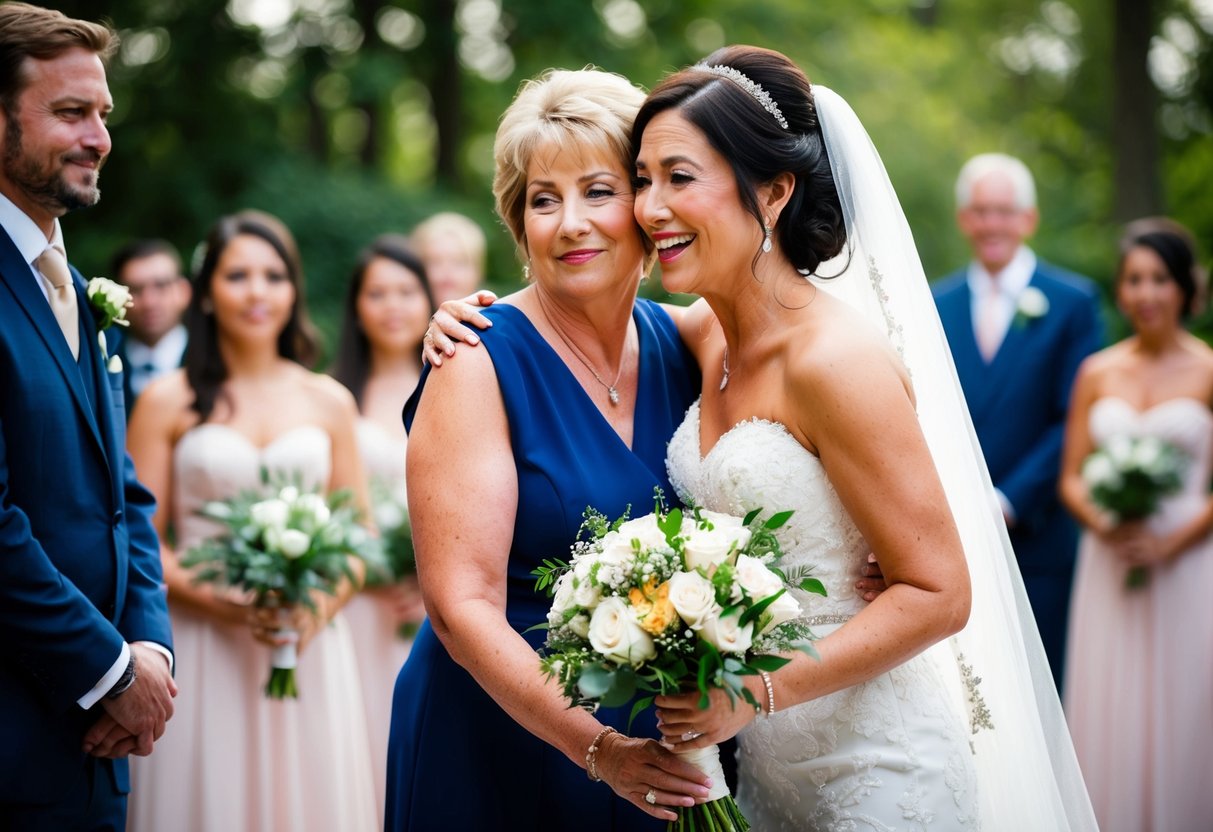
The mother of the bride also participates in several significant moments during the ceremony and reception. This includes helping you get ready and joining you on the dance floor, which highlights the special bond you share. Each of these contributions reflects the love and guidance she offers as you embark on this new chapter.
Understanding these traditions can make your wedding even more meaningful. You can embrace the customs that resonate with you while creating unforgettable memories together.
Pre-Wedding Preparations
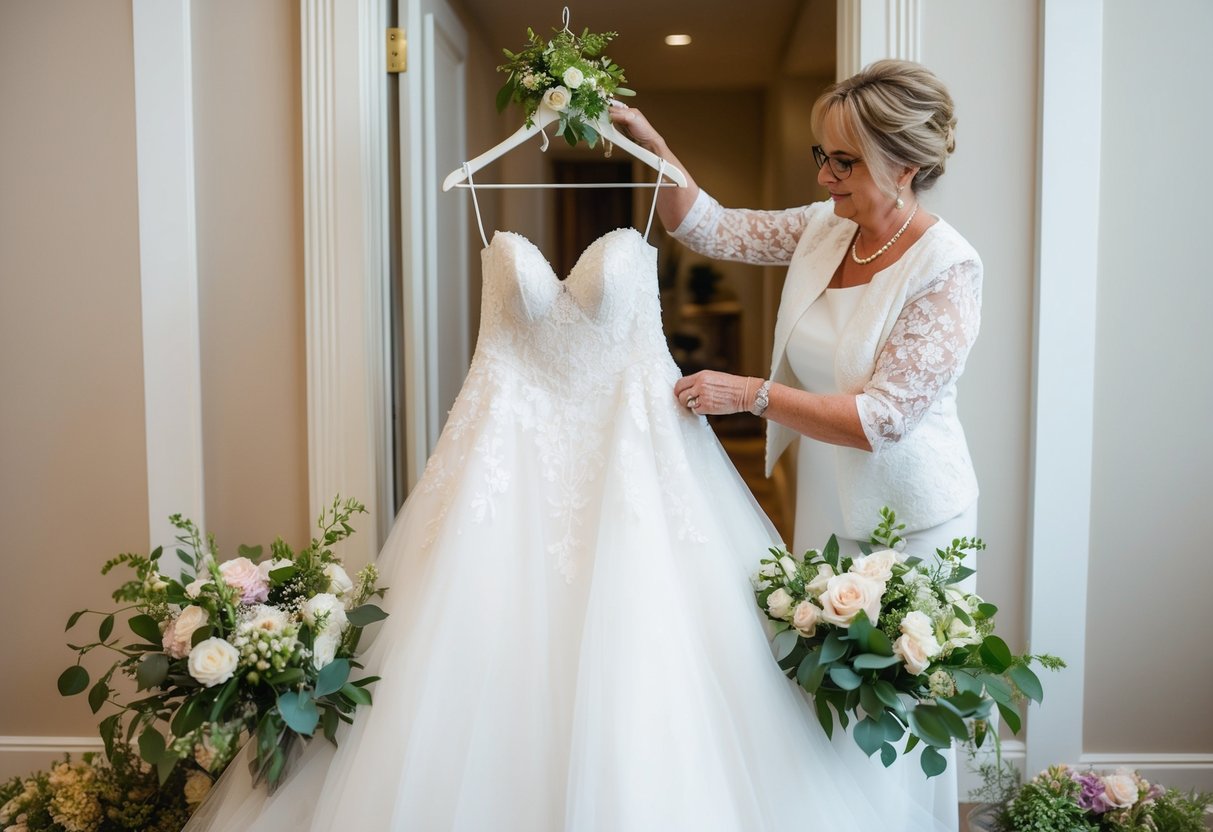
Preparing for a wedding involves many important tasks. As the mother of the bride, you’ll play a key role in several areas, making the process smoother and more enjoyable for everyone involved.
Guest List Coordination
One main task is organizing the guest list. You can help your daughter by gathering names and addresses of family and friends.
Start by creating a shared document to keep things organized. Include columns for names, contact info, and RSVP status. This will help her see who is invited and who has replied.
Discuss who she wants to invite and prioritize those guests. Make sure to include any important family members, friends, and significant people in her life.
You can also support her by collecting information about plus-ones if applicable. Once the list is set, follow up with guests closer to the big day.
Bridal Shower Planning
Hosting a bridal shower is another key responsibility. Start by deciding on a theme and date. Ensure it matches your daughter’s style and preferences.
Next, create a guest list. This can include both family and friends. Don’t forget to consult with your daughter to ensure everyone she wants is included.
Plan the menu and choose a location. You can host it at home or rent a venue if the budget allows. Consider what food and drinks will be served.
Organizing activities, like games or a gift-opening session, can make the shower fun and engaging. Make sure to send out invitations well in advance so guests can RSVP.
Wedding Attire Assistance
Helping with wedding attire is an exciting part of the process. Start by discussing your daughter’s vision for her wedding dress. Attend dress fittings together for support.
Be sure to include the bridesmaids in this discussion. Their dresses should complement the bride’s attire and overall theme. You can help with coordinating styles and colors.
Also, consider helping her choose accessories, shoes, and a veil if she wants one. Take notes on registry picks and coordinate with her to ensure everything aligns perfectly.
Your guidance and support during these planning tasks will make a difference while creating lasting memories.
Ceremony and Reception Roles
The mother of the bride has many important roles during the wedding ceremony and reception. These duties range from providing emotional support to hosting out-of-town guests, ensuring everything runs smoothly on the big day.
Emotional Support and Guidance
As the mother of the bride, your primary role is to offer emotional support. Weddings can be stressful, so being a calming presence is essential.
You can help by listening to your daughter’s concerns and providing reassurance. Offer suggestions when needed but be careful not to overstep.
Your experience is valuable. Share tips or insights that can ease her worries. This support creates a loving environment and helps your daughter enjoy the day.
Hosting Out-of-Town Guests
Hosting out-of-town guests can be a challenge, but it’s a significant part of your role. You need to ensure these guests feel welcomed and cared for.
Start by organizing accommodations. Compile a list of nearby hotels with group rates to make booking easier for guests.
Consider arranging welcome bags that include snacks, maps, and schedules for the wedding events. This thoughtful gesture can make a lasting impression.
During the reception, take time to greet guests, making sure everyone feels included. Your friendly approach can help guests connect and enjoy their time together.
The Big Day: Mother of the Bride Duties
On the wedding day, your responsibilities shine through. Start early by helping the bride with her preparations. Ensuring she is relaxed and ready is key.
During the ceremony, you may have specific duties, such as walking her down the aisle or standing beside her at the altar.
At the reception, embrace your role as the hostess. Greet guests, introduce them to one another, and facilitate conversations.
You might also participate in traditional dances, like the father-daughter dance, which warms up the floor for other guests. These small moments add joy and connection to the celebration.
Post-Wedding Responsibilities
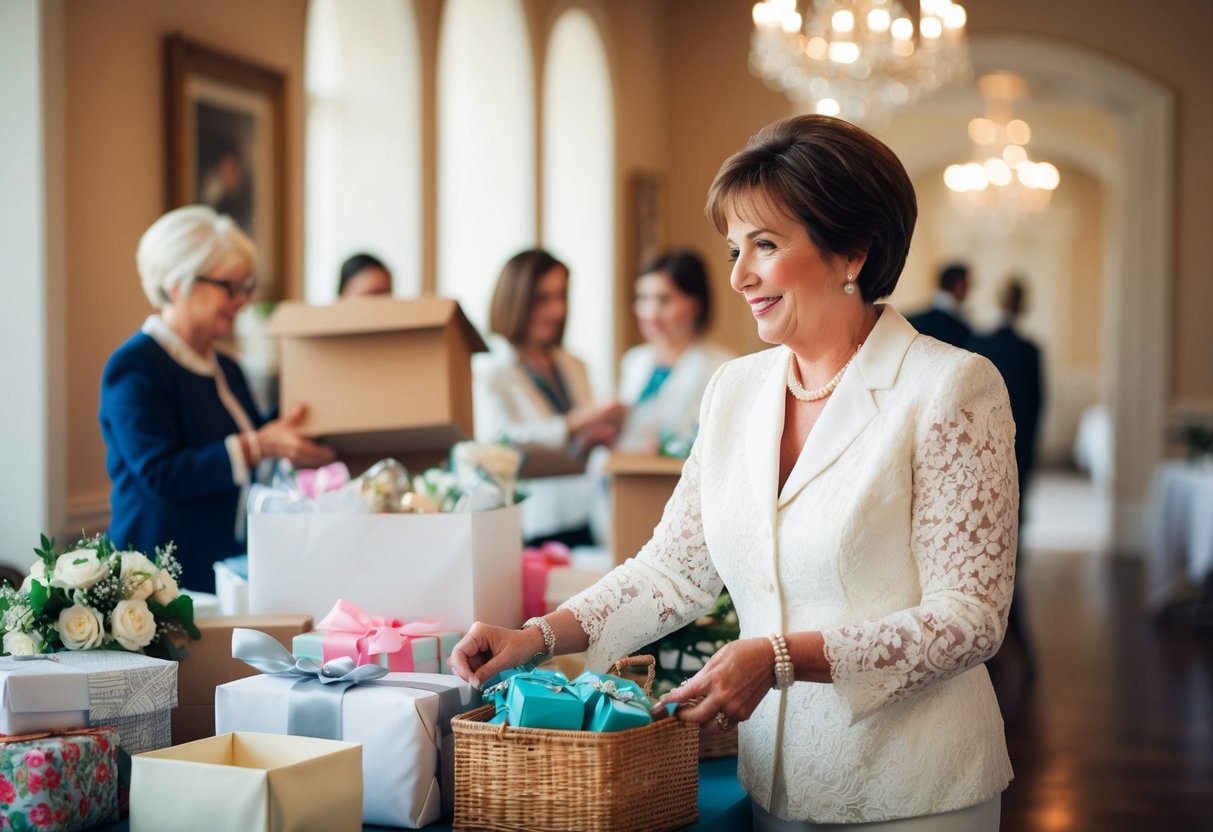
After the wedding, your role as the mother of the bride continues in special ways. It’s a time to support your daughter as she begins her married life.
First, help your daughter with thank-you notes. Your daughter needs to express gratitude to family and friends who attended and gifted her. Offer to gather addresses and assist in drafting messages.
Next, stay involved in family dynamics. Ensure your daughter feels loved and supported. She may need advice or a listening ear as she adjusts to married life.
You may also help preserve wedding memories. Organize photos or create a wedding album together. This can be a lovely bonding activity that highlights the love shared on that special day.
Another duty is to maintain relationships with extended family. Reach out to relatives who attended the wedding. This keeps the spirit of the celebration alive and fosters connections.
Finally, participate in any family traditions. Celebrate anniversaries or special occasions together. Your involvement in these traditions ensures the couple feels supported and connected to their roots.