
What is the Tradition of Father Giving Away Bride? Exploring Its Meaning and Significance in Weddings
The tradition of a father giving away the bride is a meaningful part of many wedding ceremonies. This act symbolizes the father’s blessing and support for his daughter as she enters a new chapter in her life with her partner.
In traditional weddings, this gesture often takes place as the bride walks down the aisle, marking a significant moment that highlights the bond between father and daughter.
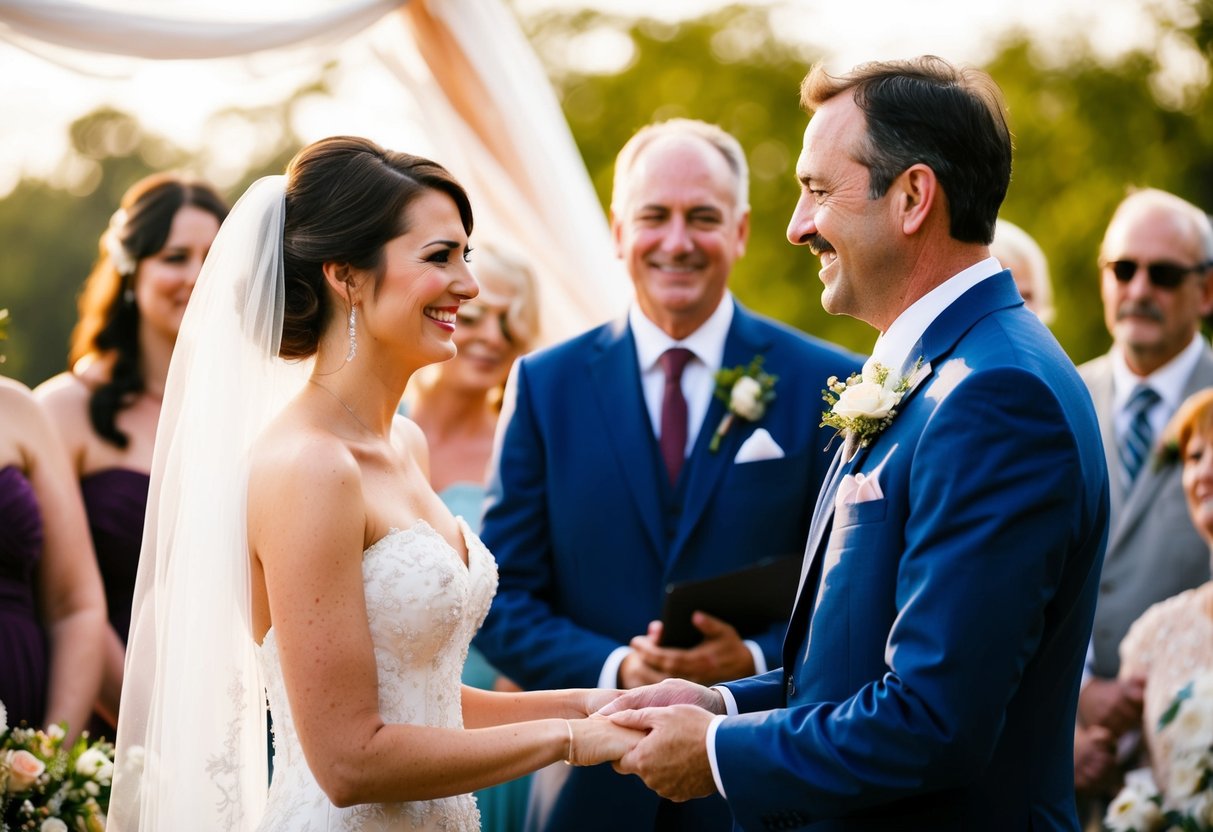
While the roots of this practice can be traced back to times when women were viewed as property, today it holds a more sentimental meaning. In modern weddings, it represents love, unity, and the transition from one family to another. You may wonder how this tradition has evolved and what it means for couples today, so let’s explore its history and significance further.
Historical Significance of the Tradition
The tradition of a father giving away his daughter during a wedding has deep historical roots. It reflects societal views on marriage, property, and family roles. Understanding its significance requires looking at the origins of this practice and the transfer of responsibility it symbolizes.
Origins and Dowry
The act of giving away the bride often comes from societies where arranged marriages were common. In these cultures, families negotiated marriages to benefit social standing or financial situations.
A dowry was typically involved, where the bride’s family provided goods or money to the groom’s family. This practice highlighted the bride as a form of property, transitioning ownership from her father to her husband.
Historically, the father’s role was to ensure that his daughter was cared for. By giving her away, he signified acceptance of the new bond and the values tied to marital arrangements.
Transfer of Responsibility
The tradition also represents a transfer of responsibility. When a father gives away his daughter, he passes the role of protector and provider to her husband.
This act is more than just a ceremonial gesture; it marks a significant shift. You’re moving from one familial structure to another. It indicates that the husband is now responsible for the bride’s welfare and happiness.
This concept can feel dated in modern times, but it still resonates in many wedding ceremonies. It serves as a reminder of the roles that families play in relationships and the expectations that come with them.
Understanding these elements can give you a greater appreciation for the depth of this tradition.
Ceremonial Process and Variations
The tradition of a father giving away the bride involves several key elements in the wedding ceremony. This section explores the walking down the aisle, alternative wordings often used, and the overall ceremony processional. Each part can vary significantly based on cultural or personal preferences.
Walking Down the Aisle
Walking down the aisle is a significant moment for both the bride and her father. As you prepare for this moment, consider the feelings it brings.
Traditionally, the father walks the bride to the altar, symbolizing his support and approval of the marriage.
In more modern ceremonies, the bride may choose to walk alone or with both parents. This reflects personal values and family dynamics. Many people also appreciate incorporating cultural practices, such as Jewish traditions, where both parents accompany the bride.
Alternative Wordings
During this ritual, a common phrase is “Who gives this woman?” Many officiants ask this question to signify the father’s role in the ceremony. Often, the father responds with “Her mother and I” or simply “I do,” showing their mutual support.
You may also find alternatives like “I present my daughter to you.” These wordings can vary based on personal preference or cultural background. This moment serves to acknowledge the significance of the transition from one family to another.
Ceremony Processional
The ceremony processional sets the stage for the wedding. Typically, it starts with the wedding party entering, followed by the bride and her father.
You can customize the music to enhance the experience, whether you prefer classical pieces or contemporary songs.
Make sure to consider every detail, such as the timing and the order of procession. Some couples choose to include special family members or even pets in the processional. Each variation adds a personal touch to the event, making it meaningful for everyone involved.
Modern Interpretations and Adaptations
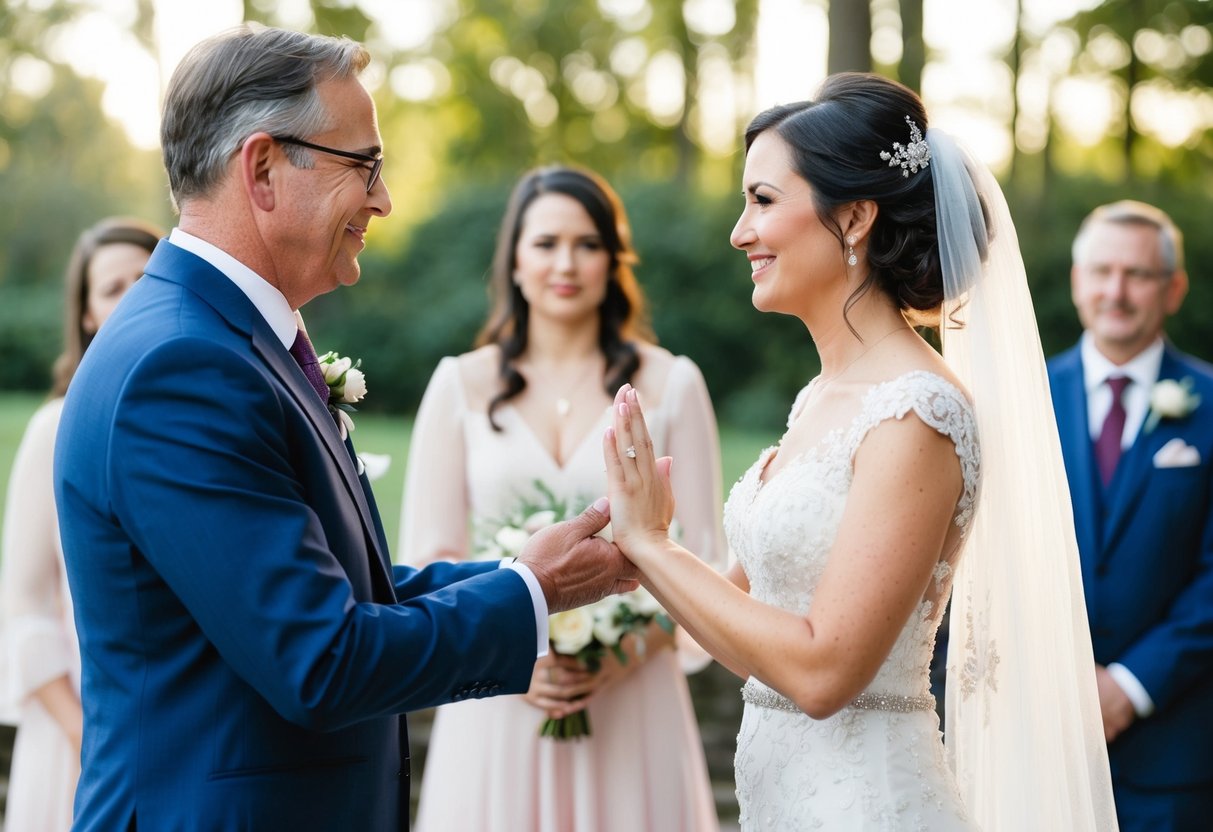
The tradition of a father giving away the bride is evolving. Many modern couples now embrace new meanings and ways of honoring this moment, reflecting changes in society and individual beliefs. The focus includes values like female empowerment and personalized traditions that make the ceremony meaningful to you.
Female Empowerment
Today, many brides want to assert their independence. You might choose to walk down the aisle alone or with both parents. This change highlights your strength and the importance of making your own choices.
Some couples blend traditions, like having both partners walk together. This approach symbolizes equality and unity. It shows that both of you enter this new chapter as equals, not just following outdated customs.
Personalized Traditions
Personalizing your wedding day is now a common desire for many modern brides. You might want to create a tradition that reflects your personality.
This could include unique rituals or symbolic gestures that mean something special to you and your partner.
For instance, consider incorporating personalized jewelry that tells your story, like a necklace or bracelet gifted to you by your parents. Such thoughtful touches add depth and significance to your wedding while honoring family ties in your own way. This approach allows you to blend modern elements with meaningful traditions, ensuring your wedding is a true reflection of who you are.
Role of the Father and Emotional Significance
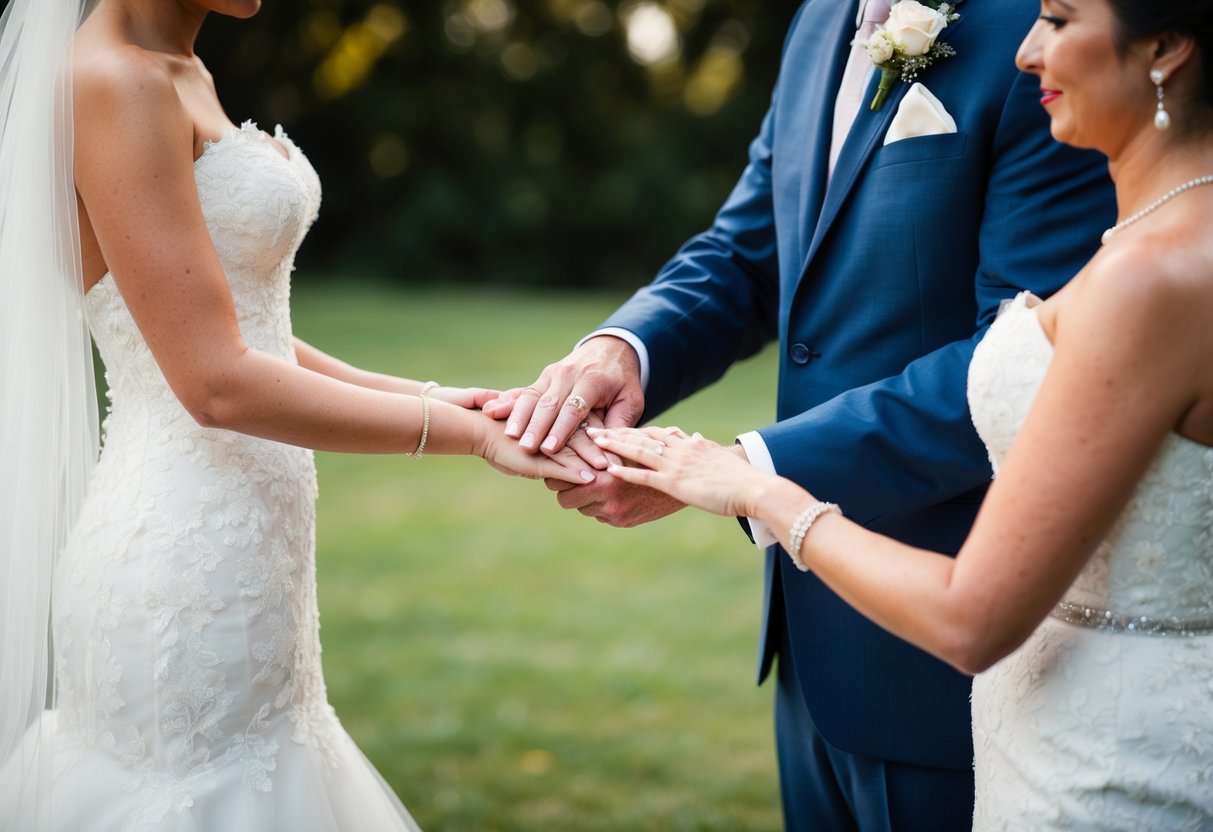
In a wedding, the father’s role goes beyond tradition. This moment is filled with significance, as he offers his blessing and approval. You can feel the weight of emotions during this special act, marking a transition from one family to another.
Blessing and Approval
When the father gives away his daughter, he is providing his blessing and approval of the marriage. This act symbolizes his acceptance of the groom as part of the family.
Traditionally, this moment carries deep meaning. It shows that the father trusts the groom to take care of his daughter. You might notice how the atmosphere changes as he walks her down the aisle. He often holds her hand tightly, reflecting both pride and love.
It’s also a chance for the father to express his feelings. Many fathers share a few words or a nod to signify their support. This emotional moment highlights the bond between father and daughter, making it memorable for everyone present.
An Emotional Milestone
Giving the bride away is not just a symbolic gesture; it is a significant emotional milestone for both the father and the bride. For you, it marks a transition from being under your father’s care to starting a new life with your partner.
During this time, many feelings can surface. You may feel joy, sadness, or a mix of both.
It’s common for fathers to struggle with letting go, as this moment signifies change.
This emotional milestone is a reminder of the father’s role in your life. He has been there for many important moments, and this is one of the last major steps he takes in that role.
As he hands you over to your groom, it can feel like the ultimate wedding gift, passing on his care and love to a new partner.