
What is the Tradition of Serving Wedding Cake to Guests? Exploring Its Sweet Significance
Serving cake at weddings is a tradition that brings joy and sweetness to the celebration. The primary purpose of offering wedding cake to guests is to symbolize and celebrate the union of the couple.
As you gather with friends and family, sharing this special treat helps create lasting memories and fosters a sense of community among everyone present.
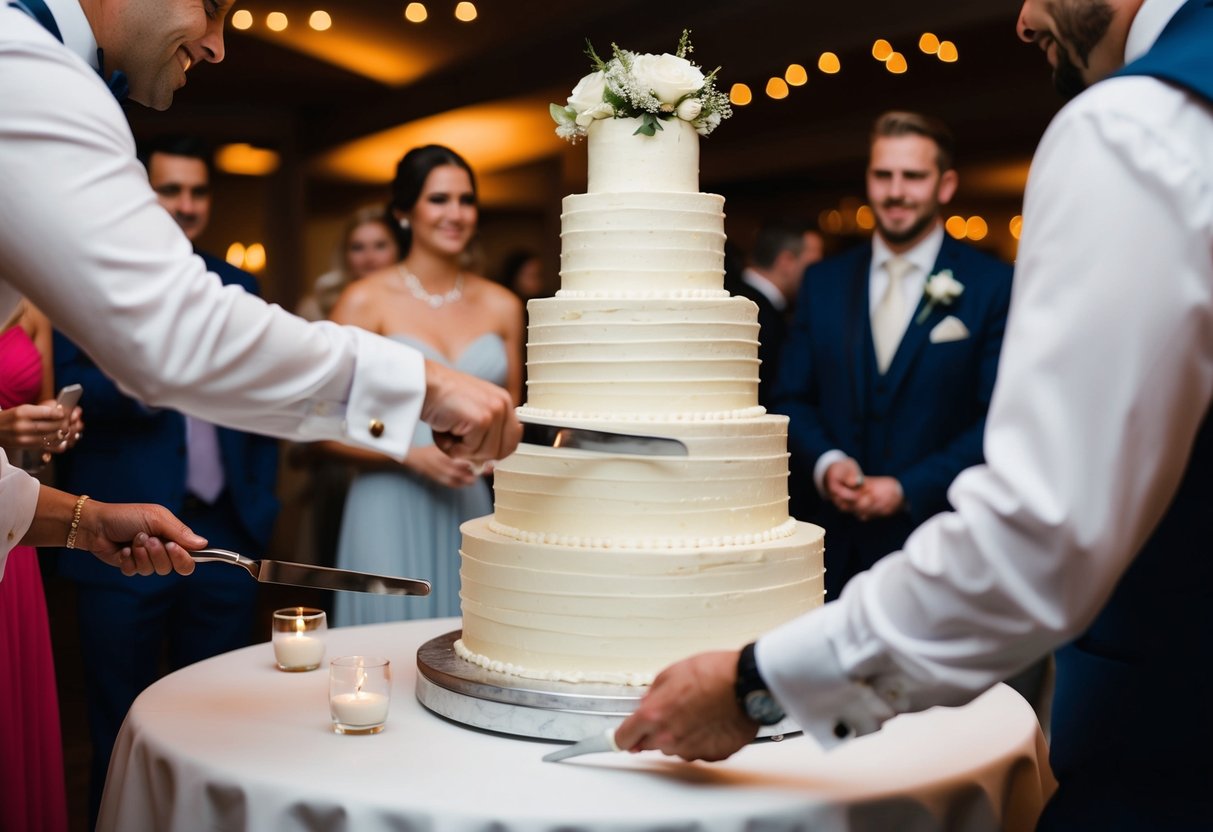
Throughout history, various wedding cake traditions have emerged. From multi-tiered cakes to incorporating flavors that reflect a couple’s personality, each element adds a unique touch to your celebration. Guests often look forward to this delicious moment, making the cake a highlight of the wedding festivities.
Whether you’re interested in traditional fruitcakes or modern designs, understanding the significance of serving cake can enhance your wedding experience. It’s not just about the taste; it’s about celebrating love and togetherness with your cherished wedding guests.
History and Cultural Significance
The tradition of serving wedding cake to guests has deep roots in history, starting from ancient practices in Rome and evolving through the Middle Ages to modern celebrations. You’ll discover how these customs have shaped the significance of wedding cakes today.
Origins in Ancient Rome
In ancient Rome, wedding cakes were quite simple. A basic wheat or barley cake was made and often broken over the bride’s head during the ceremony. This act symbolized good luck and fertility for the couple.
The crumbs from the cake were said to bring blessings, making it an important part of the wedding ritual. Guests would share in the crumbs, reinforcing community bonds and celebrating new beginnings.
The simple act of cake-sharing marked the start of a tradition that would grow more complex over centuries.
Evolution Through the Middle Ages
As we move into the Middle Ages, the tradition of wedding cakes began to transform. Cakes became sweeter and more elaborate, often layered and decorated. The use of refined sugar added new flavors and visuals, enhancing their appeal.
During this time, a custom known as “cake cutting” began. The bride and groom would cut the cake together, signifying their unity. In many cultures, guests would save small pieces of the cake to bring good fortune.
These practices highlighted the cake’s role not just as dessert, but as a representation of the couple’s love and commitment.
Modern Wedding Cake Traditions
Today, wedding cakes are more than just a delicious treat. They often serve as the centerpiece of the reception. Modern cakes commonly feature multiple tiers and intricate designs, sometimes reflecting the couple’s personality and wedding theme.
The iconic white wedding cake became popular in the 19th century, symbolizing purity and elegance. Many couples still follow traditional customs, like the cake cutting and feeding each other, to celebrate their bond.
The cultural significance of wedding cakes continues to evolve, blending old traditions with new ideas to create lasting memories for couples and guests alike.
The Wedding Cake Ceremony
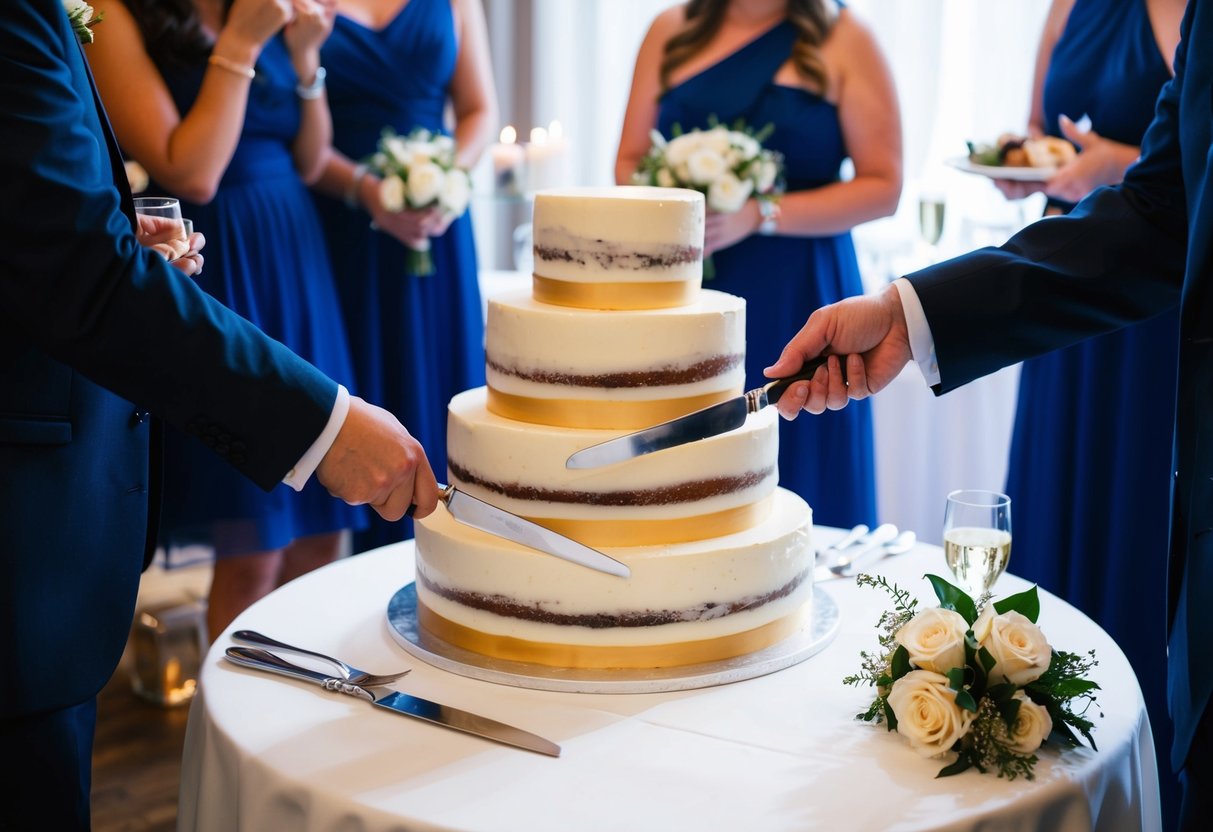
The wedding cake ceremony is a joyful tradition that adds meaning to your special day. It includes unique rituals like cutting the cake, feeding each other, and saving the top tier for good luck. Each part has its own significance, celebrating your love and commitment.
The Cutting of the Cake
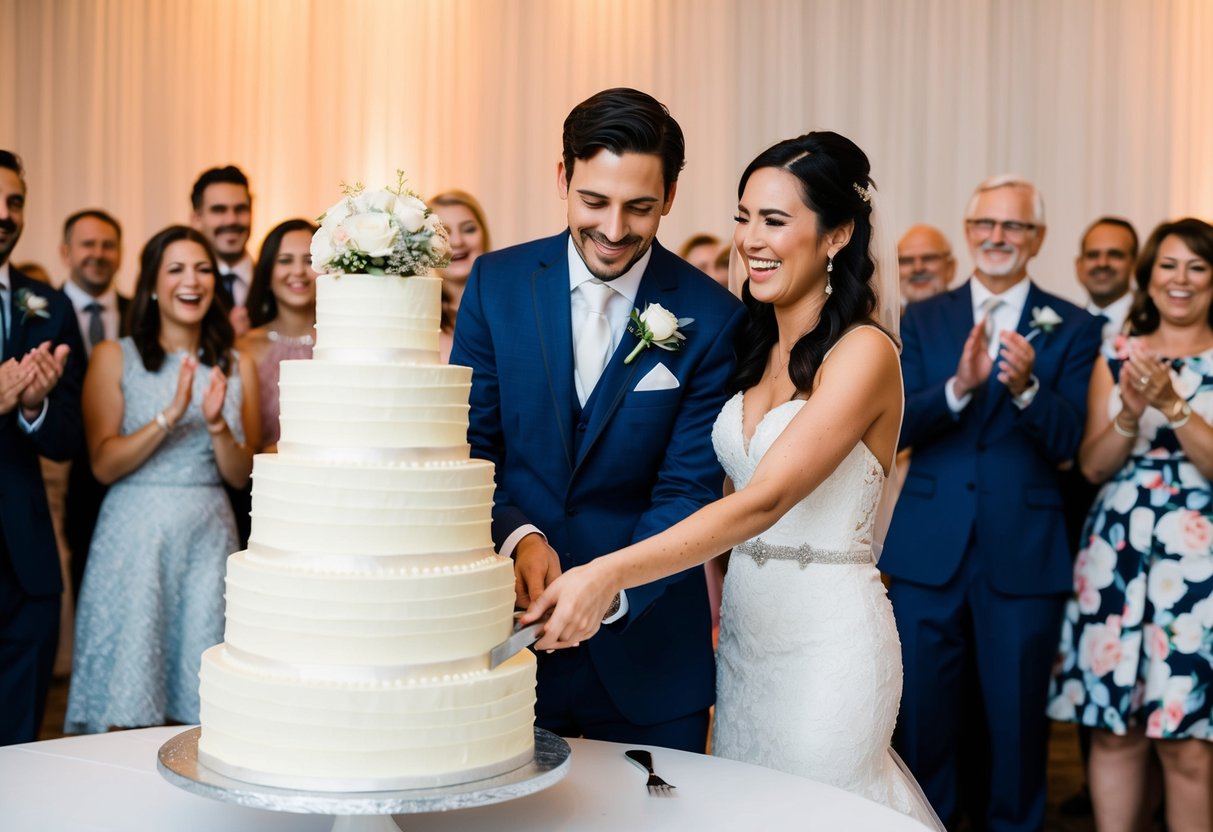
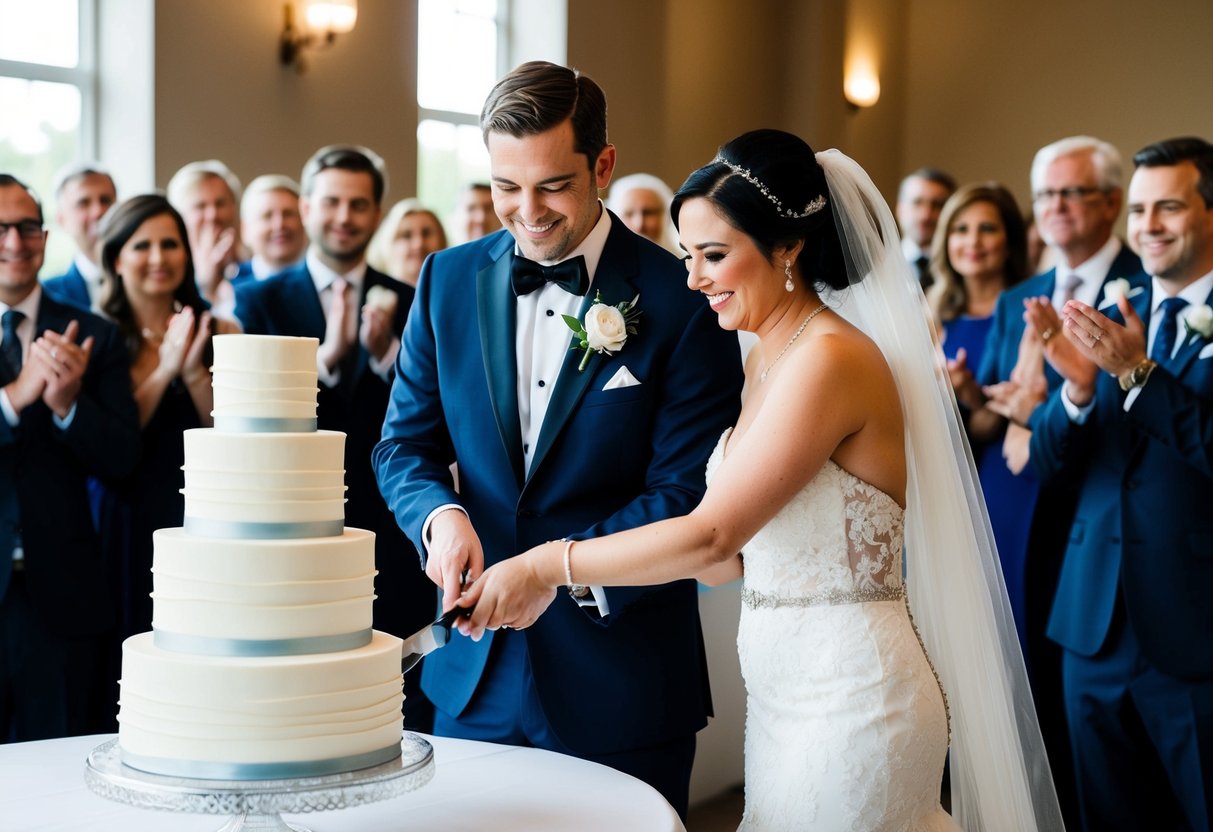
The cake cutting ceremony is often one of the most photographed moments of the wedding. As the bride and groom, you will take a moment to cut the cake together. This act symbolizes your first task as a married couple.
Traditionally, you both hold the knife, showing unity in your new life. The moment you make the first cut is filled with excitement. Guests look on as you serve each other the first piece, marking the beginning of your shared journey.
Feeding Each Other Cake
Feeding each other cake adds a fun and intimate touch to the ceremony. After cutting the cake, you will share bites, often in a playful manner. This act represents nurturing and support in your marriage.
It is a chance to show affection as you smile and laugh together. For some couples, this can turn into a light-hearted moment where they playfully smear cake on each other’s faces. This lively interaction brings joy and entertainment to your guests, creating lasting memories.
Saving the Top Tier for Good Luck
Saving the top tier of the wedding cake is a charming tradition with roots in history. Couples often choose to keep this tier to enjoy on their first anniversary. This ritual symbolizes the hope for a long and happy marriage.
Originally, this practice also linked to christening ceremonies. It was common to have the cake saved for a future celebration with family. Today, many couples place the cake in the freezer, ensuring the flavor remains intact, and enjoy it together as a sweet reminder of their wedding day.
Design and Symbolism
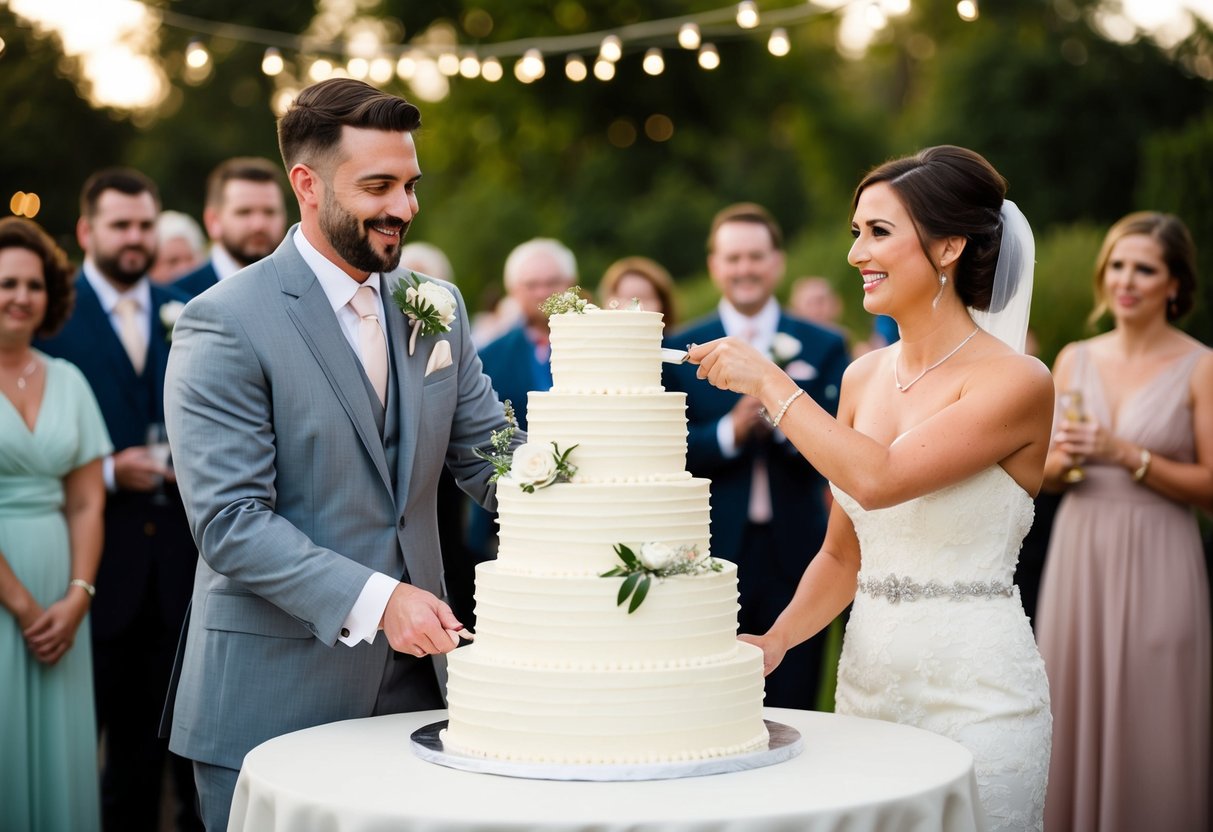
The design elements of wedding cakes hold great importance, reflecting the couple’s love and the celebration’s theme. Each detail, from the icing to the toppers, symbolizes different aspects of the union. Here are the key features of wedding cake design and what they represent.
Significance of the White Icing
Traditionally, white icing represents purity and new beginnings. It is a classic choice for wedding cakes and enhances the cake’s visual appeal. The smooth, white surface provides a neutral backdrop for decorations, making flowers and intricate designs stand out.
Using white icing also connects to the symbolism of the bride’s dress. Both signify the purity of love as the couple begins their life together. You might find flavors like vanilla or almond paired with white icing, adding a touch of sweetness that aligns with the joyous occasion.
Wedding Cake Toppers and Charms
Wedding cake toppers add a personalized touch to your cake. These can range from traditional figures of the bride and groom to modern designs that reflect your unique story. Many couples choose toppers that symbolize shared interests or hobbies, making the cake a true centerpiece of the celebration.
Wedding cake charms are another delightful addition. Guests often find charms hidden within the cake slices. Each charm holds a special meaning, such as health or happiness, and whoever finds them is said to have good luck. This adds an interactive and fun element to your wedding cake experience.
The Groom’s Cake
The groom’s cake is often a rich, dark confection, distinct from the traditional wedding cake. This cake is typically designed to reflect the groom’s personality or interests. You might see themes like hobbies, sports, or favorite movies represented in its design.
Serving the groom’s cake allows the couple to celebrate their individuality, showcasing the unique bond they share. This cake often has its own flavor, like chocolate or red velvet, creating a delightful contrast with the main wedding cake. It can also provide an element of surprise for guests, adding to the overall festive atmosphere.
Contemporary Trends and Alternatives
Weddings today often include unique twists on traditional customs. You’ll find a variety of alternative desserts gaining popularity while modern cakes still interpret classic elements in fresh ways.
Alternative Desserts to Wedding Cakes
Many couples are moving away from the classic wedding cake. Instead, they are choosing alternative desserts that reflect their tastes and personalities. Options like cupcakes, macarons, and donut walls are trending.
Cupcakes allow for individual servings and a range of flavors. Macarons add a touch of elegance, perfect for a modern setting. Donut walls are fun and interactive, giving guests a sweet treat they can customize.
Also, desserts like cheese towers break traditions beautifully. These options not only satisfy guests’ sweet cravings but also create a unique dining experience.
Interpreting Traditional Elements in Modern Cakes
Many couples still love the idea of a traditional wedding cake, even with alternatives. Modern cakes can blend traditional elements while offering new flavors and styles.
You can opt for a classic tiered design but choose bold flavors like red velvet or chocolate ganache. Decoration plays a key role here. Think fresh flowers or intricate lace designs made from fondant.
Many couples also incorporate symbolic elements into their cakes. For example, using fruits known for fertility can add personal significance. This blending of old and new allows you to honor traditions while making the celebration truly yours.