
What is the Traditional British Wedding Cake? Discover Its History and Significance
When you think of a wedding, the cake often takes center stage. The traditional British wedding cake is usually a rich fruitcake, known for its dense texture and vibrant flavors. It symbolizes prosperity and good fortune for the couple. This cake is typically covered in marzipan and royal icing, making it not just a treat but also a beautiful centerpiece for the celebration.
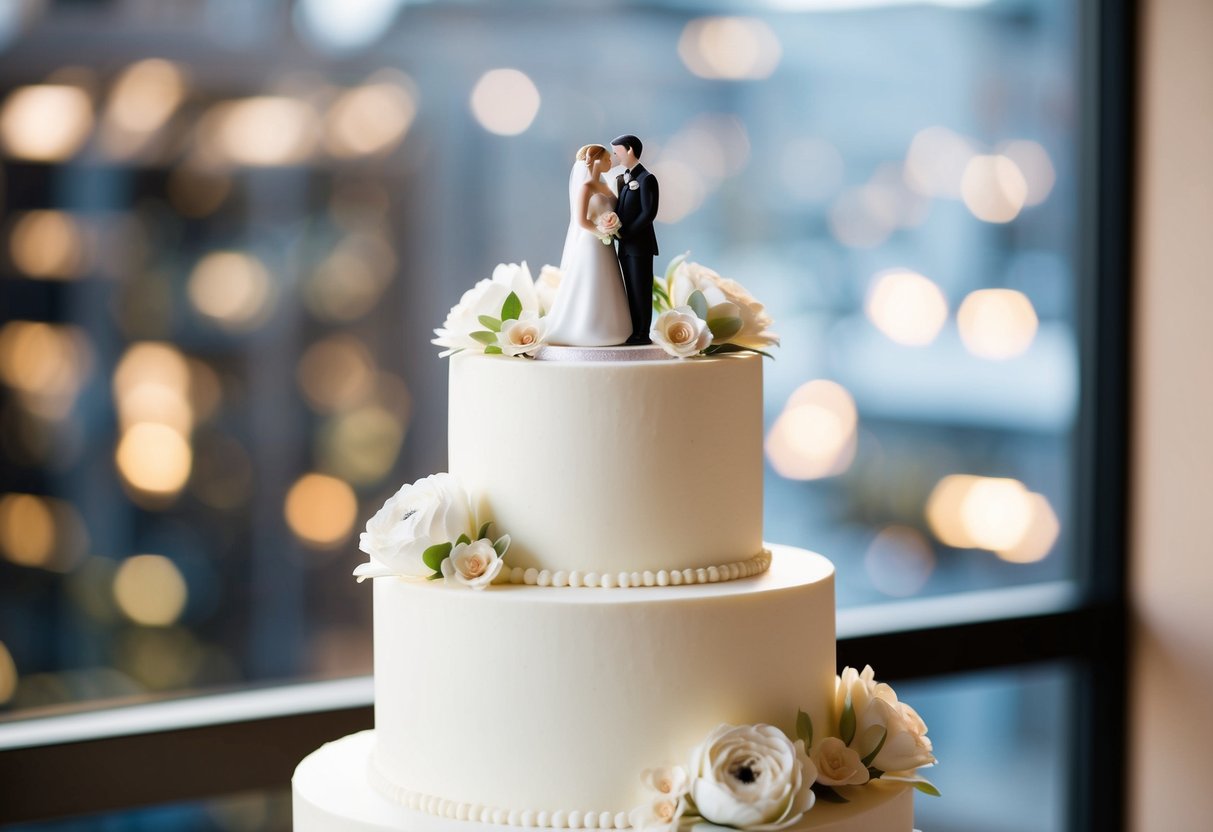
Wedding customs in the UK have evolved over the years, but the significance of the wedding cake remains strong. It is often layered and decorated with intricate designs, reflecting the personal style of the couple. You might even find a unique twist, like a contemporary twist with flavors beyond the classic fruitcake, appealing to modern tastes.
If you’re planning a wedding or simply love to learn about traditions, exploring the history and meaning behind the traditional British wedding cake offers a delightful journey into culture and celebration. Understanding these customs can help you appreciate the special moments shared during this significant event.
Historical Significance
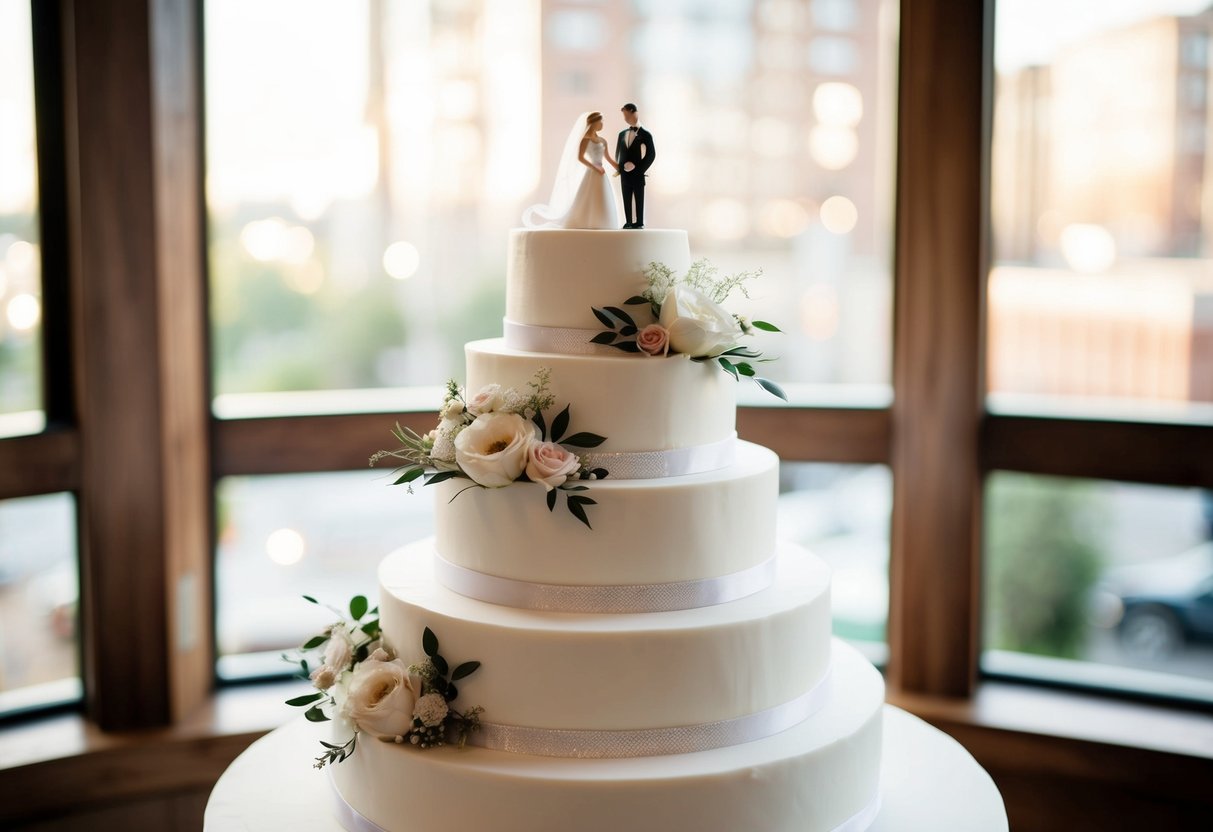
The traditional British wedding cake carries deep historical meaning tied to British culture and royal influences. It showcases rich customs that date back to the Victorian era and highlights how royal weddings shaped popular practices.
Victorian Roots
During the Victorian era, wedding cakes transformed into grand symbols of prosperity and happiness. Queen Victoria’s marriage to Prince Albert in 1840 set a trend for elaborate wedding cakes. Her cake was a fruitcake, adorned with icing and flowers, which became the standard for future weddings.
These cakes were often large, reflecting the family’s wealth. They were crafted using rich ingredients, symbolizing fertility and abundance. The layers of the cake also represented the couple’s journey together, making it a centerpiece at the celebration.
Royal Weddings Influence
Royal weddings have long played a crucial role in shaping wedding traditions, including cake styles. Queen Elizabeth’s wedding cake in 1947 was a fruitcake, richly decorated, and weighed 500 pounds. This tradition continued through other royal events, influencing countless couples across the British Empire.
Each royal cake often featured unique designs and flavors, inspiring bakers and couples alike. The influence of these cakes extended beyond just the weddings; they reflected the times, showcasing elegance, and creativity that you see even in modern weddings today.
Traditional Components
When it comes to traditional British wedding cakes, there are two main components that make it special: the fruitcake base and the icing and decorations. These elements not only taste delicious but also hold significant meaning in wedding traditions.
Fruitcake Base
The traditional wedding cake is a rich fruitcake. This cake is dense and packed with dried fruits, nuts, and spices. The combination creates a flavorful base that’s perfect for weddings.
Fruitcakes are often soaked in alcohol, like rum or brandy, which helps preserve them. This is why many couples save a tier for their children’s christenings.
Baking a fruitcake can take time, as it often requires several hours in the oven. A well-made fruitcake can stay fresh for months, making it a classic choice for wedding celebrations.
Icing and Decoration
The icing on a British wedding cake usually includes several layers. First, there’s a layer of marzipan, made from almond paste, which adds a sweet flavor and smooth texture.
Next comes a thicker layer of royal icing, which is made from icing sugar and egg whites. This icing dries hard, giving your cake a beautiful finish.
For decoration, many couples choose fondant for a sleek look. You might see intricate designs made from gumpaste, like roses or ribbons. These decorations can personalize the cake, making it a unique centerpiece for your celebration.
Cultural and Symbolic Meanings
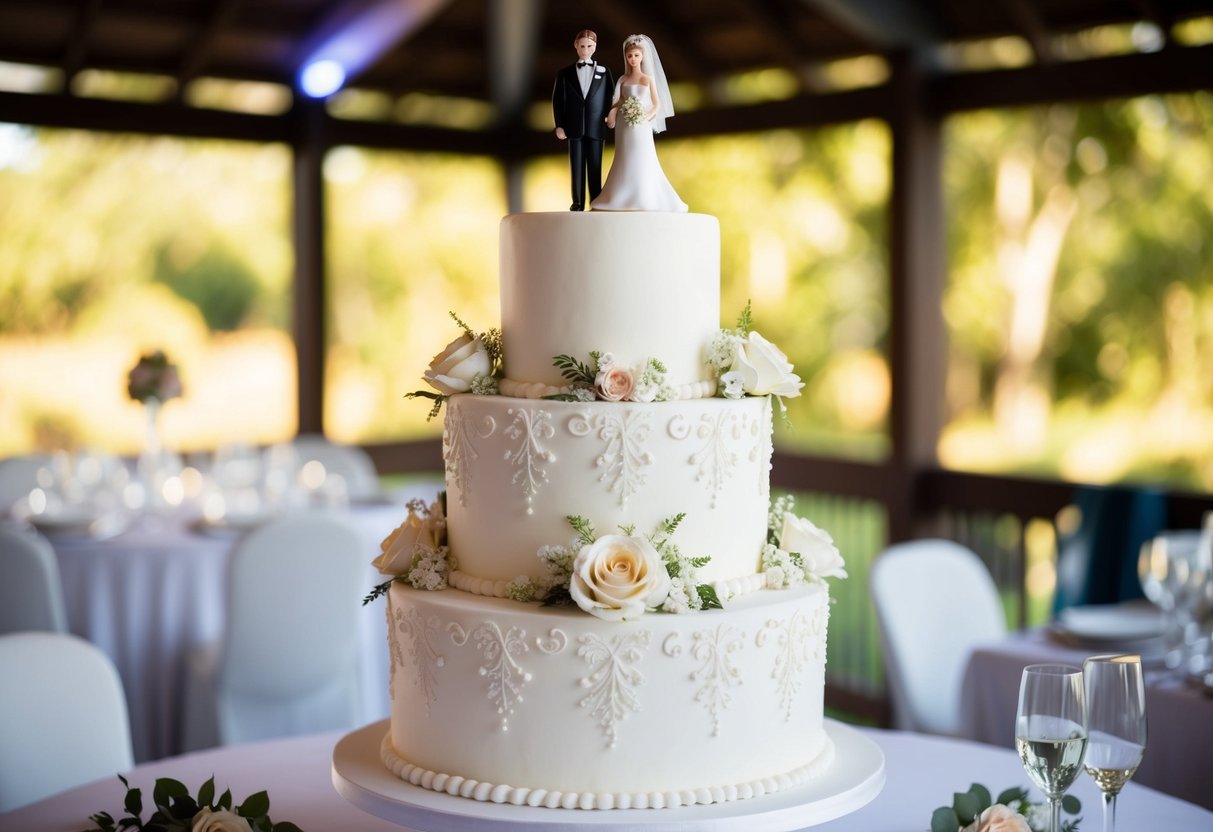
Wedding cakes are not just delicious treats; they are rich in cultural meanings and symbolism. These cakes often represent prosperity and wealth, while also signifying good luck and happiness in married life.
Symbols of Prosperity and Wealth
In British tradition, a wedding cake is often a fruitcake, celebrated for its rich ingredients, including dried fruits and nuts. This cake symbolizes prosperity and wealth in marriage.
When you share a substantial and luxurious cake, it reflects the couple’s hope for a prosperous life together. This connection to abundance dates back centuries, when guests shared the cake to wish the couple well.
Additionally, the height and decoration of the cake can signify the couple’s social status. A taller cake is often viewed as more prestigious, showing off both craftsmanship and the couple’s success.
Good Luck and Wedded Bliss
The act of cutting the wedding cake is filled with meaning, too. Traditionally, it is one of the first tasks a couple performs together. This symbolizes their commitment and teamwork in married life.
You may have heard that sharing this sweet treat can bring good luck. Guests often take a piece of the cake home, believing it will bring happiness to their own lives and ensure good fortune for the couple.
Moreover, many couples incorporate charms into their cake, which are said to bring additional blessings for a happy marriage. By sharing these beliefs, you connect with the rich history and hopes that wedding cakes carry for new beginnings.
Modern Interpretations and Variations
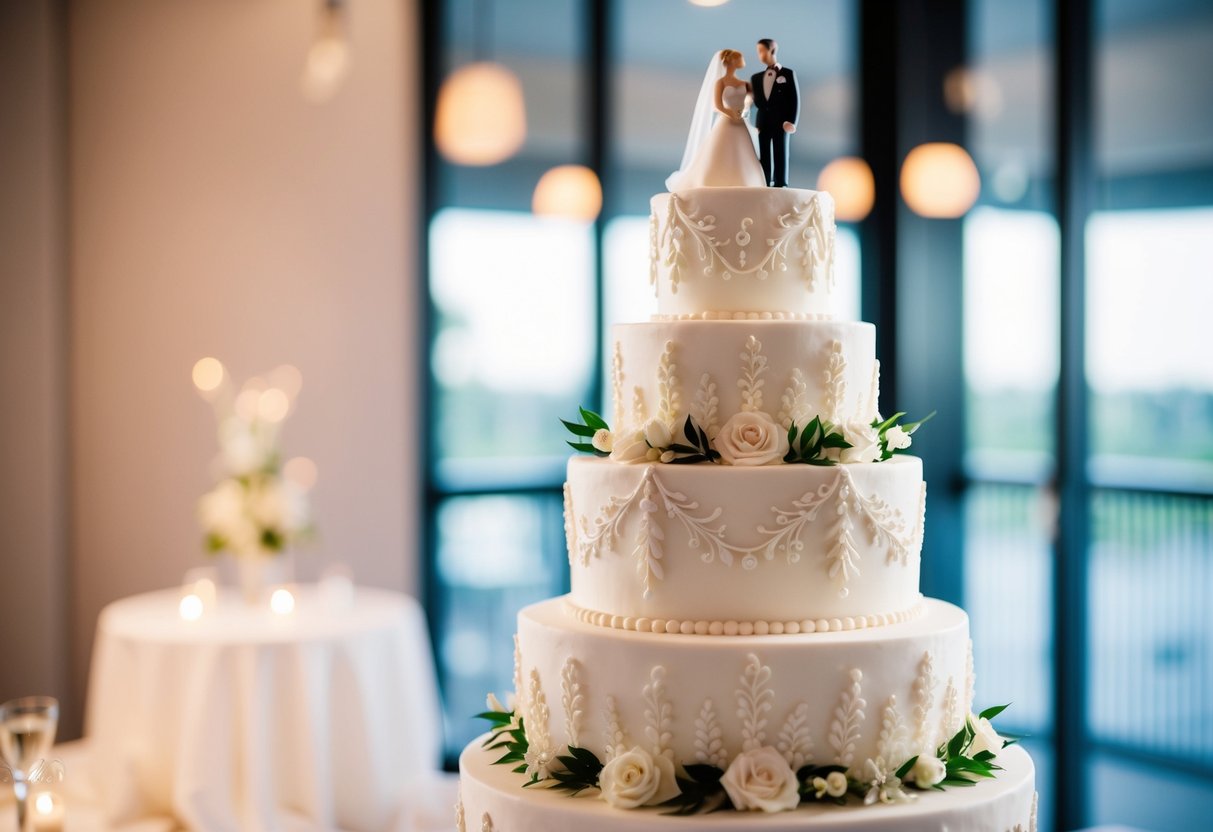
Many couples today put their own twist on the traditional British wedding cake. This means exploring different flavors, styles, and even shapes. You’ll find cakes that move away from the classic fruitcake to more contemporary options.
Contemporary Takes on a Classic
Sponge cake has become a popular choice in modern weddings. It’s light and fluffy, making it ideal for layering with creams and fruits. You can choose flavors like lemon, vanilla, or red velvet to please a variety of tastes.
Another favorite is the chocolate biscuit cake. This decadent treat combines biscuits and chocolate, creating a rich dessert that many love. Some even choose to have a multi-tiered sponge cake decorated with fresh flowers for an elegant look.
Alternative Wedding Cakes
Not every couple wants a traditional cake. Some are considering alternative options like banana cake or even cupcakes.
Banana cake offers a moist and flavorful choice that’s different yet delightful.
Cupcakes are also a hit for their convenience and variety. You can have a range of flavors, making it easy for guests to pick their favorites.
Don’t forget the groom’s cake, which can reflect his personality or interests. Whether it’s a sports theme or a favorite dessert, this cake adds a fun and personalized element to your celebration.