
What Is the Traditional Cake for a Wedding? Exploring Timeless Choices
When planning your big day, you might wonder about the cake that will take center stage at your wedding. The traditional wedding cake is often a multi-tiered confection made from rich fruitcake or sponge cake. It is beautifully layered and decorated. This cake serves not just as a dessert but as an important symbol of unity and celebration in many wedding traditions.
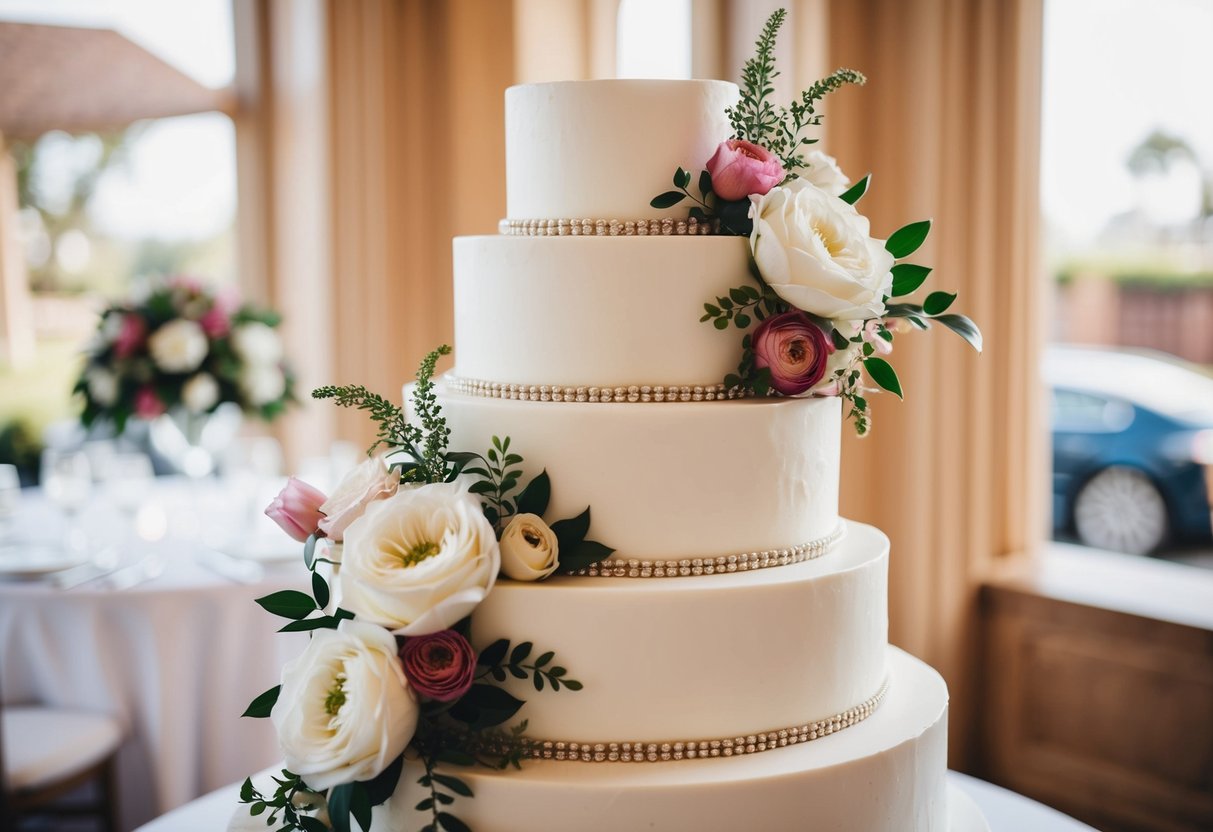
In addition to its deliciousness, the wedding cake has deep roots in history. Couples typically save the top tier to eat together on their first anniversary. This practice harkens back to customs where cakes were traditionally shared not just at weddings but also at christenings. By choosing a traditional wedding cake, you are embracing a piece of history that adds meaning to your celebration.
Exploring the world of wedding cakes can be delightful. Understanding the significance behind the cake can make your choice even more special. From flavors to decorations, each element can reflect your love story and the traditions you choose to carry forward.
History of Wedding Cakes
Wedding cakes have a rich and varied history, evolving from simple traditions to elaborate centerpieces. Understanding their origins helps you appreciate the symbolism and customs behind these sweet treats.
Ancient Origins
The traditional wedding cake has roots in ancient times. In Ancient Rome, a cake made of wheat or barley was broken over the bride’s head. This ritual symbolized fertility and prosperity. Guests would gather to catch the crumbs, believing it brought good luck.
As time went on, the concept of a wedding cake changed but remained significant. Early cakes were often simple bread or spiced buns. These were made to represent the couple’s union and were quite different from the luxurious cakes we see today.
Victorian Influence
During the Victorian Era, wedding cakes underwent a transformation. The introduction of refined sugar led to the famous white wedding cake made of fruit cake. This shift symbolized purity and was a popular choice for brides.
The Victorian wedding cake often featured intricate decorations, including sugar flowers and lace patterns. The cake’s design became as important as its taste, marking a significant change in wedding traditions.
By the 19th century, the use of cake toppers became common. These often portrayed a bride and groom, further personalizing the cake. This practice helped cement the wedding cake’s place at the center of wedding celebrations.
Design and Symbolism
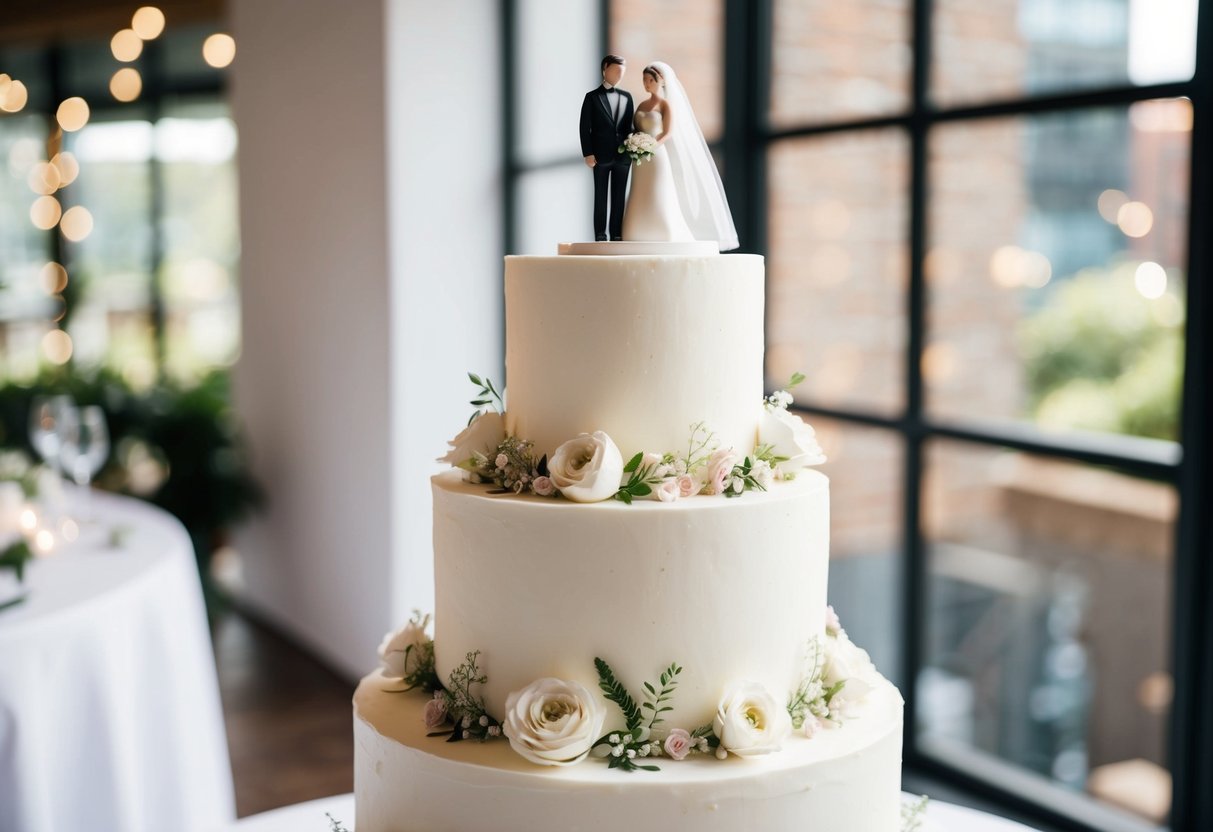
The design of a wedding cake is not just about how it looks; it contains important meanings and traditions. Many elements, from the number of tiers to decorative details, represent love, unity, and good fortune. Understanding these aspects can help you choose a cake that resonates personally.
Tiers and Meaning
Traditional wedding cakes often feature three tiers. Each tier can represent different aspects of the couple’s journey together. For instance, the bottom tier symbolizes the couple’s past, the middle tier their present, and the top tier their future together.
The three tiers also relate to the idea of good luck. When you cut the cake, you are sharing a piece of happiness with your guests. This sharing symbolizes unity among family and friends. Each cake can vary in size, but the tiered structure remains a classic choice for many couples today.
Decorative Elements
Decorative elements are crucial for conveying personal meaning. Fondant or buttercream frosting can create smooth, elegant finishes. You might also consider marzipan details for added texture and flavor.
Common decorations include roses, which symbolize love and beauty. Wedding cake toppers are another popular choice, adding a personalized touch to your cake. Some couples even choose to hide wedding cake charms within the layers, making it a fun surprise for guests. Each choice reflects your unique love story and brings more significance to your celebration.
Traditional Ingredients and Flavors
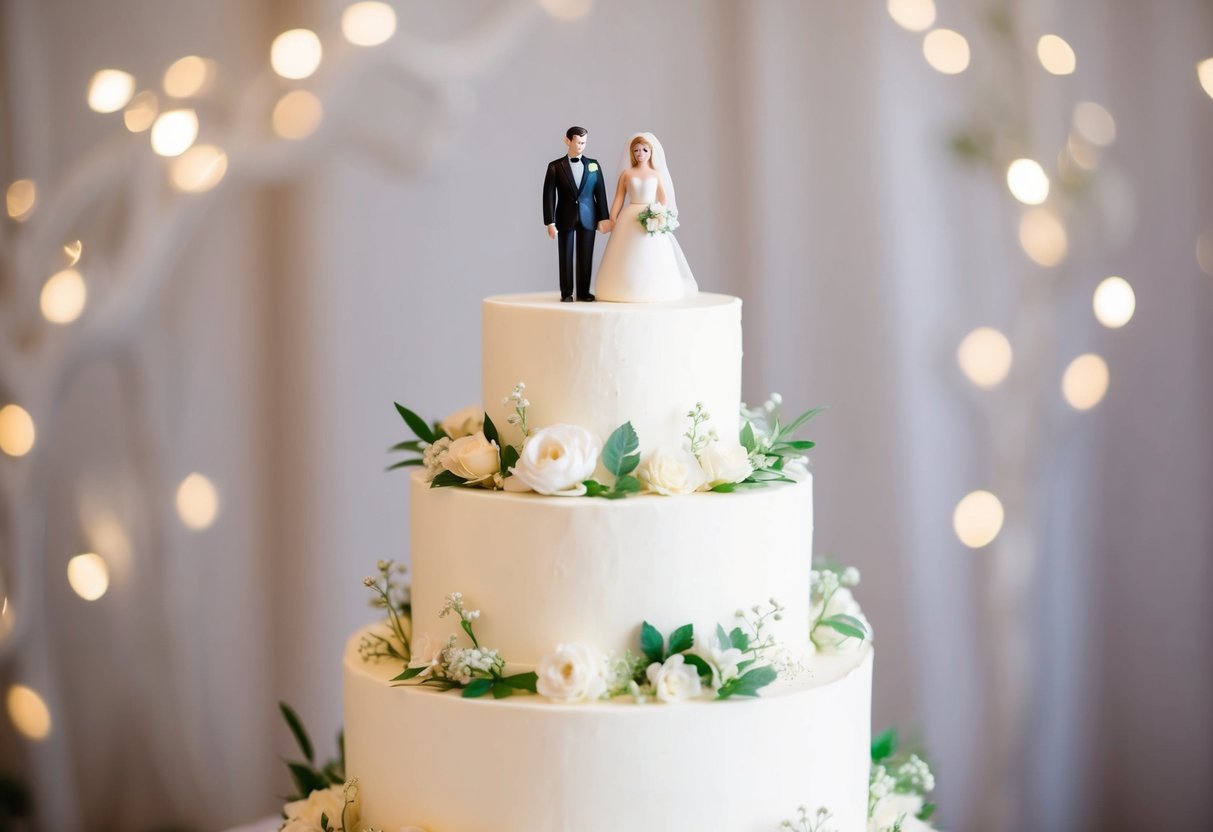
When planning a wedding cake, it’s essential to consider the ingredients and flavors that have stood the test of time. Traditional wedding cakes often feature rich and decadent flavors, as well as elegant decorations. Let’s explore classic recipes and modern twists that can make your cake memorable.
Classic Recipes
A classic wedding cake usually features a rich fruit cake base. This type of cake is made from ingredients like butter, sugar, eggs, and flour. Adding dried fruits such as raisins, currants, and cherries gives it a delightful texture and sweetness.
For decoration, a layer of marzipan is often used, followed by white icing. This not only looks beautiful but also adds a sweet touch to the cake. Many couples also choose vanilla or chocolate flavors, which provide a comforting taste that appeals to a wide range of guests.
Modern Twists
While traditional cakes are beloved, modern bakers often bring fresh ideas to the table. You might find cakes that blend classic recipes with new flavors. For example, some couples prefer red velvet cake topped with cream cheese icing for a unique spin.
In addition to flavor, decoration has evolved. Creatively designed cakes with beautiful icing patterns or bold colors can make a statement at any wedding. Incorporating flavors like almond or citrus can also add a refreshing twist to the traditional cake experience. These modern elements keep the wedding cake exciting and memorable for you and your guests.
Ceremonial Aspects
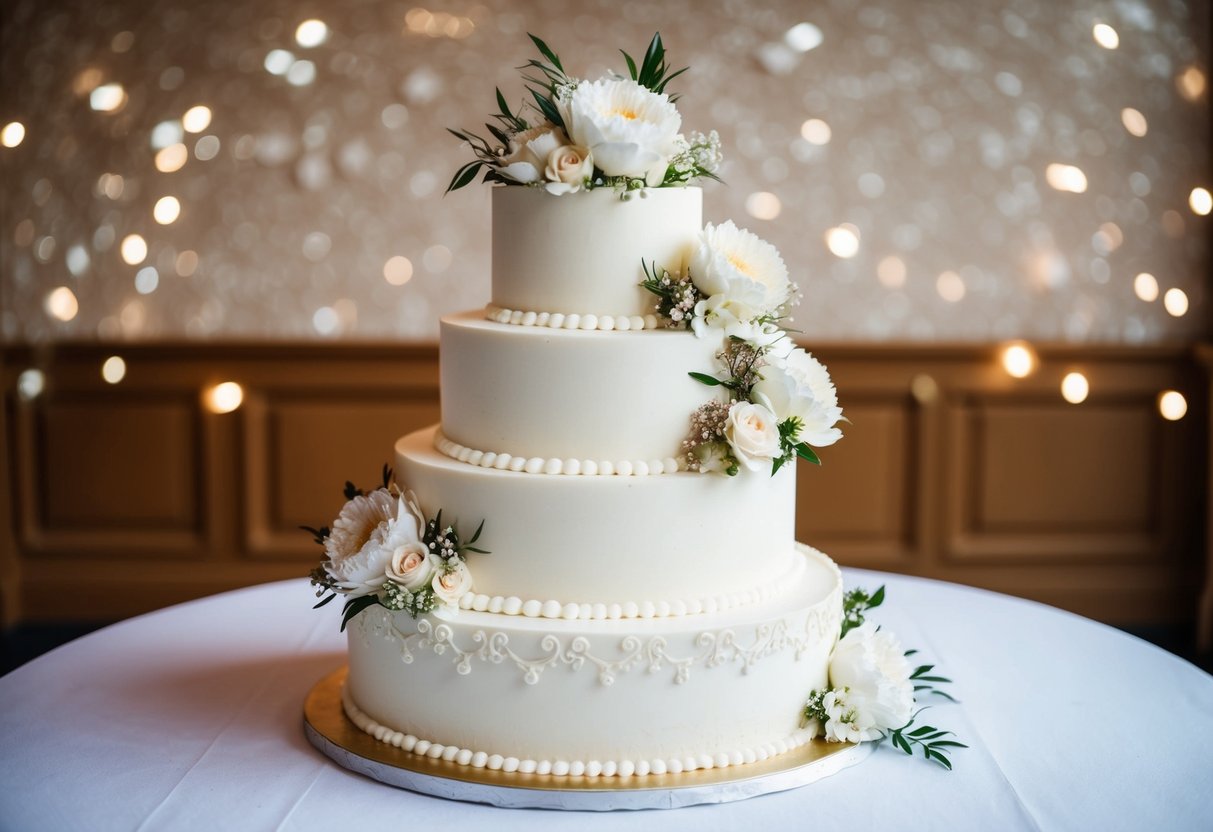
The wedding cake holds significant ceremonial meaning in many traditions. It serves not only as a delicious dessert but also as a symbol of the couple’s unity and commitment. Key rituals include the cake cutting and the tradition of the groom’s cake, which adds flavor and fun to your celebrations.
Cutting the Cake
The cake cutting is one of the most anticipated moments during the wedding reception. Typically, you and your partner will share this special task as a symbol of your first activity together as a married couple.
Traditionally, you each take a slice and feed it to one another, which symbolizes nurturing and sharing. This act not only highlights your commitment but also adds an intimate and charming feel to the ceremony.
Many guests eagerly await this moment, which often leads to applause and cheers. It signals the start of dessert and brings everyone together to celebrate your union. The cake, often elaborately designed, becomes a focal point of the reception.
Groom’s Cake Tradition
The groom’s cake is another meaningful element of wedding traditions. It’s less common than the bride’s cake, but it has its roots in history. Traditionally, the groom’s cake was a darker, richer cake, often made with fruits or chocolate.
This cake was meant to reflect the groom’s tastes and preferences. It often serves as a fun addition to the dessert table at the reception. Many modern couples choose to make their groom’s cake unique, showcasing a hobby or interest of the groom.
Offering a variety of flavors creates excitement among guests. This is a way to involve both partners in the celebration, making the occasion more personal and memorable.