
What is the Traditional Order of the Top Table at a Wedding? A Guide for Couples
When planning your wedding, one important detail is the seating arrangement at the reception, especially for the top table. The traditional order places the bride and groom in the center, flanked by their parents and the best man and maid of honor. This arrangement not only highlights the newlyweds but also honors their families, creating a warm and inclusive atmosphere.
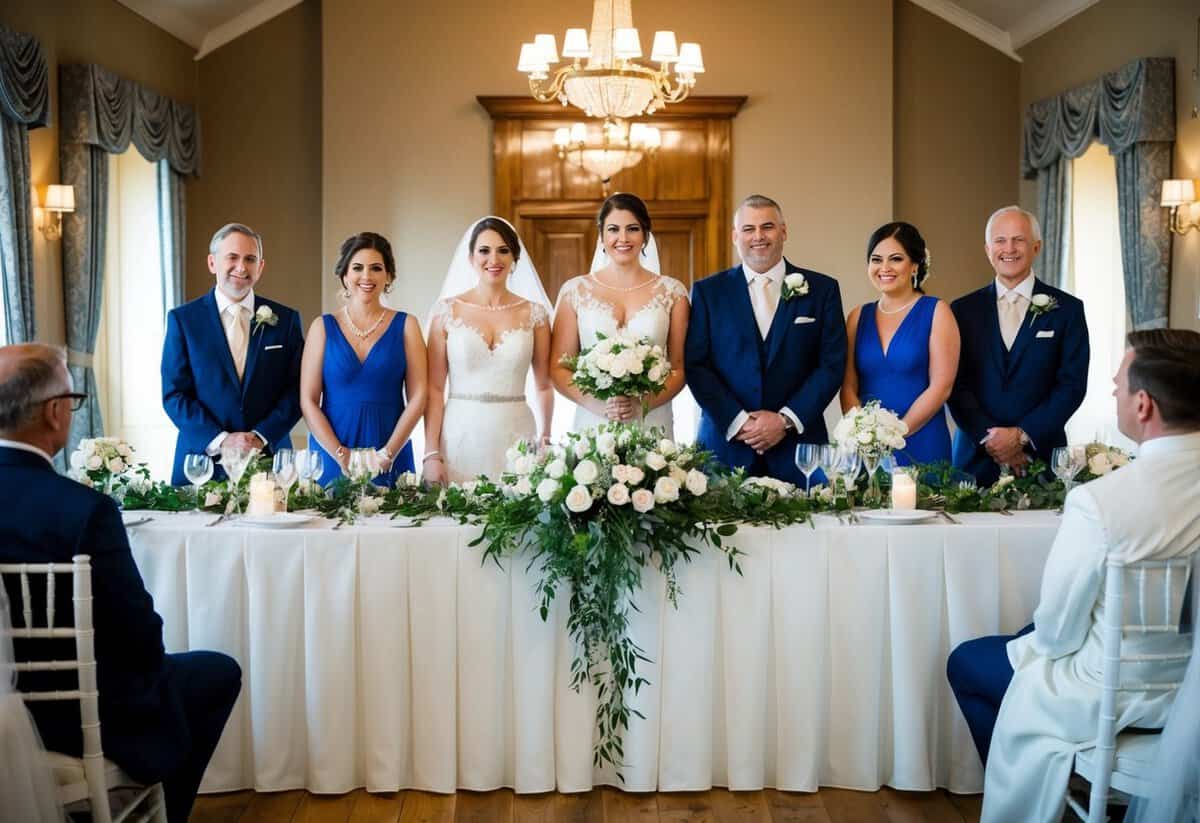
Understanding the traditional top table layout can simplify your wedding planning and help you make informed decisions about your seating arrangement. It sets the tone for the celebration and allows your guests to feel connected to the important people in your life.
Knowing who sits where can ease any stress related to family dynamics and ensure that everyone feels comfortable.
Whether you’re aiming for a classic vibe or a more relaxed gathering, knowing the traditional order of the top table will guide you in creating the best experience for you and your guests. By keeping this layout in mind, you can focus on enjoying your special day with those who matter most.
Understanding the Traditional Top Table
The traditional top table is an important part of a wedding reception. It features key individuals like the bride and groom, along with their closest family and friends. Knowing the roles and the classic layout can help you plan your event.
Roles and Responsibilities at the Top Table
At the top table, each person has a specific role to play. The bride and groom sit in the center. This placement highlights their importance.
Next to them, you usually have the best man and the maid of honour or chief bridesmaid. They are there to support the couple and often give speeches. The parents of the bride and groom typically sit nearby, showing their connection to the newlyweds.
These roles help create a supportive and joyful atmosphere. Each person at the top table contributes to the wedding’s special moments, making it memorable for everyone involved.
Classic Layout of the Top Table
The classic layout of the top table is important for setting the right tone. Traditionally, a long table is used. The bride sits to the right of the groom in this arrangement.
The best man and maid of honour follow closely, ensuring that everyone feels included and supported. Parents of the bride and groom are also seated here, often alternating sides.
Here’s a simple layout for reference:
- Bride
- Groom
- Maid of Honour
- Best Man
- Bride’s Parents
- Groom’s Parents
This arrangement promotes conversation and connection, allowing the top table to shine at the reception.
Planning Your Top Table Seating
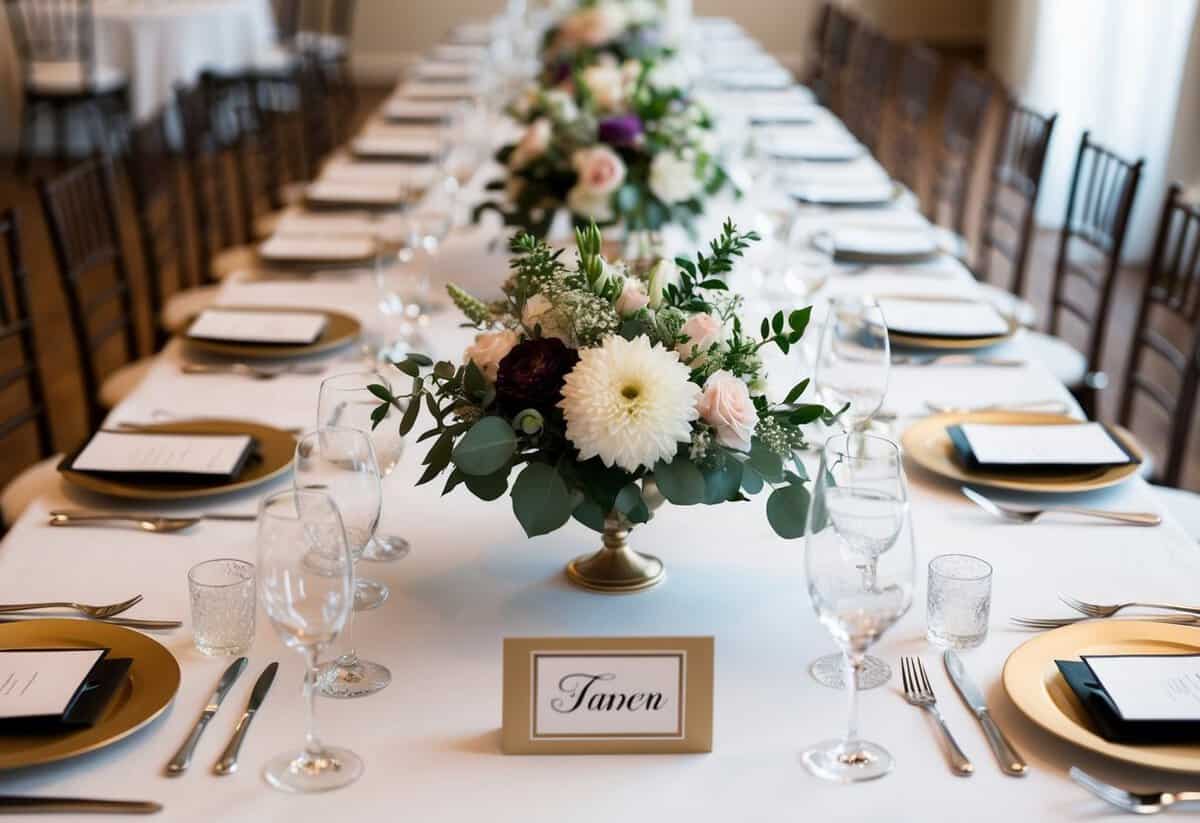
Creating your top table seating plan can be a fun process, but it may also bring up some challenges. It’s important to think about family dynamics and how to include special tables for key guests. Here are some key points to consider.
Navigating Family Dynamics
When planning your seating arrangements, consider the feelings and relationships of your family members. If you have divorced parents, think about where each should sit. Placing them at opposite ends of the top table can help avoid tension.
You might want to seat your parents next to you and your partner. This setup fosters connection, while still keeping everyone comfortable.
Don’t forget about inviting siblings and their partners too. They play a vital role in your life and should feel included.
If there are children in your family, consider their seating as well. They may appreciate sitting with their parents or at their own table nearby. This way, they feel included but also have space to play and socialize.
Incorporating Special Tables
While the top table is essential, don’t forget about special tables for other important guests. VIP tables can include close family members and friends who may not sit at the top table but are still significant to you.
Consider having a separate kids’ table for younger guests. This provides them with a fun space to enjoy their meal and interact with friends. It also helps adults focus on the conversation without worrying about entertaining the kids.
Finally, if you have a large guest list, think about a round table for the top table seating plan. This can create a more intimate dining experience and allows everyone to see each other easily.
Alternative Top Table Concepts
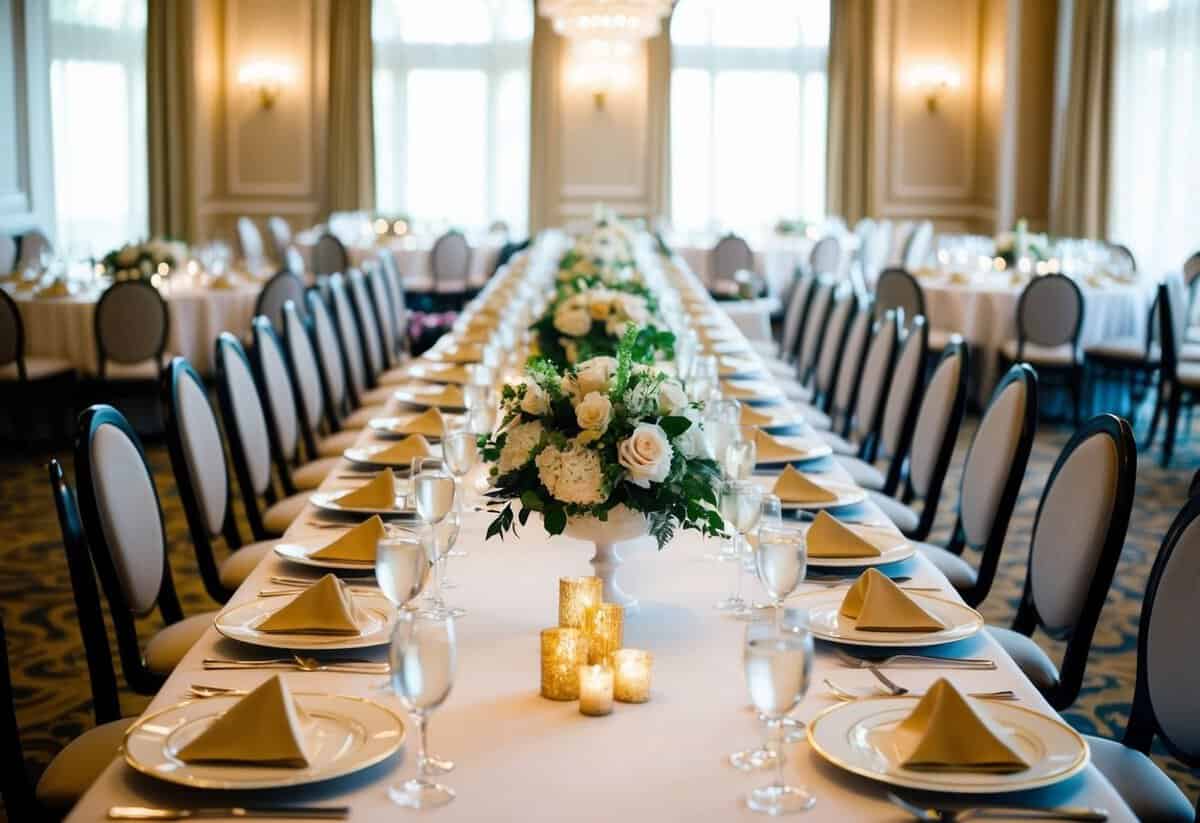
If you’re looking to break away from tradition, there are several creative options for your wedding top table. These concepts can offer more intimacy or a mix of the old with the new. Here are two popular choices you can consider.
Sweetheart Table for Intimacy
A sweetheart table is a special area just for you and your partner. It allows you to share a more intimate dining experience during the reception.
This setup typically features a smaller table, often rectangular or round, positioned front and center. You can decorate it with lovely centerpieces that reflect your wedding style, making it a beautiful focal point.
Having a sweetheart table keeps distractions at bay, as you focus on each other. It also allows your guests to admire the two of you while sitting at their own tables.
Mixing Tradition with Modernity
You may want a blend of traditional and modern seating arrangements. A great option is the long top table, which can accommodate both your families and your wedding party. You can set it up so that you and your partner sit in the middle, surrounded by close friends and family members.
Alternatively, you can opt for a round top table. This creates a cozy setting that encourages interaction among guests. It combines a formal vibe with a relaxed atmosphere, making it perfect for mingling.
By mixing traditions with modern concepts, you create a unique experience that reflects your personalities while keeping everyone included.