
What is the Traditional Seating Plan for a Wedding Ceremony? A Guide to Arranging Your Guests
When planning your wedding ceremony, knowing the traditional seating plan can help create an organized and beautiful atmosphere. In most traditional ceremonies, the bride’s guests sit on the left side and the groom’s guests occupy the right. This arrangement symbolizes the joining of two families and sets the stage for a memorable event.
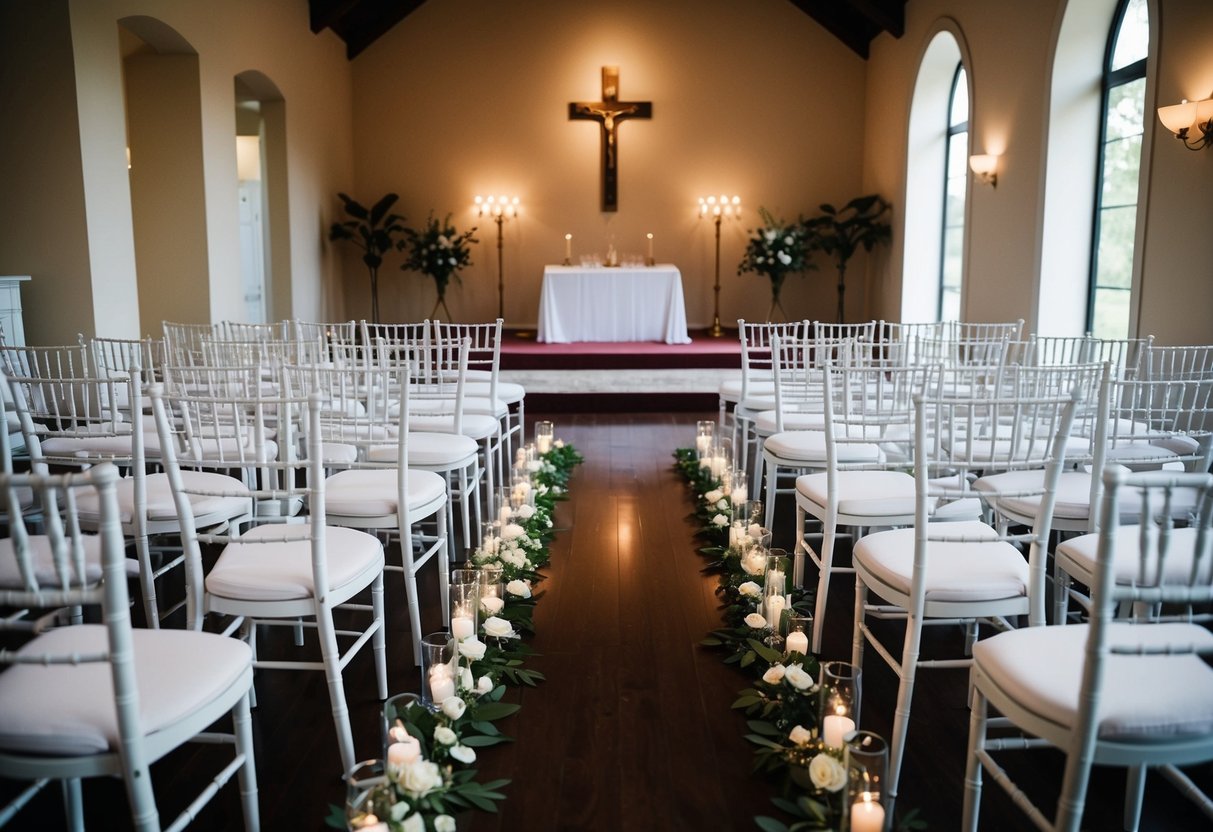
Different cultures may have their own customs regarding seating, so it’s essential to consider these traditions in your planning.
Whether you’re having a religious ceremony or a more casual gathering, understanding your options can make the process smoother.
As you navigate your wedding planning, keep in mind that seating is not just about organization; it’s also about family dynamics and honoring loved ones. The right seating plan can ensure everyone feels comfortable and included on your special day.
Understanding Traditional Wedding Ceremony Seating
When planning your wedding ceremony, knowing about traditional seating can help set the right tone. This section explains key elements like the role of ushers, reserved seating for close family, and seating etiquette for guests.
The Role of Ushers
Ushers play a vital part in your ceremony. They greet guests, hand out programs, and help guide everyone to their seats. This role ensures a smooth flow as guests arrive.
Typically, ushers are friends or family members. They help create a friendly and welcoming atmosphere. You might have them stand by the entrance, ready to assist guests. Make sure to give them clear instructions on the seating arrangement.
At formal ceremonies, ushers often guide guests to specific sides. Usually, the bride’s guests sit on the right and the groom’s on the left. This tradition allows families to easily find their seats and enjoy the event together.
Reserved Seating for Close Family
Reserved seating for close family is a thoughtful touch at your wedding. This shows appreciation for important guests, such as parents and grandparents.
You can mark these seats with signs, or you could arrange special flowers to indicate their importance. Generally, the first few rows are reserved for immediate family members.
In some cultures, traditions dictate specific placements for parents. For instance, in Jewish weddings, parents often stand under the chuppah. It’s essential to communicate your plans with your family to manage expectations.
Seating Etiquette for Guests
Seating etiquette helps maintain harmony during your ceremony. Clear seating arrangements can prevent confusion among guests.
When crafting your guest list, consider grouping guests based on their relationship to you. Friends of the bride can sit together, while friends of the groom can do the same.
Make sure to inform ushers about any special seating needs for elderly or disabled guests. They should be seated at the front or near the aisle for easy access.
Finally, it’s helpful to create a seating chart or guide for your ceremony layout. This can reduce stress on your big day and ensure everyone knows where to go.
Designing Your Seating Arrangements
Creating the perfect seating arrangements for your wedding ceremony involves a few key steps. You will want to think about how to organize your guests, whether to assign seats, and how to add personal touches that reflect your style.
Creating a Seating Chart
Start by listing all your guests and figuring out where they should sit. Consider who is closest to you, like family members or your wedding party. The first rows should be reserved for them.
You can create a simple seating chart on a piece of paper or use online tools to help organize your ideas.
Make sure to account for any guests who may require special seating due to disabilities. It’s thoughtful to keep these guests in mind so everyone can enjoy the ceremony comfortably.
Implementing Assigned Seating
Assigned seating can help avoid confusion on your big day. Once your seating chart is ready, send out a detailed plan to guests. You can use place cards at each seat to provide clarity.
Think about groupings too. Sitting friends and family together can make the experience more enjoyable for everyone. You might even consider placing a few of your guests who don’t know each other at the same table to encourage mingling.
Adding a Personal Touch to Seating
Lastly, infuse your personality into your seating arrangements. Use themed place cards that reflect your wedding style.
For example, if you love nature, use small plants or wooden tags to label seats.
You can also include seating ideas like fun table names based on shared memories. For instance, name each table after places you’ve visited together or favorite songs. This adds a special touch and sparks conversation among your guests. Choose elements that truly represent you and your partner for a memorable experience.
Navigating the Wedding Processional
The wedding processional is a key moment that sets the tone for your ceremony. Understanding the order of entrance and how to include your wedding party can help create a meaningful experience.
Order of Entrance
Typically, the processional starts with the officiant entering first. Following that, the groom may enter, often with the best man.
Next, the wedding party walks down the aisle. You can choose to have bridesmaids and groomsmen enter in pairs or individually.
After the wedding party, the most important guest—the bride—walks down the aisle, often with a parent or a significant figure. This order can vary based on personal preferences, so feel free to modify it to fit your vision.
Including the Wedding Party
Incorporating your wedding party into the processional adds a special touch. It’s important to think about how you want to arrange them.
You might have your bridesmaids walk down the aisle in a single file or choose pairs. For groomsmen, they can escort bridesmaids or walk solo.
Think about how each member fits into your ceremony’s story. If you have close friends or family members, you might assign them special roles, like walking the bride down the aisle or participating in a unique way during the vows. This personalization helps reflect your relationship and make the moment truly special.
Ceremony to Reception Seating Considerations
When planning your seating arrangements, think about how the seating for the ceremony might differ from that for the reception. Guests often sit in rows for the ceremony, which may not suit the more casual atmosphere of a reception.
You might consider a cocktail hour to give yourself time to transition. This allows guests to socialize and enjoy drinks while the reception area is prepared. It also creates a relaxed environment as everyone waits for the newlyweds.
Create a clear seating chart for dinner arrangements. This will help guide guests to their tables easily, making the experience more enjoyable. Remember to consider any special needs guests might have, ensuring they have comfortable seating.
Lastly, make sure to communicate any changes clearly. Inform guests about where the reception will take place, especially if it’s in a separate area or if the room needs to be rearranged. Clear signs or announcements can keep everyone informed and comfortable.