
What is the Traditional Time of Day to Get Married? Exploring Wedding Customs and Timings
When planning your big day, choosing the right time to get married is essential. Traditionally, weddings often take place in the afternoon. Popular ceremony times range from 1 p.m. to 3 p.m. These times not only allow for beautiful daylight but also give your guests enough time to arrive and celebrate comfortably.
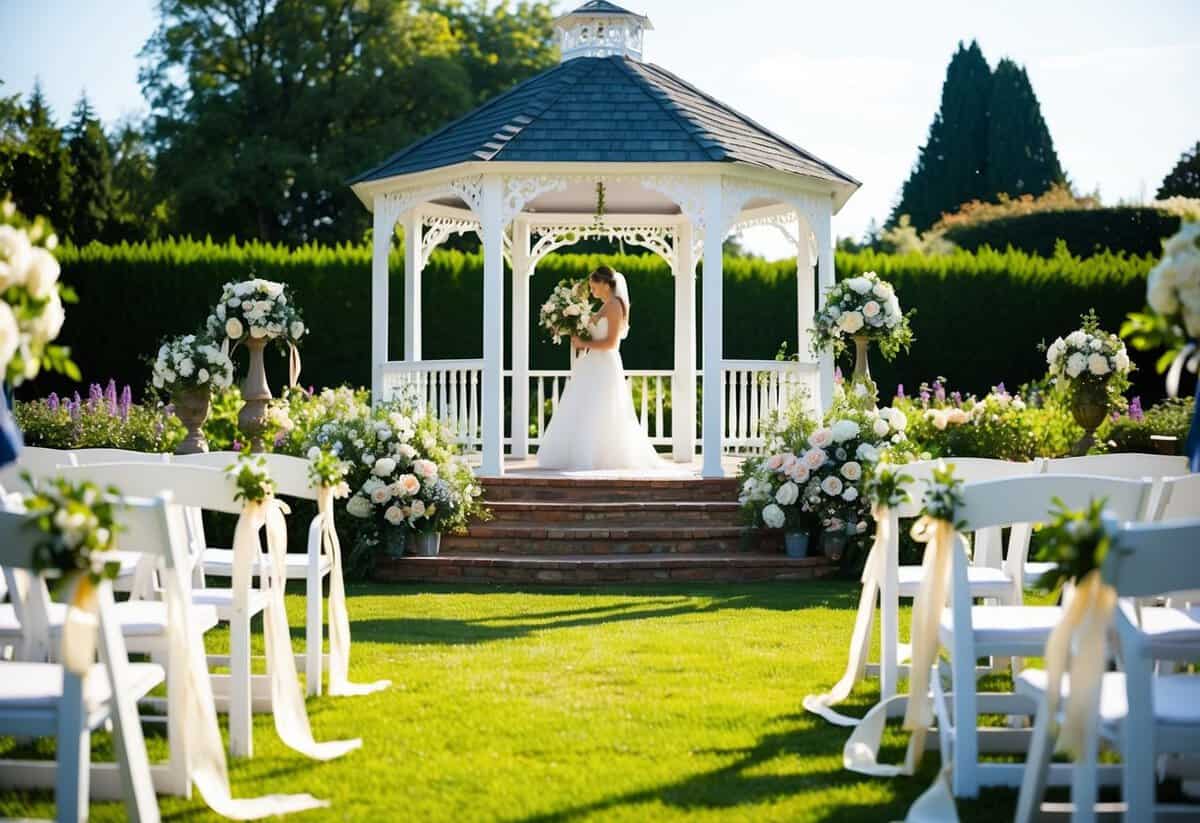
In addition to timing, consider the day of the week and the month for your wedding. Saturdays are the most popular day for weddings, providing the best chance for guests to attend without work commitments. June is frequently cited as the most popular month to tie the knot, thanks to its pleasant weather and vibrant scenery. Understanding these wedding traditions can help you plan a memorable celebration that holds special meaning for you and your loved ones.
Historical and Cultural Significance
Marriage times have deep historical and cultural meanings. Traditions shape when weddings happen, often based on religious practices and folklore. These influences guide couples in choosing their special day.
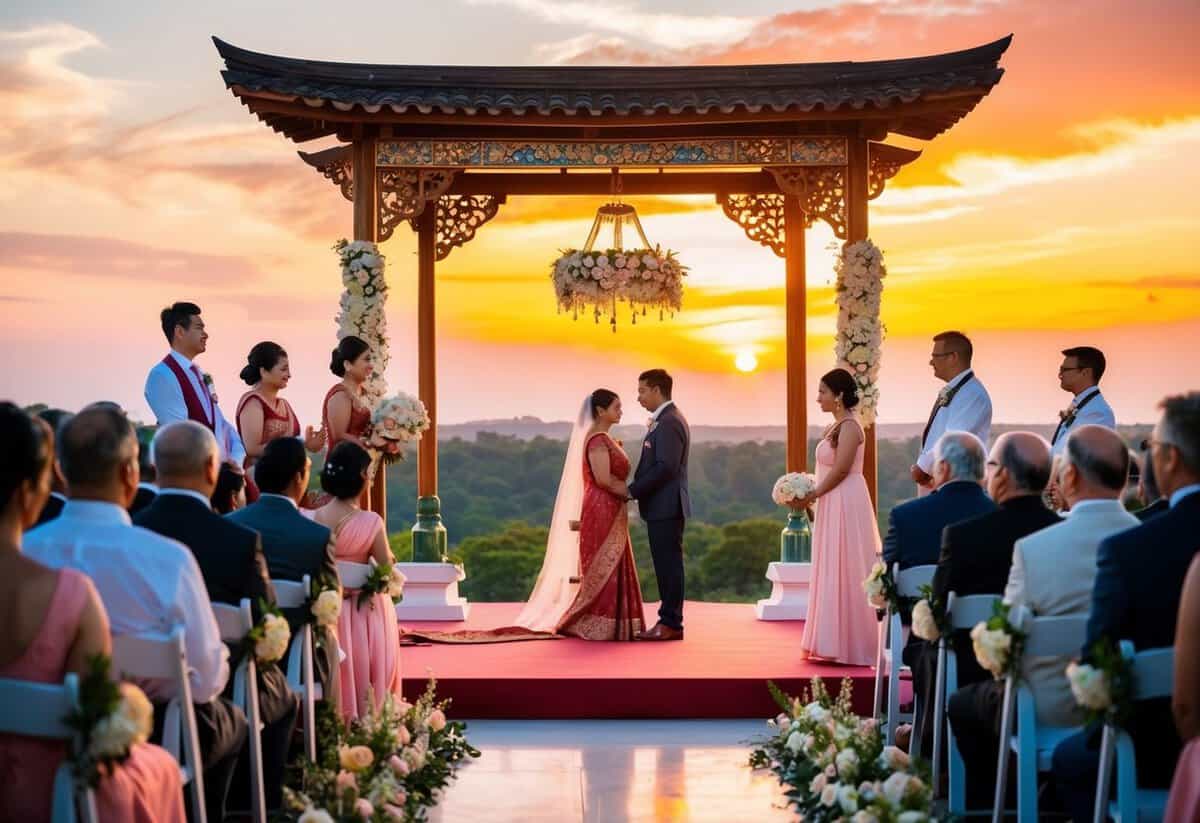
Jewish Wedding Traditions
In Jewish culture, timing can be quite significant. Certain days are preferred for weddings, like Rosh Chodesh, which marks the beginning of the month. This day is seen as auspicious, bringing a fresh start.
Holidays like Sukkot and Passover are also important. Weddings during these times are usually avoided due to festive customs. Getting married on Shabbat is not done, as this day is for rest and worship.
Additionally, the Omer period, a time of semi-mourning, also discourages weddings. You might want to avoid dates like the Fast of the Seventeenth of Tammuz. These decisions reflect respect for tradition and religious observances.
Wedding Folklore and Superstitions
Wedding folklore and superstitions can influence your choice of wedding date as well. Many believe that certain days bring good or bad luck. For example, getting married on a Tuesday is often avoided in some cultures.
The idea of avoiding fast days comes from the belief that they may bring sadness. Similarly, many suggest not marrying during the Omer period because of its connections to mourning.
Celebrating during holidays like Purim is seen as joyful, making it a popular option. You may also find that some couples prefer to marry when the moon is waxing, which is thought to symbolize growth and positivity.
Planning the Perfect Date and Time
Choosing the right date and time for your wedding can enhance the experience for you and your guests. Factors like auspicious dates or avoiding certain holidays are essential to consider when planning your special day.
Auspicious Dates and Times
Selecting an auspicious date can bring good fortune to your wedding. Many cultures believe that certain days are more favorable than others. For example, in Jewish tradition, months like Kislev and Adar are popular for weddings.
Some prefer days when the moon is waxing, as this phase symbolizes growth and new beginnings. You can consult lunar calendars or local traditions.
Here are a few tips for choosing an auspicious date:
- Research cultural beliefs in your area.
- Look for recommendations from family or friends.
- Consider consulting a spiritual advisor.
Avoiding Holidays and Fasts
When planning your wedding, it’s wise to avoid major holidays and fasting periods. These times can distract your guests and make attendance tricky.
For example, scheduling during Passover or Yom Kippur can limit attendance for those observing these traditions.
Also, consider these points:
- Major holidays: Festivals like Christmas or Thanksgiving often bring family commitments.
- Fasting periods: Many cultures have specific fasting days that should be avoided.
By choosing a date free from significant holidays or fasts, you’ll ensure that more loved ones can celebrate with you.
Wedding Party Roles and Attire
Choosing the right attire and understanding the roles of your wedding party are key parts of planning your special day. Each member has a specific responsibility, and their outfits often complement your vision.
Bridal Attire and Accessories
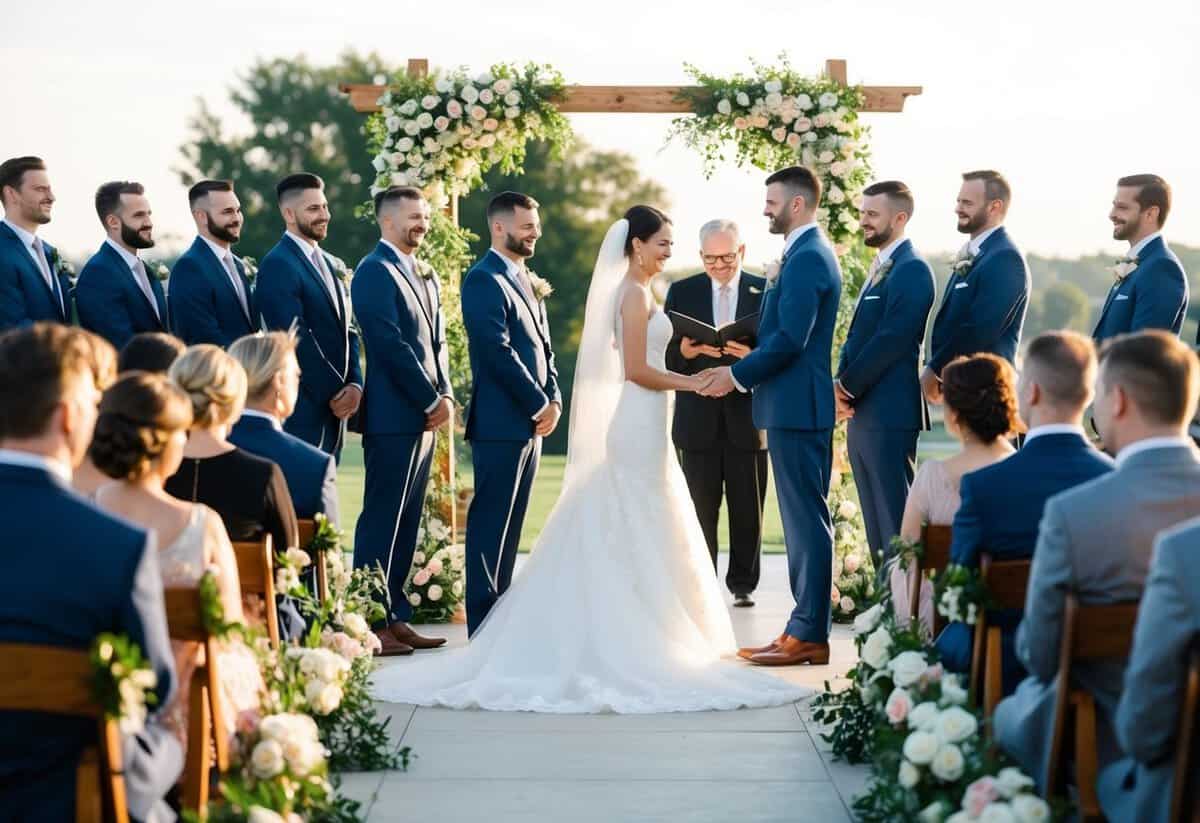
Your wedding dress is more than just an outfit; it’s a symbol of your new journey. Many brides opt for classic styles, but don’t hesitate to choose something that truly reflects your personality.
Accessories play a big role too. Think about a beautiful veil, elegant jewelry, or something borrowed that adds sentimental value. Flowers can also enhance your look. Don’t forget to consider your shoes; they should be stylish yet comfortable for the day.
Roles of the Wedding Party
Your wedding party is crucial for a smooth event. The bridesmaids help with planning and can assist in tasks like dress shopping. They also stand by your side during the ceremony. It’s common for them to wear matching dresses, complementing your style.
The best man has his own important duties, like supporting the groom, organizing the bachelor party, and ensuring the rings are safe. Both roles are steeped in tradition, making their participation special. Don’t forget to communicate with them about what you envision to make the day memorable!
Popular Trends in Choosing a Wedding Day
When planning your wedding, you might consider June as a popular month. Many couples choose June for its pleasant weather. They also believe June weddings bring good luck!
Weekdays are becoming more popular too. Wednesdays and Thursdays can save you money, since venues are less booked. You might find better rates and availability compared to weekends.
Friday weddings are also trending. This gives your guests time to travel and enjoy the wedding without feeling rushed. Plus, you can kick off the weekend celebrations!
Did you know that Saturday is still the most popular day to marry? Many couples like this choice because their friends and family are free to celebrate with them. It’s easier for everyone to attend.
When you think about planning, don’t forget the food! The wedding cake plays a big role in your special day. Couples often personalize their cakes to match their themes. This makes it memorable for you and your guests.
As you plan, consider what feels right for you. Whether it’s a romantic summer evening or a cozy winter wedding, focus on the details that mean the most to you. Choose a date that makes your big day uniquely yours!