
What Is the Uncommon Month to Get Married In? Exploring Unique Wedding Dates
When planning your wedding, choosing the right date is one of the most important decisions you’ll make. You might be surprised to learn that the most uncommon months to get married are typically January through March. Due to the chilly weather and holiday fatigue, these winter months see fewer weddings, making them a unique choice for your big day.
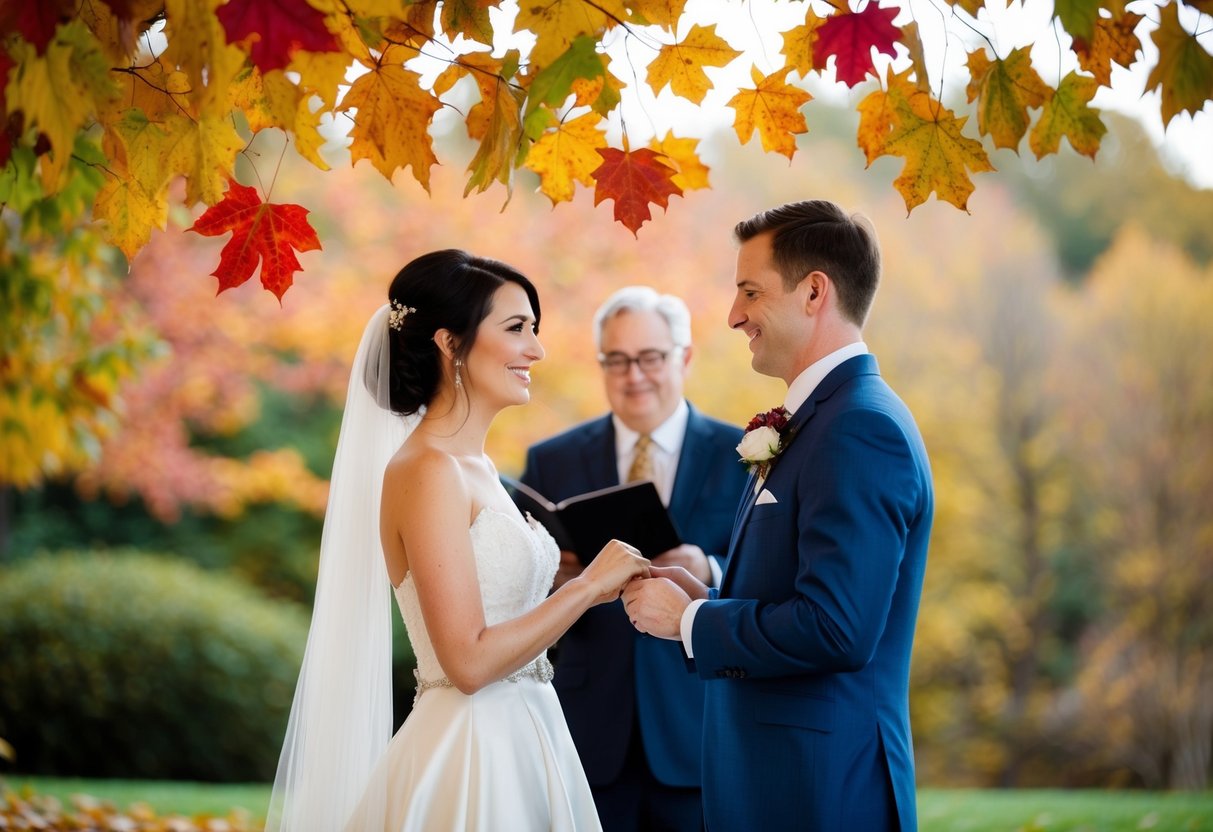
Opting for a wedding during these off-peak months can have its perks. Venues and vendors might offer better availability, and you could save money with lower rates. If you’re considering a cozy, intimate celebration, a winter wedding can provide a magical backdrop that sets your special day apart from the crowd.
As you think about your wedding date, remember that choosing an uncommon month can help you create a memorable experience that reflects your style. Embrace this chance to make your wedding truly one-of-a-kind!
Understanding Wedding Seasons

Navigating wedding seasons can be tricky. Knowing which months are popular or uncommon helps you make the best choices for your big day. Let’s take a look at the popular wedding months and the advantages of choosing off-peak wedding dates.
Popular Wedding Months
June through October is typically considered peak wedding season. These months are favored for their warm weather and beautiful outdoor settings. June often ranks as the most popular month, with many couples drawn to its summer vibe.
Other popular months include July and September. October also has a large share of weddings, especially because of its stunning fall foliage. As these months fill up quickly, booking vendors early is wise. If you want to tie the knot during peak season, be prepared for higher costs due to demand.
Advantages of Off-Peak Wedding Dates
Choosing an off-peak month for your wedding can be a smart move. January and February are often seen as uncommon months, as they are the least popular times to get married. During these months, venues and vendors usually offer lower rates.
Additionally, fewer couples getting married means less competition for venues and services. You can secure your dream location without the stress of booking conflicts. An off-peak wedding also allows for intimate gatherings, giving your guests more personal attention.
If you’re looking to save money and enjoy a more relaxed planning process, considering an off-season month is a great idea.
Selecting Your Ideal Wedding Date
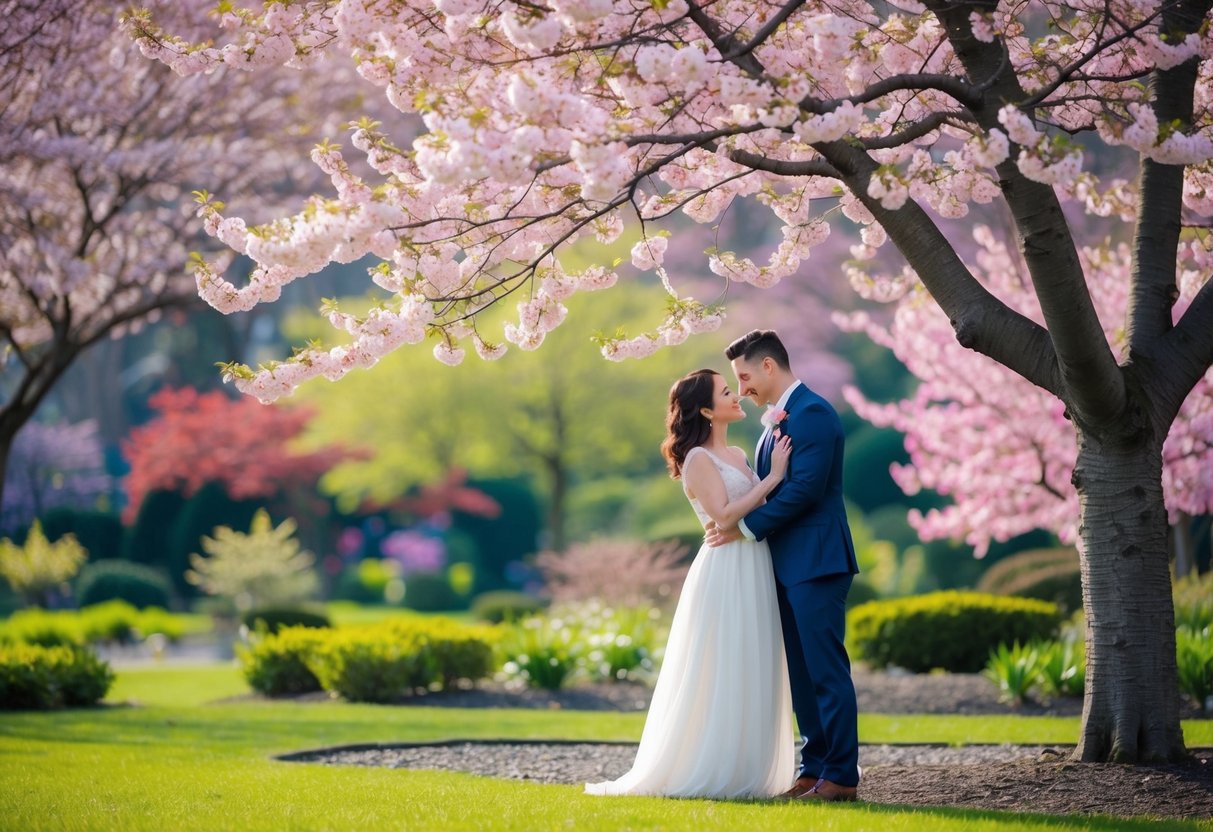
Choosing the right wedding date involves more than just picking a random day. You can consider factors like personal significance, cultural beliefs, and even astrology to find a date that feels special and meaningful.
Considerations Beyond Popularity
When selecting your wedding date, think beyond what’s trendy or popular. Many couples choose dates based on seasons or holidays. While summer and fall are common for weddings, you might explore the beauty of an uncommon month like January or February.
These months often have lower costs and more venue availability. If you choose a date like January 15th, consider it an affordable, cozy option for a winter-themed wedding. Look for dates that are important to you or have significance in your family.
Cultural and Astrological Influences
Different cultures and beliefs can strongly influence your wedding date choice. For instance, some people look for an auspicious wedding date based on Vedic astrology, which suggests specific days bring good luck. You might consult an astrologer for recommendations that align with your birth chart.
Numerology also plays a role in selecting a date. Dates with repeating numbers, like February 2nd (2/2), are often considered lucky. Be sure to research not just your own beliefs but also those of your families to find a date that respects everyone’s views.
Personal Significance and Special Dates
Your wedding date should resonate with you personally. Consider choosing a date that has special meaning, like the anniversary of your first date or engagement.
If Friday the 13th holds a playful allure for you, embrace it! Create fun themes around it to make the day unique. Remember, the best wedding date is one that reflects your journey together. Whatever you choose, make sure it feels right to both you and your partner.
Planning for Your Unique Wedding
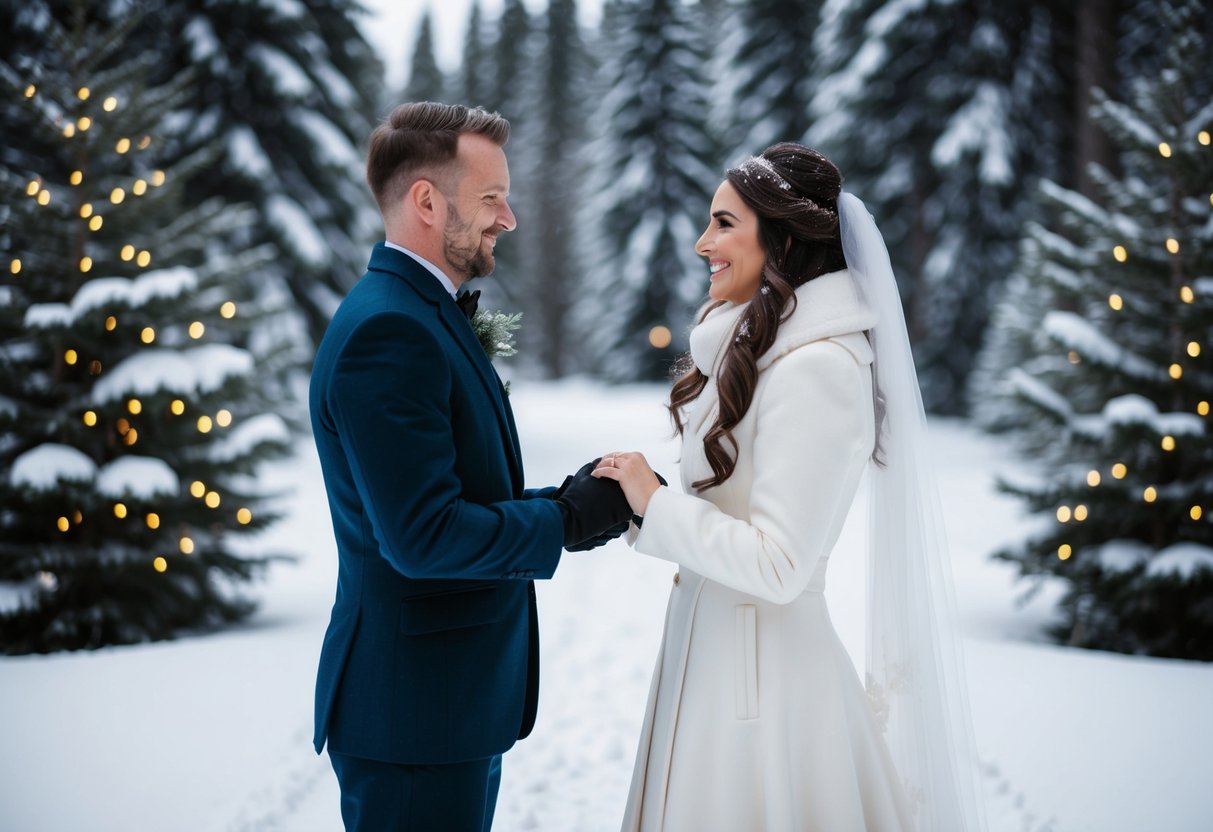
Choosing an uncommon month to get married can make your wedding day even more special. You’ll want to think about the venue, the weather, and how to coordinate with vendors to create the perfect experience for you and your guests.
Venue Considerations
When picking a wedding venue, consider how the month you choose influences options. Uncommon months often mean less competition for popular locations. This gives you a better chance at booking your dream spot.
Look for venues that offer both indoor and outdoor settings. This way, you can enjoy the beauty of the season while staying protected if the weather changes. Check for places that have unique backdrops for your wedding photos. You might find a hidden gem that makes your day truly memorable.
Weather and Seasonal Preferences
Weather plays a big role in your wedding experience. If you choose an uncommon month like January, you might enjoy a winter wedding with beautiful snow scenery. Meanwhile, temperate weather in the spring can also offer stunning blooms and comfortable temperatures.
Think about how weather can affect guests’ comfort. If you’re hosting an outdoor wedding, ensure there are options for both shade and warmth. Consider tents or heaters, depending on the month. Whatever the season, plan for activities that match the vibe of the weather. This ensures your guests remain engaged and entertained.
Vendor Coordination and Availability
Finding the right vendors is crucial for your wedding day. The good news is that planning in an uncommon month often means better vendor availability.
Reach out to wedding professionals early to secure your favorites for catering, photography, and flowers.
Create a list of desired vendors and check their calendars. Compare options to find those that fit your style and budget. Communication is key. Discuss your needs and vision with them to ensure they can help you achieve your goals. Building strong relationships with your vendors can lead to a smoother planning process and a more enjoyable wedding day.
Budgeting for Your Wedding
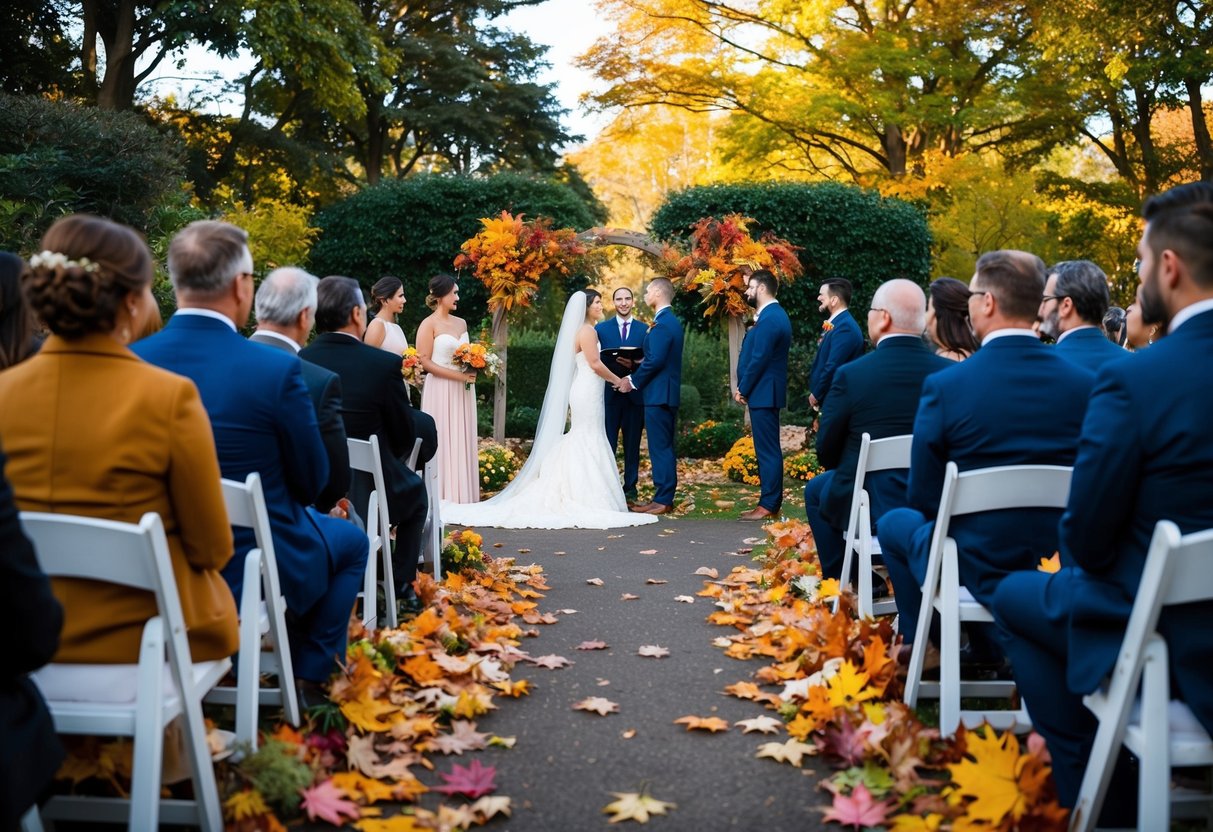
Creating a wedding budget is an important part of your wedding planning. When you know how much you can spend, it helps you make better choices.
Start by listing all your potential costs. This could include:
- Venue and location
- Catering and food
- Dress and attire
- Decorations
- Photography and videography
It’s smart to set aside about 10-15% of your budget for unexpected expenses. This way, you can handle surprises without stress.
Some couples choose to save money by getting married during less popular months. This can lead to discounts on venues and services. For example, January and February are often less crowded and more affordable.
Consider your wedding location carefully. Places that are not in high demand during certain times can help you stick to your budget. Research local venues to see if they have off-season rates.
Use spreadsheets or budgeting apps to keep everything organized. This can help you track your spending and avoid overspending. The clearer your budget is, the easier the planning will be.