
What is the White Rule in Wedding? Understanding This Timeless Tradition
When attending a wedding, you may wonder about the etiquette surrounding what to wear. The common guideline that has stood the test of time is that guests should avoid wearing white. This rule exists to ensure that the bride is the center of attention on her special day, and wearing white can be seen as detracting from that moment.
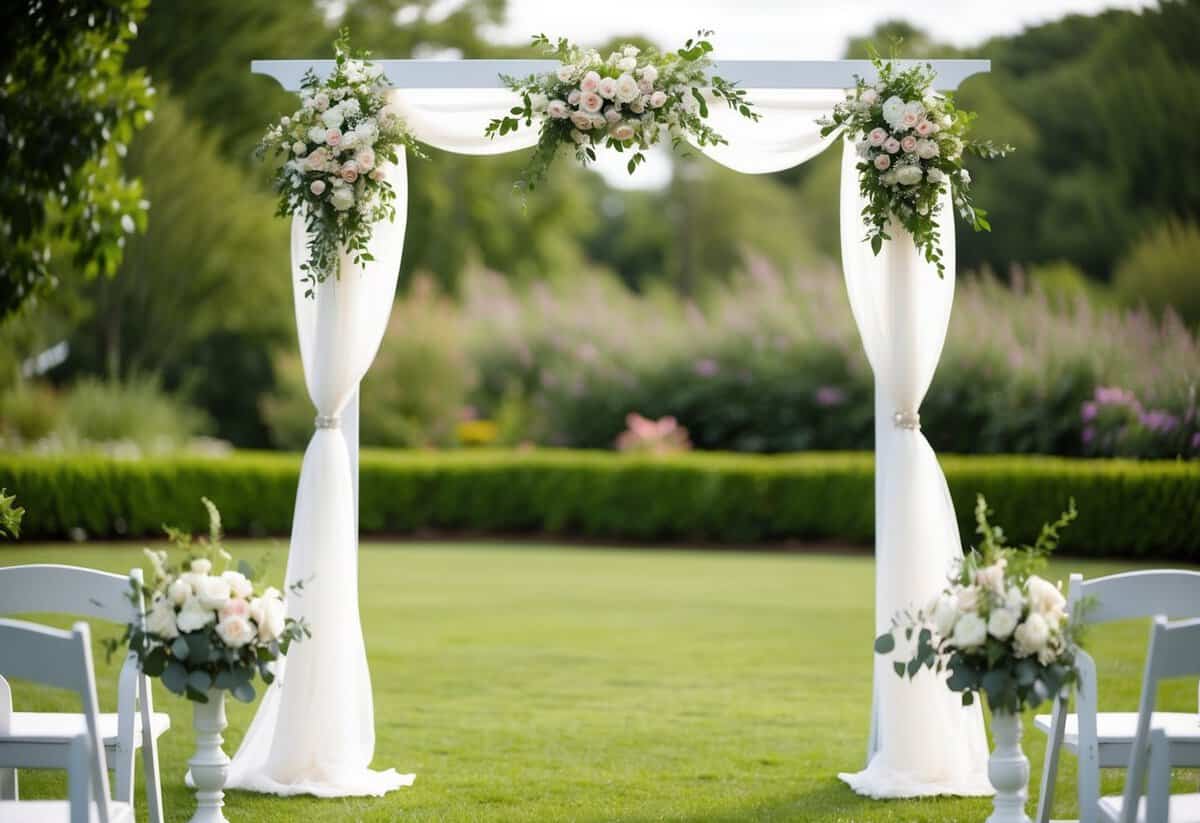
While traditions can vary, most couples still expect guests to steer clear of white. However, there can be exceptions, especially if the couple has specified a dress code that includes white attire. This can make the situation a bit tricky, so it’s essential to be aware of the couple’s preferences before making your outfit choice.
Understanding the white rule can help you navigate wedding attire with ease and confidence. Whether you’re getting ready for a romantic summer ceremony or an elegant indoor reception, knowing the dos and don’ts will make sure you celebrate the big day in style without any fashion faux pas.
The Tradition of White in Weddings
Wearing white in weddings has deep roots and carries significant meaning. This tradition highlights beauty, purity, and joy. Understanding its history and how it became a go-to choice for brides can enrich your wedding experience.
Historical Significance
The tradition of brides wearing white began with Queen Victoria’s marriage to Prince Albert in 1840. She wore a white satin gown, which was unusual at the time. Before this, brides commonly chose colorful dresses, with red being a favorite.
Once Queen Victoria popularized the white dress, it quickly became a symbol of purity. Many brides began adopting this style, making it a standard for western weddings. Today, about 80% of brides wear white or ivory dresses, maintaining the royal legacy. Ethically, it is now considered poor etiquette for guests to wear white, as it may overshadow the bride’s special moment.
White Wedding Dress as a Bridal Staple
The white wedding dress has evolved but remains a staple in Bridal fashion. Modern dresses come in various styles, materials, and shades, including soft ivory.
Designers often create stunning gowns that showcase individuality while adhering to the tradition. Brides now can choose between lace, satin, or tulle adorned with embellishments. The color palette has expanded, yet the classic white or ivory still reigns supreme.
Many bridal parties complement this tradition by wearing lighter shades or matching colors that harmonize well with the bride’s choice. Ultimately, the white dress represents a cherished custom, bringing joy and elegance to weddings.
Wedding Attire Etiquette for Guests
When attending a wedding, it’s important to dress appropriately. Understanding the dress code, selecting the right colors, and considering special circumstances can help you make a good impression. Here’s what you need to keep in mind.
Understanding the Dress Code
Weddings often come with dress codes, and knowing what they mean will guide your outfit choice. Common dress codes include:
- White Tie: Very formal, requiring a floor-length gown or tuxedo.
- Black Tie: Formal wear like a tuxedo for men and a formal dress for women.
- Semi-Formal: Dressy but not overly formal. Women can wear cocktail dresses, while men can wear dress pants with a dress shirt.
Always check the wedding website for the dress code. It can indicate how formal or casual the event will be.
Selecting Appropriate Colors
Color selection is key in wedding attire etiquette. Avoid wearing white, as this is traditionally reserved for the bride. Beyond white, consider these tips:
- Rich Colors: Jewel tones or darker colors work well for evening weddings.
- Pastels and Brights: Light colors are perfect for spring and summer events, but steer clear of ivory or off-white.
- Patterns: Florals and prints can be appropriate, yet keep them subtle to not overshadow the couple.
Remember that the right color can enhance your look while respecting the couple’s choices on their special day.
Special Considerations for Wedding Events
Certain circumstances may affect what you wear. Outdoor weddings can require more comfortable outfits, while winter weddings may need heavier fabrics. Take note of these factors:
- Seasonality: Dress for the season, as winter weddings may call for warm fabrics, while summer events can lean toward lightweight materials.
- Venue: Whether it’s a beach, barn, or formal hall, the venue sets the tone for attire.
- The Couple’s Wishes: If the couple has specific requests, like a themed wedding or color palette, be sure to follow their guidelines.
Adapting your outfit to these special considerations shows you care about the couple’s vision for their big day.
Navigating the White Rule as a Guest
Attending a wedding can be exciting, but knowing what to wear can be tricky. The white rule often creates uncertainty for many guests. Here are some key points to keep in mind about wearing white and other alternatives when dressing for a special occasion.
Do’s and Don’ts
Do check the dress code. If the couple specifies a color theme, follow it closely. Sometimes, couples even encourage guests to wear white. Keep an eye out for any announcements from the couple or wedding planner.
Don’t wear a full white dress unless it’s clear that it’s acceptable. Even shades like cream, beige, or blush might raise eyebrows if the bride chooses not to wear white. Wearing a mostly white outfit can make you stand out inappropriately.
Do choose lighter colors if you’re unsure. Pastel shades or colorful dresses can keep your look festive. Think of wearing soft hues like lavender or mint green that complement the wedding’s vibe.
Don’t obsess over minor details like small white patterns. A small polka dot or stripe won’t break etiquette, but it’s best to keep the main focus of your outfit in a different color.
Alternatives to Wearing White
If you prefer to stay away from white altogether, consider some stylish alternatives. Bold colors can make a statement. Opt for a vibrant dress in shades like red, royal blue, or emerald green.
Soft pastels are a great option too. Light pinks, sunny yellows, and light blues can still create a lovely, elegant look without offending traditional norms.
Accessorizing can change the game. A colorful shawl or statement jewelry can elevate your outfit. These can be paired with a more neutral dress to keep the look chic and appropriate.
For a more relaxed wedding, think about beachy or bohemian styles. Flowing maxi dresses or chic jumpsuits in non-white colors can be comfortable yet stylish choices.
When you’re unsure, consult with a bridal stylist or check with friends who might know the couple’s preferences. A little guidance can help you feel confident about your choice!
Special Occasions and Exceptions
The “white rule” can have variations based on specific roles and unique wedding themes. Understanding these exceptions can help you choose the right outfit for special occasions, like being part of the bridal party or attending an all-white wedding.
Role of Bridal Party Members
As a member of the bridal party, especially a bridesmaid, your attire might differ from the traditional expectations. Brides may choose to have their bridesmaids wear white or light colors to complement their wedding theme.
If the bride includes white in the dress code, it’s essential to respect her wishes. Usually, this information is included with the wedding invitation or communicated during the rehearsal dinner. Always check with the bride to avoid any confusion.
All-White Weddings and Themed Ceremonies
Some couples opt for an all-white wedding, making it acceptable for guests to wear white attire. This theme creates a uniform and elegant look.
If you receive a specific invitation indicating an all-white party, embrace the theme! These unique ceremonies may even define it as a key part of their celebration. Just make sure to follow any guidelines laid out by the couple to ensure you fit in seamlessly.
As etiquette experts like Emily Post advise, always stay informed about any special dress codes for the occasion.