
What Is the Word for a Fake Marriage? Understanding Marriage Fraud
When you think about marriage, the idea usually revolves around love and commitment. However, not all marriages are genuine. A fake marriage is commonly referred to as a sham marriage. This type of arrangement often serves specific purposes, like gaining legal advantages or financial benefits, rather than creating a lasting partnership.
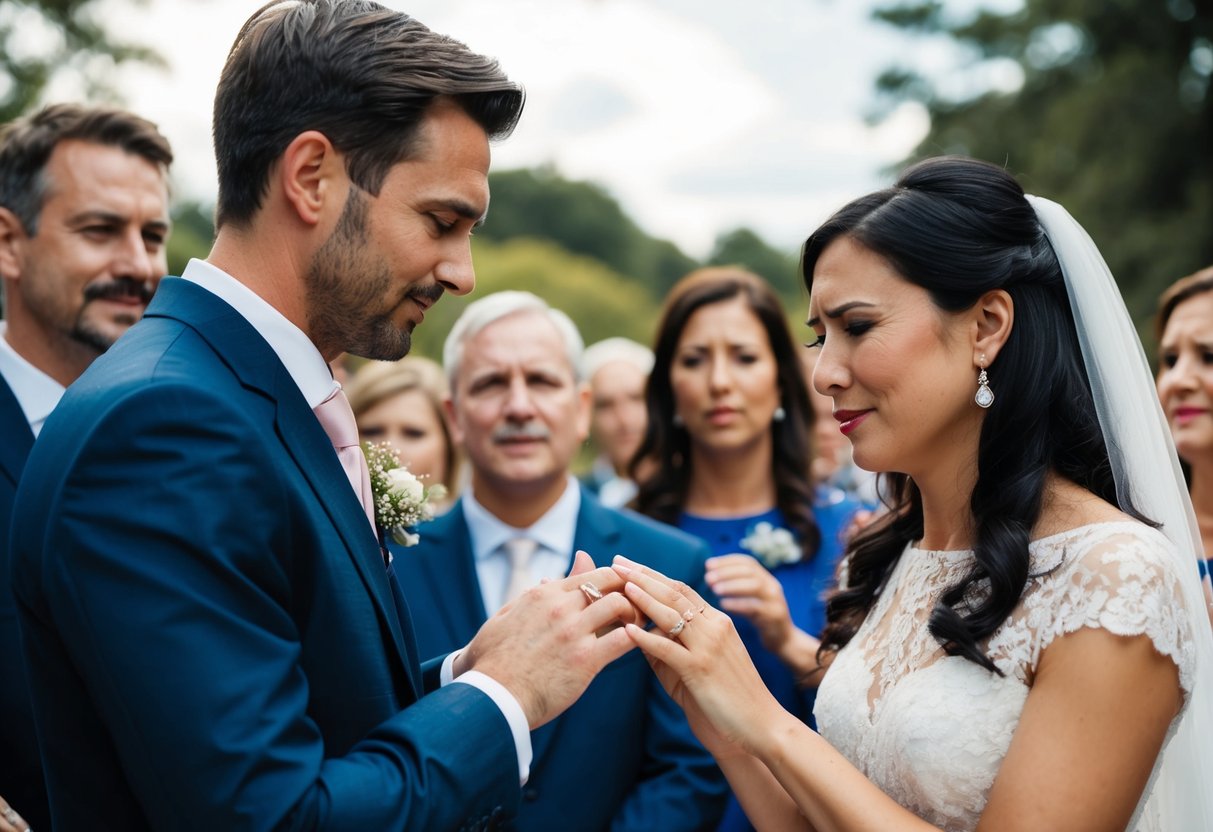
Understanding the concept of a sham marriage can help you recognize the signs and implications of such agreements. These marriages typically lack true emotional connections and have predetermined endpoints.
Learning more about these arrangements can provide you with valuable insights into issues surrounding marriage and commitment today.
Curious about the details? You’ll discover various aspects of sham marriages, including how they differ from other types of fraud and what motivates individuals to enter such agreements. This topic raises important questions about trust, legality, and the meaning of marriage in our society.
Definition and Terminology
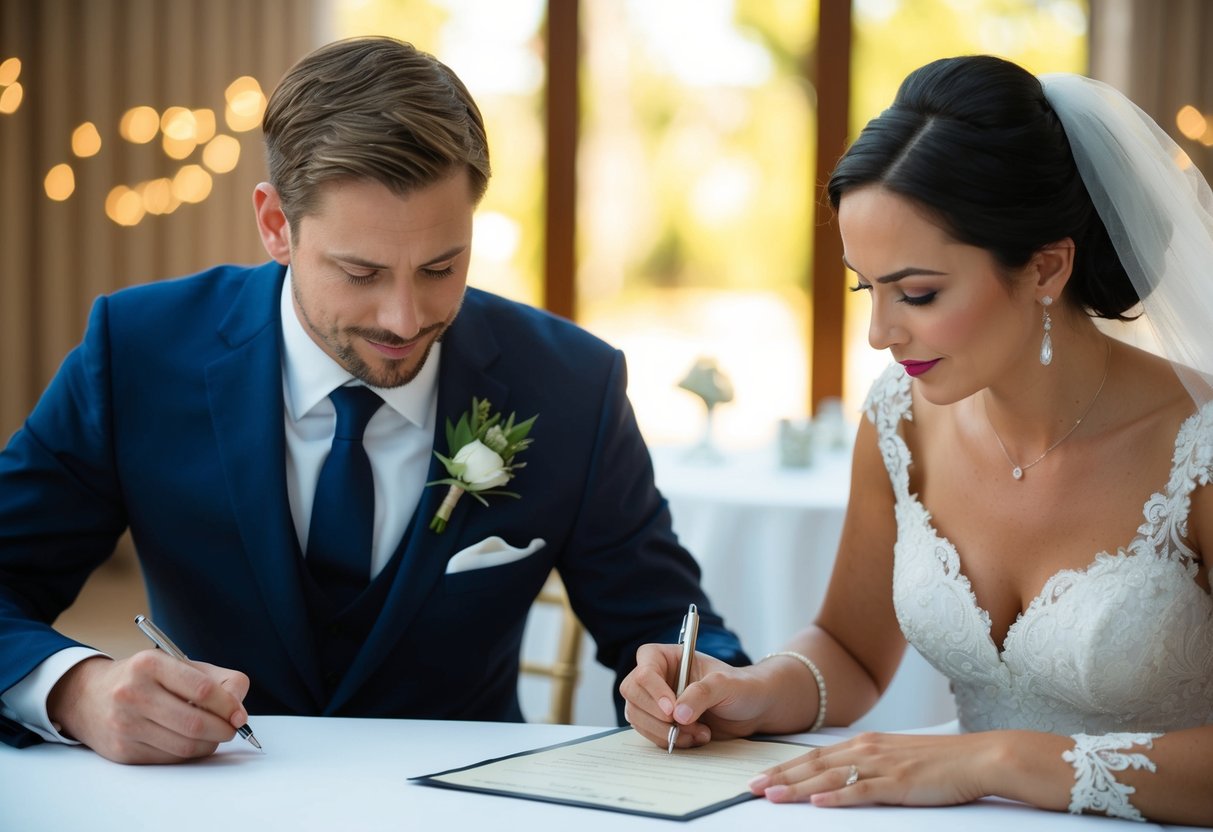
When discussing fake marriages, you will come across various terms that define specific types of these arrangements. Understanding the differences can help clarify the legal and social implications involved. Below are important definitions to know.
Understanding Fake Marriages
A fake marriage, often called a sham marriage, is a union entered into without the intention of forming a genuine relationship. The goal is typically to gain some advantage, such as residency or immigration benefits.
There are several specific types of fake marriages:
- Marriage of Convenience: This is a contract between two parties where the marriage serves a specific purpose without emotional ties.
- Mariage Blanc: A French term meaning “white marriage,” where partners marry for benefits but do not live together as a couple.
- Mock Marriage: Often staged for entertainment, a mock marriage is not legally binding and serves a different purpose altogether.
Marriage Fraud and Immigration Law
Marriage fraud is a serious legal issue, especially in immigration contexts. This is where individuals enter into a marriage solely to obtain immigration benefits, such as a green card.
Governments closely scrutinize these arrangements. If found guilty, both parties can face legal action, including fines or deportation.
In many countries, immigration authorities may identify signs of a fictitious marriage through interviews and documentation checks. It is vital to understand the legal consequences when considering any marriage for non-romantic reasons.
Legal Implications

When discussing fake marriages, it’s important to understand the legal troubles you could face. This includes serious consequences related to immigration and the potential for criminal charges. These situations can affect your ability to stay in the country and result in penalties.
Immigration Consequences
If you enter into a fake marriage, you may find yourself facing serious immigration issues. Engaging in marriage fraud can lead to deportation. This means you could be forced to leave the country and may not be allowed to return.
The consequences are especially harsh if the fake marriage is aimed at gaining immigration benefits, such as a green card. If caught, you may face a ban from reapplying for lawful permanent resident status for several years.
It is important to remember that immigration authorities closely monitor fake marriages.
Criminal Offenses and Penalties
Marriage fraud is considered a serious crime. If you are found guilty, you could face criminal charges that may include hefty fines or jail time. The penalties vary depending on the severity of the fraud.
In many cases, laws classify this type of deception under fraud statutes. This means you can be prosecuted at both the state and federal levels. Stiff penalties for committing immigration fraud can also affect your future, making it hard to get visas or other immigration benefits down the line.
Identification and Prevention

Recognizing a sham marriage is important to maintain the integrity of the marriage process. By being aware of certain red flags and taking preventive measures, you can help stop these fraudulent arrangements.
Red Flags of Sham Marriages
When looking for signs of a fake marriage, there are several red flags to consider. Here are some common indicators:
- Lack of Cohabitation: If the couple doesn’t live together or spends very little time as a family, it may be a warning sign.
- Strange Behavior: If either partner seems nervous during interviews with U.S. Citizenship and Immigration Services (USCIS), it could be suspicious.
- Inconsistent Stories: Watch for differences in how each partner describes their relationship or history.
- No Shared Details: Couples should know basic information about each other, like family names or favorite activities.
If you notice any of these signs, it’s worth further investigation.
Measures to Prevent Sham Marriages
To prevent sham marriages, both individuals and officials can take specific actions. Here are some effective measures:
- Thorough Screening: USCIS conducts background checks and interviews to verify the legitimacy of marriages.
- Gathering Evidence: Encourage couples to provide documentation that shows shared lives, such as joint bank accounts or bills.
- Educating Couples: Raising awareness about the legal implications of marriage fraud can deter people from attempting sham marriages.
- Community Reporting: If you suspect a sham marriage, reporting your concerns to immigration authorities can help address the issue.
By keeping these strategies in mind, you can play a role in identifying and preventing fraudulent marriages.
Immigration Process and Assistance
Navigating the immigration process can be complex, especially for those involved in marriage-based applications. Understanding the key elements can help you make informed decisions and ensure a smoother experience.
Navigating Marriage-Based Immigration
When you marry a U.S. citizen or a lawful permanent resident, you may be eligible for a green card. This process usually involves several steps to prove the authenticity of your marriage.
You’ll need to submit Form I-130, Petition for Alien Relative, and provide supporting documents like a marriage certificate. It’s important to show evidence of your life together, such as photos, joint accounts, or lease agreements.
This helps prove your relationship is genuine rather than a sham. After approval, you may need to attend an interview.
Successfully demonstrating that your marriage is real can unlock various immigration benefits, including the ability to work in the U.S. and eventually apply for U.S. citizenship.
When to Consult an Immigration Lawyer
Navigating the immigration process on your own can be challenging. Consulting an immigration lawyer can provide clarity and improve your chances of success. An immigration lawyer can offer personalized advice based on your situation and guide you through paperwork and interviews.
If you encounter issues, such as concerns about a possible claim of a fake marriage, a lawyer can help. They can provide strategies to mitigate risks and prepare you for interviews. Legal assistance can also be beneficial if your case becomes complicated or if you receive an unusual request from immigration authorities.
Working with an immigration lawyer can make the process less stressful and more efficient. They’ll ensure everything is completed correctly, reducing the risk of delays or denials.