
What Is the World’s Nicest Flower? Discovering Nature’s Most Beautiful Blooms
Flowers have a special way of brightening our days and filling our spaces with beauty. When it comes to finding the world’s nicest flower, opinions can vary. Many people consider orchids the most beautiful flowers due to their unique shapes, vibrant colors, and exotic appeal.
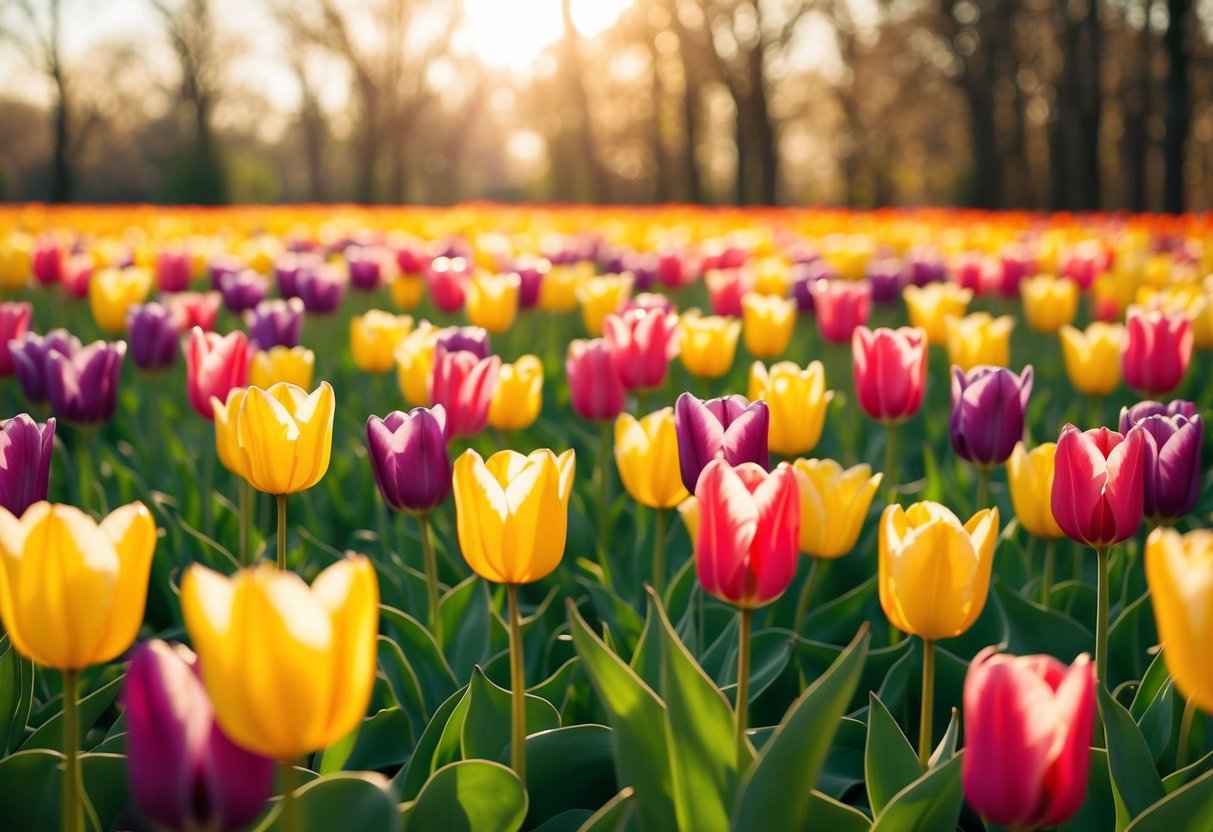
Imagine walking into a room filled with different floral arrangements, each showcasing stunning blooms. You might find yourself drawn to the delicate petals of a camellia or transfixed by the bold colors of a rose. It’s fascinating how each flower brings its own charm and personality, making it hard to choose just one as the prettiest.
As you explore further, you’ll discover that beauty in flowers is not just in their looks but in the emotions they evoke. Whether it’s the sweet fragrance of lilacs or the graceful presence of lotuses, each flower invites you to experience its own kind of magic.
Varieties of Popular Flowers
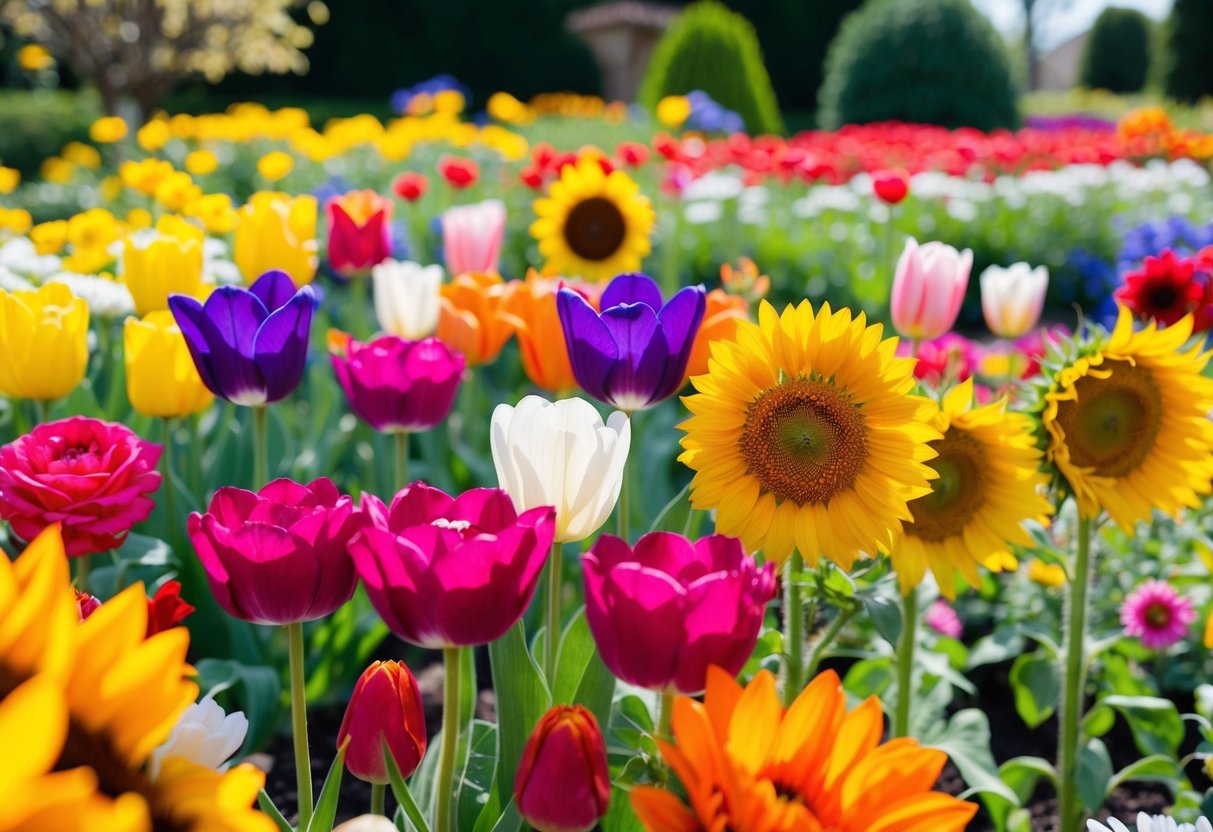
Flowers come in many stunning varieties, each offering unique beauty and charm. From striking dahlias to elegant orchids, you will find options that can brighten any garden or bouquet. Here are some of the most popular types of flowers you might consider.
Diverse Dahlia
Dahlias are beloved for their diverse shapes and colors. You can find them in almost every color except blue. Their blooms can range from small pom-poms to large dinner-plate sizes.
These flowers are typically grown in summer and can bloom into fall. They thrive in well-drained soil and full sunlight. With a little care, they add a vibrant pop to your garden.
Some popular varieties include the ‘Café au Lait’ with its soft beige hue and the ‘Bishop of Llandaff,’ known for its striking red petals. A garden filled with dahlias can create a breathtaking scene.
Elegant Orchids
Orchids are known for their delicate beauty and intricate shapes. With thousands of species, they can be found in a wide range of colors, including white, pink, purple, and yellow.
They are often grown indoors but can thrive outdoors in the right conditions. Orchids prefer indirect light and well-draining soil.
One popular type is the Phalaenopsis orchid, which produces long-lasting blooms. Another well-known variety is the Cattleya orchid, praised for its large and fragrant flowers. Adding orchids to your collection will certainly elevate your space.
Classic Roses
Roses are timeless flowers that symbolize love and beauty. They come in various colors, each carrying its own meaning. For instance, red roses symbolize love, while yellow roses represent friendship.
Roses bloom in the spring and can continue blooming throughout the summer. They need sunny spots and regular pruning for best results.
Different types include hybrid tea roses, known for their perfect blooms, and climbing roses, which can cover trellises beautifully. Having roses in your garden adds elegance and scent.
Cheerful Sunflowers
Sunflowers are known for their bright yellow petals and large heads that often follow the sun. They bloom throughout summer, making them a cheerful addition to any garden.
Sunflowers are easy to grow and can reach impressive heights, with some varieties growing as tall as 12 feet! They thrive in full sunlight and need well-drained soil.
There are different types of sunflowers, such as the classic Helianthus annuus and more ornamental varieties like ‘Teddy Bear,’ which have a bushier appearance. Sunflowers always bring a smile to your face.
Timeless Tulips
Tulips are some of the most popular spring flowers. They bloom in a variety of colors, including red, pink, yellow, and even black. This wide range makes them suitable for any garden scheme.
Tulips thrive in well-drained soil and need a good amount of sunlight. They are usually planted as bulbs in fall, blooming beautifully in spring.
There are many varieties, including the classic Darwin hybrid tulips, known for their durability. Others, like the fringed tulips, offer unique petal edges. Adding tulips can provide a stunning display in your garden.
Colorful Chrysanthemums
Chrysanthemums are popular flowers known for their vibrant blooms in fall. They come in many shapes and colors, including white, red, yellow, and purple.
These flowers are often used in gardens for a burst of color during the cooler months. They prefer full sunshine and well-draining soil.
Common varieties include the decorative mum, great for cultivating in pots, and the hardy garden mum, which can withstand cooler temperatures. Incorporating chrysanthemums into your garden can bring joy and color as summer fades.
Flower Symbolism and Uses
Flowers hold deep meanings and uses across cultures. Understanding the symbolism behind them can enrich your appreciation of these beautiful blooms. Here are some significant flowers, their meanings, and their roles in various traditions.
Meaningful Marigolds
Marigolds are bright and cheerful flowers often associated with creativity and warmth. Their vibrant orange and yellow colors symbolize enthusiasm and passion. In many cultures, including Mexican festivals, marigolds are used to honor loved ones who have passed away, symbolizing the celebration of life.
In the language of flowers, giving someone marigolds can express admiration and joy. They are also popular in gardens, attracting pollinators like bees and butterflies, making them a practical choice as well. Their uses extend to cooking, where petals add a hint of color and flavor to dishes.
Lotus: A Symbol of Purity
The lotus flower is renowned for its beauty and symbolism of purity and spiritual awakening. It grows in muddy water but rises above the surface to bloom, making it a powerful symbol of resilience and enlightenment. In many Eastern traditions, such as Buddhism and Hinduism, the lotus represents spiritual growth and rebirth.
You may find lotus flowers in art, literature, and religious ceremonies, emphasizing their importance. The flower’s pristine appearance in water inspires peace and tranquility. Lotus tea is also popular for its calming effects, adding to the flower’s significance in wellness practices.
Cherry Blossoms: A Sign of Transience
Cherry blossoms, also known as sakura, are celebrated for their fleeting beauty. These delicate pink flowers bloom for a short time each spring, reminding us of the transient nature of life. In Japan, the cherry blossom season brings festivals where people gather to enjoy this breathtaking sight.
Symbolizing renewal and the beauty of life’s moments, cherry blossoms also emphasize cherishing every day. You might find them in art and poetry, capturing their elegance and short-lived glory. Their colors range from soft pink to white, adding to their charm and wide appeal.
Caring for Your Flowers
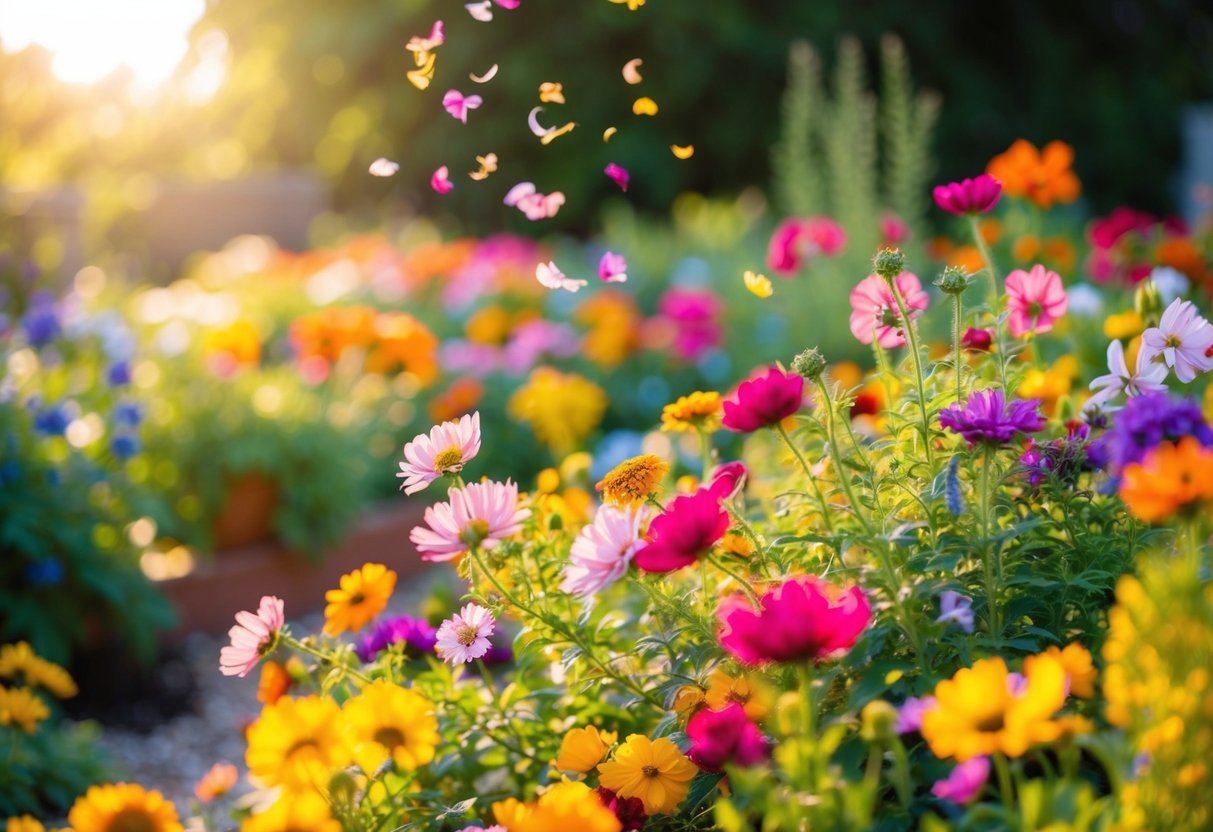
Taking care of your flowers involves understanding their needs and how to create an inviting environment for them. With the right practices, you can enjoy vibrant blooms in your garden and beautifully arranged cut flowers indoors.
Best Practices for Perennials
Perennials are a great addition to any garden. To care for them, choose a spot with full sun, as most perennials thrive with at least six hours of sunlight daily.
When planting, ensure that the soil is well-drained and rich in organic matter. You can amend your garden soil with compost to help retain moisture and nutrients.
Regular deadheading, or removing spent flowers, will encourage new blooms and prolong the life of your flowers.
Watering deeply but infrequently is vital. This practice encourages strong root development. Aim for about an inch of water per week, adjusting based on weather conditions.
The Art of Landscaping with Flowers
Landscaping with flowers can elevate your outdoor space. Start by considering color schemes and plant heights for visual appeal. Mixing heights creates layers, allowing each flower to shine.
Planting in groups or drifts can lead to a more natural look. Use native flowers for easier maintenance and better compatibility with your local environment.
Incorporate paths or borders to define different areas. This not only adds structure but also allows you to enjoy your garden from various viewpoints.
Don’t forget to consider bloom times. Planning for continuous blooms throughout the seasons will keep your landscape vibrant and engaging.
Choosing Fertilizers for Flowering Plants
Fertilizing your flowering plants is essential for healthy growth and vibrant blooms. Look for a balanced fertilizer, like a 10-10-10 blend, which supports both growth and blooming.
Before applying fertilizer, check the soil’s nutrient levels. Conduct a soil test to see what your plants really need.
Apply fertilizer during the growing season. Follow package instructions carefully, as over-fertilizing can damage your flowers.
Consider using organic fertilizers, such as compost or fish emulsion, for a gentler approach. These options improve soil health while feeding your plants.
The Role of Flowers in Nature
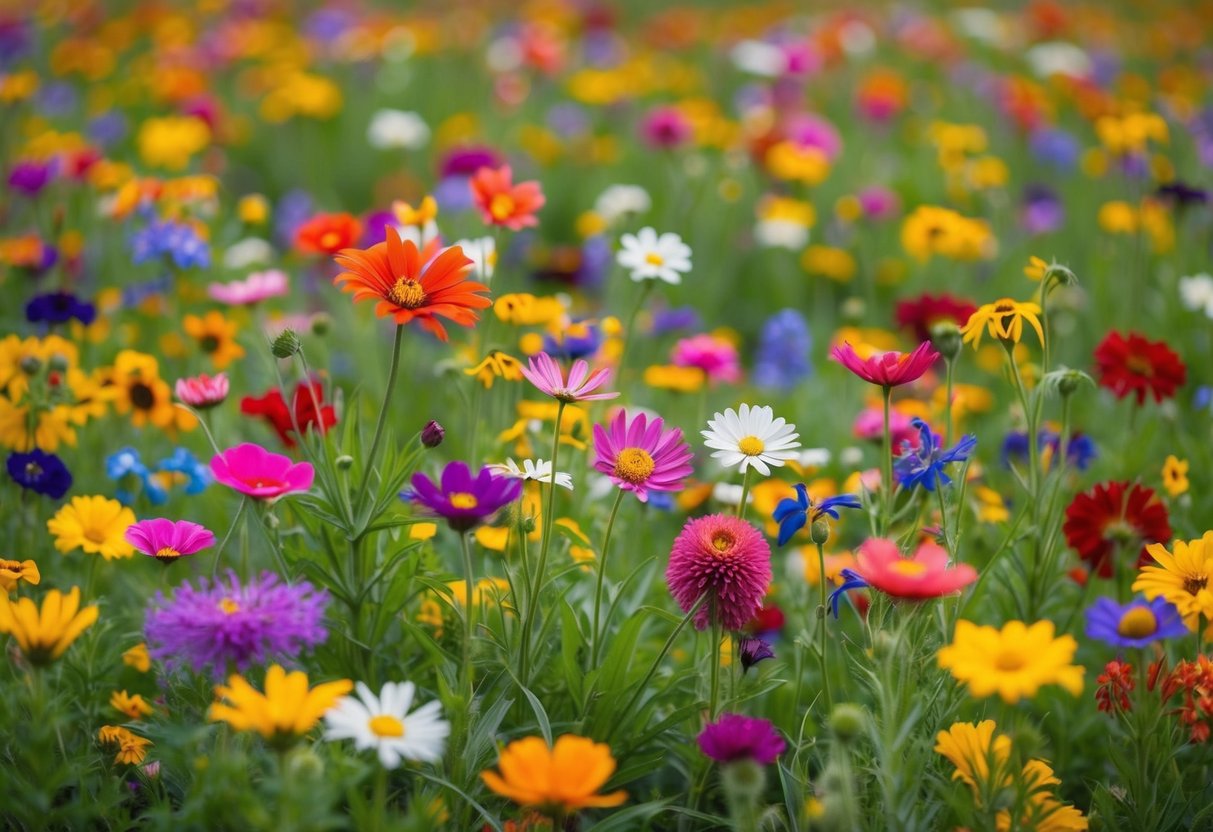
Flowers play a vital part in the ecosystem, providing food and habitat for many living things. They are essential for pollination and support native varieties, which maintain biodiversity. Understanding their roles helps you appreciate the beauty and importance of flowers in nature.
Pollinators and the Flower Garden
Flowers attract various pollinators, such as bees, butterflies, and hummingbirds. These creatures rely on flowers for nectar and pollen. When they visit, they help flowers reproduce by transferring pollen from one bloom to another.
One notable flower is the Stargazer lily, known for its stunning, colorful blooms. These flowers not only please the eye but are also appealing to pollinators. Water lilies also play a role in attracting species that contribute to a balanced ecosystem.
Native Varieties and Ecosystems
Native flowers are crucial for their ecosystems. They provide food and shelter for local wildlife. By planting native varieties, you help sustain the natural balance in your environment.
For instance, Lilium species are native flowers that can thrive in various conditions. These plants not only enhance the beauty of your landscape but also contribute to local biodiversity. Keeping native plants around, like those found in your area, supports pollinators while maintaining a healthy ecosystem.
By focusing on local varieties, you can create a vibrant, thriving garden that benefits both you and the environment.