
What Is Virtually Married? Understanding Modern Relationships in the Digital Age
In today’s digital world, many couples are exploring new ways to celebrate their love. A virtual marriage is an online ceremony where two people can get married through video conferencing platforms. This type of wedding allows you to say your vows and celebrate with friends and family, no matter where they are located.

Getting married online offers convenience and flexibility, especially for those who may not have access to traditional wedding venues. Virtual weddings enable you to design a unique ceremony that reflects your personalities and can fit within your budget. Many services are available to help you plan the perfect online wedding, making the process simple and enjoyable.
If you’re curious about how to navigate a virtual marriage or want to learn more about the benefits it offers, keep reading. There’s a lot to discover about this modern approach to tying the knot!
Understanding Virtual Weddings
Virtual weddings are a modern approach to marriage, allowing couples to say “I do” from anywhere. This means you can celebrate with loved ones near and far using technology, making the experience unique and personal.
What Does Virtual Marriage Mean?
Virtual marriage means that the entire wedding ceremony takes place online. You and your partner can choose a location for yourselves, be it your living room, backyard, or a scenic beach. The key part is that everyone else joins in through video conferencing tools.
To be legally recognized, your virtual wedding must meet your state’s requirements. This may include having a licensed officiant present during the live stream. By understanding these requirements, you ensure that your special day is both meaningful and official.
Technology and Virtual Weddings
To host a successful virtual wedding, you need a few essential tools. A stable internet connection is crucial to avoid interruptions during the ceremony. Most couples choose popular platforms like Zoom or Skype for the live streaming.
You should also consider the technical capabilities of your officiant and guests. Make sure they are comfortable using video conferencing tools. Preparing in advance can help everyone stay connected and engaged during your special event.
Benefits of Getting Married Online
There are several benefits to choosing a virtual wedding. First, you can save on costs. The average virtual wedding can range from $500 to $2,000, making it more budget-friendly compared to traditional ceremonies.
You also have the flexibility to invite anyone, no matter where they are in the world. Friends and family can join in, creating a shared experience even if they can’t be physically present. Additionally, the stress of planning can be reduced when utilizing virtual wedding planners, making the entire process easier.
Legal Aspects of Virtual Marriages
Virtual marriages have specific legal considerations that couples must understand. It includes the requirements for marriage licenses, the recognition of same-sex and international marriages, and the role of apostilles for legal documents.
Marriage Licenses and Certificates
To get married online, you need a valid marriage license. Each state has its own rules about applying for a marriage license and what forms are acceptable. Many states allow couples to start the application process online, but you may need to visit a local office to finalize it.
Once you complete the process, you’ll receive a marriage certificate. This document is proof that you are legally married. Always check the specific laws in your state to ensure you meet all requirements for a virtual marriage.
International and Same-Sex Marriages
If you are an international couple or in a same-sex relationship, you should know your rights. Many states in the U.S. legally recognize same-sex marriages. However, the rules might vary by location.
For international couples, both parties need to meet the legal requirements of their respective countries. It’s important to research how your marriage will be recognized both domestically and in other nations. Virtual marriages can be legally valid, but understanding your specific situation is vital.
Apostille and Legalization
If you plan to use your marriage certificate in another country, you may need an apostille. An apostille is a certificate that verifies the authenticity of your marriage document. It simplifies the process for international recognition.
To obtain an apostille, contact the office that issued your marriage certificate. The process might differ depending on which state issued the document. Having your certificate apostilled ensures that your virtual marriage is legally recognized around the world.
Planning Your Online Ceremony
When planning your online ceremony, it’s essential to consider the platform you will use, how to invite your online guests, and coordinating time zones for everyone involved. Taking these steps will help ensure that your virtual celebration goes smoothly.
Choosing the Right Platform
Selecting the right platform for your online ceremony is crucial. Popular options include Zoom, FaceTime, and Google Meet. Each has its advantages, like ease of use and guest limits.
Make sure to test your chosen platform ahead of time. Check your internet connection and familiarize yourself with the features. Consider using a wedding website to provide your guests with links and instructions on how to join the ceremony.
Inviting Online Guests
Inviting online guests requires clear communication. Start by creating a guest list. Once you have your list, you can use email or social media to send out invitations.
Include details such as the date, time, and platform link. It’s also a good idea to send a gentle reminder a few days before the big day. Encourage your guests to dress up, so they feel part of the wedding ceremony. Personalizing invitations can make your virtual event special and memorable.
Coordinating Time Zones
Coordinating time zones is a key step when planning your online ceremony. If you have guests across different locations, time differences can be confusing. Use online tools, like time zone converters, to help you pick the best time for everyone.
Clearly state the time zone you are using in your invitations. This way, your online guests can mark their calendars correctly. Consider hosting a short rehearsal before the ceremony to ensure everyone can join on time.
After the Virtual ‘I Do’
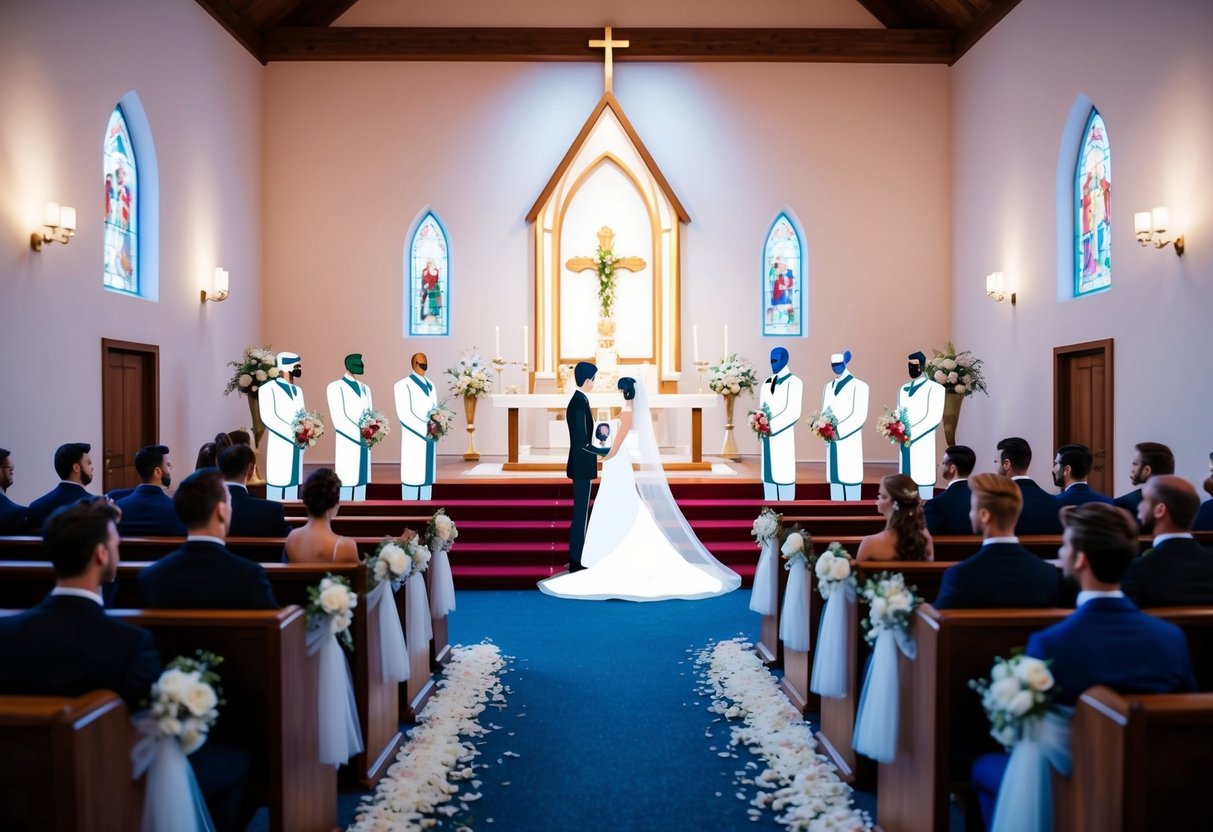
After exchanging vows in a virtual setting, there are important next steps to ensure your marriage is recognized and memorable. Focus on obtaining your official marriage certificate and capturing the cherished moments of your ceremony.
Receiving Your Marriage Certificate
Once your virtual wedding ceremony is complete, the next step is to get your marriage certificate. This document is essential for legal recognition of your marriage.
You usually need to apply for the certificate through your local government office. Some online marriage services can assist with this process. Make sure to check any specific requirements based on your state or country.
Expect to provide details like the date of your marriage and the officiant’s information. Remember, you might receive the certificate via mail or electronically, depending on the service you choose. Be sure to check its accuracy as soon as you receive it.
Sharing the Memories
After you say “I do,” it’s time to celebrate the memories you created. Video conferencing allowed your loved ones to witness your vows, and now you can share that joy further.
Consider creating a wedding album that includes screenshots from the ceremony and messages from guests. You can also compile a video montage of the highlights to send to family and friends.
Sharing photos on social media is another fun way to remember the day. Use a unique hashtag to group all your posts together. Don’t forget to thank your officiant and guests for making your virtual wedding special. This way, you keep the connections alive while celebrating your new journey together.