
What Is Wedding Shaming? Understanding the Impact of Criticism on Couples
Wedding shaming has become a notable trend online, where individuals criticize or mock various aspects of weddings. This phenomenon often unfolds in social media groups and forums like r/weddingshaming, where users share opinions about everything from wedding attire to unique themes. Wedding shaming refers to the act of ridiculing couples and their choices, often leading to hurt feelings and a negative impact on their special day.
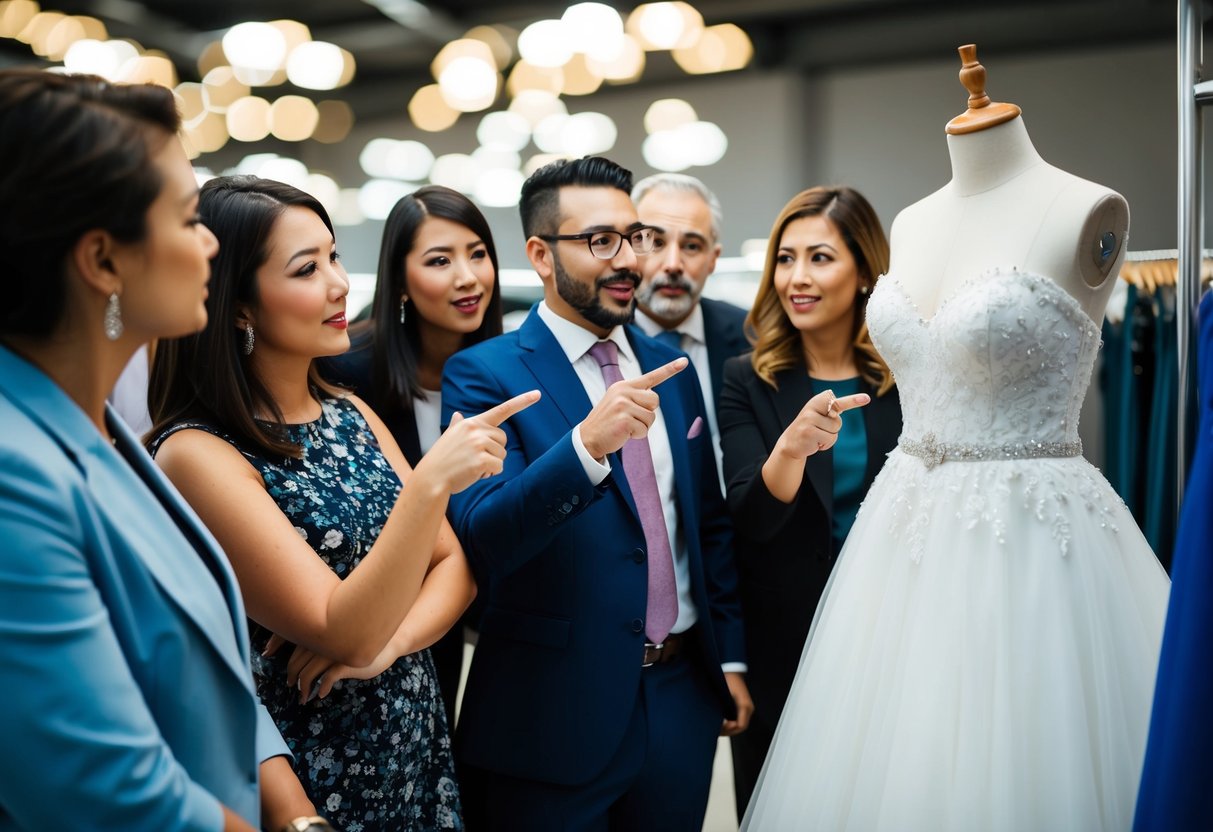
As you explore the topic, you may find that the reasons behind wedding shaming can be complex. While some might participate for laughs, others may be driven by a desire to voice their opinions on what they view as poor choices. This online trend can create a toxic atmosphere, especially as weddings are deeply personal events meant to celebrate love.
Understanding what wedding shaming is and why it happens can help you navigate the world of weddings and social media with more awareness. Whether you’re planning your own wedding or just browsing online, being informed allows you to appreciate the joy of this occasion without succumbing to negativity.
Understanding Wedding Shaming
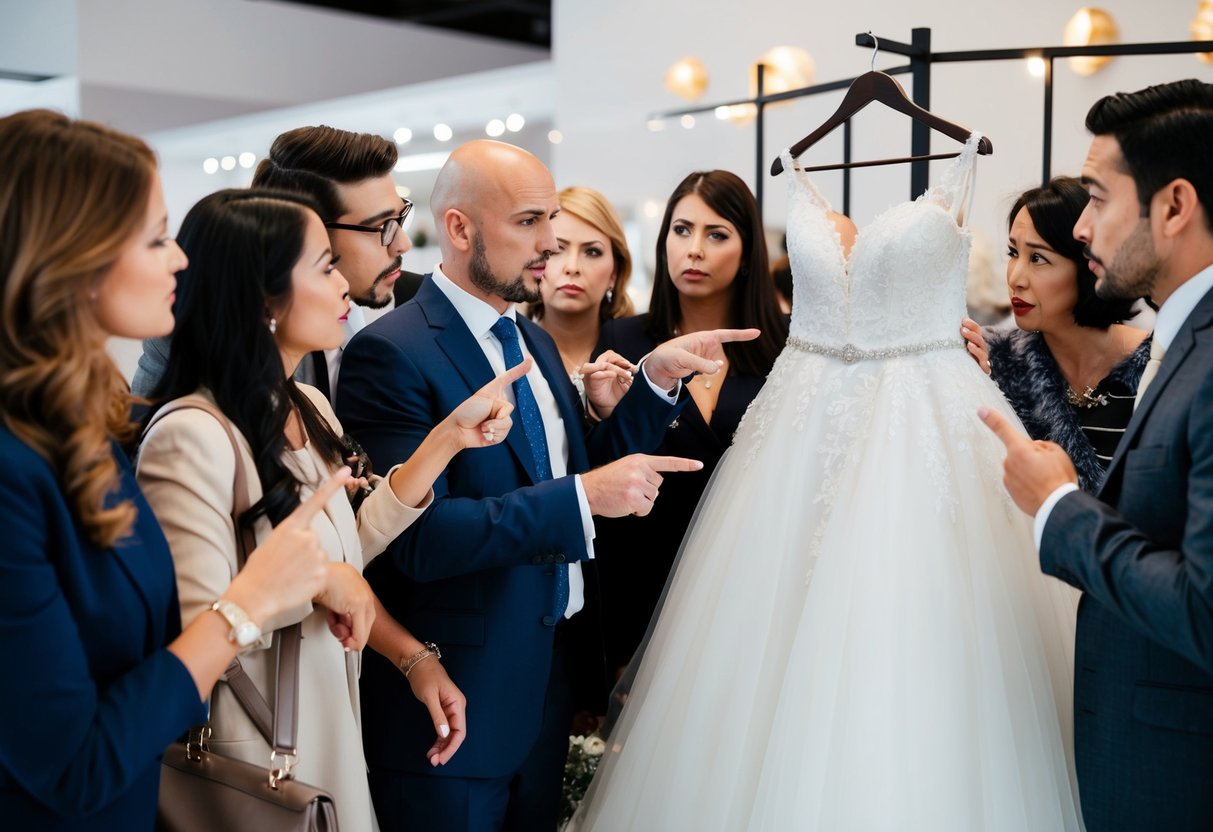
Wedding shaming is a growing issue many couples face today. It involves criticism about their choices during wedding planning.
This section will explain what wedding shaming is and how social media has played a major role in its rise.
Definition and Origins
Wedding shaming refers to the act of mocking or criticizing couples about their wedding choices. This can include everything from the venue to the food and even the guest list.
The trend started gaining momentum as people began sharing their thoughts on platforms like Reddit, specifically in groups such as r/weddingshaming. These online communities allow users to post pictures and stories to critique other couples, often harshly.
The origins of this phenomenon can be traced back to the desire for validation in the wedding community. Couples often seek approval for their choices, making them vulnerable to judgment.
The Role of Social Media
Social media has greatly influenced how wedding shaming happens today. Platforms like Facebook, Instagram, and Reddit enable users to share their weddings and seek interaction from others.
On r/weddingshaming, you can find many posts where users discuss and often ridicule the choices couples make. These discussions can get intense, with some individuals feeling empowered to voice strong opinions.
This online shaming trend thrives on engagement, as likes and comments often encourage more posts. As a result, this form of shaming creates pressure for couples to meet certain expectations, which can lead to anxiety during what should be a joyful time.
Knowing this can help you navigate wedding planning with more confidence and awareness.
Common Targets and Themes in Wedding Shaming
Wedding shaming can focus on many aspects of a wedding, often highlighting how couples choose to celebrate their big day. This trend typically revolves around specific themes and common targets that attract attention and criticism.
Critique of Wedding Dresses
Your choice of wedding dress can become a major point of discussion. People often criticize the design, style, and even the price.
If your dress stands out too much or isn’t traditional enough, it may attract unwanted comments. Some critics might label certain dresses as overly extravagant or unflattering.
For example, a dress that breaks from the norm may receive negative remarks about how it clashed with typical wedding themes. This can lead to feelings of self-doubt and anxiety about your choices.
Calling Out ‘Bridezillas’ and ‘Groomzillas’
The terms “bridezilla” and “groomzilla” refer to brides and grooms who may appear demanding or difficult during the planning process. If you express strong opinions about your wedding plans, you might hear someone call you a bridezilla or groomzilla.
This can happen if you push for specific themes or details that some perceive as too extravagant. The pressure of expectations can lead to heightened emotions, and those feelings may spill over into how others view your actions. Critics may focus on personal conflicts, ignoring the stress you face while planning.
Family Drama and Expectations
Family dynamics often play a huge role in wedding planning. You might feel pressure to meet family expectations, which can lead to conflict.
Whether it’s choosing a wedding theme or deciding who pays for what, these discussions can quickly turn sour. When disagreements arise, they can spark online comments or discussions, adding fuel to the wedding shaming fire.
Typically, family members may make harsh judgments on the decisions you make. This can further complicate your experience and add to the emotional burden of wedding planning.
Navigating Wedding Planning with Realistic Expectations

Planning your wedding can feel exciting but also overwhelming. You want your day to be special, and setting realistic expectations is key to enjoying the experience.
Setting Achievable Goals
Begin by creating a list of what truly matters to you. Think about the styles, themes, and elements you want in your wedding. Break these down into achievable goals.
Instead of aiming for a perfect wedding, focus on what makes you happy. Discuss these goals with your partner to align your vision.
Use a checklist to track what’s important, so you can manage your time and resources effectively.
For example, if you want a beautiful venue, set a budget and start researching options early. This helps avoid last-minute stress.
Remember, it’s about creating memories, not just meeting expectations.
Dealing with Social Pressures
With social media, it’s easy to feel pressure from others. Friends and family might share their experiences, which can shape your expectations.
It’s important to remember that their wedding is not your wedding. Limit your exposure to sources that create unnecessary pressure.
Follow accounts that inspire you but avoid comparison traps. When it comes to your choices, remember to stay true to yourself.
Share your plans with supportive friends who encourage your vision. At the end of the day, it’s about what you and your partner want—not what others expect.
Positive Takeaways from Wedding Shaming Anecdotes
Wedding shaming might sound negative, but some stories can offer valuable lessons. Here are a few positive takeaways you can find in these anecdotes.
1. Learning from Others’ Mistakes
Hearing about mistakes helps you avoid making the same ones. You can learn what to watch out for, whether it’s a planning error or a guest faux pas.
2. Encouragement to Stay True
Some couples share stories of harsh criticism. These tales remind you to focus on what makes your wedding special. Remember, your opinions matter most, not strangers’ comments.
3. Community Support
Wedding shaming often leads to community discussions. You can find support and advice from others who understand your stress. Sharing your own stories can foster connections and empathy.
4. Humor in the Chaos
Many anecdotes reveal the humorous side of wedding planning. Laughing at others’ experiences can lighten your own journey. It reminds you that perfection isn’t the goal.
5. Reflection and Growth
Reading about shaming incidents can lead to self-reflection. Consider how you interact with others and what positive changes you can make in your own life.