
What Makes a Song More Danceable? Tips for Crafting Irresistible Beats
Have you ever wondered what makes a song really danceable? Understanding this can change the way you enjoy music at parties or clubs. The key factors include rhythm, groove, and an upbeat tempo that gets your body moving.
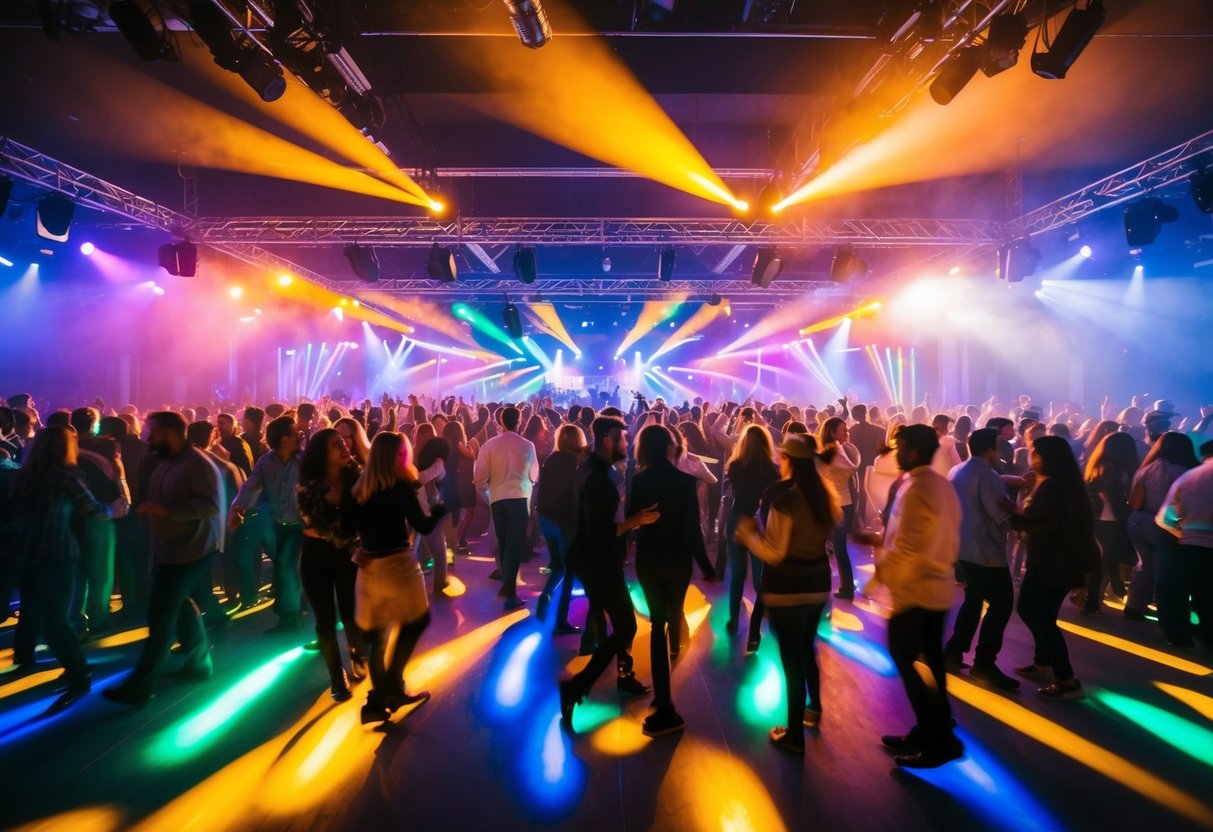
When a song has a strong, steady beat, it gives you something to follow. The groove adds that special flair, making you want to move even more.
Whether you prefer pop, funk, or EDM, recognizing these elements can enhance your listening experience and help you pick the perfect dance tracks for any occasion.
Next time you hit the dance floor, pay attention to how the music makes you feel. Dive into the rhythms and the beats that draw you in, and you’ll discover what truly makes a song danceable.
The Concept of Danceability
Danceability refers to how suitable a song is for dancing, and it involves several key features. Understanding danceability can help you appreciate what makes music enjoyable on the dance floor. You’ll find that rhythm, tempo, and energy play vital roles in this concept.
Defining Danceability
Danceability can be defined as the ease with which you can move to a song. It encapsulates how well a track encourages you to dance. The feel of the rhythm is often crucial. Some songs inspire dance with their steady beats while others rely on syncopated rhythms that grab your attention.
Cultural factors also shape how you perceive danceability. For example, a club setting might favor a strong four-on-the-floor beat, while reggae tunes might focus more on a laid-back groove. This difference shows that danceability isn’t just about the music; it’s about your own connection to it.
Key Components of Danceable Music
Several elements combine to create danceable music. Rhythm is the backbone, giving the song its pulse. A consistent rhythm makes it easier for you to move in time with the music.
Tempo also plays a significant role; generally, faster tempos are more dance-friendly, while slower tempos might inspire a different style of movement.
Energy contributes to how lively a song feels. High-energy tracks with strong beats often motivate you to dance.
Pay attention to various genres, as they highlight different components of danceability. For example, electronic dance music often focuses on a driving beat, while funk may emphasize groovy bass lines. Each of these can create an exciting experience on the dance floor.
Rhythmic Elements That Get You Moving
Rhythm is the heartbeat of music that makes you want to dance. Key aspects like drums, timing, and repetition play important roles in creating an irresistible urge to move. Let’s explore how these elements work together to make a song more danceable.
The Role of Drums and Percussion
Drums are the backbone of any danceable track. They provide the primary beat and energy that guide your movements. A strong kick drum is essential, often delivering a powerful pulse that you can feel in your chest.
Percussion instruments add texture and excitement. A hi-hat or snare drum can accentuate certain beats, creating a dynamic feel. When you hear a steady rhythm from the drum section, it invites you to sway and groove.
Songs that use a consistent tempo, like 4/4 time, also help you move. This common time signature is easily recognizable, making it easier for audiences to connect with the music.
Understanding Timing and Repetition
Timing is crucial in dance music. A strong pulse with clear, consistent beats makes it easy for you to follow along. Repetition reinforces these rhythms, making them familiar.
When you hear repeated phrases or beats, they become catchy and memorable. This lets your body naturally anticipate when to move.
You might notice that many popular dance tracks follow the same patterns. The rhythmic algorithm behind these songs often includes accents on beats two and four, making you want to get up and dance.
Incorporating these elements keeps the flow steady and encourages you to let loose. The combination of timing and repetition creates an engaging experience that keeps you on your feet.
Musical Genres Known for Danceability
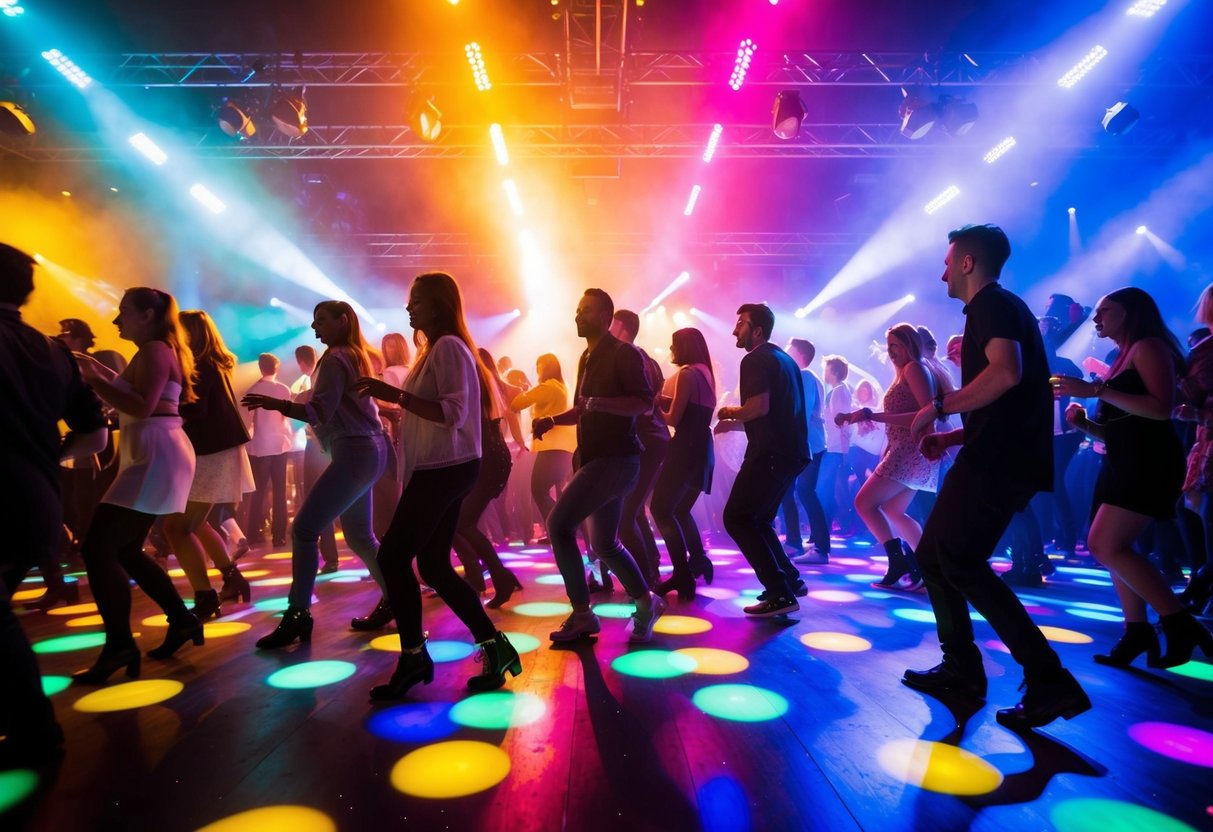
Different music genres have unique qualities that make them perfect for dancing. Each genre connects to its audience through rhythm, beat, and energy. Let’s look closer at some popular genres that get people moving on the dance floor.
Exploring the Energy of Pop Music
Pop music is crafted to be catchy and upbeat. Artists like Taylor Swift create hits such as “Shake It Off,” which showcases infectious rhythms.
Pop often features a strong beat, simple melodies, and relatable lyrics. These elements make it easy for listeners to dance along.
In a club or party setting, pop songs typically have a steady tempo, which encourages movement. They often include repetitive choruses that stick in your head, making them memorable.
The Funky Grooves of Funk and Reggae
Funk is all about groove. Legends like James Brown made funk music with rhythmic bass lines and horns. These elements create a lively atmosphere that naturally invites you to dance.
Reggae, on the other hand, has a laid-back yet compelling beat. The emphasis on offbeat guitar and bass in reggae makes it both relaxing and rhythmically intricate.
Both genres focus heavily on rhythm and feel. This makes them great choices for dance parties where everyone can let loose and have fun.
The Beat of Hip Hop and Dance Music
Hip hop has evolved into a major force in dance music. With strong beats and clever lyrics, it connects with listeners in a dynamic way.
Dance music, particularly electronic dance music (EDM), relies on rhythmic patterns and drops. These make you want to move and stay engaged on the dance floor.
Hit songs in this genre often feature repetitive beats and hooks, keeping the energy high. This infectious energy helps create a vibrant dance atmosphere.
The Dancefloor Impact of Instrumental and Vocal Components

When making a song danceable, both the instrumental and vocal elements play crucial roles. These components work together to create an energetic vibe that makes you want to move.
Instrumental Hooks That Trigger Dance Reflexes
Instrumental hooks are catchy musical phrases that grab your attention. They are often repeated throughout a song, making you want to groove. A well-crafted hook can instantly create a strong connection between the music and your body.
Hit songs often feature rhythmic beats and strong bass lines that drive the tempo. For example, Taylor Swift’s “Shake It Off” uses upbeat percussion to keep the energy high, making it perfect for the dancefloor.
To sum it up, the blend of instruments and rhythm influences how you respond physically. A solid instrumental hook keeps you engaged and ready to dance.
Vocal Rhythms and Catchiness
Vocal elements also contribute to a song’s danceability. Catchy melodies and rhythmic phrasing can elevate a song’s appeal. You might find yourself singing along, which enhances your connection to the music.
In songs like “Shake It Off,” Taylor Swift utilizes playful vocals. The rhythm of her voice flows with the beat, encouraging movement. When vocals fit well with the instrumental, it becomes easier to dance.
Moreover, vocal harmonies can add layers of richness. This layering makes the experience more enjoyable, inviting you to join the fun on the dancefloor. Catchy lyrics and rhythms keep the energy alive and motivate you to stay active while dancing.