
What Makes Wedding Cake So Special? Exploring Its Tradition and Significance
Wedding cakes hold a special place in one of the most important days of your life. They are not just desserts; they symbolize joy, love, and unity. The tradition of having a wedding cake brings people together in celebration, making it a key part of the wedding experience.
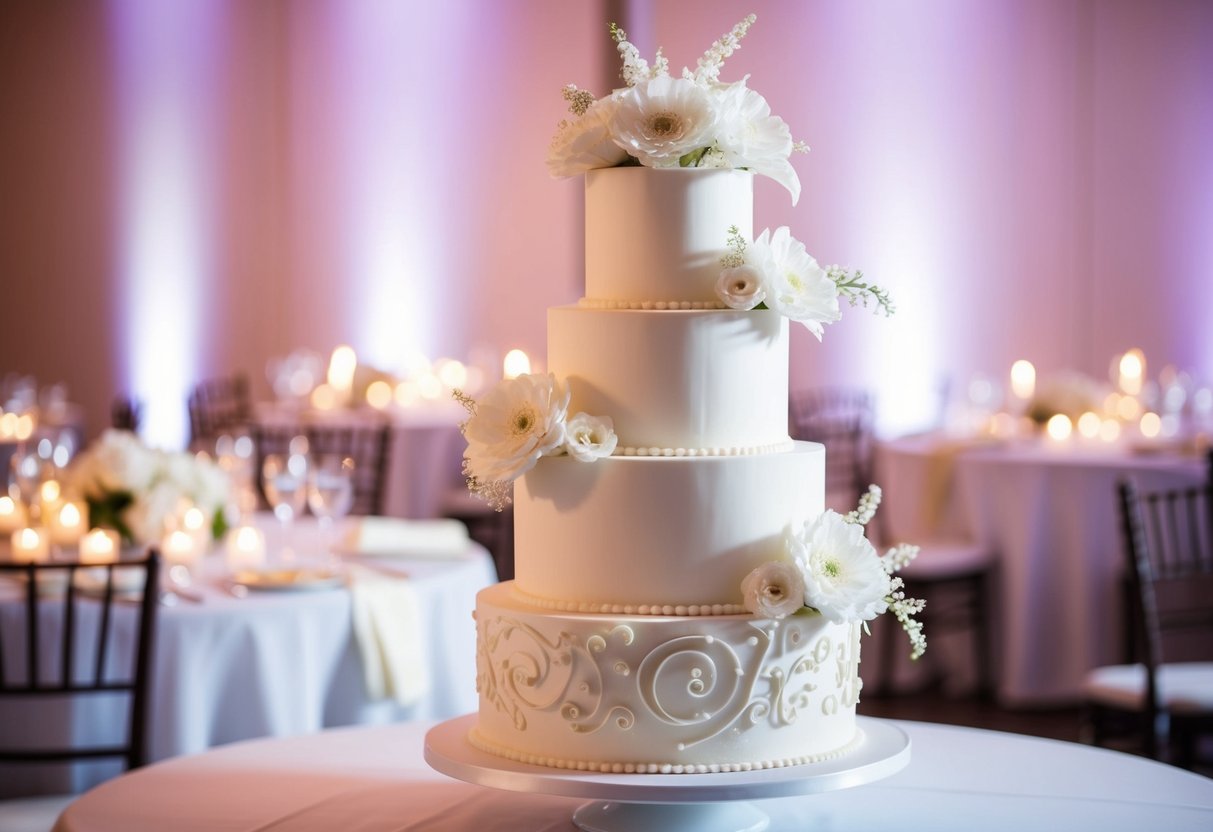
As you plan your big day, you’ll discover the many layers of meaning that your wedding cake can embody. From choosing a unique design to selecting flavors that reflect your personality, every detail adds to the special memories created.
Dig deeper into the fascinating history and traditions surrounding wedding cakes, and you’ll see why they are cherished mementos long after the final slice is served.
Every slice of wedding cake carries with it a tradition that connects generations. Whether it’s saving the top tier for your first anniversary or the couple’s first bite together, these customs enhance the significance of the cake. Understanding these elements can enrich your own wedding celebration, making it even more unforgettable.
Historical Significance of Wedding Cakes
Wedding cakes have a rich history that reveals their importance beyond just being a tasty treat. From ancient customs to their role in social status, these cakes have deep-rooted traditions that resonate with many cultures.
Ancient Origins and Victorian Influence
The tradition of wedding cakes can be traced back to Ancient Rome and Greece. In Rome, a scone-like cake made of wheat or barley was broken over the bride’s head as a sign of good fortune. This playful act symbolized fertility and prosperity.
Fast forward to the Victorian era, and wedding cakes transformed significantly. Queen Victoria’s extravagant cake—tall, layered, and elaborately decorated—set the standard for modern wedding cakes. It created a trend for multi-tiered cakes, making them a centerpiece at wedding celebrations.
Wedding Cake as a Social Status Symbol
In medieval England, wedding cakes began to signify social status. The wealthier couples could afford larger, more elaborate cakes, which showcased their prosperity. This trend continued over the years, leading to cakes being a display of a couple’s affluence.
Today, the tradition endures. Many couples choose designs that reflect their social standing or personal style. A beautifully crafted cake can be a conversation piece at a wedding, connecting guests and celebrating the couple’s journey. Through time, wedding cakes have remained emblematic of love, celebration, and societal values.
Design and Aesthetics
When it comes to wedding cakes, design and aesthetics play a crucial role in making your dessert a centerpiece. From unique styles to beautiful finishes, your cake can reflect your personality and wedding theme.
From Traditional to Modern Designs
Wedding cakes come in a variety of styles, from classic to contemporary. Traditional cakes often feature multiple tiers, white fondant, and elegant floral decorations. You might choose a simple, round cake adorned with royal icing or fresh blooms for a timeless touch.
On the other hand, modern cakes can break the mold. Think of a naked cake, which has minimal frosting and showcases the natural beauty of its layers. Alternatively, you might opt for bold geometric shapes or abstract designs. These choices allow you to showcase your personal style, ensuring that your cake stands out.
Popular Wedding Cake Finishes
The finish of your wedding cake can greatly impact its visual appeal. Fondant is a favorite choice for its smooth and elegant look. It can be easily dyed and molded into intricate shapes, making it versatile for any design.
Another popular finish is royal icing, often used for detailed decorations or lace effects. It dries hard, adding a beautiful texture. If you prefer something simpler, a buttercream frosting can create a softer, more rustic look. No matter what you choose, the finish of your cake sets the tone for the entire dessert.
Choosing the Perfect Topper
The cake topper is often the finishing touch that brings your design together. Options range from classic figurines to personalized monograms. You can even select themed toppers that reflect your interests or story as a couple.
Consider adding fresh flowers or greenery to tie in your wedding decor. This approach not only looks stunning but also reinforces your theme. Whatever you decide, your topper should complement the overall design while adding a personal touch that makes it uniquely yours.
Culinary Delights and Flavors
Wedding cakes are often a highlight of the celebration, combining taste and aesthetics. From rich chocolate layers to delightful buttercreams, each choice adds a special touch to your big day. Picking the right flavor is essential, as it brings joy to you and your guests.
Decadent Chocolate Layers and Rich Buttercreams
Chocolate is a beloved choice for many couples. Layers of moist chocolate cake paired with smooth, velvety ganache create a rich experience. You might also consider dark or milk chocolate varieties, each offering a unique twist.
Buttercream is another popular option. Creamy and sweet, it adds the perfect balance to chocolate layers. You can choose from classic vanilla buttercream or try flavors like salted caramel or raspberry. This versatility allows you to personalize your cake to suit your preferences.
Tasting and Selecting the Ideal Flavor
Choosing your wedding cake flavors can feel overwhelming, but cake tastings make it fun! You can try different combinations to see what you love best. Popular flavors include rich chocolate, classic vanilla, and zesty lemon.
Consider also using cream cheese frosting, which adds a tangy flavor that pairs well with many cakes. Don’t hesitate to ask your baker about unique regional flavors for a special touch. This process is not just about the cake but also about the memories you’ll create together.
Rituals and Traditions
Wedding cakes are more than just delicious desserts. They come with a rich history of rituals and traditions that add special meaning to your big day. These customs help create lasting memories and symbolize love, luck, and unity in your new life together.
Cutting the Cake Ceremony
The cutting of the cake is one of the most anticipated moments at your wedding reception. It symbolizes the couple’s first task as partners in their marriage. Traditionally, you and your partner will cut the cake together, showing your teamwork and unity.
As you slice the cake, it’s common to feed each other a piece. This act represents sharing and nurturing one another. The act is often accompanied by cheering from your guests, adding a joyful atmosphere. This tradition not only provides a fun photo opportunity but also strengthens your bond.
Saving the Top Tier
Many couples choose to save the top tier of their wedding cake for a special occasion. This practice usually happens on the first anniversary or at a child’s christening. Originally, this custom was also linked to fertility and good luck for the couple’s future.
When saving the top tier, be sure to wrap it properly to maintain freshness. You can use plastic wrap followed by aluminum foil. In some cultures, this tier is considered a good luck charm, symbolizing a happy and fruitful life together. It’s a sweet tradition that connects past and future celebrations.
Incorporating Global Wedding Dessert Traditions
Wedding cakes vary around the world, each with unique customs and meanings. For example, in New Orleans, a king cake symbolizes luck and prosperity. Guests often enjoy the tradition of finding a hidden figurine within the cake, representing good fortune for the year ahead.
In other cultures, desserts like baklava or mochi might replace traditional cakes, each bringing their own rituals. Incorporating these global desserts into your wedding can create a richer culinary experience. It also pays homage to different cultures and adds a personal touch to your celebration. Embracing these traditions can lead to a memorable day filled with joy and shared experiences.