
What Month Is the Most Expensive to Have a Wedding? Discover the Cost Trends by Season
Planning a wedding can be exciting but also challenging when it comes to budgeting. Typically, September is the most expensive month to have a wedding. Many couples aim to take advantage of the beautiful autumn weather. With peak demand during this time, prices for venues, catering, and other services tend to rise significantly.
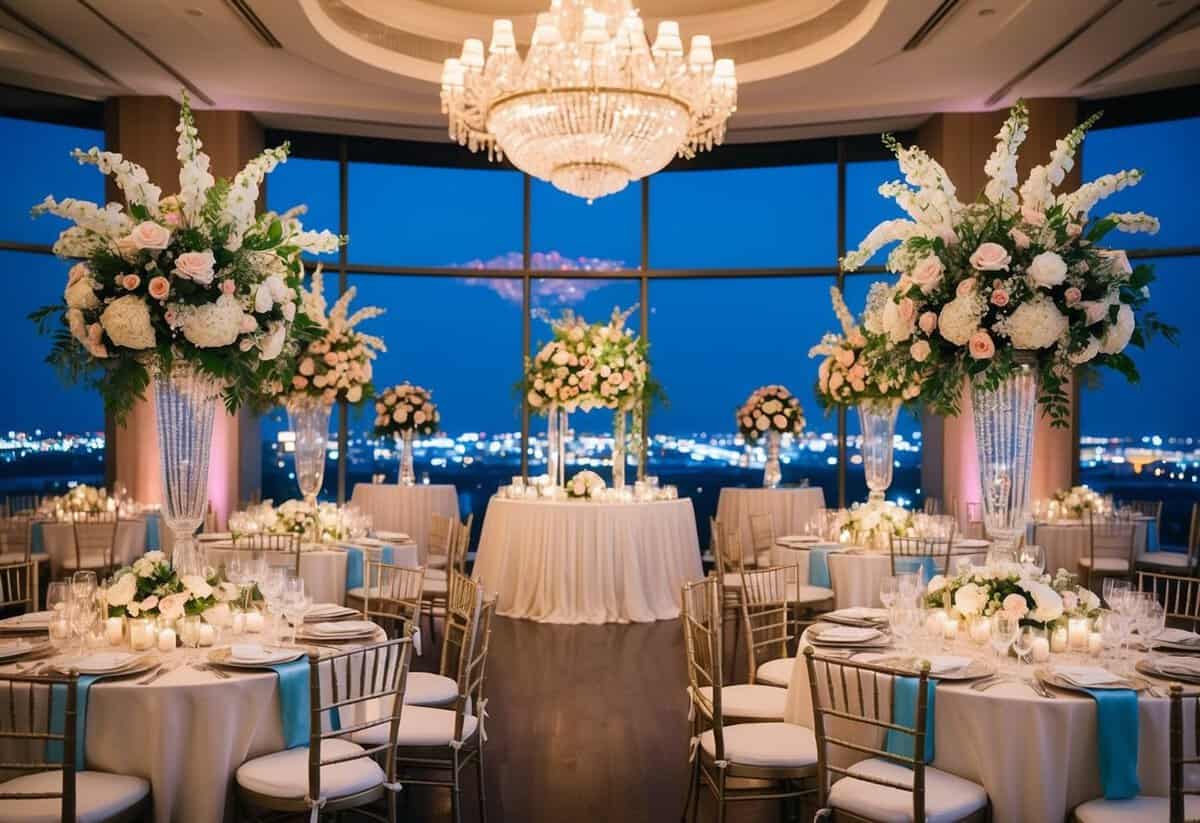
Understanding which months are cheaper or more expensive can help you make informed decisions about your big day. As you navigate through the planning process, knowing when costs might soar can save you money and stress. Whether you’re dreaming of a sunny summer celebration or a cozy winter gathering, let’s explore the factors that influence wedding costs throughout the year.
Understanding Wedding Seasons and Costs
When planning your wedding, knowing the wedding season can help you save money. Wedding seasons are divided into peak and off-season times.
Peak wedding season typically runs from late spring to early fall. The most popular months are May, June, September, and October. During these times, prices for venues and vendors can be at their highest.
In contrast, the off-season includes late fall and winter months. Getting married during this time can lead to lower costs. Many vendors offer discounts to attract couples in the off-season.
Here’s a quick look at wedding costs across peak and off-season months:
| Season | Typical Months | Average Cost Range |
|---|---|---|
| Peak Season | May, June, August, September, October | $5,000 – $12,000+ |
| Off-Season | November – April | $3,000 – $8,000 |
Keep in mind that school holidays and popular travel times can also affect prices. If you’re flexible with your date, consider a weekday wedding. These days often come with better rates compared to Saturdays.
Being informed about wedding seasons can help you choose the best time for your special day—both for your budget and your enjoyment!
Deciding on the Ideal Wedding Month
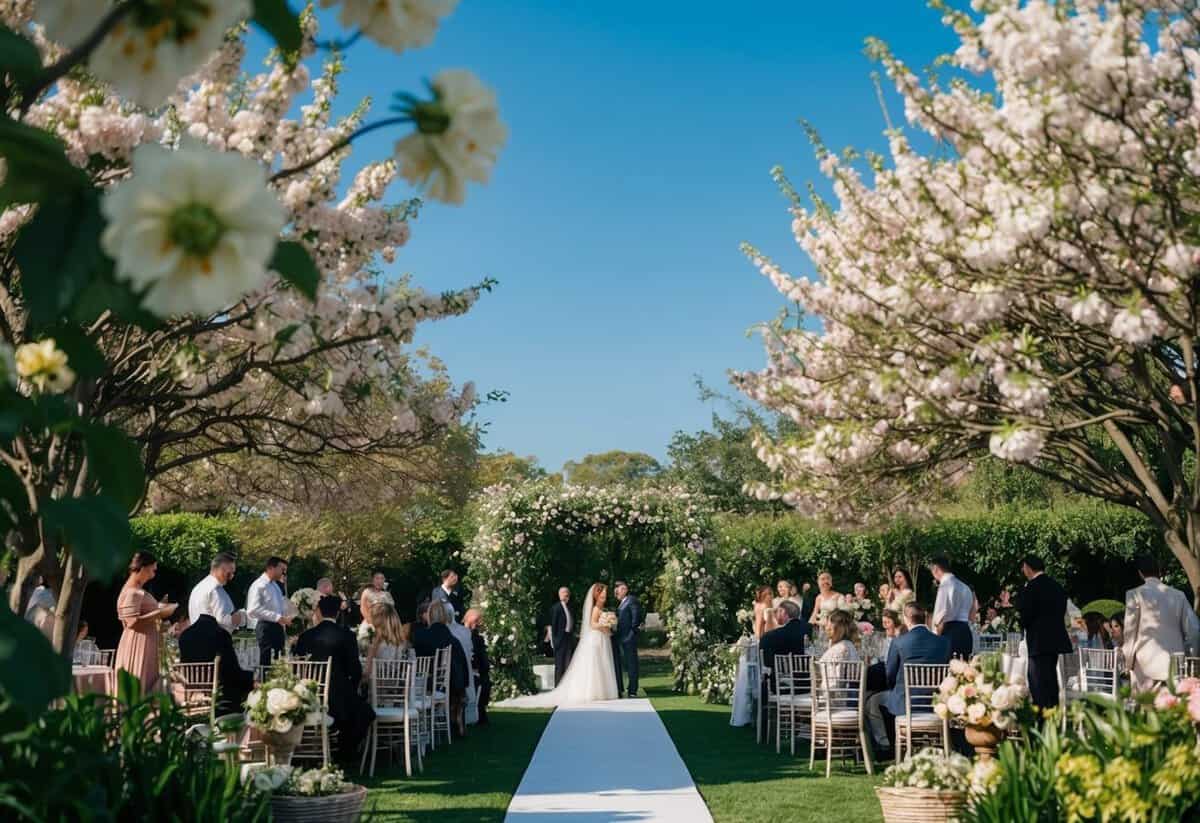
Choosing the right wedding month is important for your special day. Here are some things to think about:
-
Most Expensive Months: June and August are often the most expensive months for weddings. These months are popular due to their temperate weather and summer vacations.
-
Affordable Options: If you’re looking for a cheaper month, consider January or February. These months typically have lower demand, leading to more affordable venues and vendors.
-
Vendor Availability: Popular months can lead to limited availability of vendors. Booking during off-peak months gives you a better chance to secure your top choices.
-
Weekday Weddings: Fridays and Sundays can offer better rates compared to Saturdays, which are usually the busiest days. A weekday wedding might also increase your options for venues.
-
Temperate Weather: Consider the typical weather in your chosen month. Mild temperatures help create a comfortable experience for you and your guests.
Think carefully about your priorities and how each month fits with your budget. Balancing costs with personal preferences will help you choose the best time for your wedding.
Evaluating Venue and Vendor Expenses
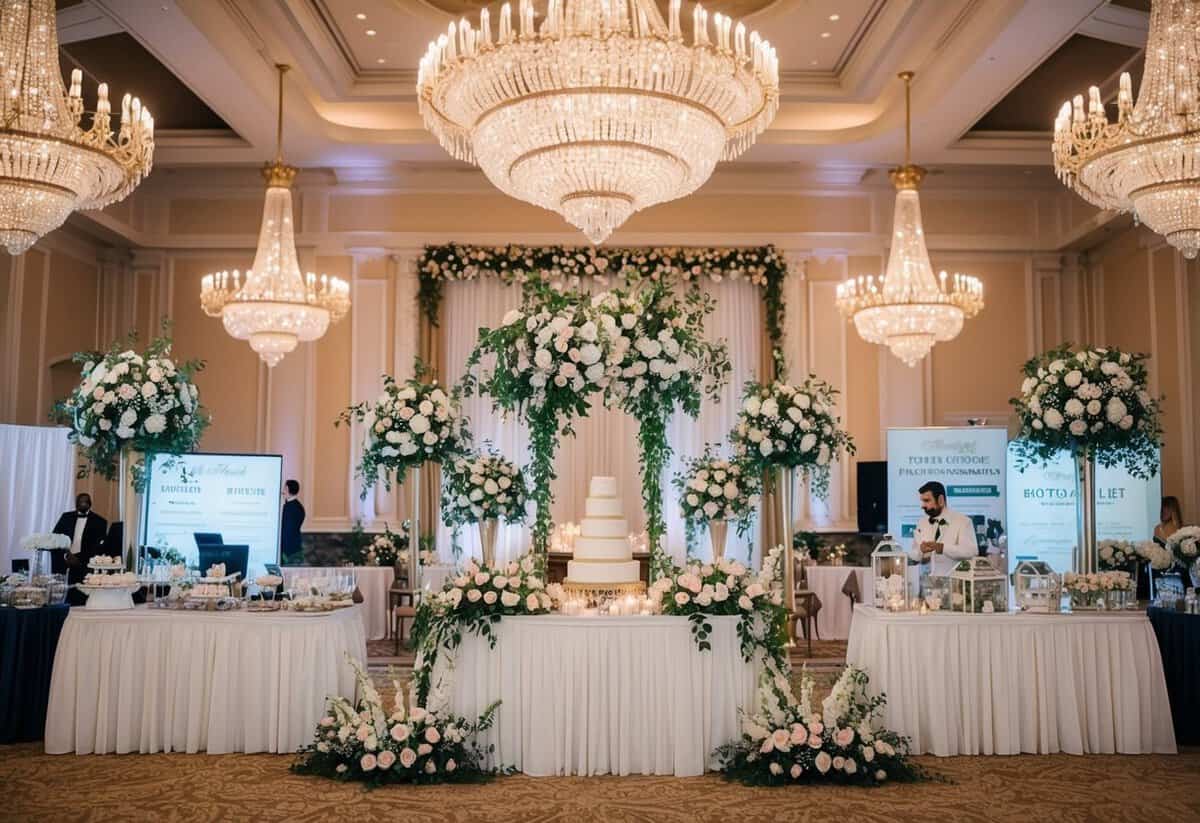
When planning your wedding, evaluating venue and vendor expenses is key. The venue often takes up a large part of your budget. Location can greatly affect costs.
Here’s a breakdown of common expenses:
- Wedding Venue: Prices can range from $2,000 to over $10,000. Popular locations may charge more, especially during peak months.
- Catering: Expect to spend around $30 to $150 per guest. Keep in mind, a sit-down meal generally costs more than a buffet.
- Photography: Professional photography can run from $1,000 to $3,000 or more. Quality often dictates price, so choose wisely.
Don’t forget those additional vendor prices. Things like flowers, music, and decor can add up quickly.
Look for discounts! Many venues and vendors offer off-peak rates. Consider hosting your wedding in January or February, when demand is low. This can lead to significant savings.
Be open to negotiating prices, too. Vendors might be willing to offer discounts if you ask.
Remember, keeping track of these expenses will help you stay within your budget. Make a list to compare each vendor’s offerings and costs effectively. This way, you’ll find the best options that suit your style and budget.
Strategies for Planning a Budget-Friendly Wedding
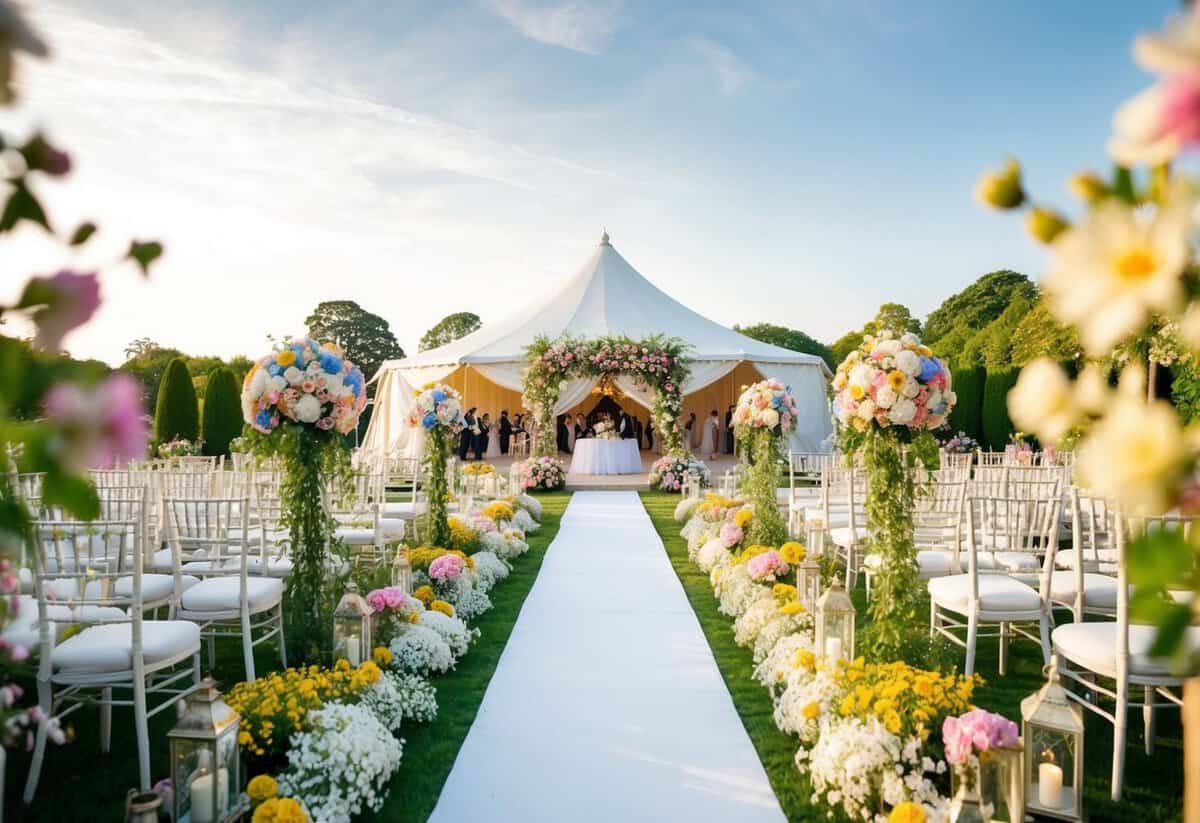
Planning a budget-friendly wedding can be easier when you know how to take advantage of off-peak times and get creative with your choices. Here are a couple of strategies to help you save money while still making your big day special.
Maximizing Off-Peak Season Perks
Consider having your wedding during off-peak months, such as December, January, or February. These months typically have lower rates for venues and vendors. Many places offer discounts when their demand is low.
You might find that winter weddings allow for beautiful seasonal decor, like elegant holiday themes. This can reduce costs for flowers since you can incorporate evergreen elements and other seasonal decorations. In addition to that, venues may have promotions around holidays, making it easier to secure a great deal.
If you’re open to a fall wedding, you can also enjoy beautiful foliage and milder weather. This can help with outdoor ceremonies and reduce costs related to air conditioning or heating.
Creative Considerations for Wedding Planning
When planning your wedding, think outside the box to make it more affordable. DIY projects can significantly cut costs. Consider making your own centerpieces or invitations. Websites often offer templates that make this easier for you.
Also, look into local rental businesses for items like tables and chairs, which can save you money. You can also choose to have a smaller guest list. This reduces expenses on catering and invites. Fewer guests can create a more intimate atmosphere too.
Don’t forget to choose an untraditional day for your wedding, like a Friday or Sunday. Many venues and vendors offer reduced rates for these days. Flexibility can lead to significant savings.