
What Month is Unlucky for Weddings? Discover the Best and Worst Times to Say “I Do”
When planning your special day, you might wonder if the month you choose has any significance. Many cultures have superstitions surrounding weddings that influence their choices. Tradition suggests that July is often considered an unlucky month for weddings, as it can bring hardship and sorrow.
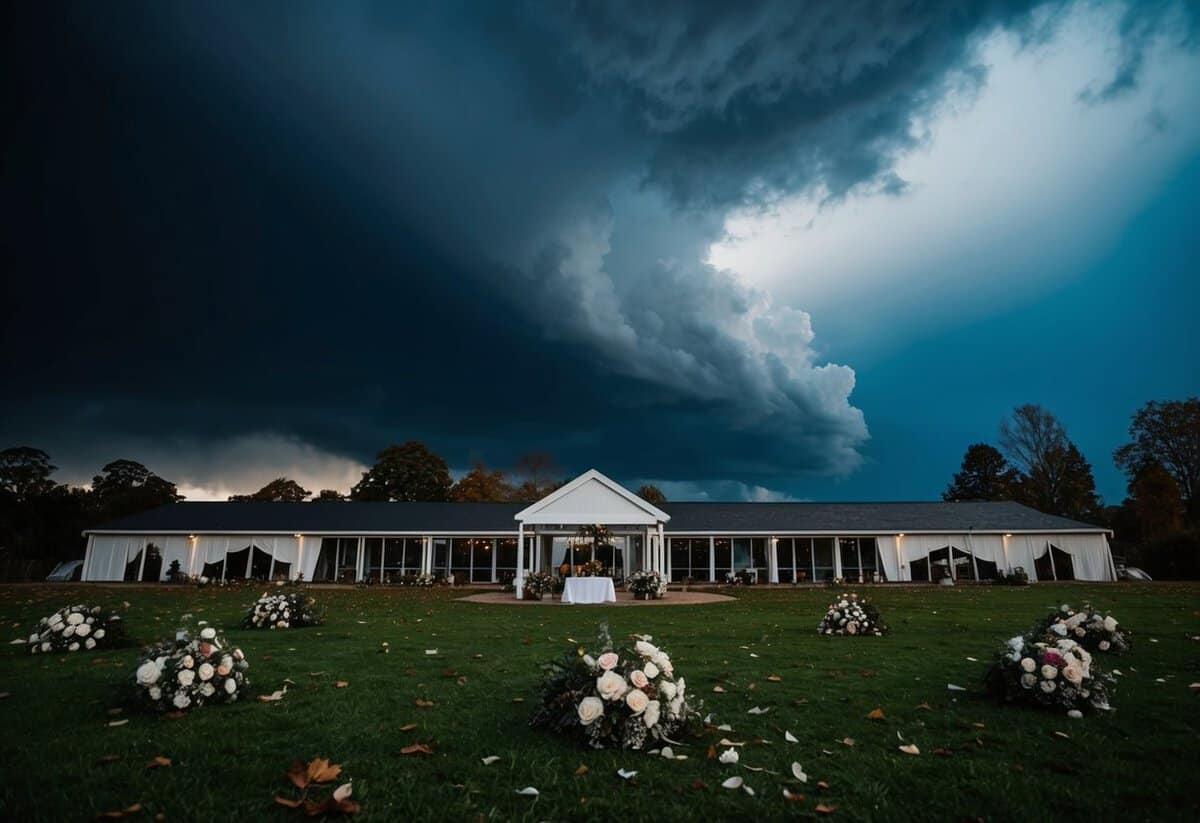
Different cultures have various beliefs about luck and timing when it comes to weddings. Some traditions may suggest avoiding certain months altogether, while others focus on choosing dates believed to bring good fortune. Understanding these cultural insights can help you decide on the best time for your celebration.
If you’re curious about what other months have superstitions or traditions attached to them, this article will explore more about how luck and culture impact wedding planning. You might find some surprising insights that could influence your big day!
Unlucky Months and Dates in Wedding Traditions
Many couples worry about choosing the right time for their wedding. Throughout history, different months and specific dates have been considered unlucky in wedding traditions. Let’s explore these beliefs to help you make an informed decision.
Historical and Cultural Beliefs
In many cultures, certain months carry significant meanings for weddings. June is often seen as a lucky month, associated with fertility and love. In contrast, July is viewed as unlucky for weddings. This belief may stem from traditional rhymes that suggest couples who marry in July may face hardships.
August is also sometimes seen as less favorable. It is linked to summer, a time when heat may cause discomfort during celebrations. While superstitions vary, these historical beliefs may influence your planning, especially if you value tradition.
Specific Unlucky Times
Certain days are marked as particularly unlucky. Friday the 13th is often mentioned as a day to avoid for tying the knot. This dating stems from various superstitions surrounding the number 13, which is often linked to bad luck.
You might also consider Lent, a time of mourning and reflection in many Christian traditions. Weddings during this period are generally avoided. When selecting your wedding date, it’s wise to keep these superstitions in mind to ensure a joyful celebration.
Astrology and Numerology in Wedding Planning

When planning your wedding, considering astrology and numerology can help you choose a date that feels right. These practices can point out lucky and auspicious days based on the lunar cycle and your personal numbers.
Lunar Influence on Wedding Dates
The moon has a significant role in astrology. Many believe that the phases of the moon affect emotions and events. For weddings, choosing a date aligned with the lunar cycle can be important.
New Moons are thought to symbolize new beginnings. Getting married on this day can bring fresh energy to your relationship. Conversely, Full Moons are associated with completion and fulfillment. Some believe that tying the knot during a Full Moon can enhance the connection between partners.
You might want to avoid dates during a Waxing Gibbous or Waning Moon, as they are seen as times of transition. For a harmonious wedding, consulting an astrologist for the best lunar influences can be helpful.
Numerology and Wedding Dates
Numerology is another tool that can guide your wedding date choice. Each number has its unique energy and meaning. By analyzing your birthdates and adding them together, you can reveal personal numbers that resonate with your relationship.
For example, Number 1 signifies new beginnings, making it a great choice for a wedding. Numbers like 5, 14, and 23 are often considered less favorable. Couples may want to avoid these when selecting a date.
Incorporating your lucky numbers can lead to a more personalized wedding experience. Aligning your chosen date with auspicious wedding dates can enhance the positive energies surrounding your union.
Days of the Week and Wedding Dates to Avoid
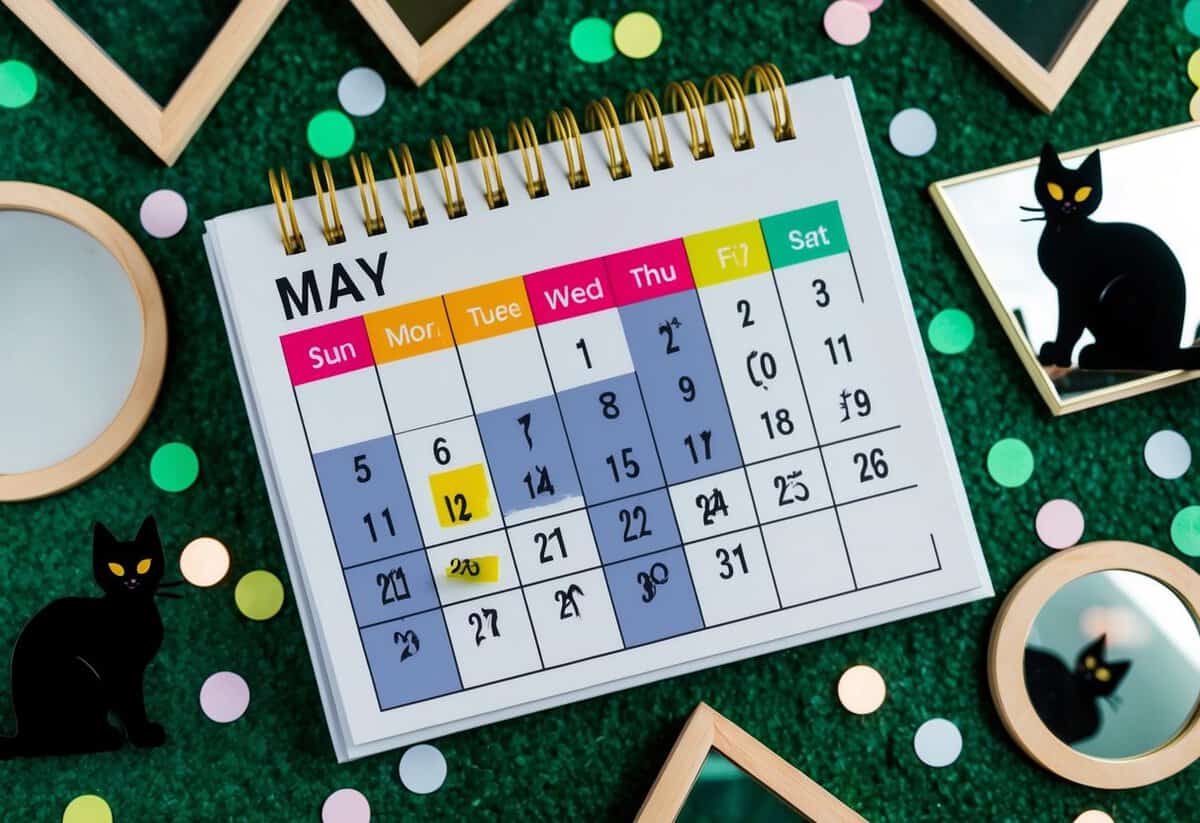
When planning your wedding, picking the right day is crucial. Some days have cultural significance or clash with major holidays. This can impact guest attendance and overall vibes for your special day.
Choosing the Right Day of the Week
Tuesdays, Wednesdays, and Thursdays are often great options for your wedding. These midweek days can offer significant savings. Vendors may charge less since fewer people book.
Fridays and Saturdays are popular but can be pricey. Many people enjoy these days for celebrations, which may cause scheduling conflicts.
While Saturdays are traditional, a Friday night wedding might clash with the start of the weekend, making attendance tricky for some. Consider the availability of guests before choosing.
Days Clashing With Major Holidays or Events
It is wise to avoid key holidays. Big events like Easter, Passover, or Ramadan can affect how many guests attend. Many may have family commitments or traditions that limit their availability.
Rosh Hashanah and Yom Kippur are also important dates in the Jewish calendar. Those observing might not welcome a wedding during these times.
Planning around these events ensures more guests can celebrate with you. Make sure to consider how these overlaps might impact your chosen date.