
What Music Was Played at Charles and Diana’s Wedding? A Look Back at the Iconic Ceremony
When you think of the royal wedding of Prince Charles and Princess Diana, one of the most memorable aspects is the beautiful music that filled St. Paul’s Cathedral on that historic day. The ceremony on July 29, 1981, featured a variety of classical pieces, including beloved hymns and fanfares, making the event even more magical.
Each note seemed to reflect the grandeur of the occasion, blending seamlessly with the celebrations in London.
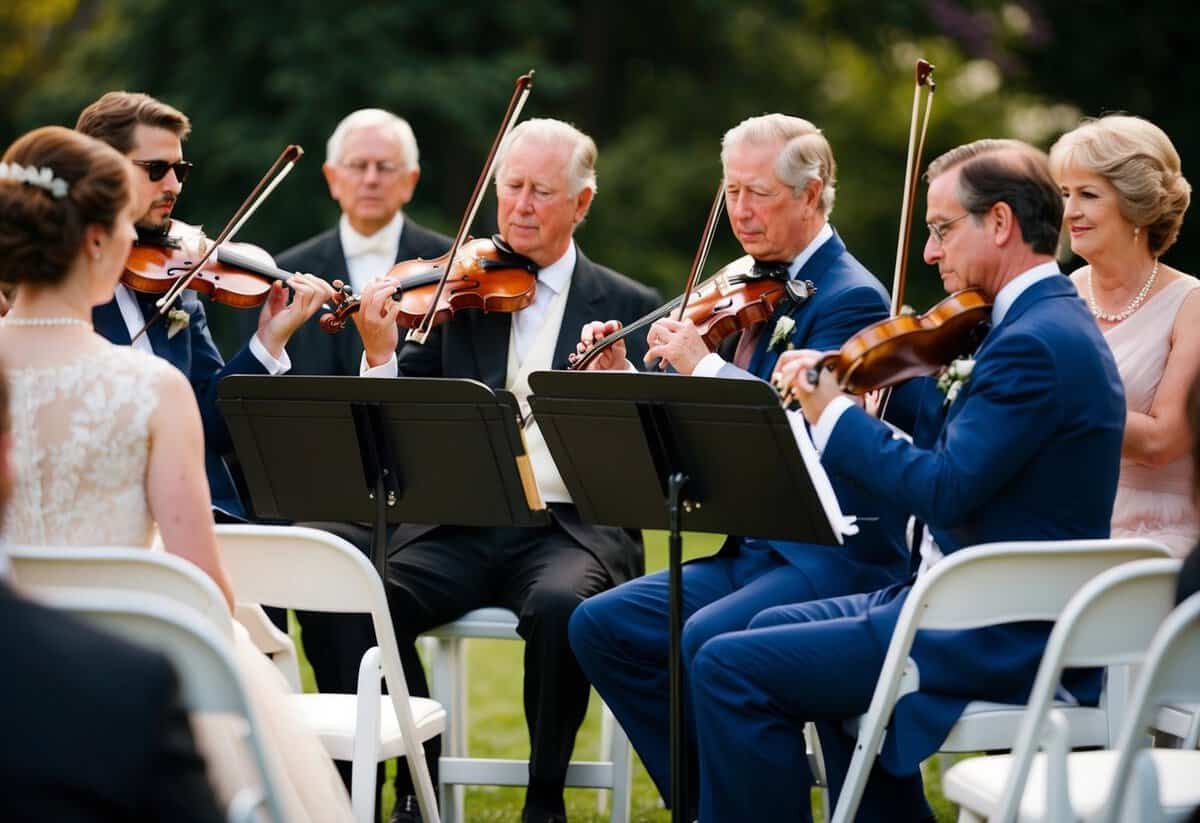
As you explore the details of their wedding, you’ll find that the music defined the atmosphere. With pieces like “Trumpet Voluntary” by Jeremiah Clarke for the bridal processional and “I Vow to Thee, My Country,” the selections not only added elegance but also captured the emotions of the day.
The stunning performance by three choirs and orchestras made the event unforgettable for everyone who attended.
The thoughtful choice of music also highlights the couple’s connection to British tradition. Each piece played at their wedding is a lasting part of their legacy. Delving into this enchanting soundtrack might just spark your curiosity about the stories behind the music and its significance to one of the most famous royal weddings in history.
The Royal Couple and the Venue
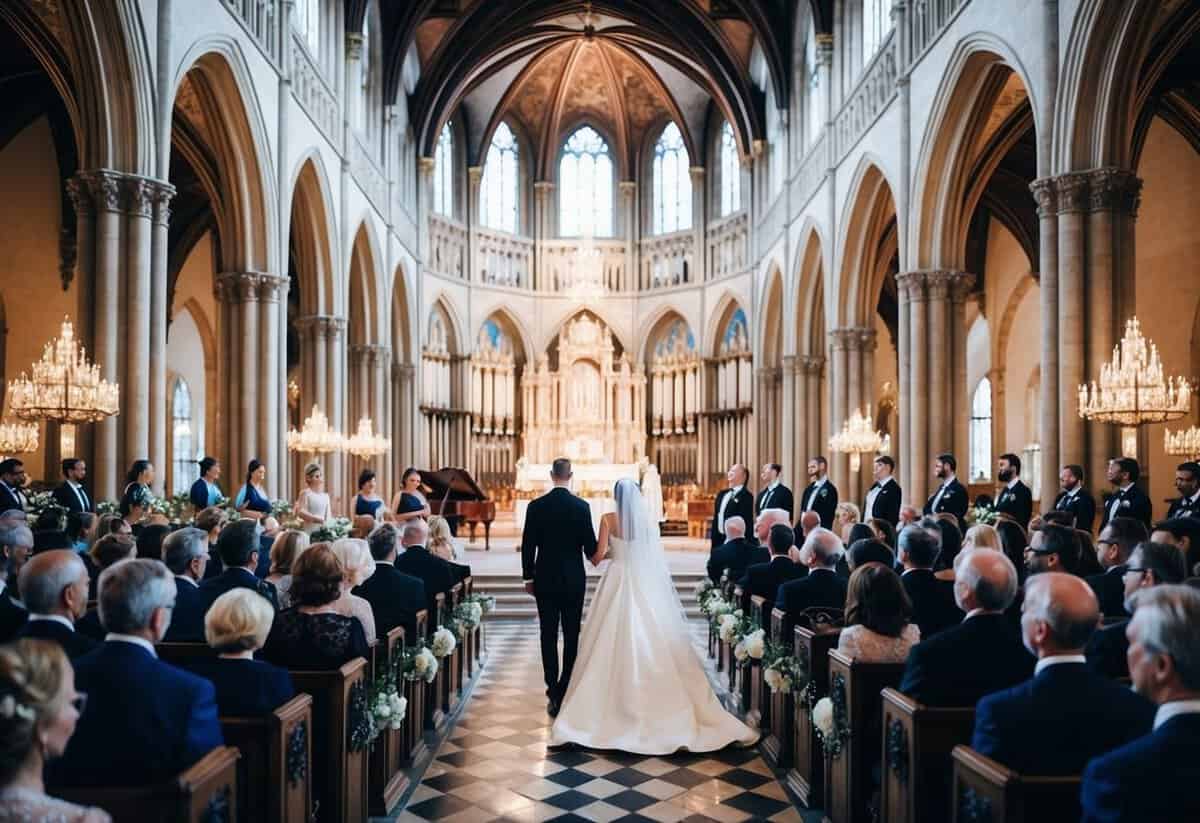
On July 29, 1981, a historic event took place as Prince Charles married Lady Diana Spencer. This wedding marked a significant moment in royal history, held at the iconic St Paul’s Cathedral in London. The venue and the couple played key roles in making this day unforgettable.
Profiles of Prince Charles and Princess Diana
Prince Charles, the heir to the British throne, was known for his dedication to public service and the environment. He was born on November 14, 1948, and became the Prince of Wales in 1958. His marriage to Diana was seen as a fairy tale, capturing the hearts of people worldwide.
Lady Diana, known as the “People’s Princess,” was born on July 1, 1961. With her charm and compassion, she quickly gained popularity. As a devoted mother and humanitarian, Diana focused on issues like homelessness and AIDS, earning respect globally. Their wedding was a blend of tradition and modernity, symbolizing hope for many.
Historical Significance of St Paul’s Cathedral
St Paul’s Cathedral, a masterpiece of architecture, has been a central part of British history. Designed by Sir Christopher Wren, it was completed in 1710 and symbolizes resilience. The cathedral has hosted many royal events, and Charles and Diana’s wedding was one of the most notable.
The choice of this grand venue added gravity to their ceremony. Situated in London, St Paul’s has a stunning dome and intricate designs, making it a breathtaking backdrop. The wedding was a traditional Church of England service, enhancing its significance. Thousands gathered outside to witness the event, showcasing the public’s deep interest in the royal family.
The Ceremony and Musical Selections
The wedding of Prince Charles and Lady Diana was a grand event filled with significant music that added to the ceremony’s rich atmosphere. Various choirs and orchestras performed classical pieces that resonated with history and emotion.
Key Musical Performances
During the ceremony, several key pieces were performed, making the event memorable. Notably, “Let the Bright Seraphim” by George Handel was sung by Dame Kiri Te Kanawa. This piece, known for its uplifting melody, added a touch of brilliance to the occasion.
Another crucial performance was “I Vow to Thee, My Country,” set to the music of Gustav Holst. The emotional weight of this hymn connected deeply with the themes of love and commitment. The ceremony also featured “Crown Imperial” by William Walton, a piece that filled the cathedral with a regal air.
Choirs and Orchestras Involved
Three choirs set the tone for the wedding: the Choir of St Paul’s Cathedral, the Choir of the Chapel Royal, and the Bach Choir. These choirs brought harmony and depth to the music, creating a background of rich sound.
In addition, a fanfare ensemble and multiple orchestras played key roles. The Orchestra of the Royal Opera House and the Philharmonia Orchestra provided an elegant soundscape. The English Chamber Orchestra added to the joyous atmosphere. Together, these groups made the music resonate throughout the historic venue.
Significant Composers and Scores
Several notable composers shaped the musical selections for the day. Edward Elgar’s “Pomp and Circumstance” was played, a piece often associated with ceremonies and celebrations. This classic composition evoked a sense of grandeur.
Jeremiah Clarke’s “Prince of Denmark’s March”, commonly known as the Trumpet Voluntary, also marked the occasion. Its recognizable melody has become a staple at weddings. The combination of these scores created an unforgettable musical journey for all present, reflecting the significance of the moment in royal history.
Fashions of the Day
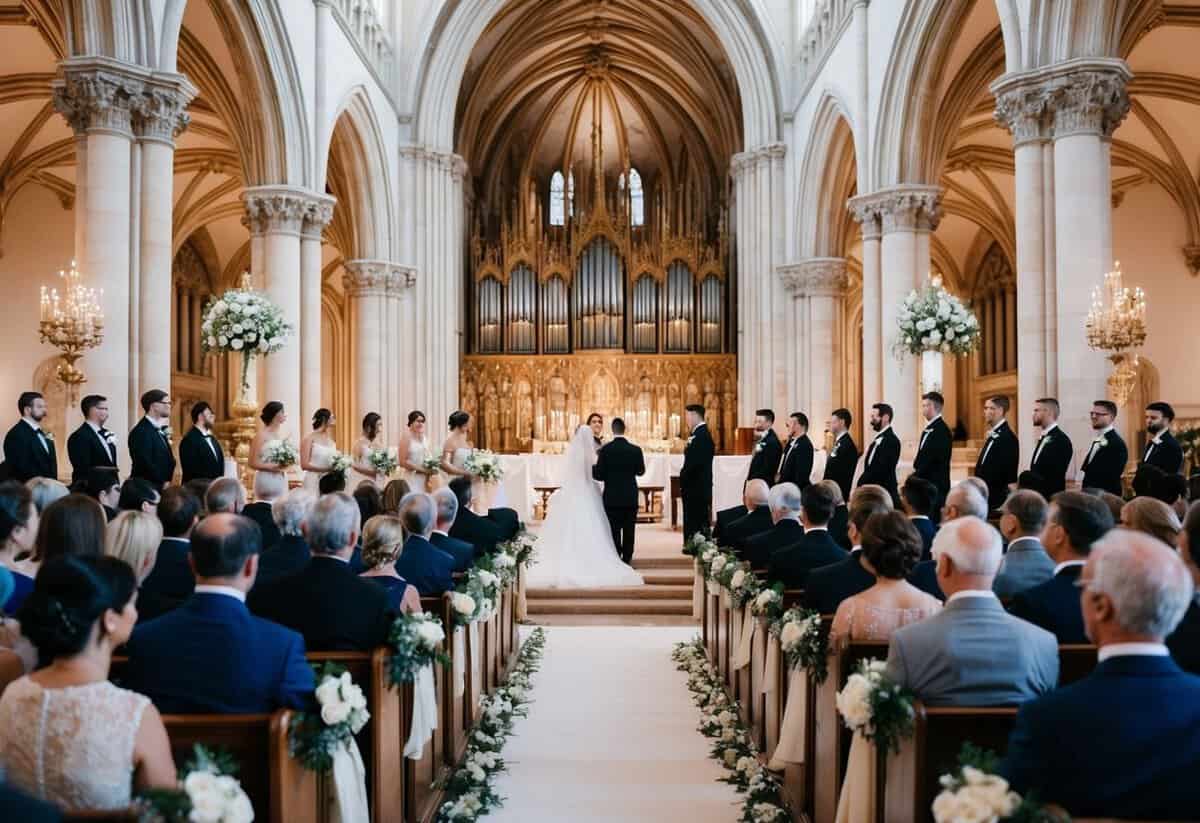
The wedding of Prince Charles and Princess Diana in 1981 showcased stunning fashion choices that captured the world’s attention. From Diana’s iconic wedding dress to the elegant attire of the wedding party, each detail added to the day’s magic.
The Iconic Wedding Dress
Princess Diana’s wedding dress is one of the most famous in history. Designed by David and Elizabeth Emanuel, it featured a lavish design with a dramatic 25-foot train and intricate lace detailing. The dress was made from ivory silk taffeta, enhancing its regal appearance.
The dress had puffy sleeves and a fitted bodice, creating a perfect fairytale look. Diana wore a pearl tiara, enhancing her radiant beauty as she walked down the aisle. The combination of the dress and accessories made her a true vision of a princess.
Attire of the Wedding Party
The wedding party’s attire complemented Diana’s stunning look. The bridesmaids wore dresses designed by the Emanuels, featuring puffed sleeves and long flowing skirts similar to Diana’s style. Their ivory and pastel-colored dresses added a soft touch to the celebration.
Prince Charles wore a traditional military uniform, reflecting his royal status. His look was classic and sophisticated, matching the grandeur of the ceremony. The royal family was also dressed in elegant outfits, showcasing the event’s importance. Each detail in their attire contributed to the royal ambiance of this historic wedding.
Broadcasting and Cultural Impact
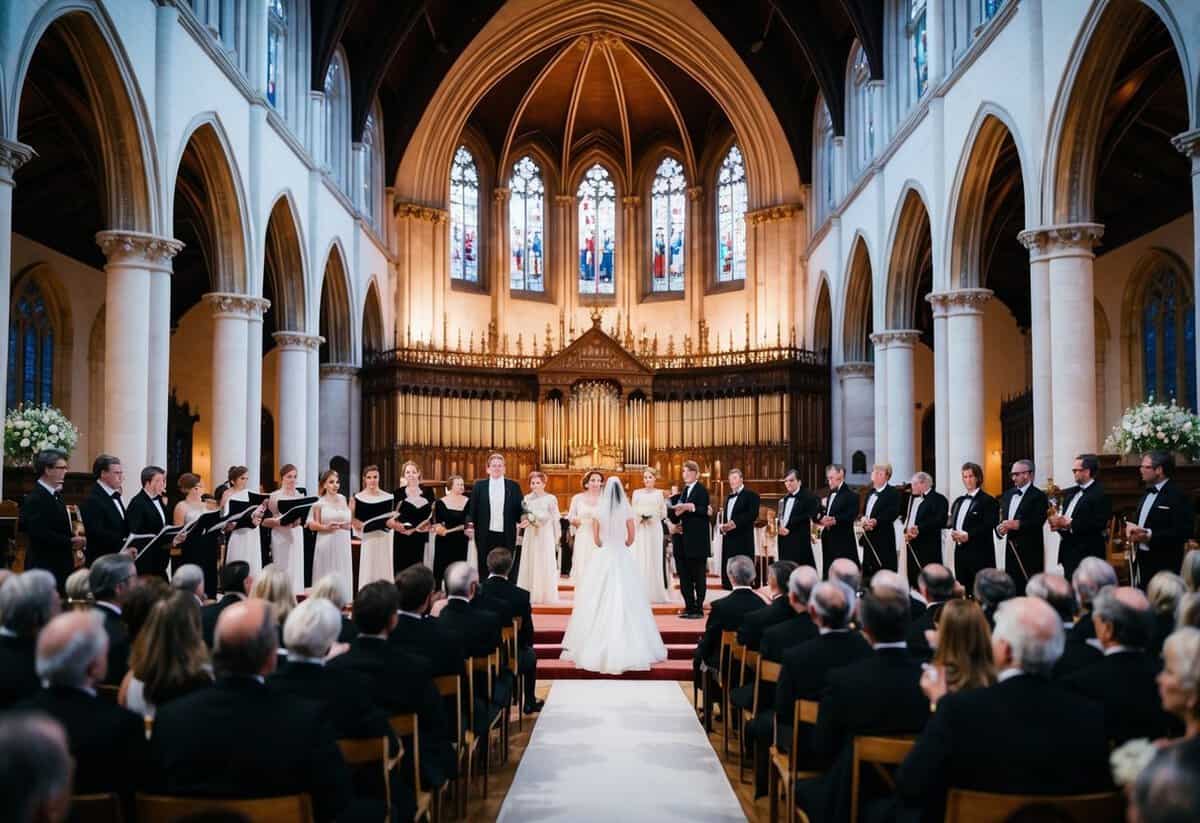
The wedding of Charles and Diana was a significant event, reaching millions around the world. The television coverage and its effects on future royal weddings are key aspects of this historical moment.
Television Coverage and Global Audience
When Charles and Diana married on July 29, 1981, it became known as the “wedding of the century.” Major television networks broadcast the ceremony live, drawing an audience of over 750 million people worldwide. Viewers tuned in from various countries, eager to witness the grand event at St. Paul’s Cathedral.
The coverage included stunning visuals of the royal family and the iconic wedding dress worn by Diana. This event inspired countless discussions and reflections about the royal family. Even decades later, it remains a significant moment in broadcasting history. Documentaries like “Diana: Her True Story” help keep this story alive for new generations.
Influence on Subsequent Royal Weddings
Charles and Diana’s wedding set a high standard for future royal ceremonies. The media’s portrayal of the event influenced how people would see royal weddings in the years to come.
Each wedding since has drawn comparisons to Charles and Diana’s day.
The weddings of Kate Middleton and Prince Harry featured similar grandeur. These events also engaged large television audiences, showcasing traditions while adding modern elements.
Diana’s legacy is felt through the public interest in royal events, emphasizing a blend of tradition and contemporary style.