
What Must Be Said in Vows? Essential Elements for Meaningful Wedding Promises
When it comes to wedding vows, you might wonder what exactly needs to be said to make your ceremony legal and meaningful. The most important part of the vows is the declaration of intent. Both partners must affirm their commitment by saying “I do” or a similar phrase. This simple yet powerful moment forms the legal foundation of your marriage.
While traditional vows have their charm, many couples today choose to personalize their promises to reflect their unique relationship. You can express your love, commitment, and hopes for the future in ways that resonate with you both. These personalized touches can make your ceremony feel even more special.
Remember, the essence of your vows lies in your sincere expression of love and commitment. Your words set the tone for your marriage, so take the time to think about what you truly want to say. Whether you opt for classic phrases or create your own vows, what matters most is that they come from the heart.
The Essence of Vows in Marriage
Vows are a central part of marriage, symbolizing the deep commitment and love between partners. They express promises that bind you together for life, reflecting both personal and cultural values.
Meaning and Importance
Marriage vows represent your heartfelt commitment to your partner. They go beyond just words; they are a promise of lifelong devotion. Phrases like “till death do us part” capture the idea of remaining united through thick and thin.
In your vows, you may include commitments to love and cherish your partner in sickness and health. These promises lay a strong foundation for your relationship. Personal touches, like mentioning shared experiences, can make your vows even more special and meaningful.
When you make these promises, you do so willingly and with a free heart. This emphasizes the importance of choice in your union. The depth of your vows reflects the strength of your love.
Variations Across Cultures
Weddings around the world feature diverse vows, shaped by cultural traditions and beliefs. For example, in some cultures, vows may include specific commitments to family and community. This highlights the collective support of those around you.
In Western ceremonies, it is common for vows to focus on romantic love, with lines that express your intention to face life together. You might say vows for her or vows for him, emphasizing mutual respect and partnership.
Different religions also influence how vows are expressed. Some might emphasize commitment and fidelity, while others might focus more on spiritual union. Understanding these variations can enrich your own vows and make them resonate more deeply.
Types of Wedding Vows
When planning your wedding vows, you have various options. Each type has its unique charm and significance. Understanding these types will help you find the perfect words to express your love and commitment.
Traditional Vows
Traditional wedding vows often center around timeless promises. Many couples choose classic phrases that may include commitments to love, honor, and cherish each other.
For instance, in Christian ceremonies, you might hear vows that state, “I take you to be my wedded wife/husband, to have and to hold from this day forward.”
Traditional vows can provide a sense of connection to generations before you, making them meaningful. These vows are usually straightforward, reflecting a commitment to a lifelong partnership.
Modern Personalized Vows
Modern personalized vows allow you to express your love in your own unique way. You can share personal stories or significant memories that highlight your relationship.
Feel free to write about what your partner means to you and what you hope for your future together. Many couples use this format to showcase their personalities and humor.
By crafting personalized vows, you create a special moment that reflects your individual journey.
Religious and Cultural Vows
Religious and cultural vows vary greatly depending on your faith or traditions. For many, these vows incorporate spiritual elements that deepen their commitment.
If you’re having a Buddhist wedding, you might include promises related to harmony and understanding. In Jewish weddings, it’s common to recite the Sheva Brachot, or Seven Blessings, to celebrate marriage.
These vows often connect you to your faith and community, adding layers of meaning to your ceremony. Customizing your vows within your cultural context can strengthen your bond.
Humorous Takes on Commitment
Adding humor to your wedding vows can make your ceremony memorable. Funny vows often include light-hearted promises that can ease any tension.
You might say, “I promise to always let you have the bigger half of the cookie.”
Incorporating humor allows you to showcase your personalities and makes your vows relatable. Your guests will appreciate the laughter, while your partnership remains the focus.
Renewal of Vows
Renewing your vows is a beautiful way to celebrate the growth of your relationship. During a vow renewal, you can reflect on your journey together and make new promises.
These vows often show how you’ve changed and deepened your love over time. Many couples express gratitude and reaffirm each other’s importance in their lives.
You can draw inspiration from your original wedding vows or create fresh ones that capture your current feelings. This moment allows you to celebrate your journey and strengthen your bond.
Writing Your Own Vows
Creating your own wedding vows is a personal journey. It allows you to express your feelings uniquely and meaningfully. Focus on your relationship, inject some humor if desired, and connect to universal themes that resonate with both of you.
Getting Started
Begin by setting aside time to think about what your partner means to you. Jot down your thoughts and feelings. Consider why you fell in love and what makes your bond special.
Start with simple statements, such as “I love you because…” or “You make me feel…”.
Don’t rush this process. Write several drafts, letting your emotions guide you. Once you have a base, refine your vows by ensuring they sound natural when spoken aloud. Practicing saying them will help you become comfortable before the big day.
Incorporating Personal Stories
Adding personal stories makes your vows memorable. Share a funny or touching moment that highlights your relationship. It could be your first date or an adventure you both experienced.
Using these stories allows your guests to connect with your bond. It brings a sense of intimacy to your ceremony.
When choosing a story, keep it brief but impactful. Aim for a few sentences that showcase your feelings. This personal touch can set your vows apart from typical ones, making them unique and heartfelt.
Balancing Humor and Sincerity
Finding the right mix of humor and sincerity can make your vows enjoyable. You can include a funny anecdote or lighthearted joke to show your playful side.
Yet, ensure that humor doesn’t overshadow the seriousness of your commitment. You want your vows to reflect your true feelings.
To achieve this balance, consider your partner’s sense of humor. Will they appreciate a lighthearted touch, or do they prefer a more sincere tone? Think about what will resonate with both of you and your guests.
Striking a Chord with Universal Themes
Incorporating universal themes can help your vows feel relatable. Themes like love, partnership, support, and growth are essential in any relationship. These concepts can connect with everyone present.
Try to express promises that embody these themes. For example, “I promise to support your dreams” or “I will always cherish our time together.”
Using these broader themes helps convey the depth of your feelings. It shows that your vows are not just personal but also resonate with anyone who has experienced love. This approach makes your vows richer and more meaningful.
Ceremonial Traditions
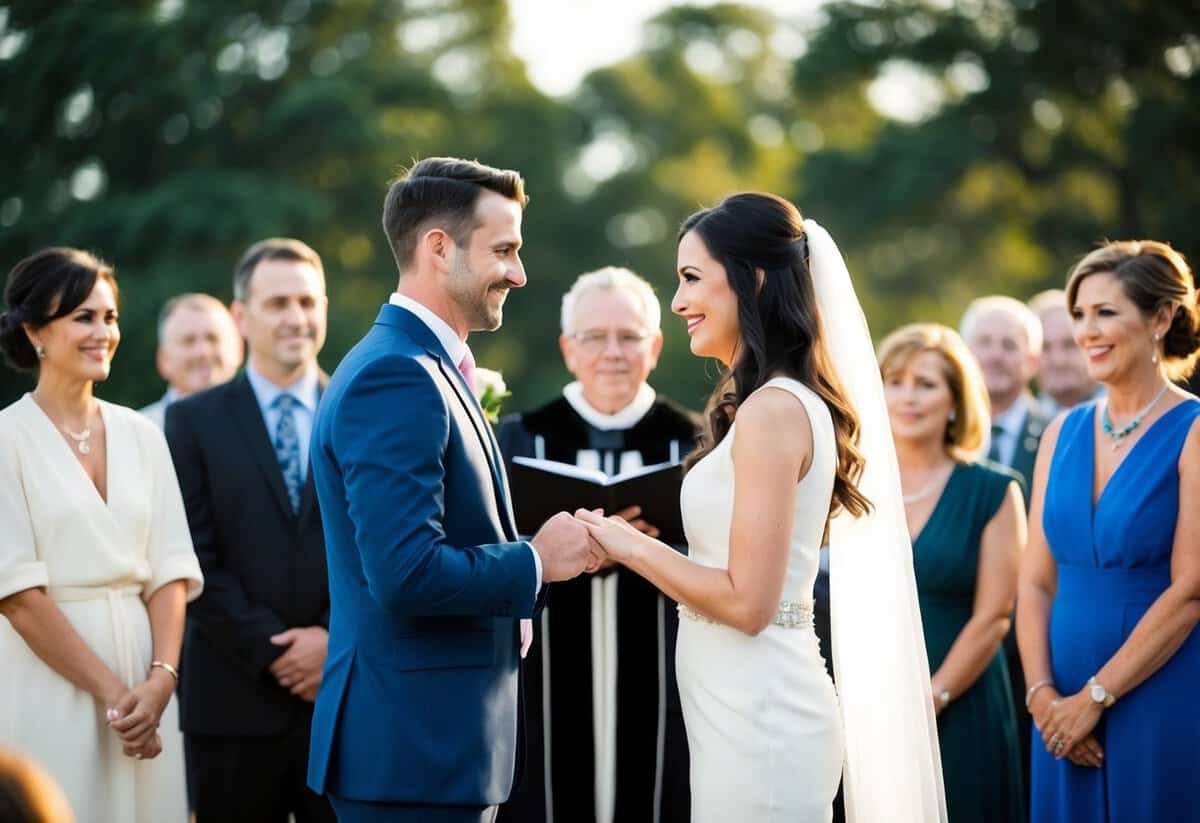
Ceremonial traditions play a significant role in weddings. They shape the way couples exchange vows and celebrate their commitment through structured rituals. Understanding these elements can help you create a meaningful ceremony.
Role of the Officiant
The wedding officiant is a vital part of your ceremony. This person guides you through the process and ensures everything runs smoothly. They help personalize the ceremony, integrating your stories and beliefs.
Your officiant can be a religious leader, a judge, or a celebrant. They will often explain the significance of the vows and ring exchange. This can help connect you and your guests to the moment.
Choosing someone who aligns with your vision is essential. Their tone, style, and approach can influence the ceremony’s atmosphere.
Ring Exchange
The ring exchange is a key moment in your marriage ceremony. It symbolizes the commitment and love you share with each other. Typically, this occurs after you exchange your vows.
During this part of the ceremony, you will place rings on each other’s fingers. Your officiant may say a few words about the significance of the rings. These words often enhance the emotional weight of the moment.
You and your partner may also express personal thoughts about what the rings mean to you. This adds a unique touch to your ceremony and can make it even more special.
Wedding Ceremony Structure
The structure of the wedding ceremony varies based on traditions and customs. Generally, it includes several main elements: the entrance, exchange of vows, ring exchange, and closing remarks.
Each ceremony usually starts with the officiant giving a welcome or opening statement. Following this, you will exchange vows, expressing your love and commitment. Then comes the ring exchange, reinforcing what has been promised.
Finally, the ceremony ends with a declaration of marriage. The officiant might invite everyone to celebrate your union, which is a joyful conclusion to the rituals observed. Each step builds on the last, creating a memorable experience.