
What Not to Say in Your Vows: Avoid These Pitfalls for a Heartfelt Ceremony
Writing your own vows is a wonderful way to express your love, but it can also feel overwhelming. You want to share your deepest feelings, yet it’s important to remember what to avoid saying. Steering clear of inappropriate topics or overly personal details can help you create vows that are heartfelt and suitable for the occasion.
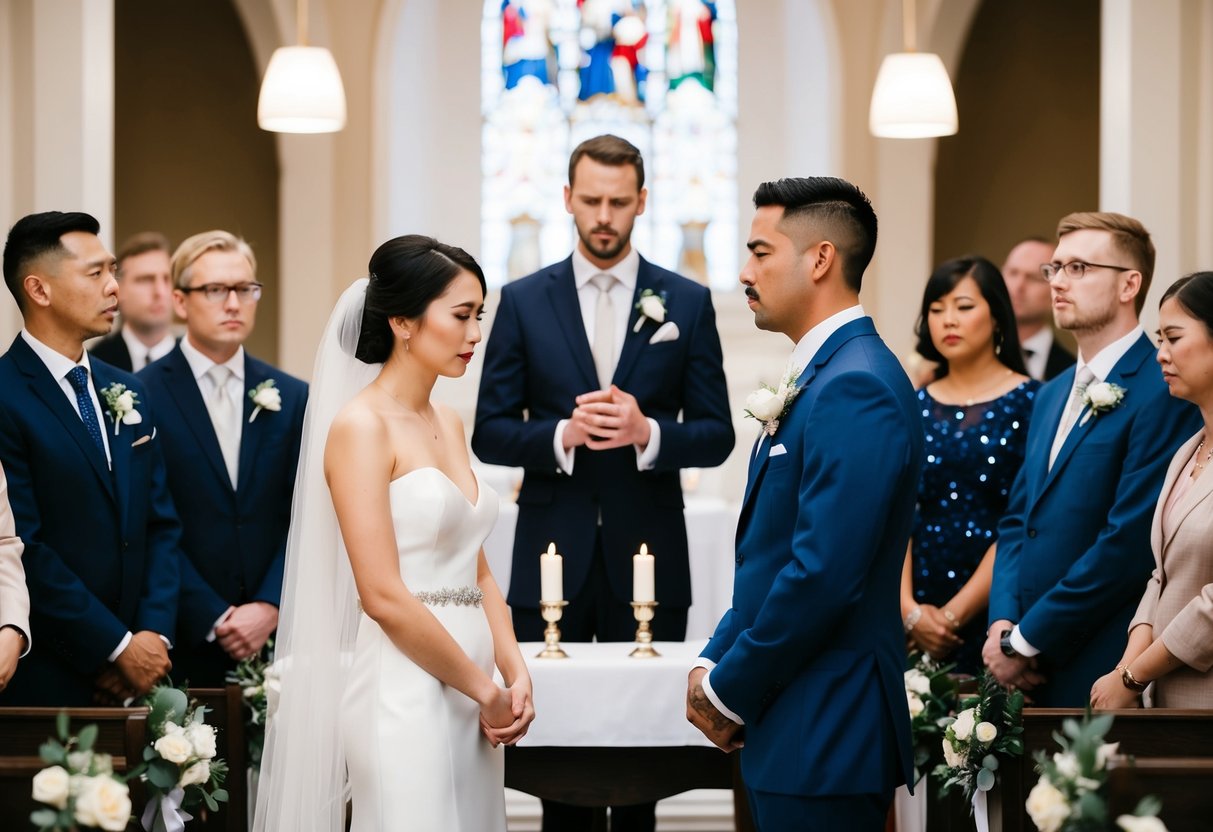
When crafting your vows, think carefully about the message you want to send. Avoid mentioning sensitive topics that could make your partner uncomfortable or distract from the joy of the moment.
Focusing on love, commitment, and shared experiences will make your vows memorable and meaningful for both of you and your guests.
As you take this exciting step, consider the things that might not belong in your vows. By knowing what not to say, you can ensure your words truly reflect the love you share and set a positive tone for your wedding day.
Crafting Your Commitment
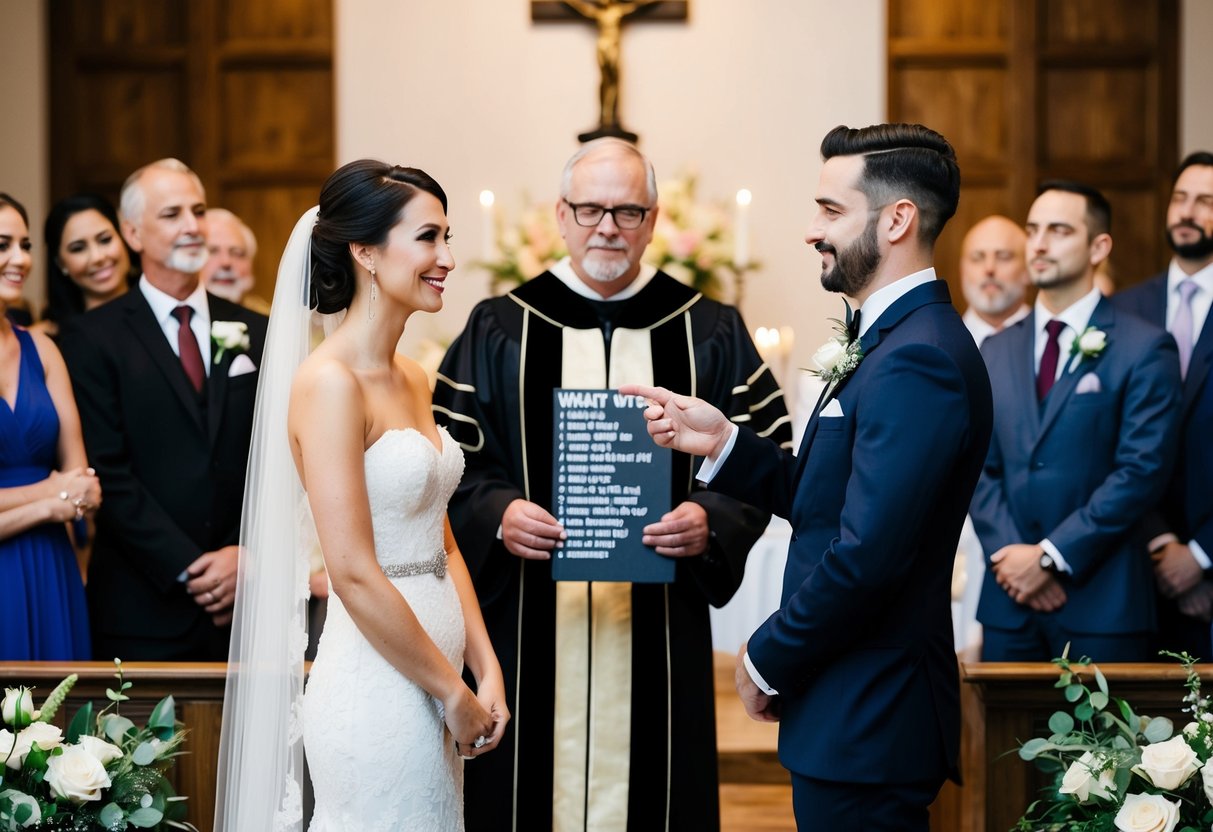
Creating heartfelt wedding vows is a special task. It’s your chance to express your love and commitment. Personalizing your vows can make the moment even more meaningful.
The Essence of Wedding Vows
Wedding vows are promises you make to your partner. They reflect your feelings and your commitment to one another. It’s important to express why you love them and how you plan to support them.
Focus on specific qualities you admire. You might say, “I love your kindness” or “I admire your strength.” These details make your vows unique and personal.
Avoid generic phrases. Instead, speak from the heart. This authenticity will resonate with your partner and everyone present. Remember, these vows are part of your shared story.
Structuring Your Vows
When structuring your vows, start with an opening line that captures your feelings. Then, move into your promises. Phrases like “I promise to support you” or “I will stand by your side” work well.
Consider using a list format for clarity. For example:
- I promise to love you every day.
- I will encourage you to be yourself.
- I will be your partner in all things.
This structure keeps your vows organized and easy to follow.
End with a heartfelt conclusion that brings everything together. A simple statement can be very powerful. Aim for sincerity, and your vows will shine.
What to Avoid Mentioning
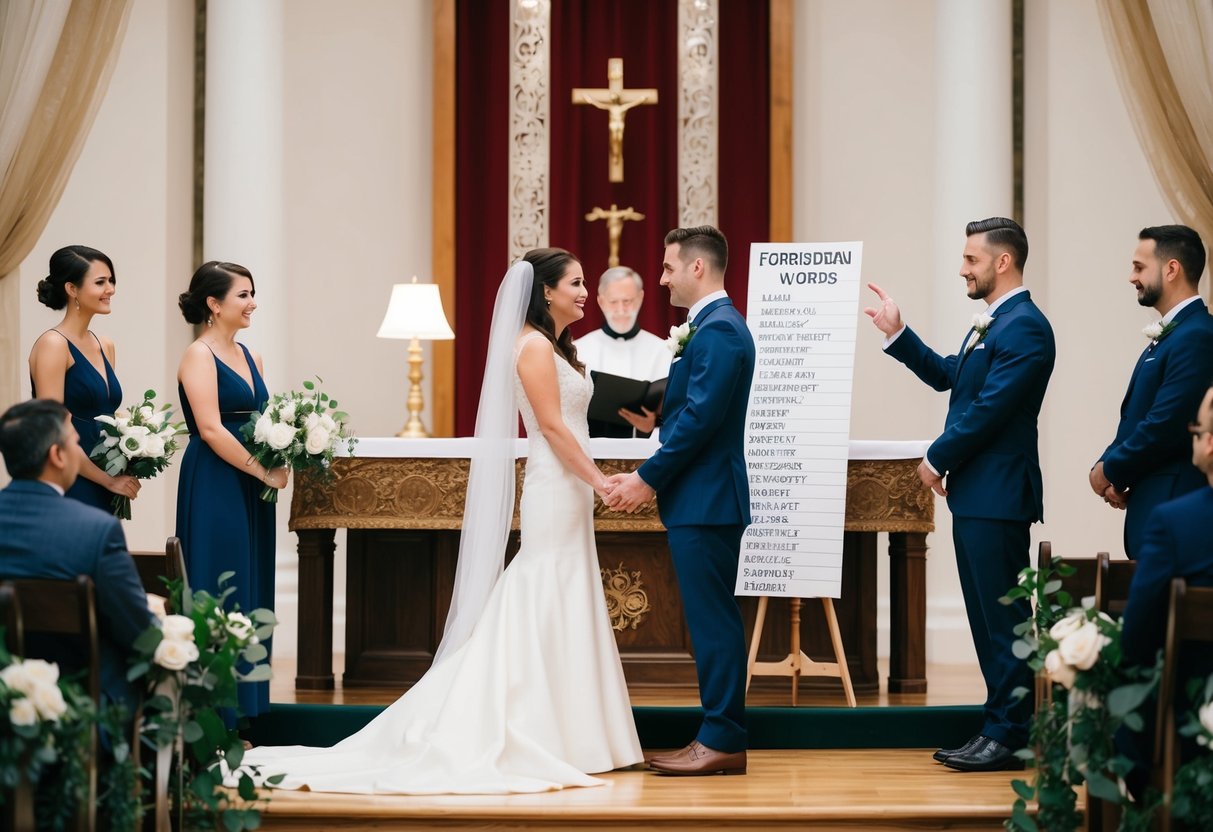
When writing your wedding vows, it’s important to choose your words carefully. Certain topics can detract from the loving atmosphere of the ceremony and make your partner or guests uncomfortable. Here are key categories to avoid.
Sensitive Topics
Sensitive topics can bring negative emotions and make your partner feel uneasy or insecure. Keep your vows focused on your love and future together rather than past struggles.
Here’s a quick list of sensitive topics to avoid:
- Exes: Do not discuss past partners.
- Breakups: Leave past relationships out of your vows.
- Family Issues: Avoid touching on difficult family dynamics.
Overly Personal Content
While it’s great to share your feelings, being too personal can lead to discomfort. Inside jokes or detailed stories that only a few people understand might confuse or alienate guests. Your vows should connect with everyone present, not just your partner.
Instead, focus on feelings and promises rather than intricate backstories. Keep the sharing light and relatable, and avoid details that make others uncomfortable.
For example, consider these points:
- Inappropriate Stories: Skip raunchy or explicit tales.
- Secrets: Don’t share private jokes that exclude guests.
- Too Much Detail: Keep it sweet and to the point.
Inappropriate Humor
Humor can lighten the mood, but it needs careful handling. Avoid jokes that can embarrass your partner or any guests. Inappropriate humor, like comparing your partner to past relationships, can sting and take away from the love of the moment.
Instead, use light-hearted and warm humor that reflects your relationship. For instance, you can include a funny but sweet line that highlights your journey together. Just remember to keep the tone respectful and loving.
Here’s what to avoid:
- Raunchy Jokes: Keep it classy and respectful.
- Jokes About Friends or Family: Avoid humor that involves others negatively.
- Negative Comparisons: Stay away from comparing your partner to anyone else.
Finding the Right Tone
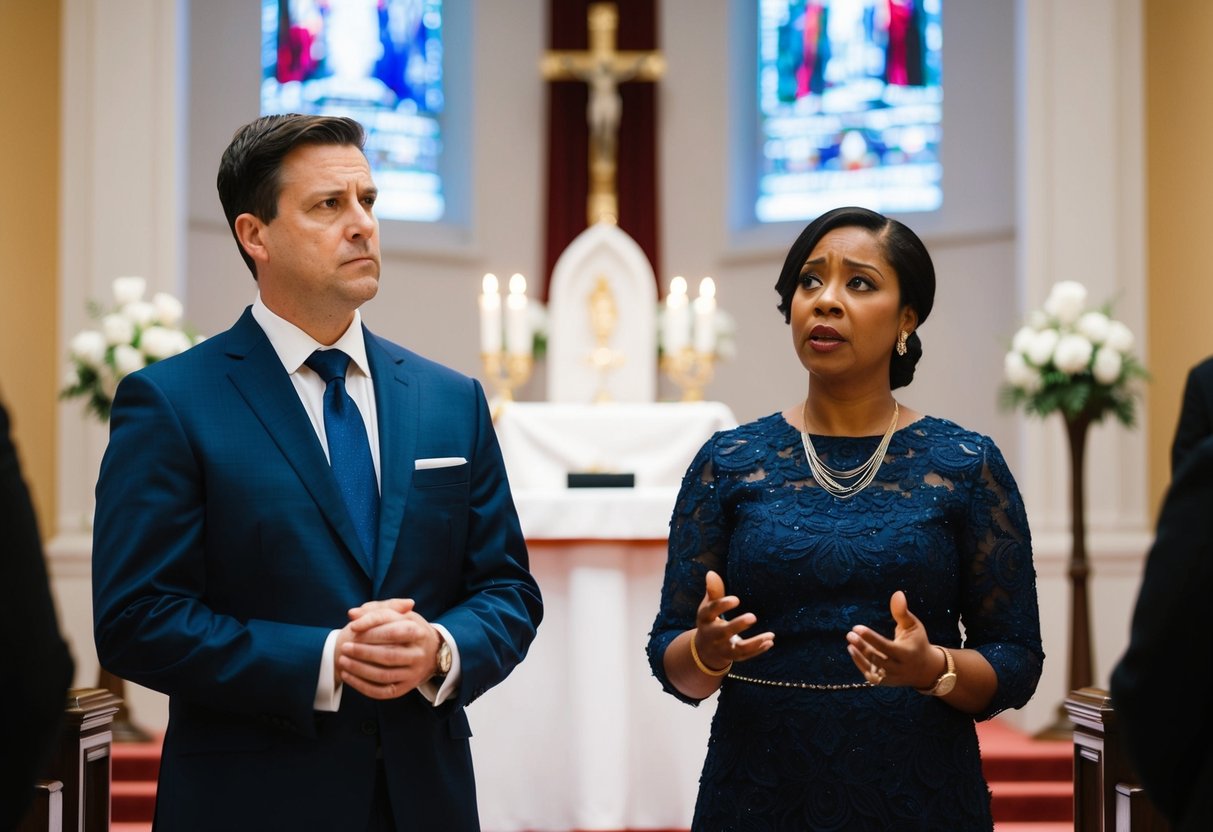
Choosing the right tone for your vows is crucial. You want them to feel genuine and true to your relationship. A good balance between serious and light-hearted moments can make your vows memorable and heartfelt.
Balance Between Serious and Light-hearted
It’s important to mix serious and light-hearted elements in your vows. Starting with a sincere promise or a deep feeling can set the tone. You might say something like, “I promise to support you through life’s challenges.”
Then, you can sprinkle in some humor. For instance, “And I promise to always let you have the last slice of pizza.” This balance keeps the mood light while also emphasizing your commitment.
Consider using funny wedding vows that reflect both your personality and your partner’s. Just ensure that the jokes don’t overshadow the meaningful parts.
Reflecting Your Relationship
Your vows should reflect the unique story of your relationship. Think about shared memories and inside jokes that matter to you both.
Recall your favorite moments, like that time you got lost on a trip and ended up laughing instead of stressing out. Mention these in your vows.
Additionally, include what you admire most about your partner. Acknowledge their quirks and strengths. You might say something like, “I love how you always make me laugh when I’m stressed.” This will make your vows feel authentic.
The right tone shows your love and commitment, making your wedding ceremony even more special.
Finalizing Your Vows
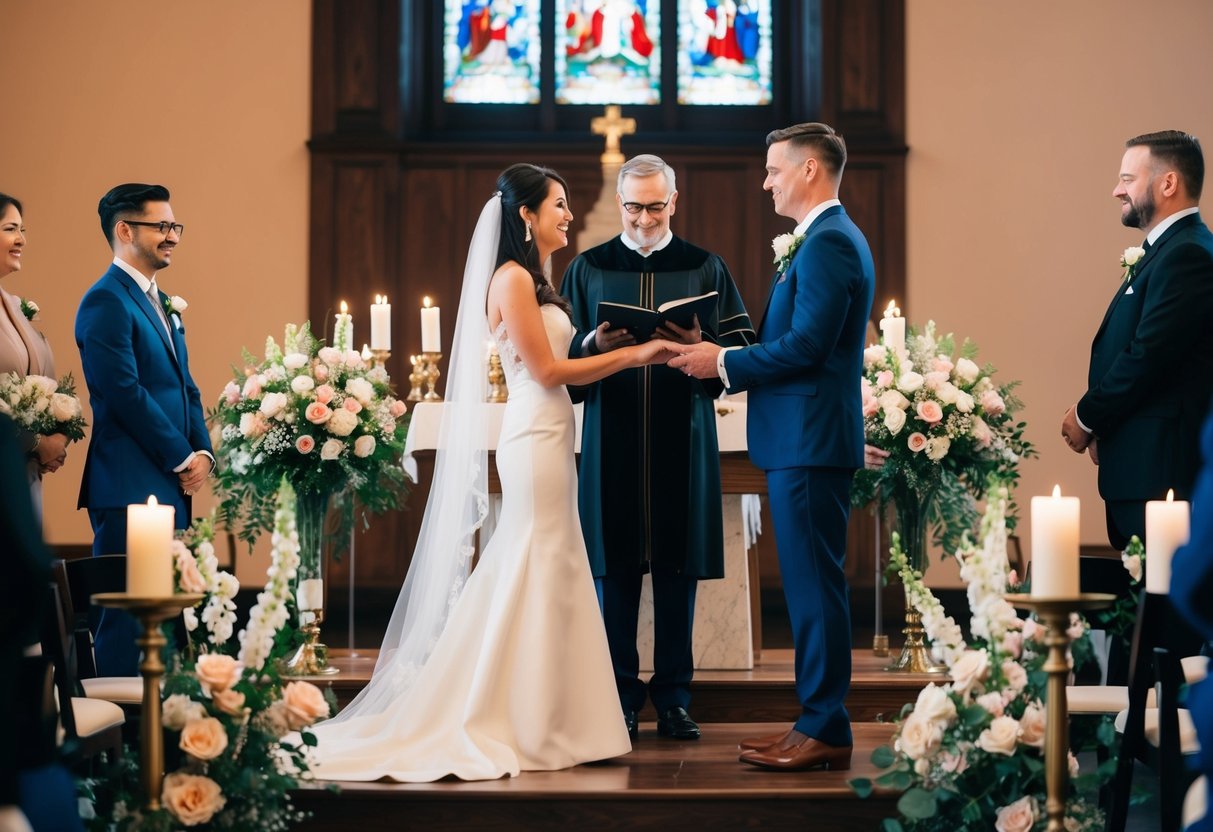
Getting your vows just right is essential for your big day. You want to ensure that your heartfelt words sound perfect and convey your love. Two important steps in this process are practicing your vows and memorizing them effectively.
Practice and Feedback
Once you’ve drafted your vows, it’s time to practice. Read them out loud several times. This helps you get comfortable with the wording and flow.
Share your vows with a trusted friend or family member for feedback. They can offer insights on what resonates and what might need tweaking.
Make any adjustments based on their suggestions to make your vows even more impactful.
During practice, pay attention to your tone. Aim for warmth and sincerity. You want to connect with your partner and your guests. This practice time is crucial to ensure you feel confident on the wedding day.
Memorization Tips
To help memorize your vows, start with the structure. Break your vows into smaller sections. This makes it easier to remember each part.
Repetition is key, so read your vows daily. You can also try writing them down multiple times. This engages different memory pathways and reinforces your words.
Consider using memory aids, like cue cards. Keep them handy for quick reviews. Practicing in front of a mirror can also boost your confidence.