
What Order Do Names Go on Wedding Announcements? A Simple Guide for Couples
When planning your wedding, you need to decide the order of names on your wedding announcements. Traditionally, the bride’s name comes first, reflecting that her family is hosting the event. This custom has deep roots in wedding etiquette and still holds significance today.
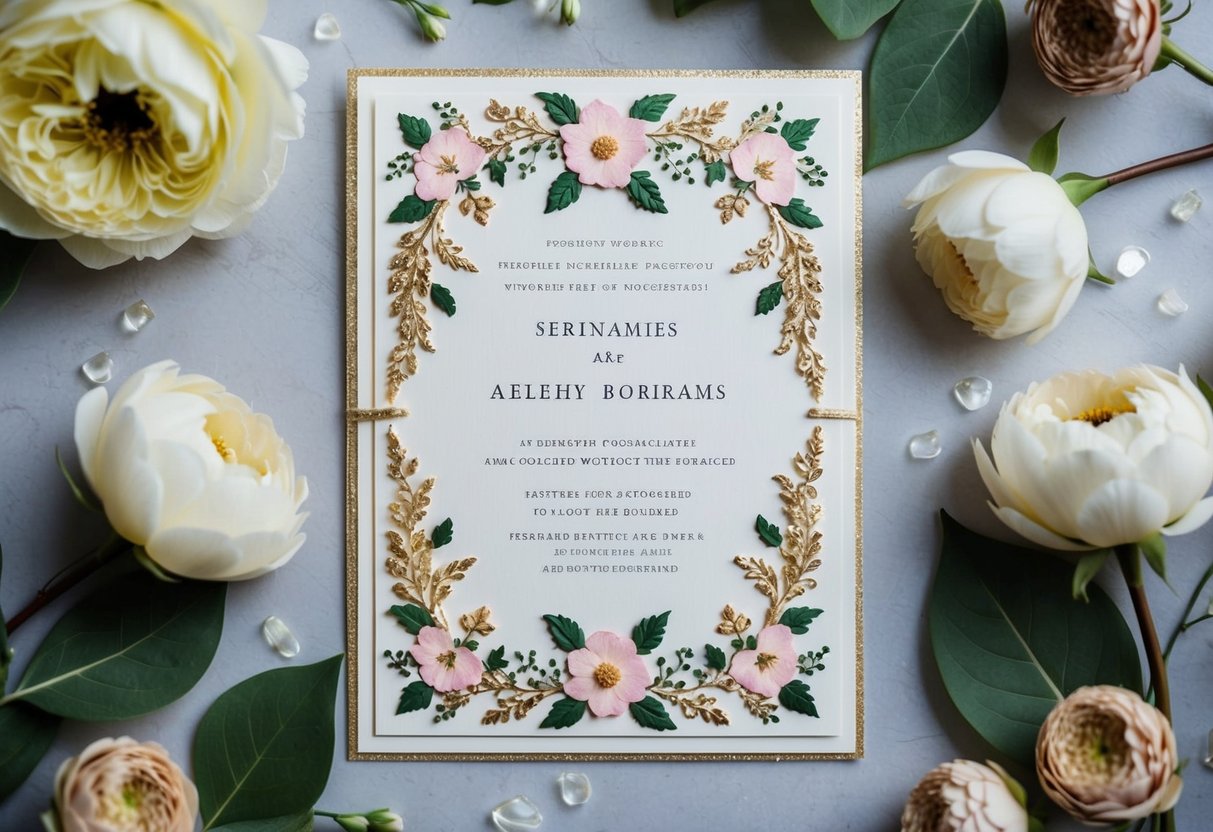
As you consider your wedding invitations, keep in mind that modern trends have introduced some flexibility. Some couples now choose to list names alphabetically or even use both names without a specific order to reflect their partnership equally.
Getting the name order correct can make a big difference in how your announcements are perceived. Whether you lean towards tradition or embrace a modern twist, knowing the basics will help you confidently navigate this aspect of your wedding planning.
The Tradition and Etiquette of Wedding Invitations
When planning your wedding invitations, it’s essential to pay attention to tradition and etiquette. This helps set the tone for your special day and ensures that your announcements reflect the formality of the occasion. Here’s what you need to know about the basics, the significance of names, and envelope etiquette.
Understanding the Basics of Wedding Invitation Etiquette
Wedding invitation etiquette includes several key rules. First, remember that the bride’s name typically comes first, followed by the groom’s name. This tradition highlights the bride’s importance in the ceremony.
Make sure to use full names, including middle names if appropriate. You should also include relevant titles like “Mr.,” “Mrs.,” or “Dr.”
Keep the language formal, as these invitations are a representation of the occasion.
Choose quality formal stationery to match the tone of your wedding. Use script or serif fonts for a classic look. Stick to traditional colors, like ivory or cream, accented by gold or silver lettering. This ensures that your invitations are appealing and appropriate for the event.
The Significance of Names in Wedding Announcements
Names on your wedding announcements hold great importance. They not only identify the couple but also convey a sense of respect and formality. Traditionally, the bride’s name is placed before the groom’s name to reflect cultural customs.
Including both first and last names shows respect for family heritage. If the couple has different last names, it’s best to include both, honoring each person’s background.
Adding family names can highlight the joining of two families. For example, using the bride’s last name and the groom’s last name can show unity and respect to both sides. Always ensure that names are spelled correctly to avoid any misunderstandings.
Deciphering the Outer Envelope Etiquette
The outer envelope is crucial for proper wedding invitation etiquette. Start with the guest’s name, making sure to use formal titles.
If there are multiple guests living at the same address, list each name to ensure everyone feels included.
The return address is usually placed at the back flap of the envelope. This allows guests to know where to send their RSVPs.
Select a clear and readable font for the address to make it easy to identify.
When addressing wedding invitations, consider using the full address, including the city and state. This adds a personal touch and shows you care about your guests’ experience right from the start.
Formal invitations set the stage for your celebration, so give this detail the attention it deserves.
Determining Name Order in Wedding Invitations
Choosing the order of names on your wedding invitations can be important. This decision often reflects your preferences and relationship dynamics. Here are key factors to consider in organizing the names correctly.
Name Goes First: Bride or Groom?
Traditionally, the bride’s name goes first on wedding invitations. This has been the custom for many years and is still commonly followed today.
If you prefer a modern approach, you can choose based on personal significance, such as which name feels more prominent to you as a couple.
If the bride has a notable professional title, listing her first can also reflect her achievements. In some cases, couples may opt for alphabetical order to avoid any conflict. This method is straightforward and can keep things simple.
Guidelines for Same-Sex Couples and Non-Traditional Weddings
For same-sex couples, the decision can vary. You may choose any order that feels right for you both. Many couples select alphabetical order as a neutral option.
You might also choose based on personal significance or whose name feels more central to your celebration.
In non-traditional weddings, it’s best to reflect your unique relationship. If one partner has a title or distinction, consider ordering the names to highlight that.
What matters most is that both partners feel equally represented.
Inclusion of Middle Names and Professional Titles
Including middle names can add formality and clarity to your invitations. It’s especially useful if you have similar names or want to show respect for your family backgrounds. Always spell out full names to avoid confusion.
If you or your partner have professional titles, think about how to include them. You might write “Dr. Jane Smith and Mr. John Doe,” which highlights your accomplishments.
Ensure the layout remains clear and easy to read while honoring both names equally.
Modern Adaptations and Personal Preferences
Today’s wedding announcements reflect changing values and styles. You can adapt traditional rules to suit your personal taste and the nature of your celebration. This section looks at how modern etiquette allows for personalization in name order and design features.
Balancing Modern Etiquette with Personal Choice
In modern weddings, it’s common for couples to prioritize personal choice over traditional etiquette. You might decide who goes first based on preference rather than the customary order.
For same-sex couples, there’s even more freedom. Some may opt for alphabetical order, while others choose based on name length or significance.
Here are a few factors to consider:
- Couple’s Preference: Decide together which name feels more fitting.
- Family Input: Consider if parents want input in the name order.
- Wedding Theme: Align name placement with your wedding style.
This creates a personal touch that showcases your unique relationship.
Design and Detail Considerations in Modern Invitations
In modern wedding invitations, design plays a critical role. You can incorporate elements that reflect both your personalities.
Think about using informal address styles, like first names. This casual approach can warm up the invitation and feel inviting.
Here are some design aspects to keep in mind:
- Typography: Choose fonts that express your style.
- Colors and Patterns: Use colors that resonate with your wedding theme.
- Layout: Arrange names and details for easy reading.
Also, when addressing envelopes, consider how the name order might look. Make sure it flows well visually. Personalizing your announcements can make them memorable and unique to your celebration.